Neva River
Neva River
Stretching 74 kilometers, the Neva River flows through Saint Petersburg, dividing it into 42 islands and concentrating the city's imperial heritage along its banks.
The Neva is the river that flows through Saint Petersburg before reaching the Baltic Sea. Over 74 kilometers, it structures the city, its history, and much of its urban landscape. Its banks concentrate the city's principal imperial monuments and remain the setting for boat excursions that characterize Petersburg summers.
Why visit the Neva
The Neva is not a secondary backdrop to Saint Petersburg—it is the lifeblood of the city. It originates in Lake Ladoga and empties into the Gulf of Finland in the Baltic Sea. Its width (400 to 600 meters) and depth (8 to 24 meters) make it a navigable river, even for large cargo vessels. It is part of the system of five seas, a network of waterways connecting the Baltic, Caspian, Black Sea, Sea of Azov, and White Sea.
Within the city itself, the Neva and its tributaries divide the territory into 42 islands connected by numerous bridges. This distinctive geography explains the nickname "Venice of the North" and the river's central place in visitor itineraries.
History of the Neva
The river owes its name to a medieval episode. On July 1, 1240, Prince Alexander Yaroslavich of Novgorod defeated the Swedish army on its banks in a decisive battle. This victory earned him the epithet Alexander Nevsky, meaning "Alexander of the Neva." Saint Petersburg's main avenue, Nevsky Prospekt, perpetuates this name.
Five centuries later, Peter the Great founded the new Russian imperial capital at the river's mouth. The Neva then shaped the city's urban planning: palaces, ministries, and fortresses were built along the waterfront to take advantage of maritime access.
The river played another decisive role during the Siege of Leningrad, from September 1941 to January 1944. When Lake Ladoga and the Neva froze over, their icy surface became a supply and evacuation route nicknamed the "Road of Life." Truck convoys traveled across it despite bombardments to provision a besieged city cut off from the rest of the country.
What to see and do
Monuments along the banks
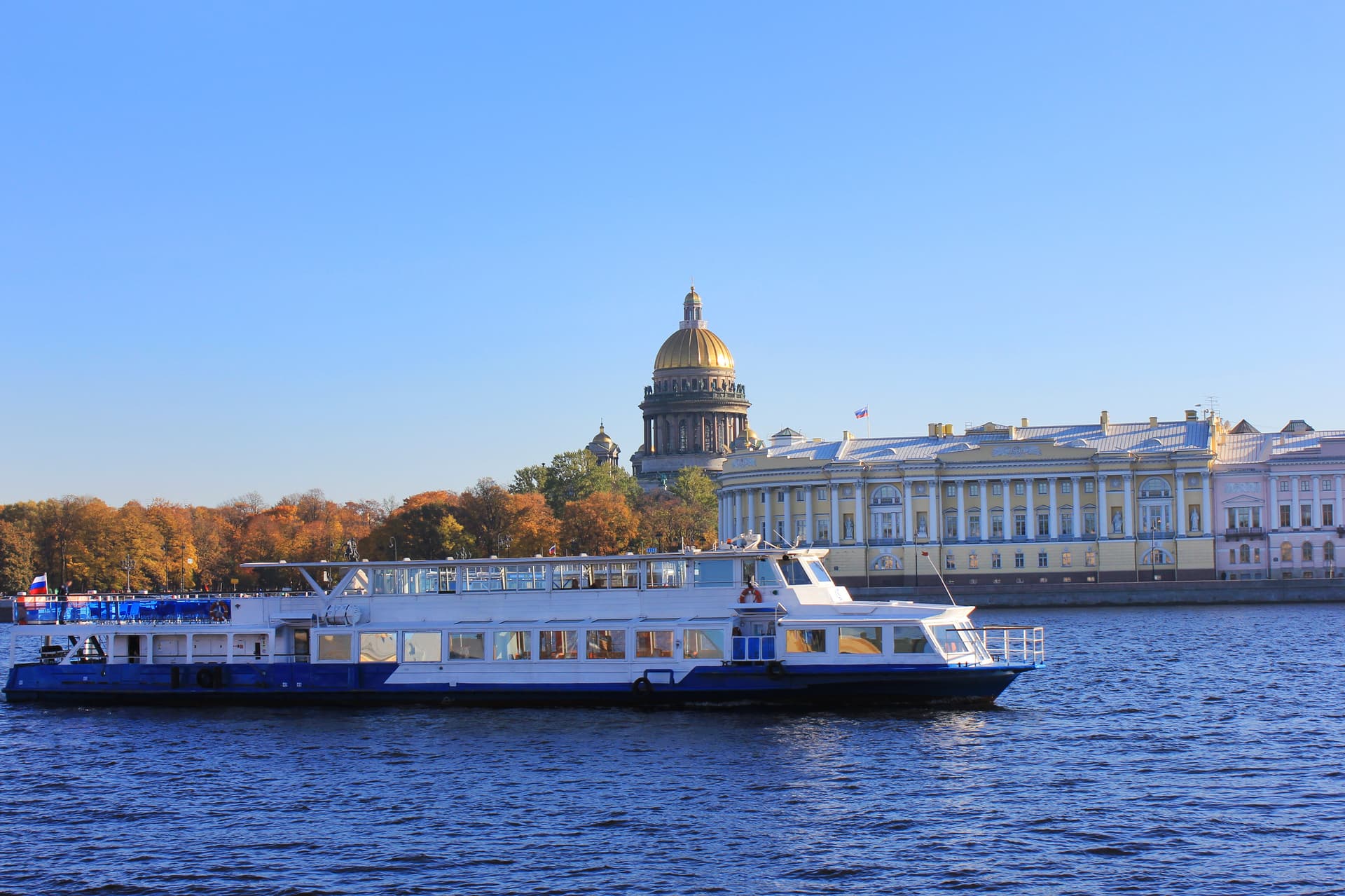
Much of Saint Petersburg's cultural heritage is concentrated along the Neva's shores. On the south bank stand the Winter Palace and the Hermitage Museum, the Admiralty, and several 18th-century palaces. On Zayachy Island opposite sits the Peter and Paul Fortress, the city's first structure and the Romanov necropolis. To the west, Vasilievsky Island preserves the historic Stock Exchange and Rostral Columns.
Cruises and boat excursions
From late spring through autumn, companies offer shuttle services and cruises departing from central quays. Routes traverse the Neva as well as the Moyka, Griboyedov, and Fontanka canals, offering another perspective on the city. Plan for 1 to 2 hours for a standard circuit, longer for hydrofoil connections to Peterhof.
Drawbridges in summer
Each night from April to November, the Neva's main bridges open to allow cargo ships passing between the Baltic and Lake Ladoga. The Palace Bridge (Dvortsovy Most), with the Peter and Paul Fortress spire in the background, has become the emblematic image of Saint Petersburg during the White Nights season.
Winter activities
From December to March, the Neva partially freezes over. The ice permits ice skating, snowmobiling, dog sledding on certain designated sections, and ice fishing—a popular local sport. On markets in northern neighborhoods, the season also brings the sale of koryushka, a local smelt whose arrival signals spring.
When to visit
The busiest season runs from June to August. The White Nights, from late May to mid-July, extend daylight past midnight and coincide with evening cruises and the spectacular opening of drawbridges. May and September offer an interesting balance between pleasant temperatures and fewer crowds. Winter, more severe, reveals another face of the river—frozen and silent—provided you accept temperatures that can drop below -15°C.
Practical information
- Access: the main piers are located near the Winter Palace, Anichkov Bridge, and the Admiralty, all within walking distance of Admiralteyskaya or Nevsky Prospekt metro stations.
- Duration: allow a half-day to combine a riverside walk and a river cruise.
- Rates: cruises are moderately priced; canal tours are generally less expensive than trips on the Neva itself.
- Safety: in winter, venture onto the ice only in marked areas or with a local guide.
Nearby attractions
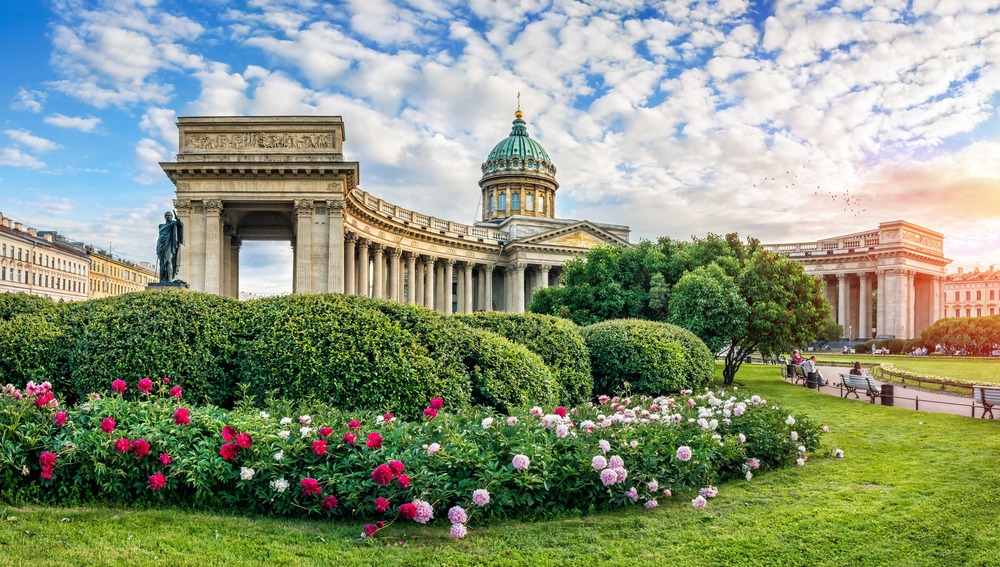
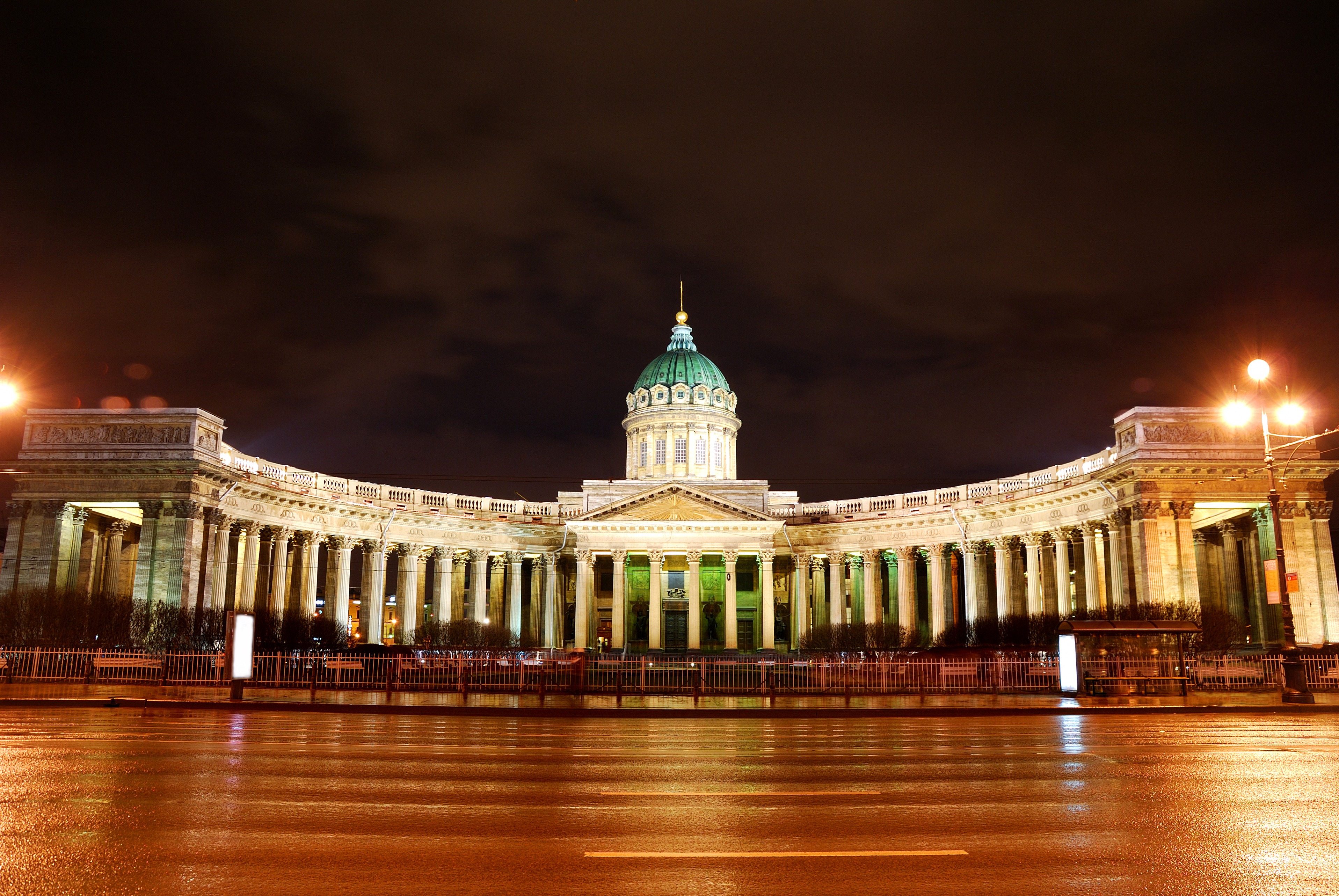
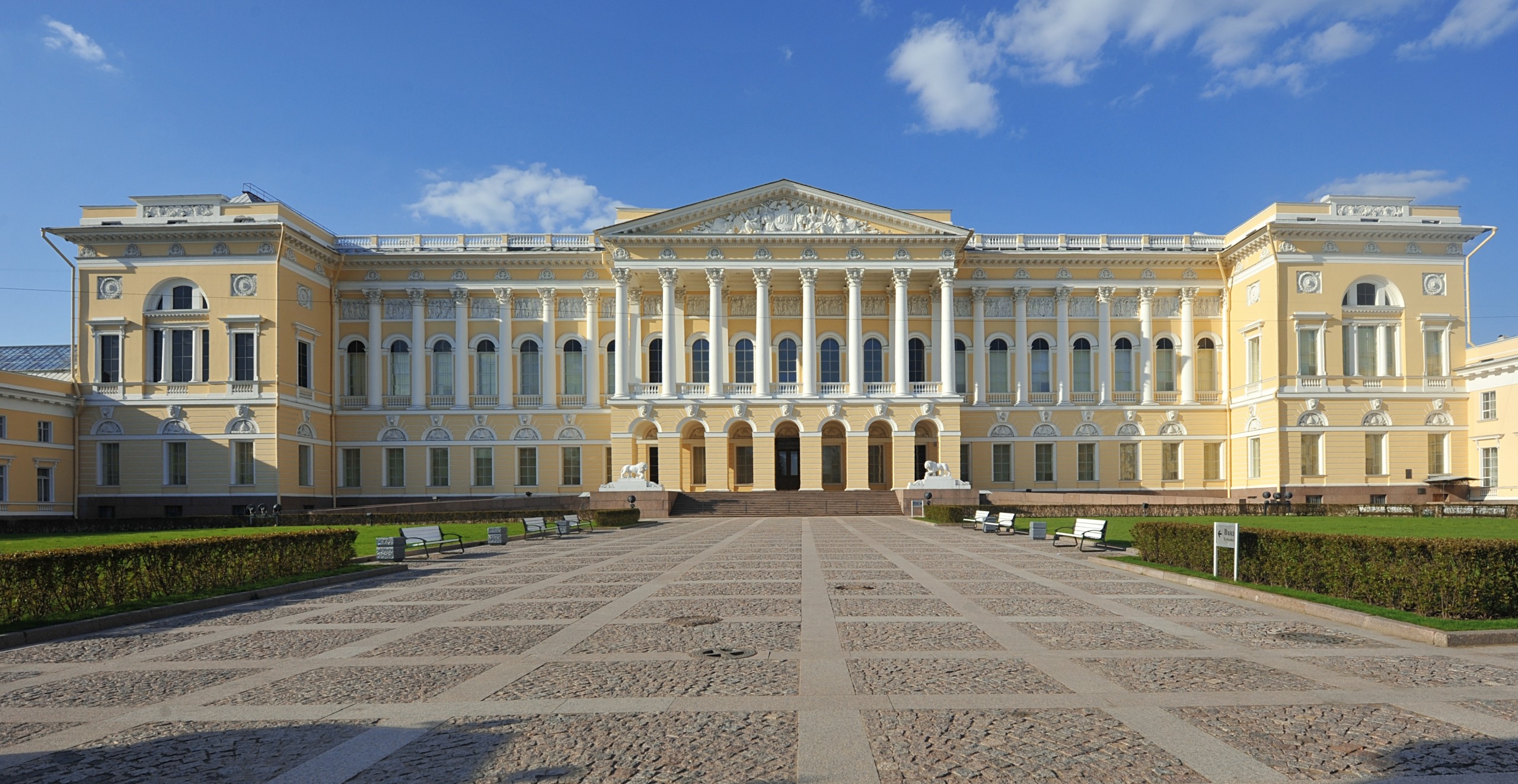
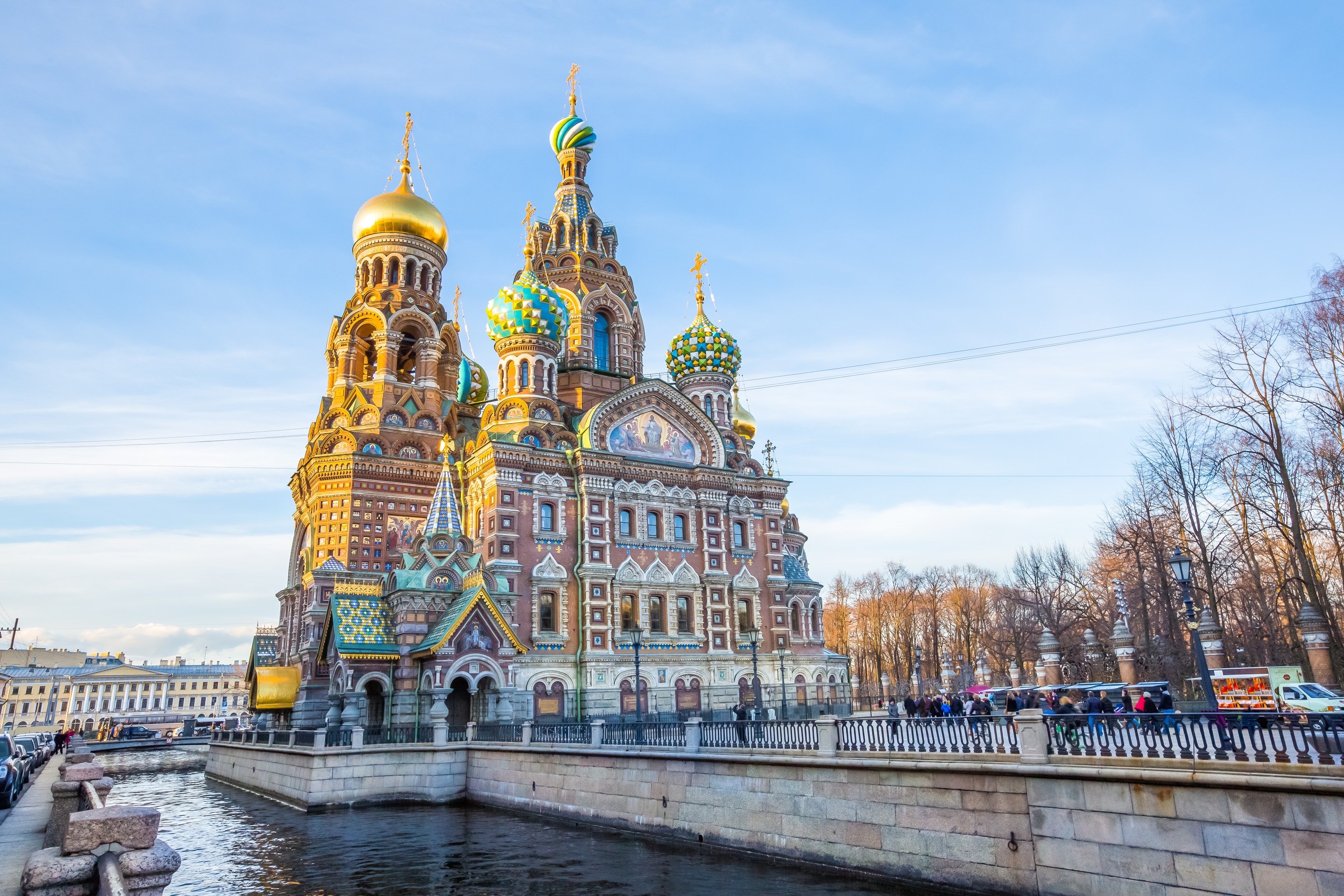
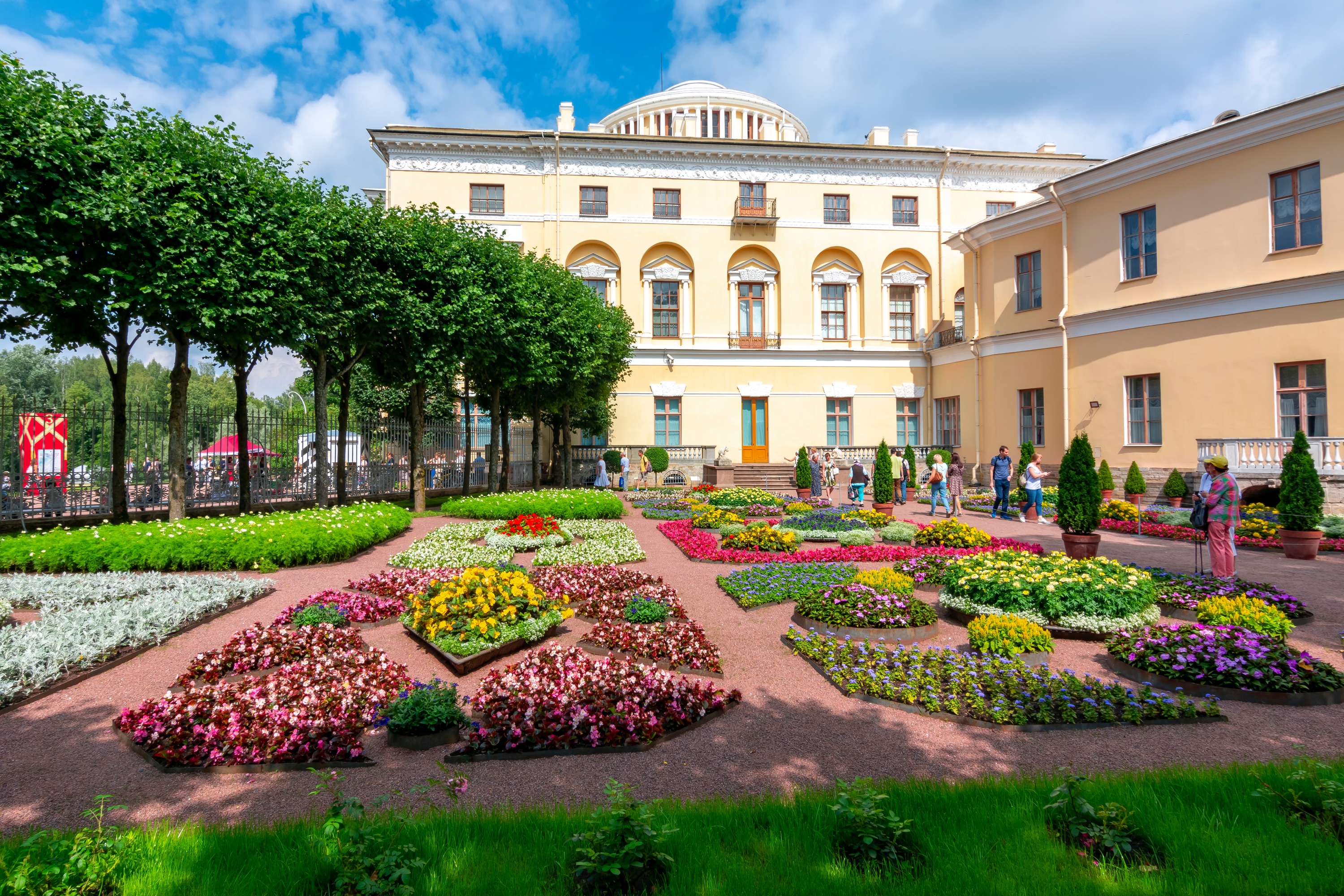
The Neva's banks provide direct access to several major Saint Petersburg sites. A few hundred meters from the river stand Saint Isaac's Cathedral and the Kazan Cathedral, two of the most visited religious buildings. Along the Griboyedov Canal, the Church of the Savior on Spilled Blood can be reached on foot in minutes. To extend your visit, the Russian Museum is located in the immediate vicinity, and a day excursion allows you to reach Pavlovsk Palace south of the city.
Frequently asked questions
Frequently asked questions
Technically, the Neva is a river: it flows directly into the sea, specifically the Gulf of Finland, which belongs to the Baltic Sea. The term "stream" is sometimes used colloquially, but the correct hydrological classification is river.
From late May to mid-July, during the White Nights, when daylight persists late into the evening and the bridges open at night. June and July are the busiest months.
Yes, on certain sections during deep winter, when ice thickness is sufficient. It is recommended to venture only to areas frequented by local residents or with local accompaniment, as ice thickness varies due to currents.
About twenty bridges span the main river and its tributaries within the city. The most famous, such as the Palace Bridge or the Trinity Bridge, are drawbridges that open each night during the navigation season.
The origin is debated, but the name is attested long before the founding of Saint Petersburg. It was the Battle of the Neva in 1240 that brought it into Russian history, giving Prince Alexander Nevsky his epithet.
Plan your trip
The Neva serves as a natural thread for exploring Saint Petersburg and Russian imperial heritage. To integrate this destination into a complete itinerary, consult our Russia tours.
Nearby
Interested in this visit?
We can include it in your personalised itinerary.