Practical information Russia
Preparing a trip to Russia requires more advance planning than most European destinations, and our team based in the capital has compiled here the information that comes up most frequently in our exchanges with English-speaking travelers. You'll find detailed information on visa formalities, currently mandatory for French nationals with an invitation letter to provide, as well as recommended vaccinations depending on the regions you visit, particularly for Siberia and the Caucasus. Budget-wise, plan for between 90 and 150 euros per day and per person excluding international flights, for comfortable accommodation, with a ruble that remains volatile and should be exchanged locally rather than in France. We also detail the climate variations by region, knowing that a trip to Moscow in January at minus twenty degrees and a cruise on the Volga in July at over thirty degrees don't call for the same luggage. Transport plays an important role: the railway network remains the backbone of the country, with the fast Sapsan between Moscow and Saint Petersburg, comfortable overnight trains to Kazan or Yekaterinburg, and of course the Trans-Siberian for longer journeys. Finally, we cover daily safety, local customs to know for monastery visits, tipping in restaurants, and the currently complex payment methods for foreign cards.
Plan your trip by theme
Explore our practical guides organized by category to quickly find the information you need.
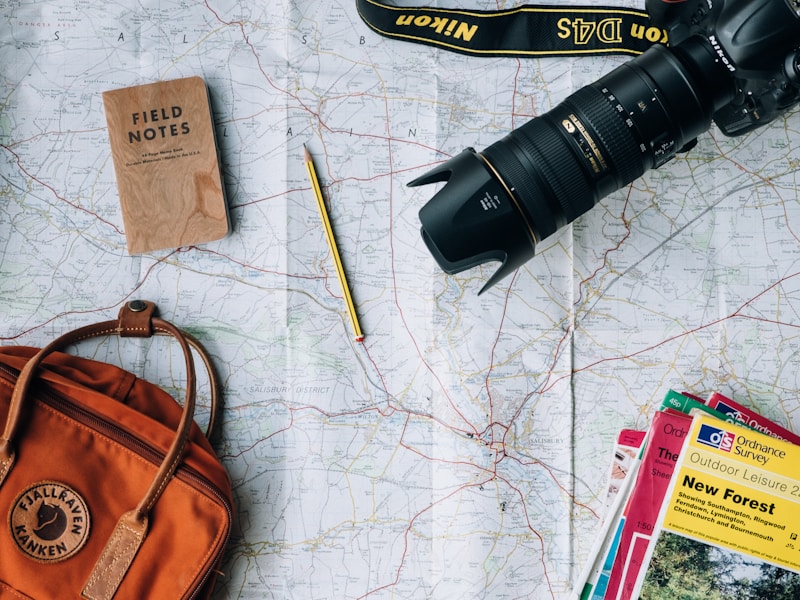
Before You Go
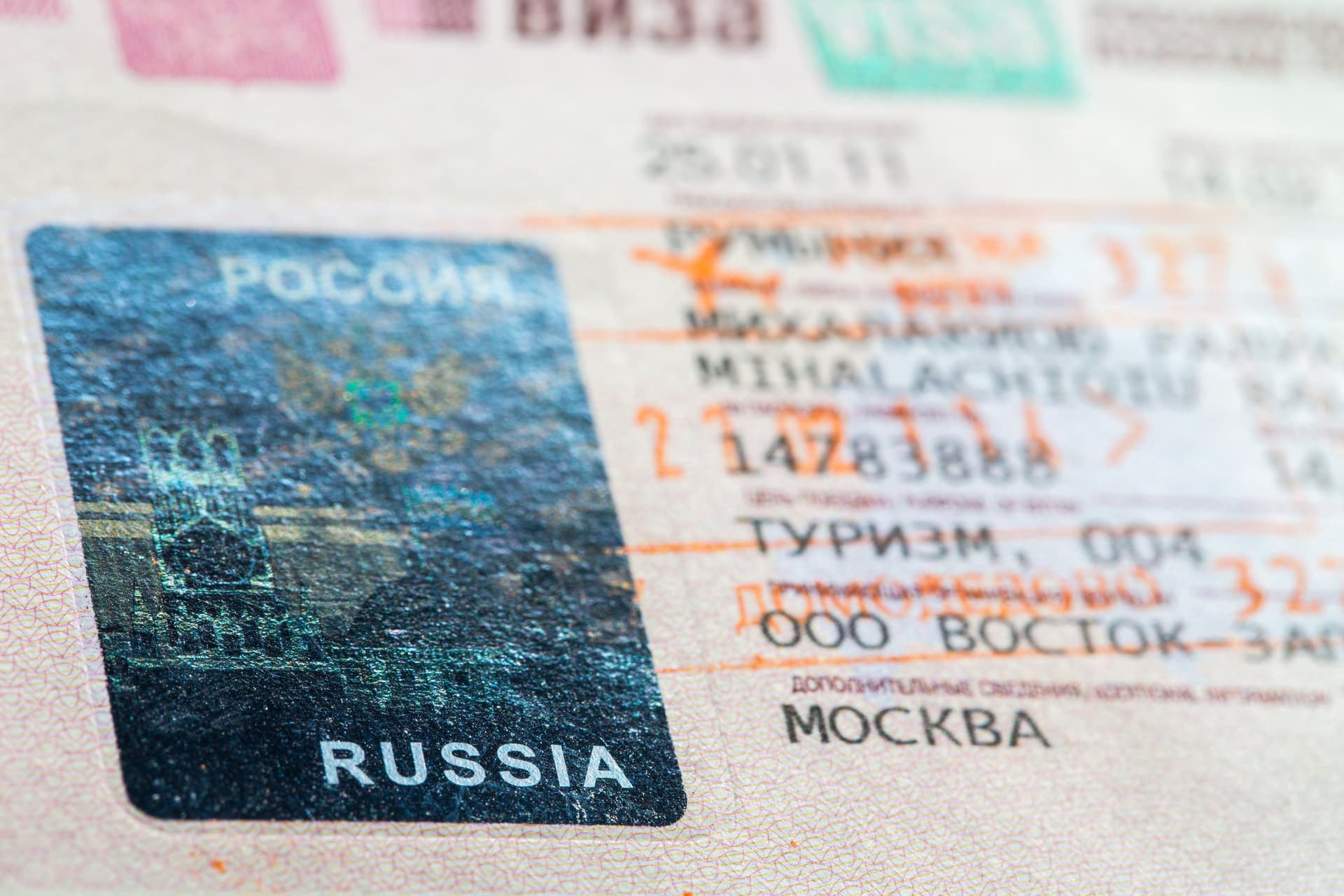
Russian visa required with invitation letter, valid passport for 6 months, comprehensive travel insurance, formalities to be arranged two months before departure.
4 articles
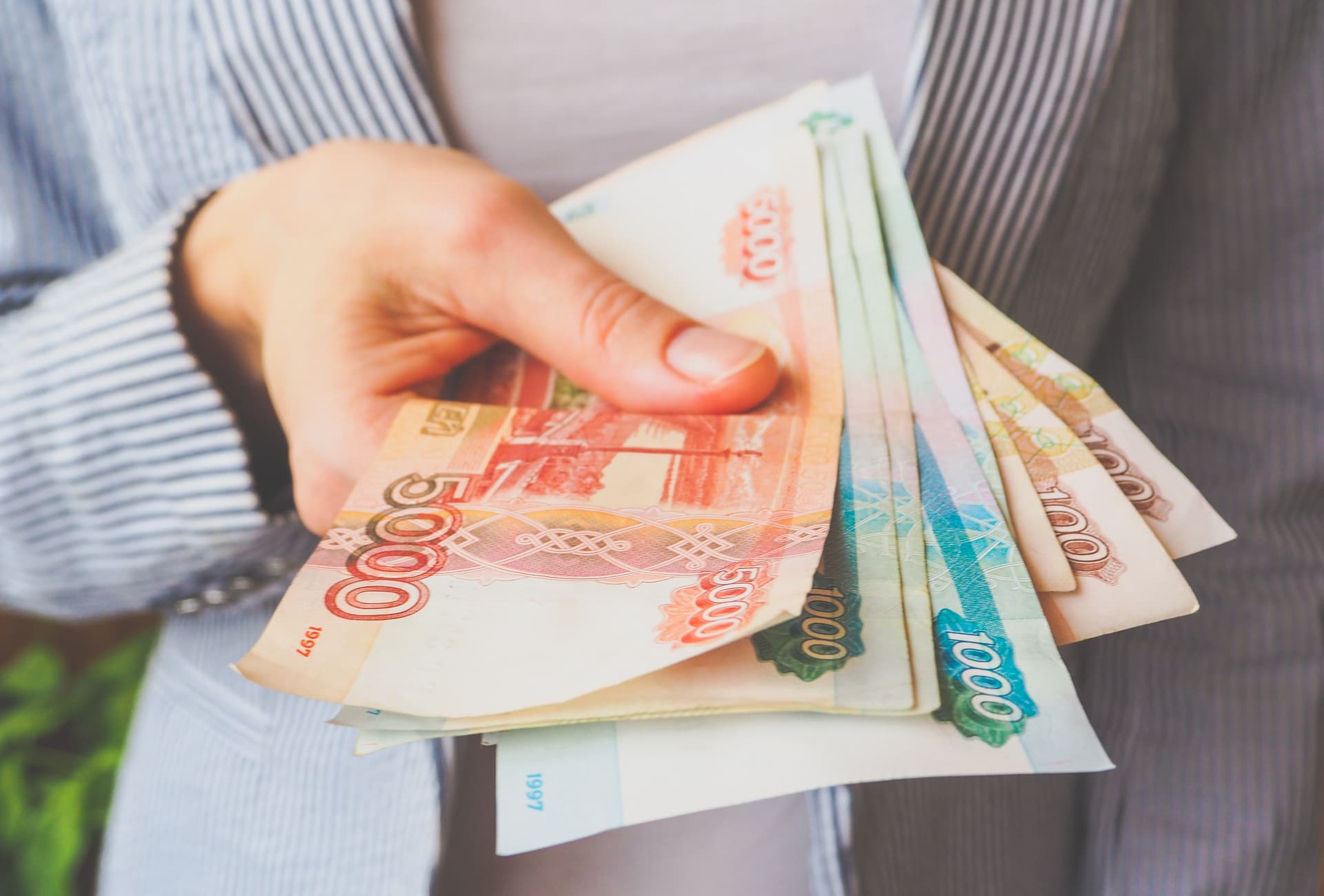
Money Budget
Russian ruble, exchange on-site only, 90 to 150 euros per day per person, cash payments predominantly used today.
1 article
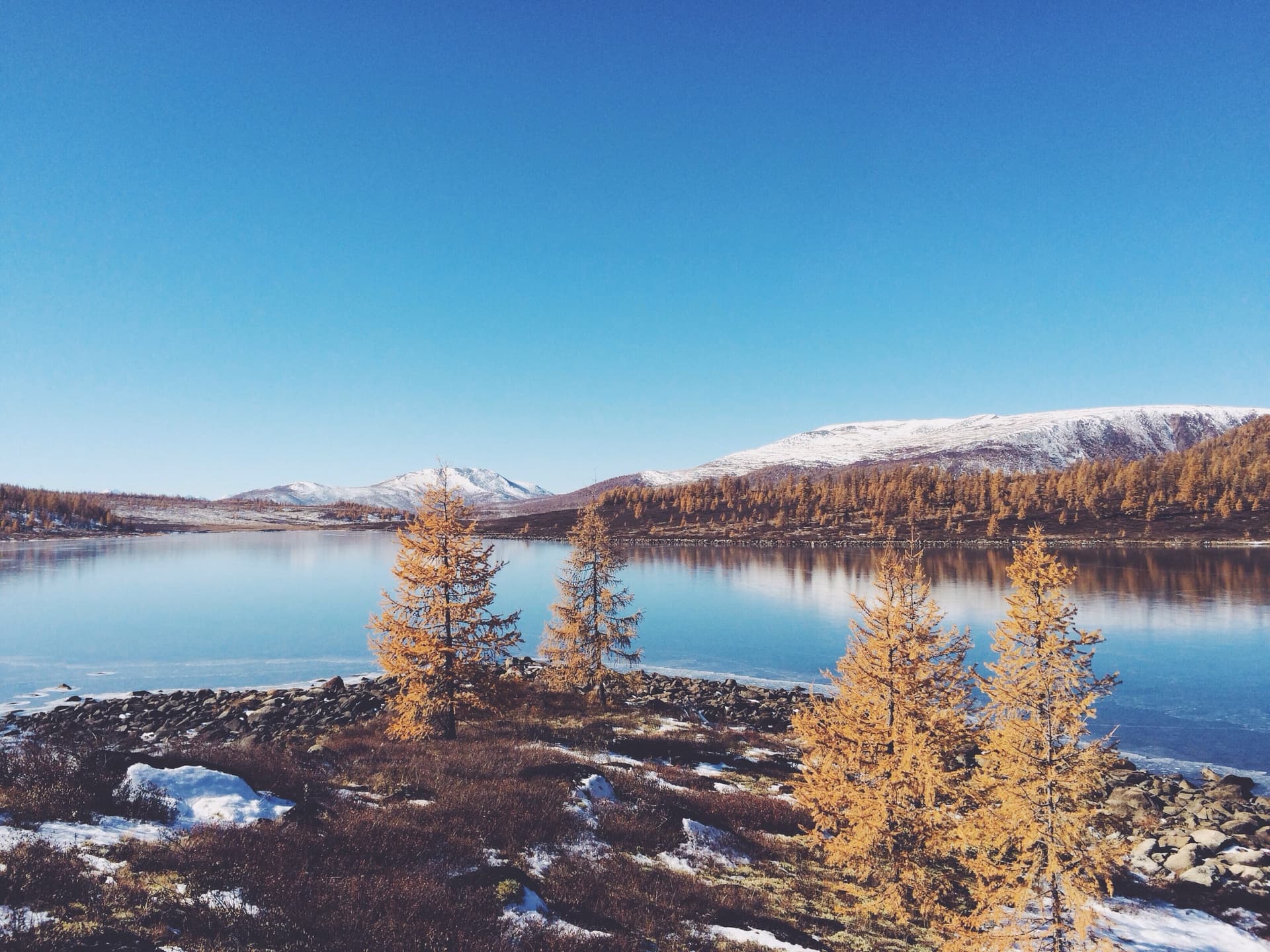
Climate Season
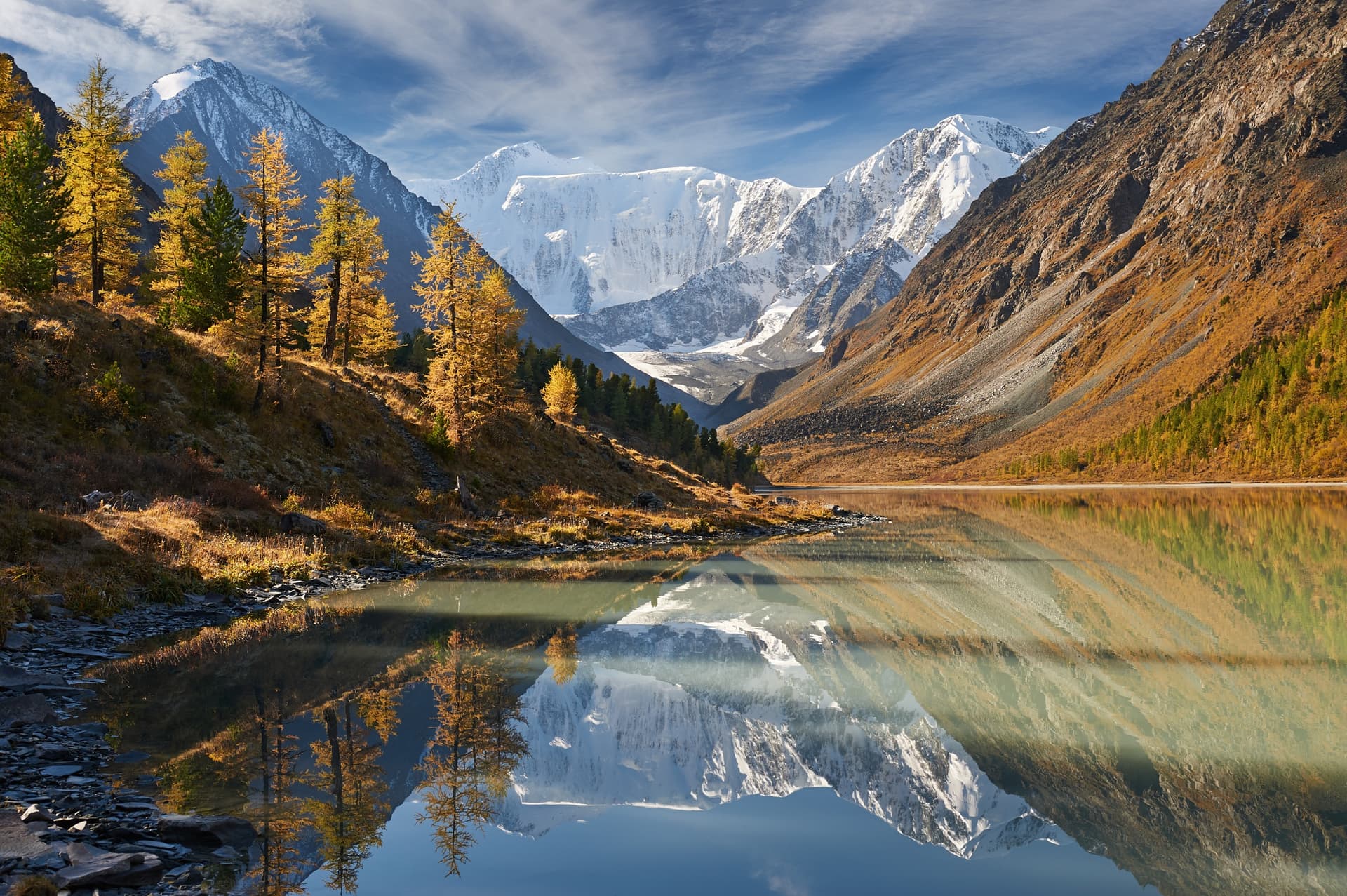
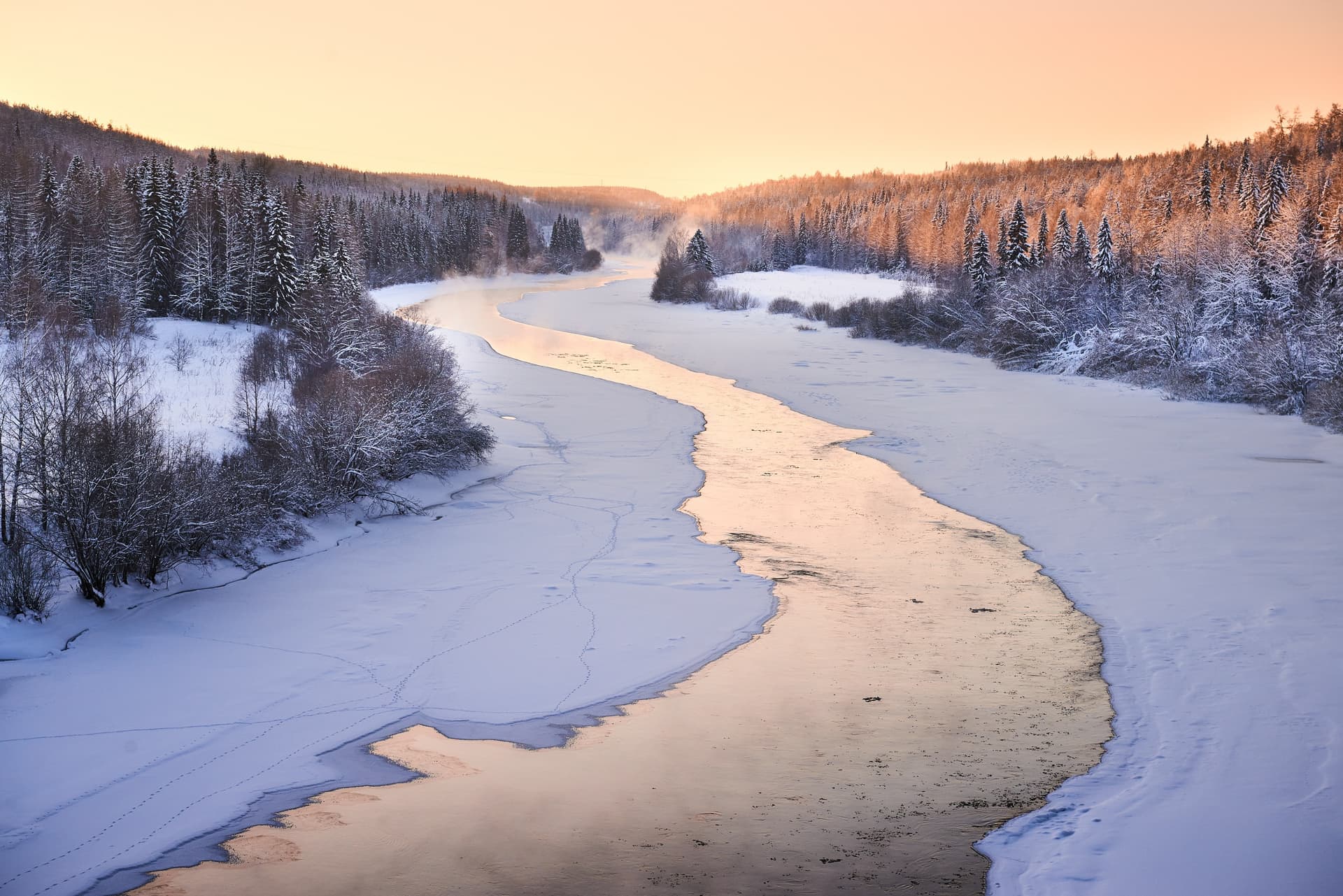
Short and mild summers from May to September, harsh winters down to minus thirty, significant variations between Moscow, Siberia and the Caucasus.
2 articles
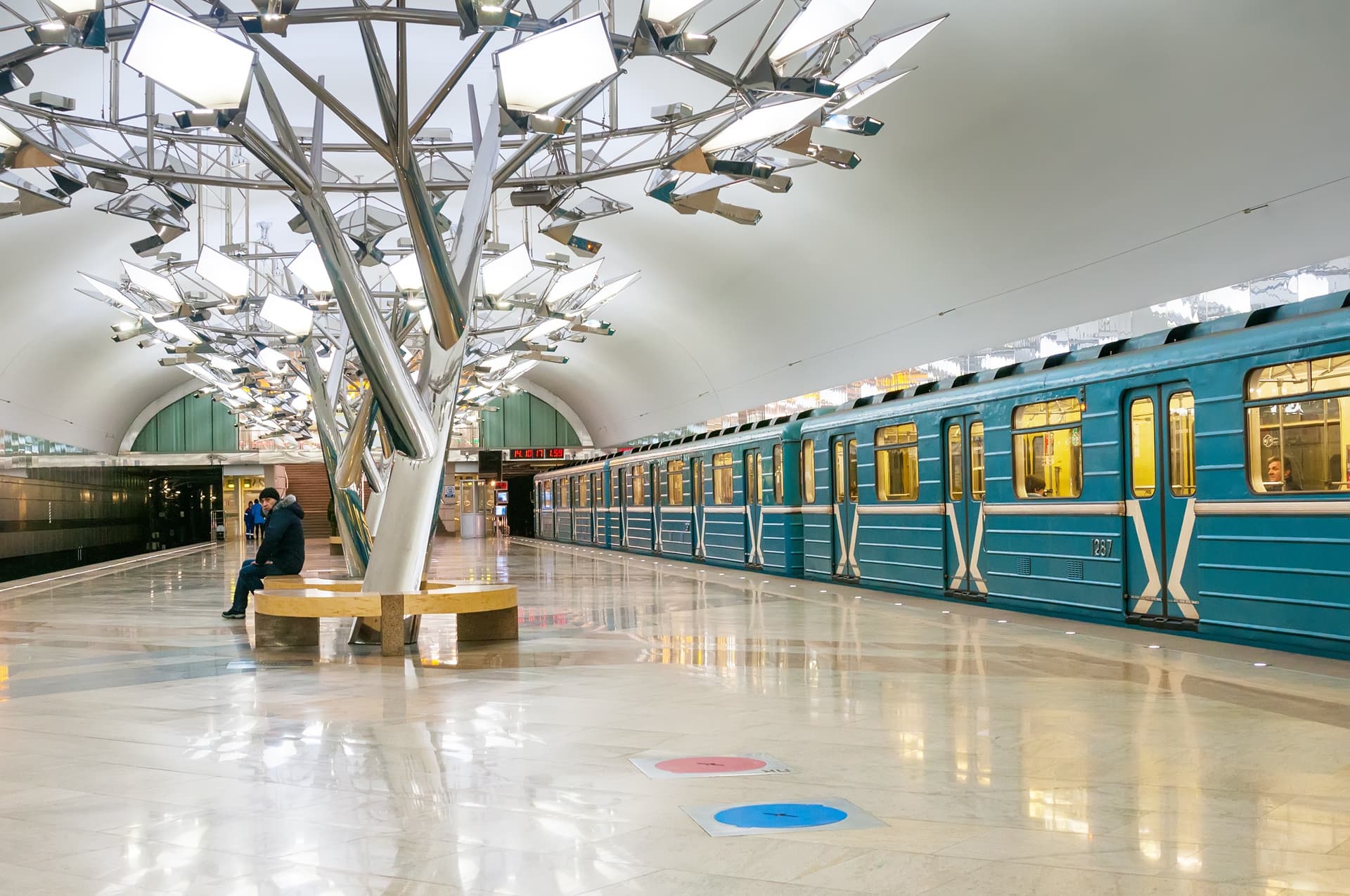
Transports
Royal train of the country, Sapsan high-speed train, Trans-Siberian long-haul journey, domestic flights to Siberia, private car recommended for the Golden Ring.
1 article
Culture
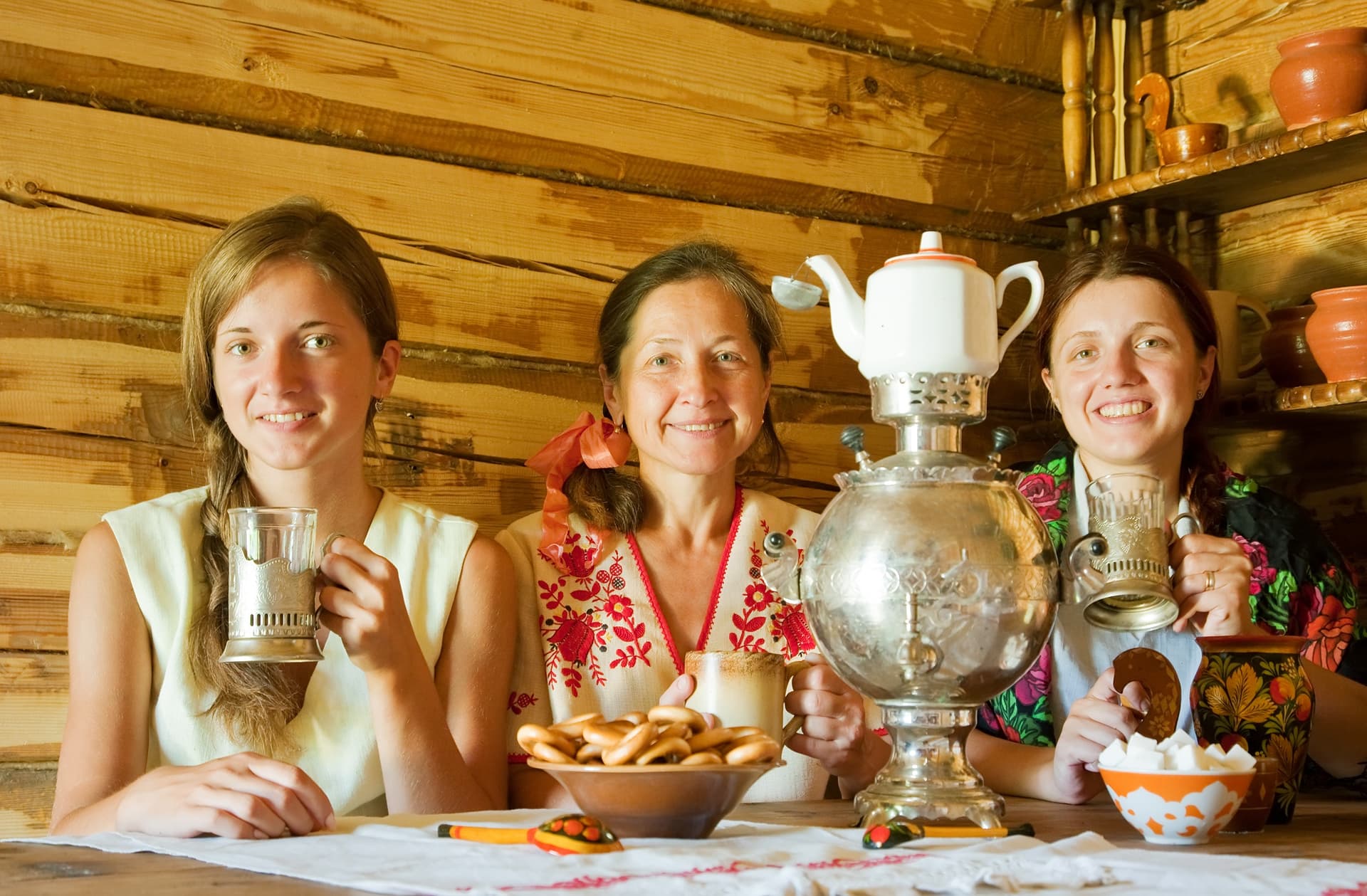
Scarf and skirt in Orthodox monastery, removing shoes at a local home, obligatory toast at meals, reserved greetings, religion respected.
7 articles
Useful Tips
Good safety in cities, tap water to avoid, European outlets, good connectivity in cities, VPN useful, foreign cards don't work.
1 articleAll practical guides
Search and filter among 16 articles


16 of 16 results
Frequently asked questions
The answers to the most frequently asked questions from our travellers.
Yes, a Russian visa remains mandatory for French citizens and the procedure has become stricter since 2022. You must present an official invitation letter, which we provide to our travelers as part of your booked trip. The application is submitted at the VFS Global center in Paris, Marseille, Strasbourg or Lyon, with a processing time of 10 to 20 business days. A single-entry tourist visa costs approximately 80 euros, excluding service fees. Your passport must be valid for 6 months after your return date and have two blank pages facing each other. We recommend starting the procedure 6 to 8 weeks before departure to allow for any administrative delays.
No vaccinations are mandatory to enter Russia, but our team recommends staying up to date on DTP, hepatitis A and B, and typhoid fever if you travel outside major cities. For Siberia and the Urals between May and September, tick-borne encephalitis is worth discussing with your doctor, especially if you plan forest hikes and camping. Rabies is present in rural areas, and vaccination is advised for long or multi-destination trips. There is no malaria or yellow fever on the territory. A consultation at an international vaccination center 6 weeks before departure allows you to tailor recommendations based on your specific itinerary and medical history.
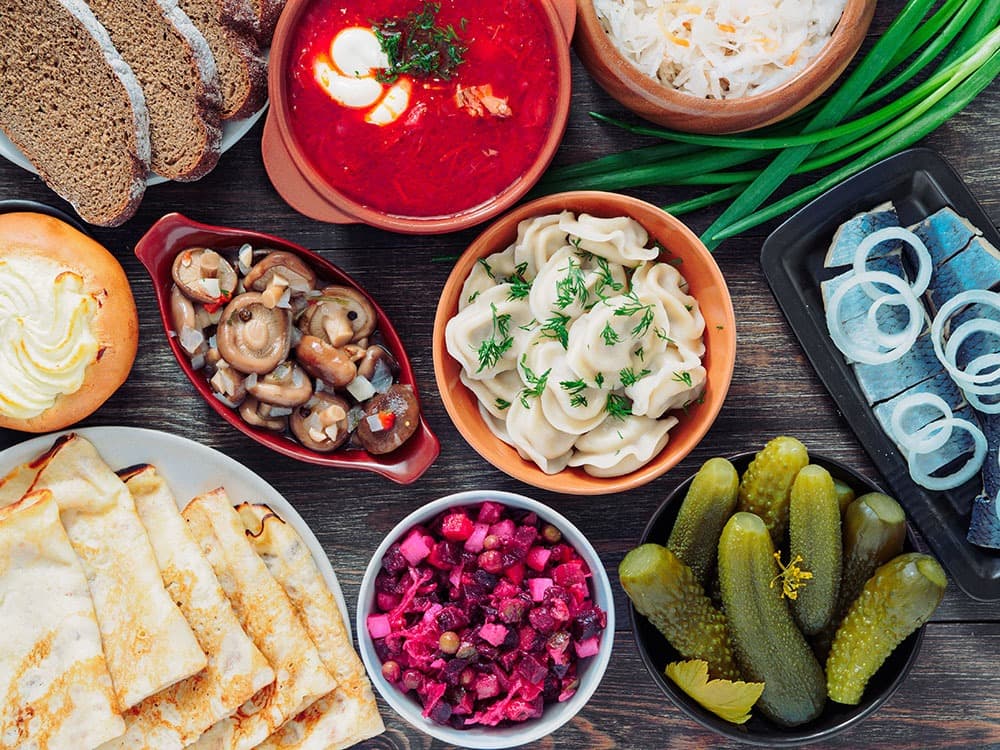
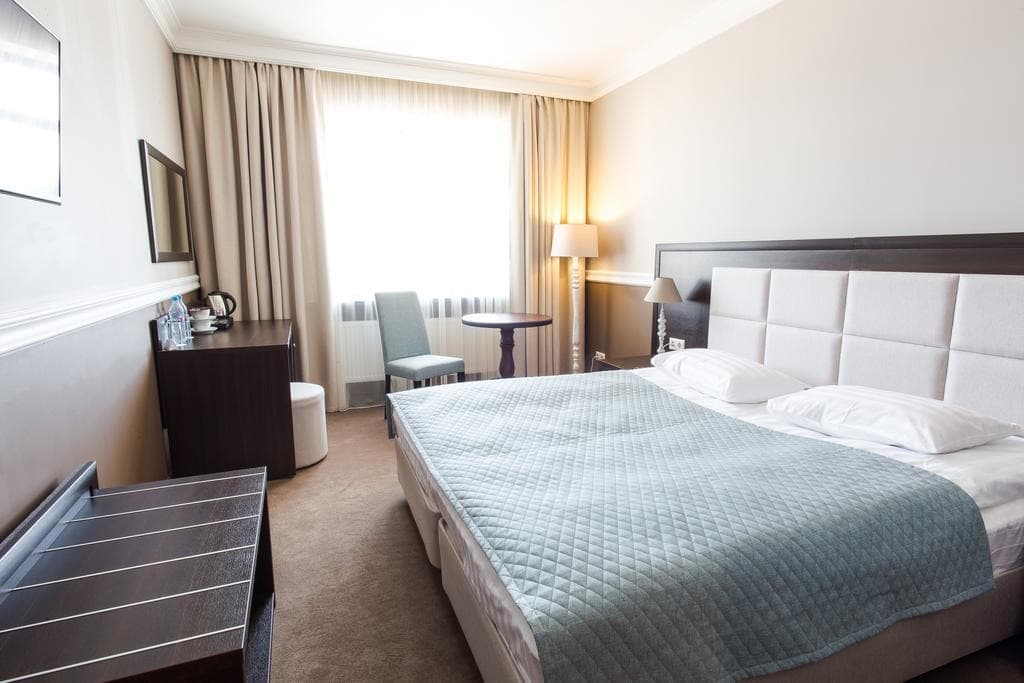
Budget between €90 and €150 per day per person excluding international flights, based on comfortable 3 or 4-star accommodation, internal transport, site entrance fees and half of meals. A central double room in Moscow costs around €70 to €110, a decent dinner €15 to €25 per person, entry to the Hermitage €8. The Trans-Siberian in second class is approximately €150 for Moscow-Irkutsk. Important: foreign Visa and Mastercard cards no longer work in Russia, plan to bring the full amount in euro notes to exchange on site, at official exchange offices we will indicate.
The most versatile season runs from mid-May to mid-September, with temperatures of 18 to 25 degrees in Moscow and Saint Petersburg, and very long days. Saint Petersburg's white nights, from late May to mid-July, are worth a trip on their own. For Lake Baikal, two windows: July-August for hiking, February-March for translucent blue ice. The Golden Ring is splendid in late September when the birches turn golden. Avoid November and early March, a muddy transition period that's not very photogenic. Deep winter, December to February, remains possible for Moscow and Saint Petersburg if you accept temperatures below minus fifteen and short days of 6 hours.
Train is the backbone of the country and our favorite mode of transport. The Sapsan connects Moscow to Saint Petersburg in 4 hours, with several daily departures from 50 euros. Overnight trains to Kazan, Nizhny Novgorod or Yekaterinburg, in a comfortable 4-berth kupé compartment, are both comfortable and economical. The Trans-Siberian allows for long distances, but we recommend taking sections rather than the entire journey at once. For Eastern Siberia and the Caucasus, flying domestically from Moscow or Saint Petersburg saves time. The Golden Ring is best explored by private car with driver, a flexible option. Moscow's metro remains one of the most efficient in the world.
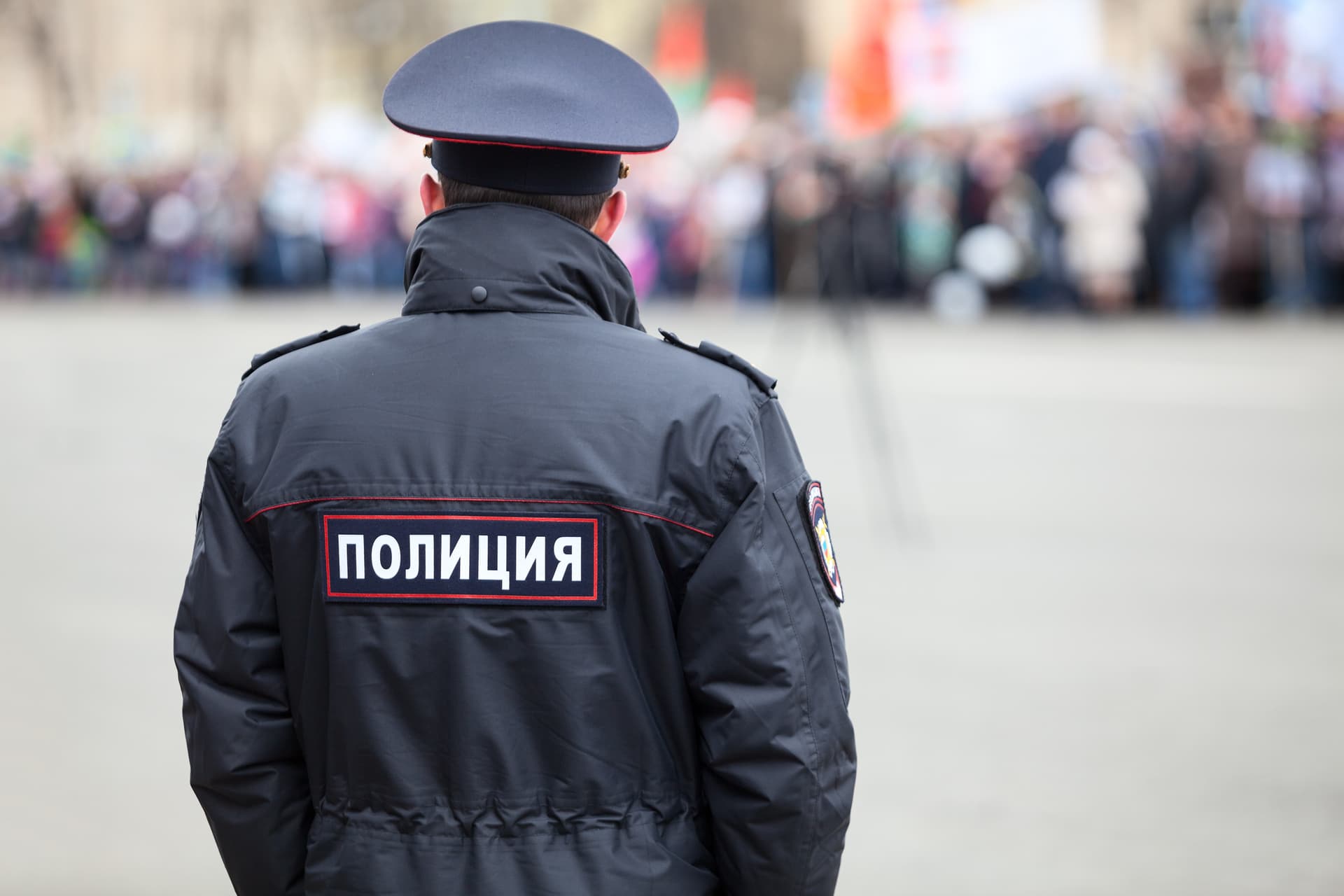
In daily life, major tourist cities remain safe, with moderate street crime and visible police presence. Standard precautions are sufficient: avoid late-night outings involving alcohol, keep your documents with you, and don't display money. The French Ministry of Foreign Affairs strongly advises against travel to border areas with Ukraine and the North Caucasus, particularly Chechnya and Ingushetia. Our team does not offer any itineraries in these zones. For the open regions we operate in, we monitor the situation daily and adjust itineraries if necessary. Extended repatriation insurance is essential, as the private healthcare system is expensive for foreign visitors.
Ready to travel to Russia?
Discover our tailor-made itineraries, designed by our local team. Each route adapts to your pace, your preferences and your travel season.
See our toursWe use cookies to improve your experience and measure our site's audience. You can choose what you accept. Learn more.