Russian Museum
Russian Museum
The world's largest museum of Russian art, the Russian Museum in Saint Petersburg displays 380,000 works across five palaces, from medieval icons to Malevich.
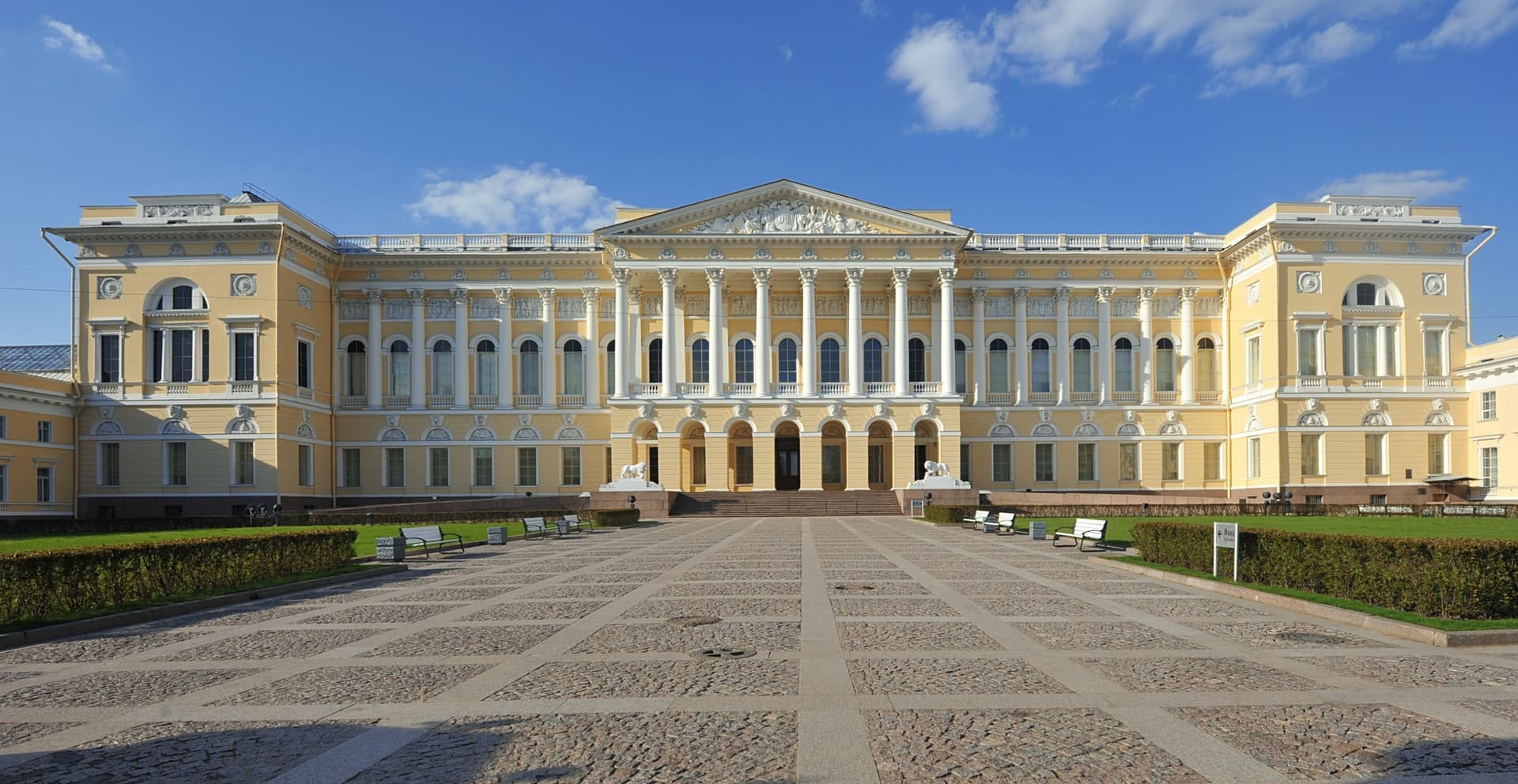
The Russian Museum in Saint Petersburg holds the world's most extensive collection devoted to Russian fine arts, with over 380,000 works distributed across several historic palaces in the city center. From medieval iconography to twentieth-century avant-gardes, it offers a complete panorama of eight centuries of pictorial and sculptural creation in Russia.
Why visit the Russian Museum
Often overshadowed by its neighbor the Hermitage, the Russian Museum nonetheless occupies a unique place in the city's cultural landscape: it is the Saint Petersburg counterpart to Moscow's Tretyakov Gallery, which remained inaccessible to the general public for a long time. Where the Hermitage displays an international collection dominated by European masters, the Russian Museum focuses exclusively on national artists.
- Over 380,000 works: icons, paintings, sculptures, decorative arts.
- A chronological progression from the 12th century to the avant-gardes.
- An exceptional architectural ensemble composed of five palaces.
- Major works such as "The Last Day of Pompeii" by Briullov or seascapes by Aivazovsky.
Museum history
The museum was created on April 13, 1895 by Nicholas II, in tribute to his father Alexander III. The institution was then installed in the Mikhailovsky Palace, near Arts Square, and opened its doors to the public from the outset — a distinction compared to Moscow's Tretyakov Gallery, which remained closed to the general public for many years.
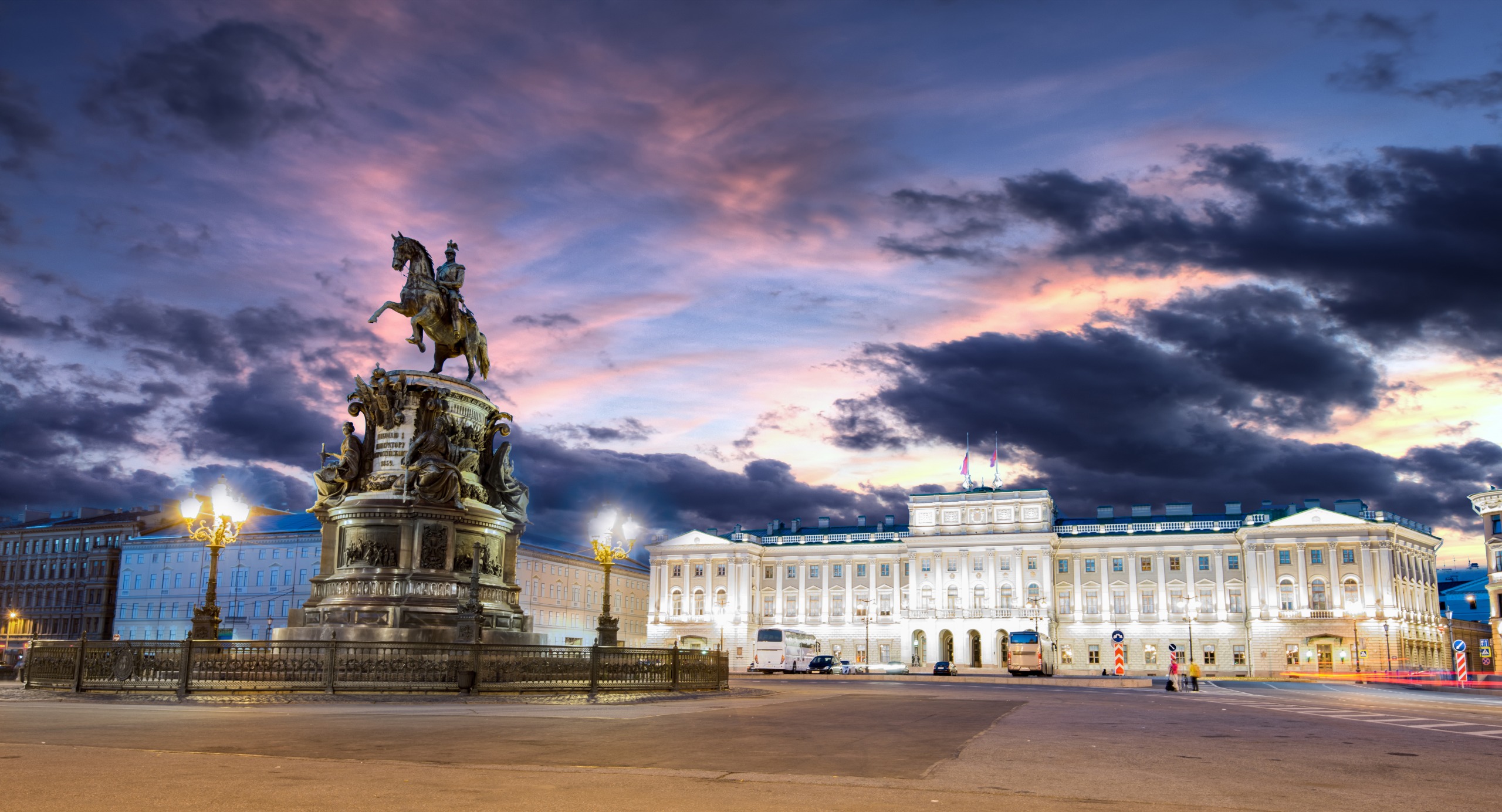
Over the decades, the museum expanded to several imperial and aristocratic residences in Saint Petersburg: the Marble Palace, the Stroganov Palace, Peter the Great's Summer Palace, and the Engineers' Castle (also known as Saint Michael's Castle). The Mikhailovsky complex remains the heart of the museum tour, complemented by the Rossi and Benois wings.
What to see at the Russian Museum
Medieval icons (12th-17th centuries)
The tour begins on the first floor of Mikhailovsky Palace, with works from the schools of Novgorod and Pskov. Notable pieces include "The Angel with Golden Hair" and "Saint George and the Dragon", emblematic works of Russian religious art.
The grand formats of the 19th century
The former banquet hall houses monumental canvases: "The Last Day of Pompeii" by Karl Briullov and the celebrated seascapes by Ivan Aivazovsky, regarded as one of the greatest marine painters of the 19th century.
The Wanderers movement
On the ground floor, rooms dedicated to rural life and the Wanderers movement bring together masterpieces by Ivan Shishkin, Ilya Repin, Vasily Surikov, and Viktor Vasnetsov. The latter, a leader of the Neo-Russian movement, drew inspiration from tales and legends; he also painted several works decorating the nearby Church of the Savior on Spilled Blood.
The Rossi wing: decorative arts
The Rossi wing presents folk arts and traditions: wedding headdresses, wooden toys, costumes, furniture, and reconstructions of traditional dwellings. A room is specifically dedicated to lacquered boxes, adorned with scenes of daily life or ancient legends.
The Benois wing: symbolism and avant-gardes
The Benois wing welcomes the twentieth century and temporary exhibitions. It features works of Symbolism and Art Nouveau, as well as those of the Belle Époque: portraits by Valentin Serov, scenes of life by Boris Kustodiev, religious symbolist paintings by Mikhail Nesterov. The avant-gardes occupy a major place here with Kazimir Malevich, Wassily Kandinsky, Aristarkh Lentoulov, and Natalia Goncharova.
Practical information
The museum is open daily except Tuesday, with extended hours one evening per week. The ticket office closes approximately half an hour before the galleries close. Admission remains reasonably priced; discounted rates apply to students with valid ID, and admission is free for those under 18. Plan for 2 to 4 hours for the Mikhailovsky Palace alone, longer if you wish to visit multiple annexes.
Combination tickets allow you to include the Marble Palace, Stroganov Palace, or Saint Michael's Castle at an advantageous rate. As admission prices and hours are subject to change, it is recommended to check the official website before your visit.
When to visit
The museum can be visited year-round. Crowds are more noticeable during the White Nights (June-July), when Saint Petersburg attracts the largest number of visitors. Winter months and shoulder seasons (October-March outside holidays) offer a quieter experience in the galleries. Try to avoid the first days following the Tuesday closure, traditionally busier times.
How to get there
Mikhailovsky Palace is located on Arts Square, just a short walk from Nevsky Prospect. The nearest metro stations are Gostiny Dvor and Nevsky Prospekt (lines 2 and 3), approximately five minutes on foot. Many bus and trolleybus lines also serve Nevsky Prospect.
What to see nearby
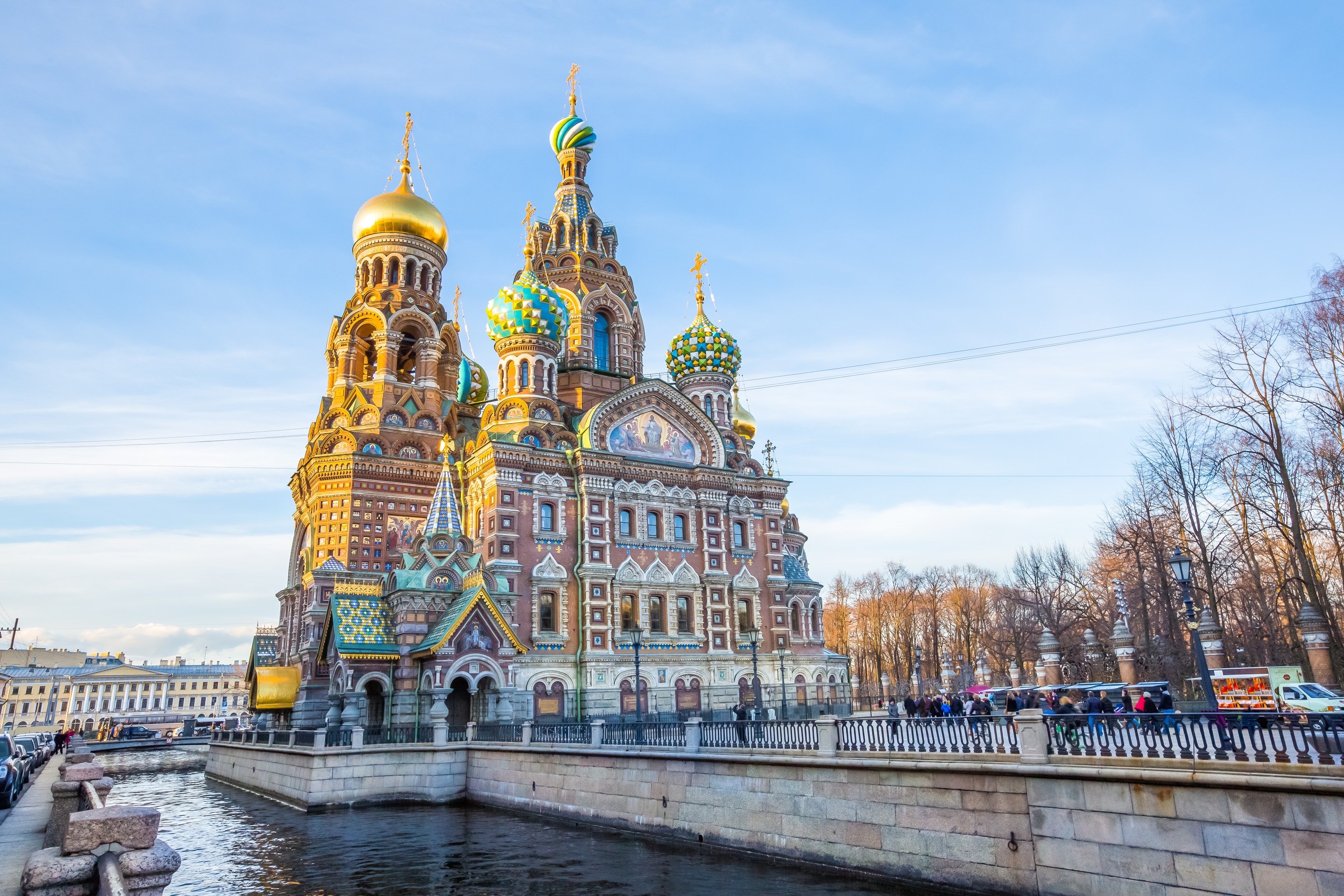
- The Church of the Savior on Spilled Blood, 5 minutes on foot, with several paintings signed by Vasnetsov.
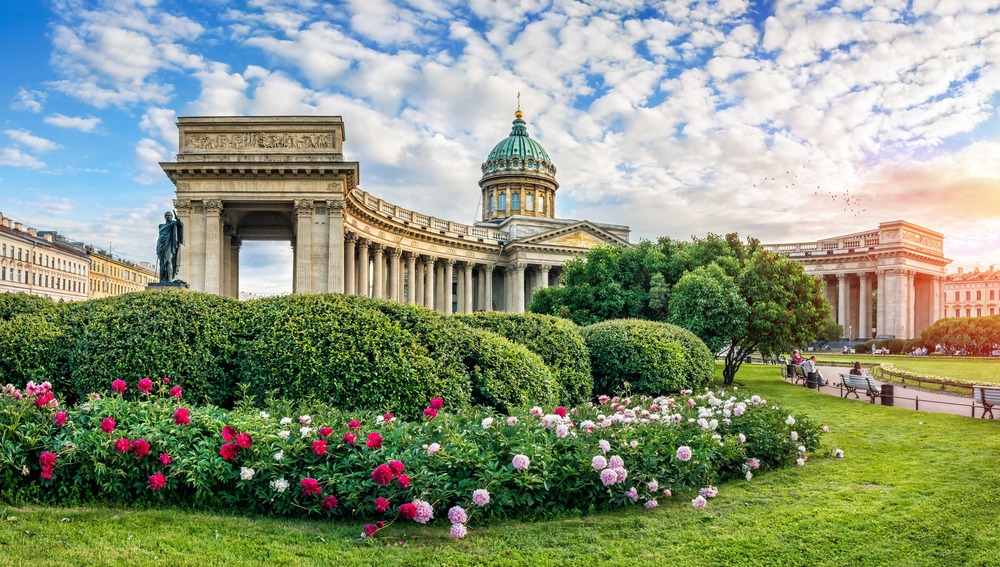
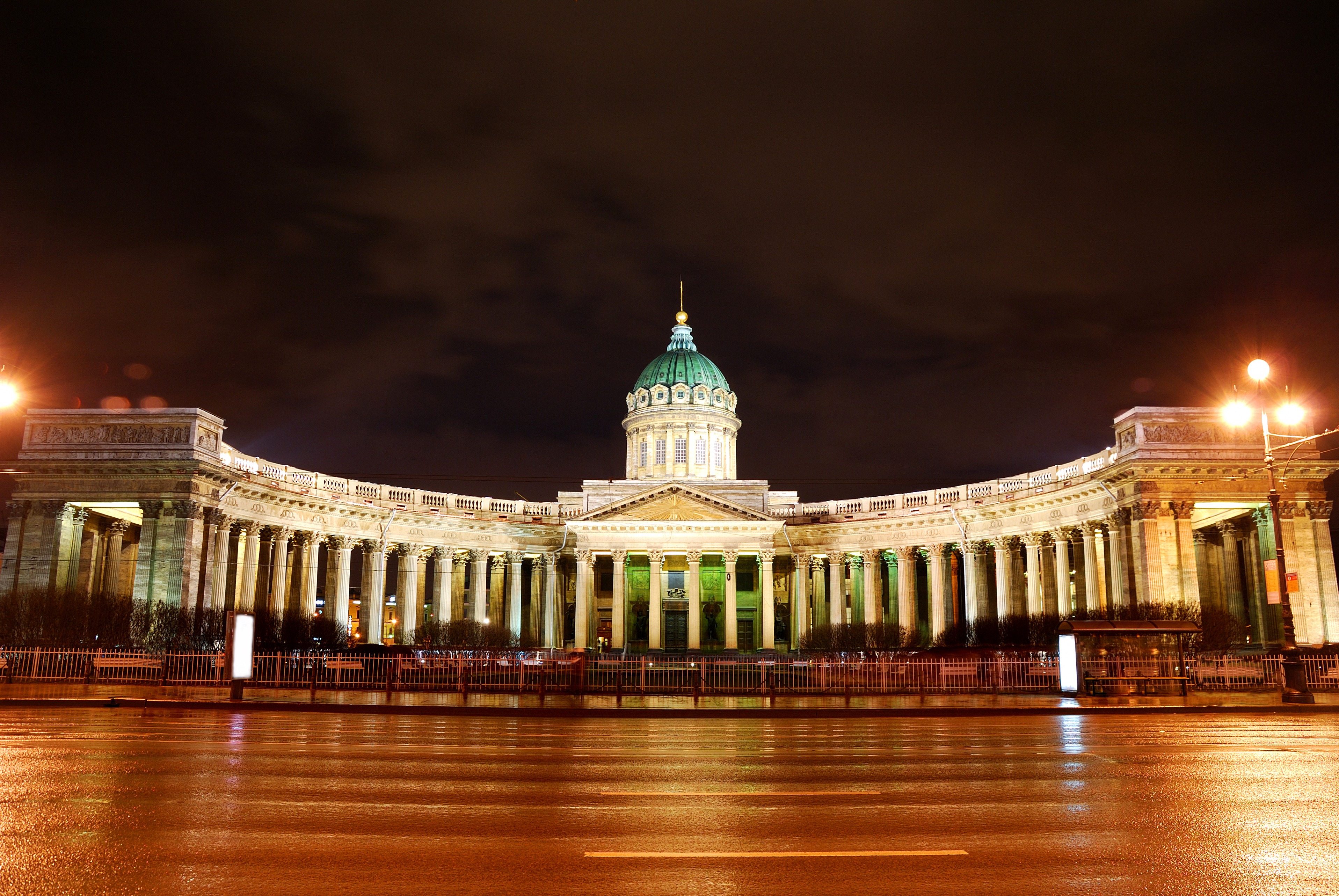
- The Kazan Cathedral, on Nevsky Prospect.
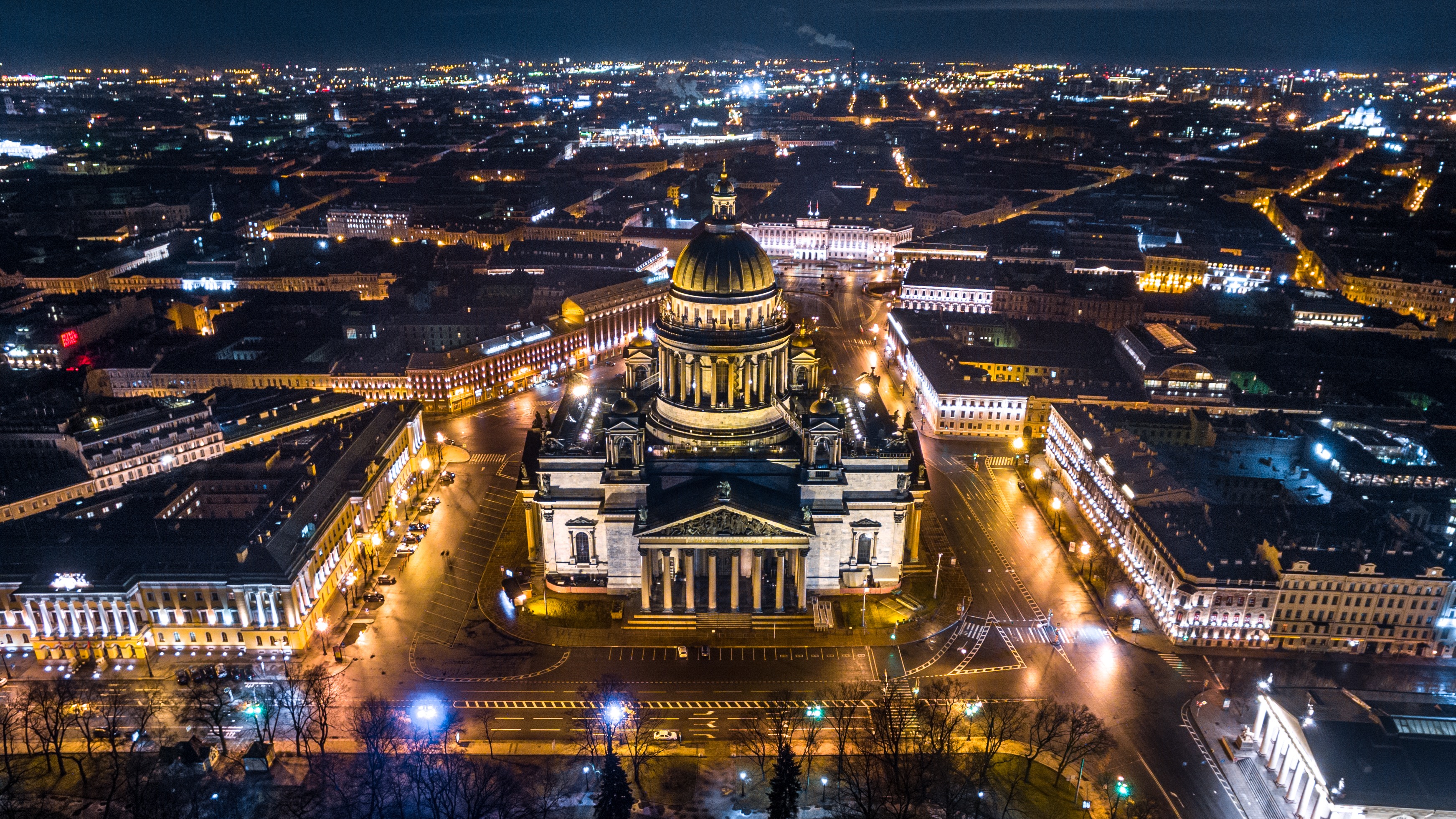
- The Saint Isaac's Cathedral and its city viewpoint.
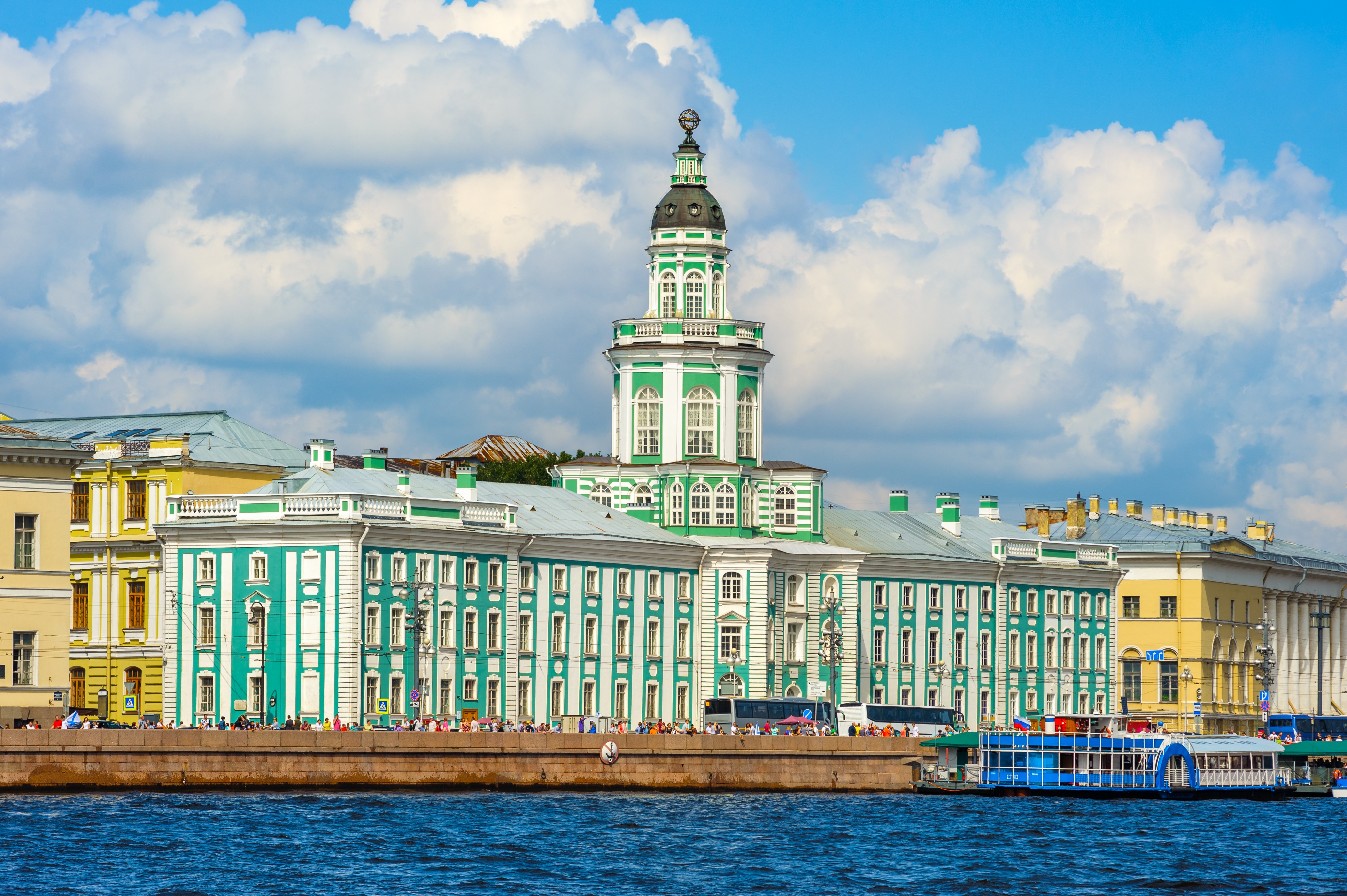
- The Kunstkamera, Russia's first museum, on the other side of the Neva.
Frequently asked questions
Frequently asked questions
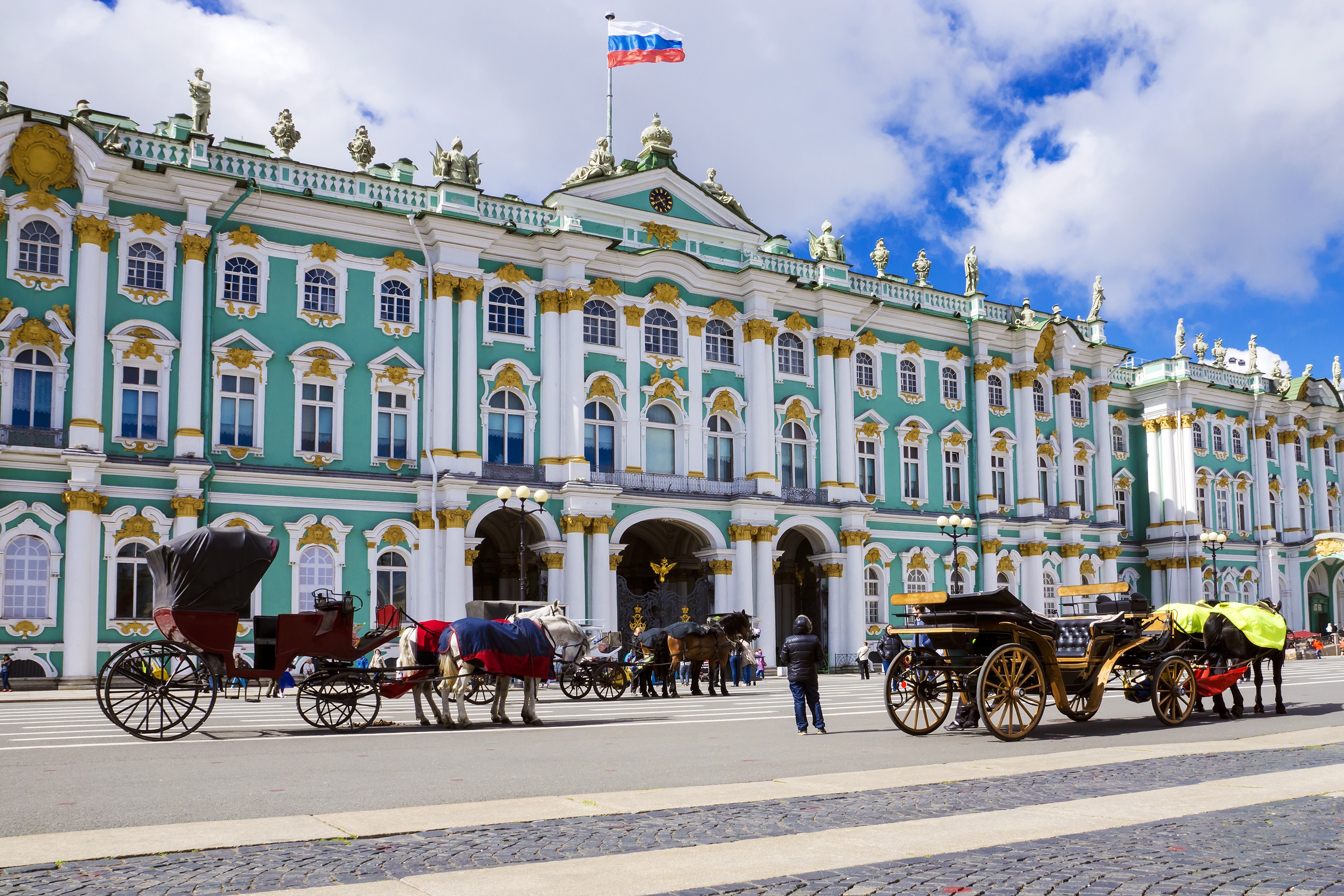
The Hermitage presents an international collection dominated by European masters (Leonardo, Rembrandt, Matisse). The Russian Museum is devoted exclusively to Russian art, from the 12th century to the avant-gardes of the 20th century. The two institutions are complementary.
Plan 2 to 4 hours for Mikhailovsky Palace and its Rossi and Benois wings, which constitute the main tour. A thorough visit including several annexes (Stroganov Palace, Saint Michael's Castle) can take an entire day.
Yes, the museum offers group tickets covering several sites in the complex (Mikhailovsky, Marble, Stroganov, Saint Michael's Castle) at a reduced rate compared to separate admission. Inquire at the ticket office or online before your visit.
Preparing your trip
The Russian Museum is an essential stop for understanding the country's cultural identity. To include it in a broader itinerary across Saint Petersburg, Moscow, and the Golden Ring, consult our customized trips to Russia.
Nearby
Interested in this visit?
We can include it in your personalised itinerary.