55 articles to prepare your trip
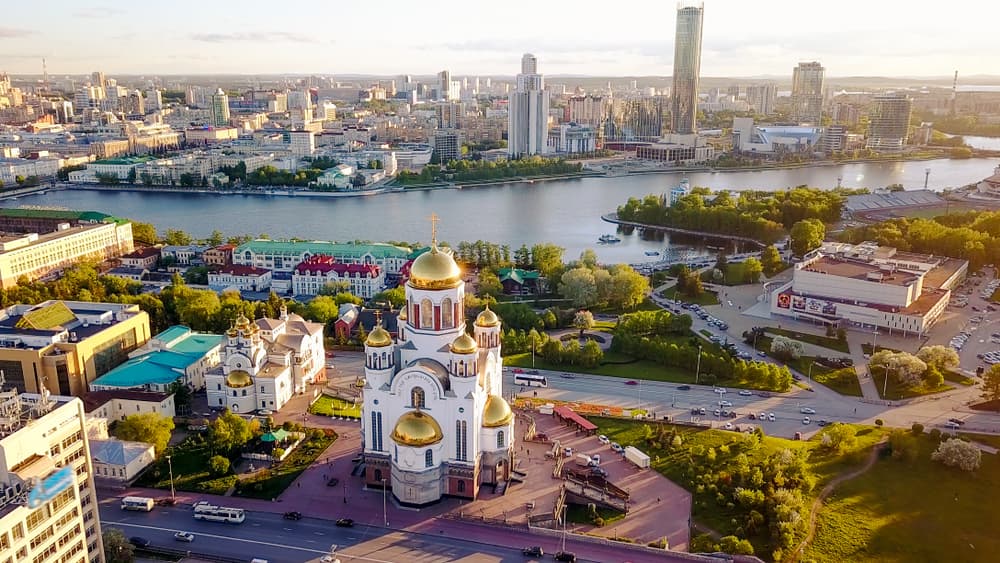
Yekaterinburg, capital of the Urals, blends Romanov heritage, Soviet constructivist architecture and contemporary museums. A historic crossroads between Europe and Asia, a key stop on the Trans-Siberian railway.
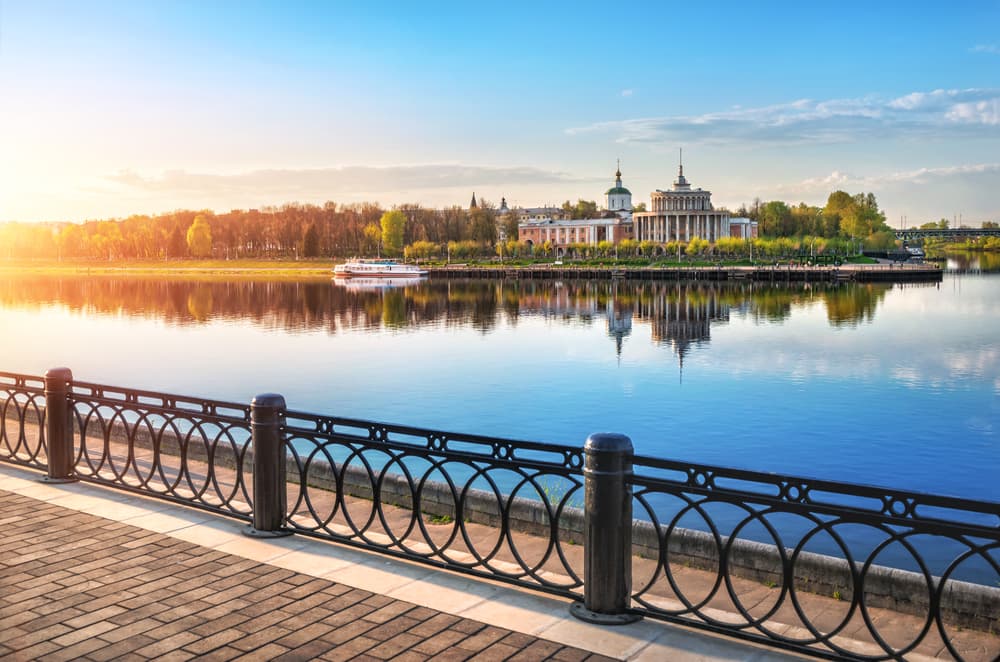
The Volga spans 3,530 km through European Russia, from medieval kremlins in the north to the lotus-dotted Caspian delta. River cruises, cultural stops, and pristine nature along the "Mother Volga."
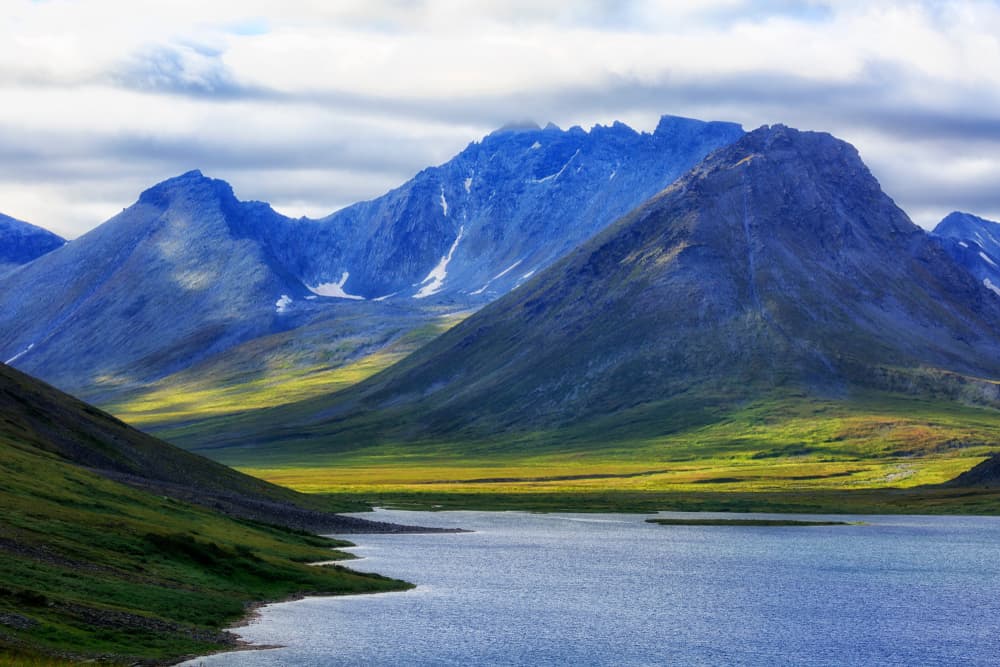
The Ural Mountains trace the border between Europe and Asia over 2,500 km. Taiga, national parks, rare minerals, and industrial history: a varied terrain for exploration, accessible from Yekaterinburg.
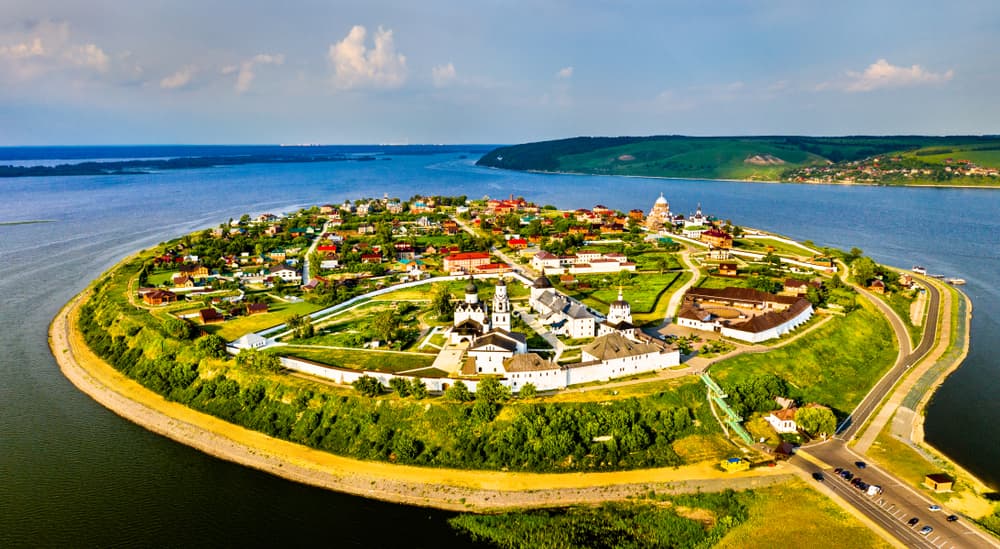
Founded in 1551 by Ivan the Terrible, Sviyazhsk is a UNESCO-listed island-fortress concentrating Orthodox monasteries, medieval frescoes, and Soviet heritage 40 km from Kazan.
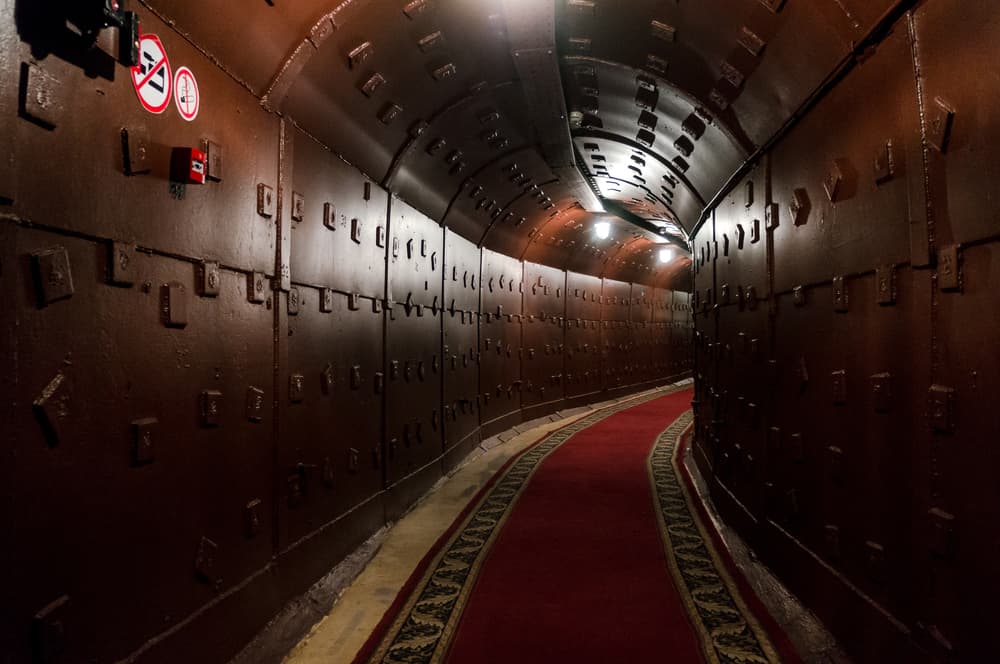
Buried more than 37 meters below Samara, Objekt 42 is the secret bunker built for Stalin in 1942, which remained classified until 1990. A unique museum dedicated to Russia at war.
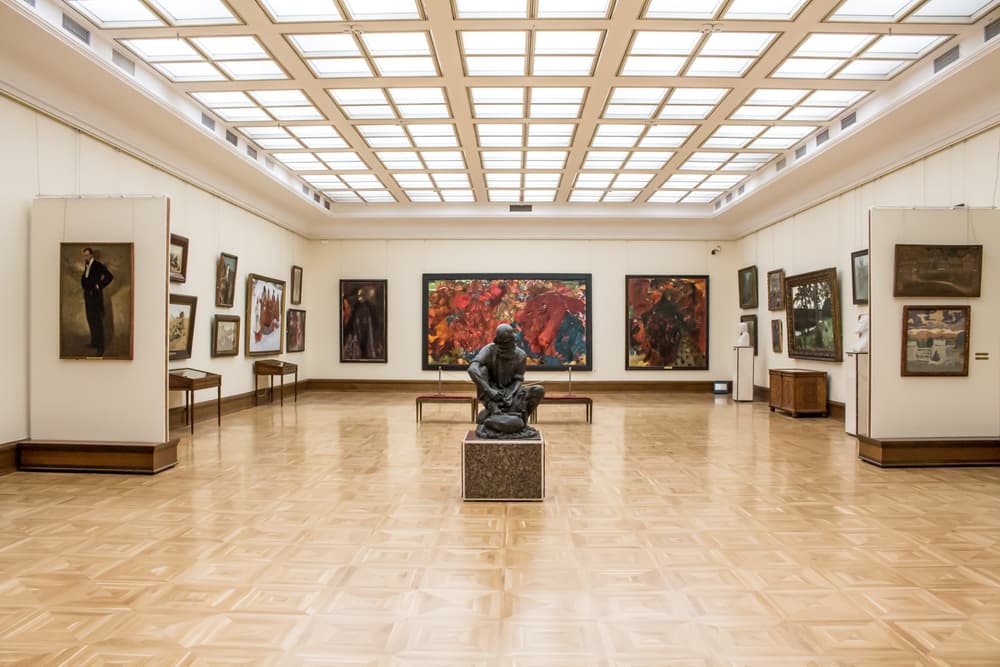
On Krymsky Val embankment in Moscow, the New Tretyakov Gallery (1985) houses the world's largest collection of 20th-century Russian art: avant-garde, Malevich, Kandinsky, and socialist realism under one roof.
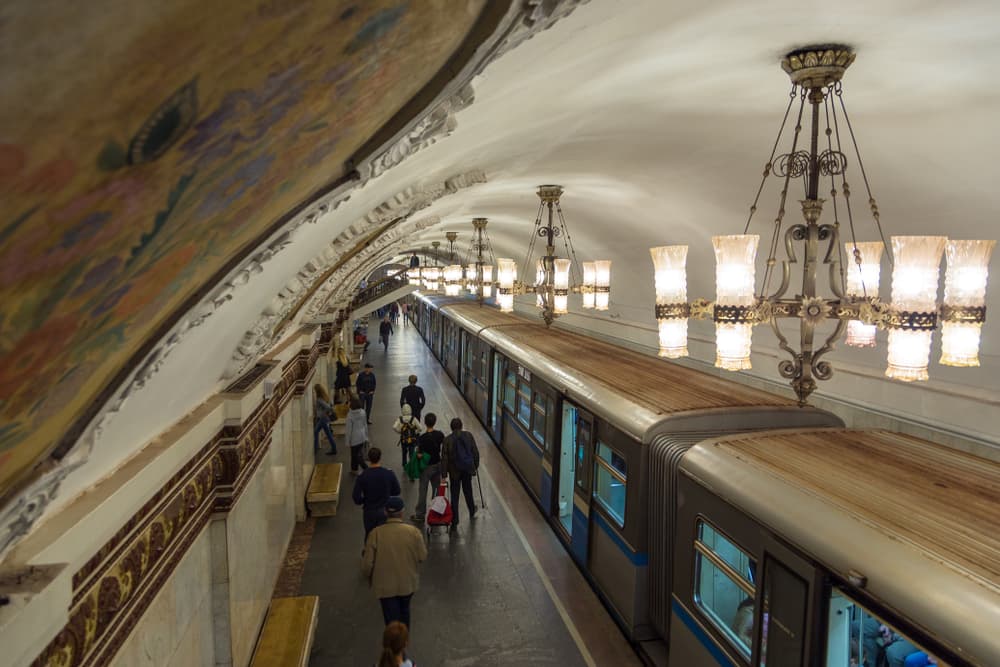
Moscow Metro, inaugurated in 1935, houses stations adorned with Soviet mosaics, sculptures and marble. A unique architectural circuit beneath Russia's capital.
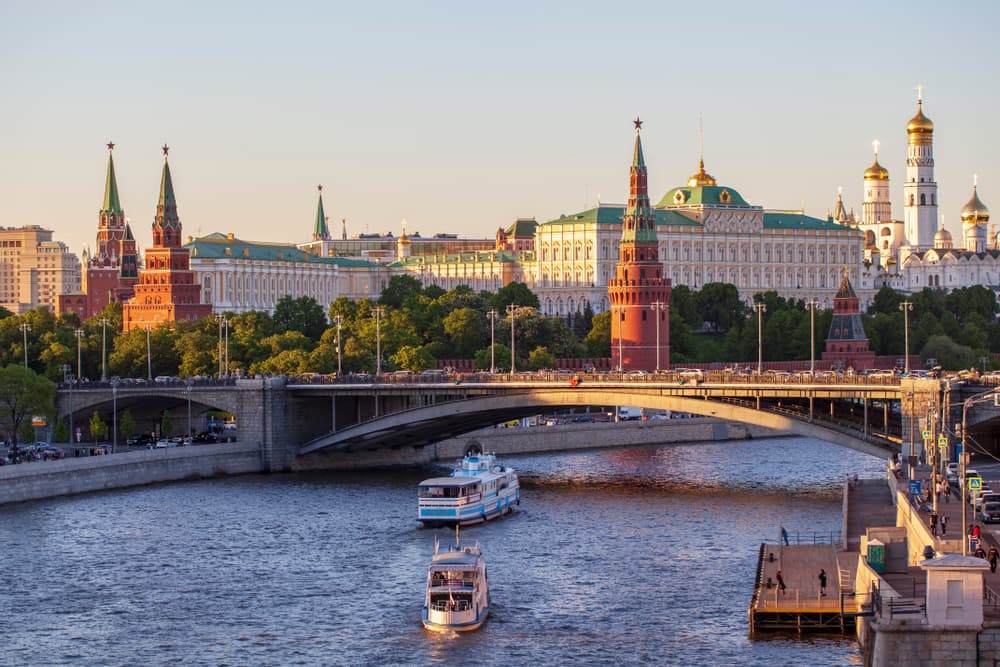
The Moskva River flows through the heart of Moscow, passing the Kremlin, Gorky Park and Zaryadye. Its landscaped embankments and seasonal cruises offer a unique vantage point on Russia's capital.
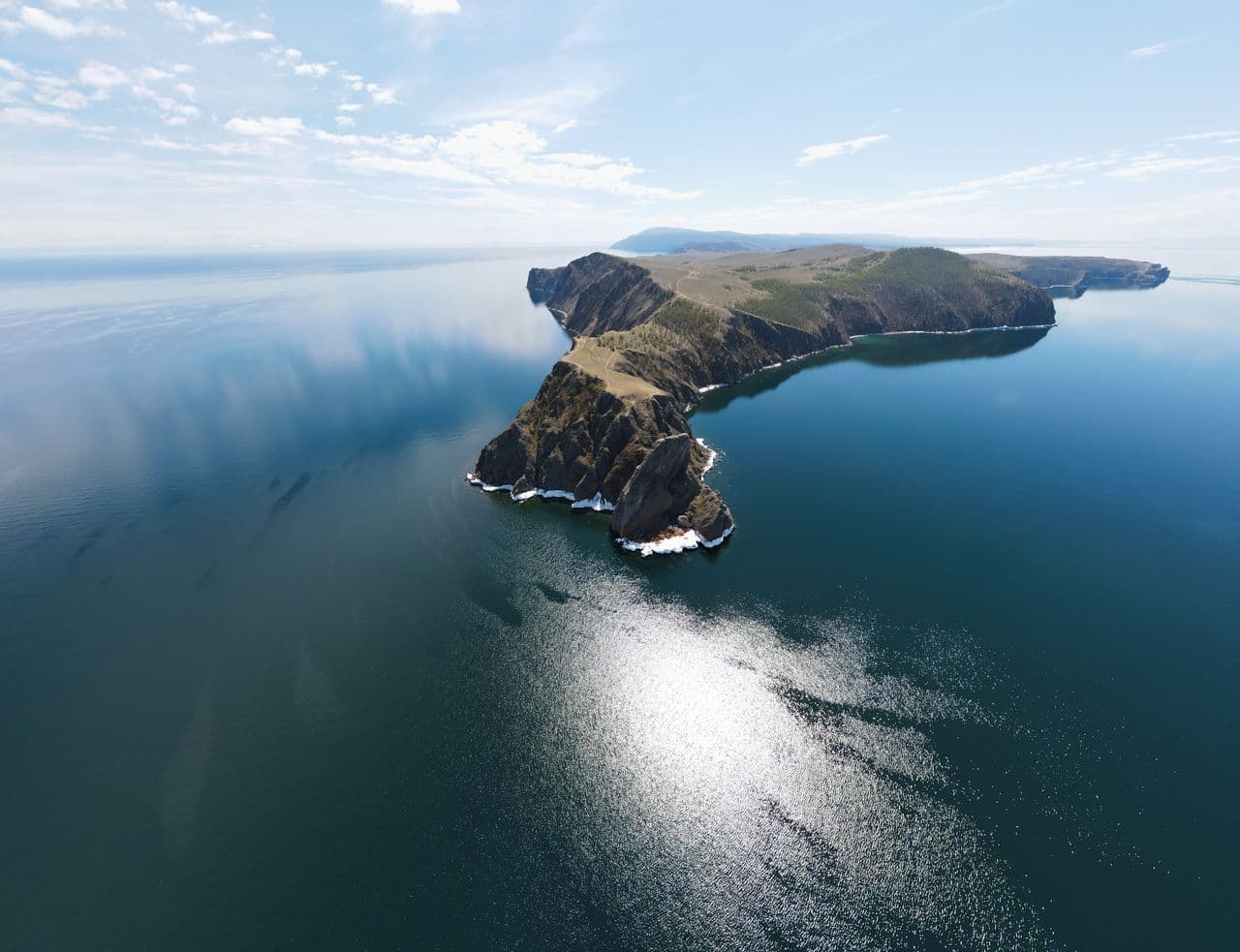
A sacred promontory at the northern tip of Olkhon, Cape Khoboï features cliffs plunging into Lake Baikal, legendary rock formations and opportunities to observe nerpa seals, set within a preserved shamanic landscape.
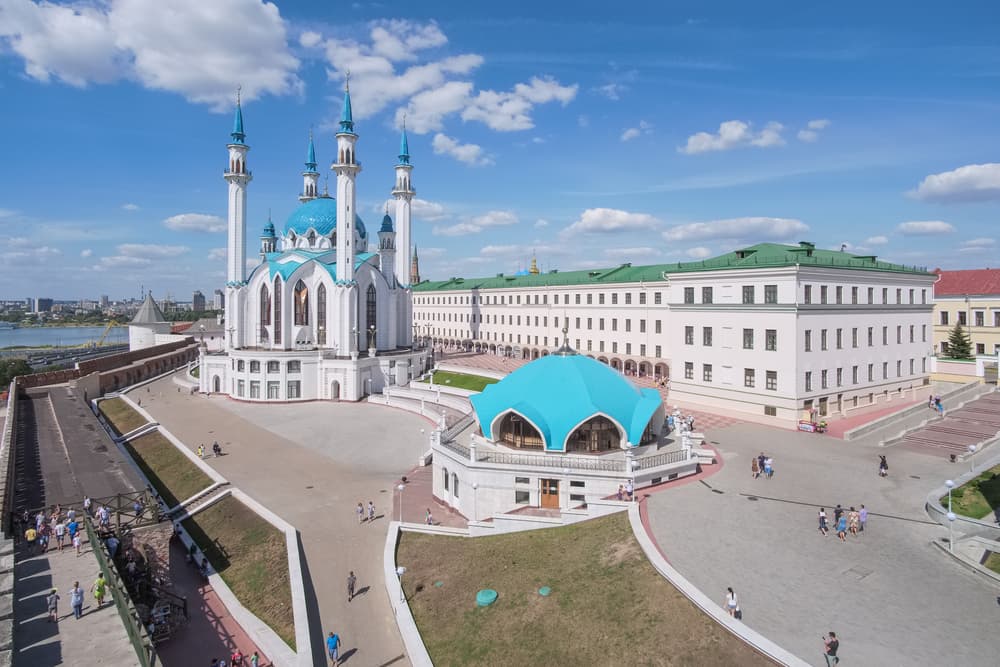
A white fortress listed as a UNESCO World Heritage Site, the Kazan Kremlin unites a mosque, a medieval tower and Orthodox cathedrals on a hill overlooking the Volga. A unique crossroads between Tatar and Russian cultures.
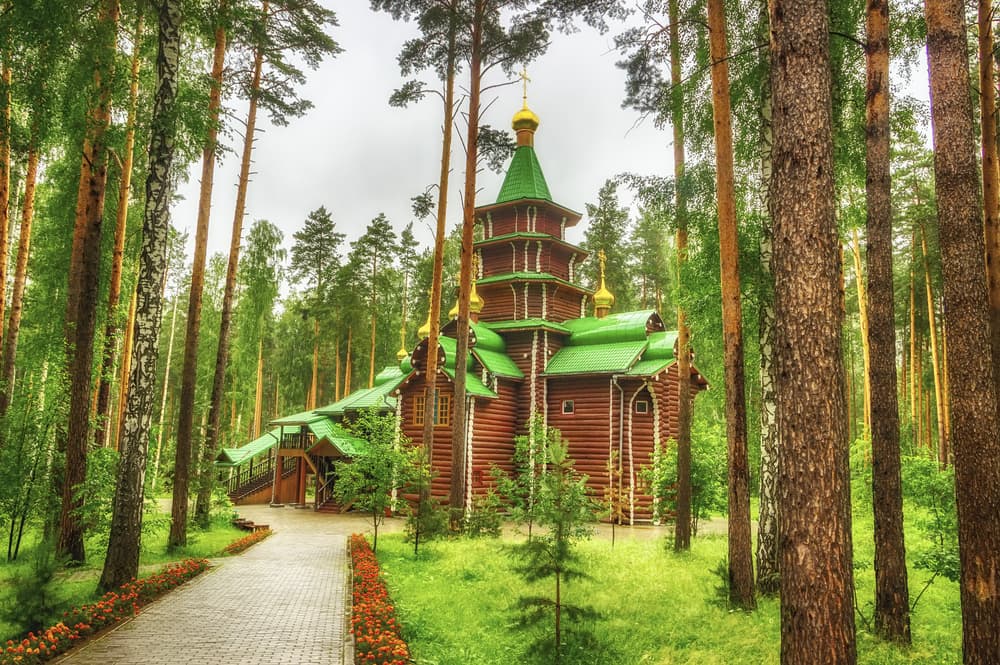
Located 20 km north of Yekaterinburg, Ganina Yama is the Orthodox monastery built around the pit where the bodies of Tsar Nicholas II and his family were concealed in 1918. Seven wooden churches, a pine forest, and an atmosphere of contemplation unlike any other.
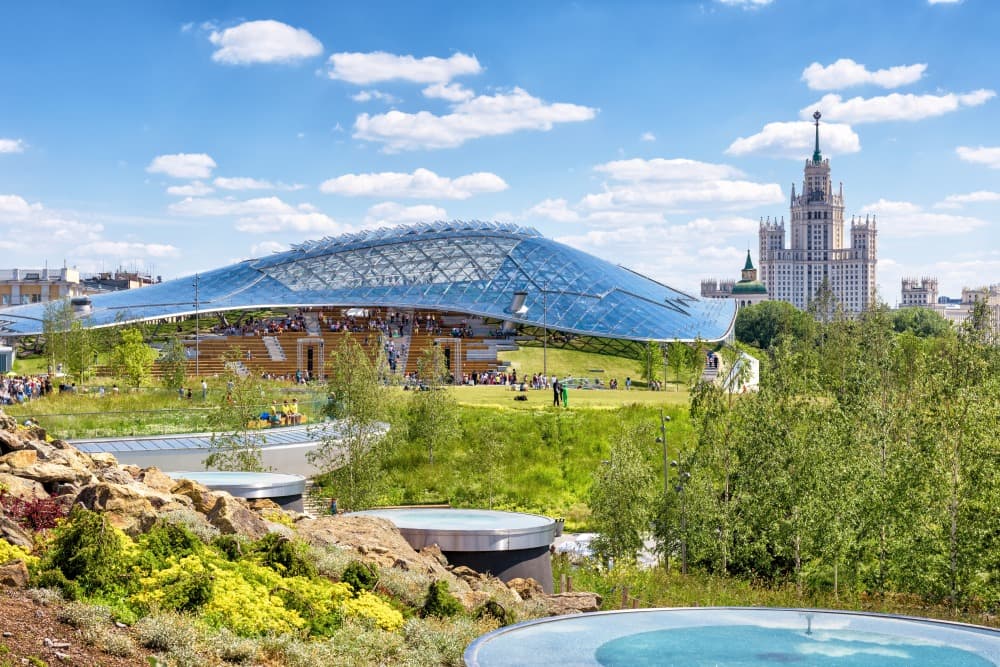
Opened in 2017 between the Kremlin and the Moskva River, Zaryadye Park showcases four Russian ecosystems and a floating footbridge overlooking Red Square.
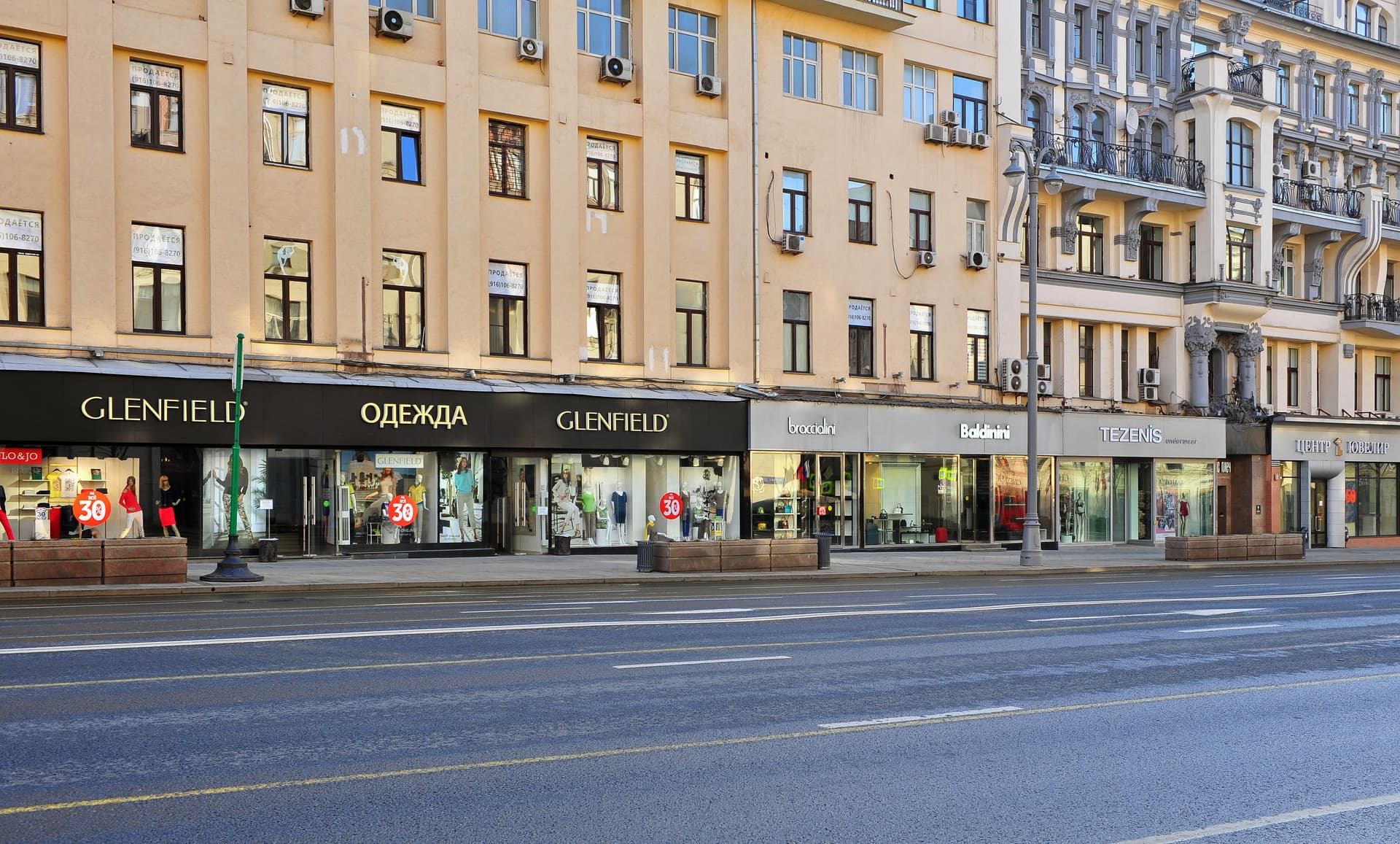
A major artery of Moscow connecting the Kremlin to Triumph Square over 2.5 km, Tverskaya Street concentrates eight centuries of architectural history.
La galerie Tretiakov
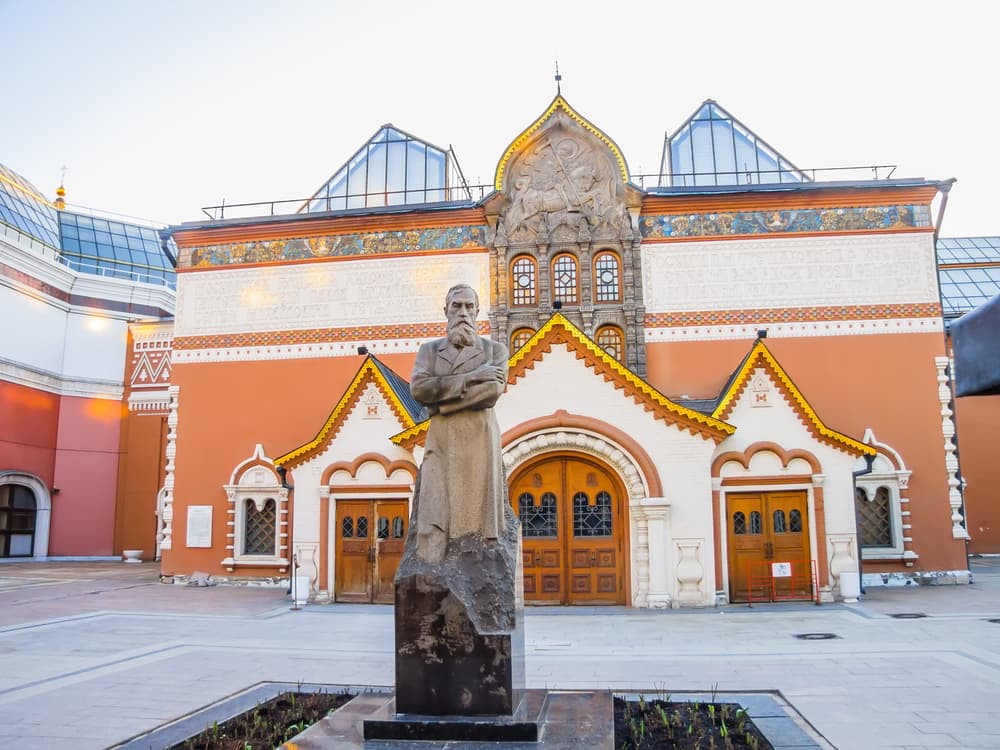
In Moscow, the Tretyakov Gallery brings together more than 140,000 works of Russian art across two sites, from medieval icons to twentieth-century avant-garde movements.
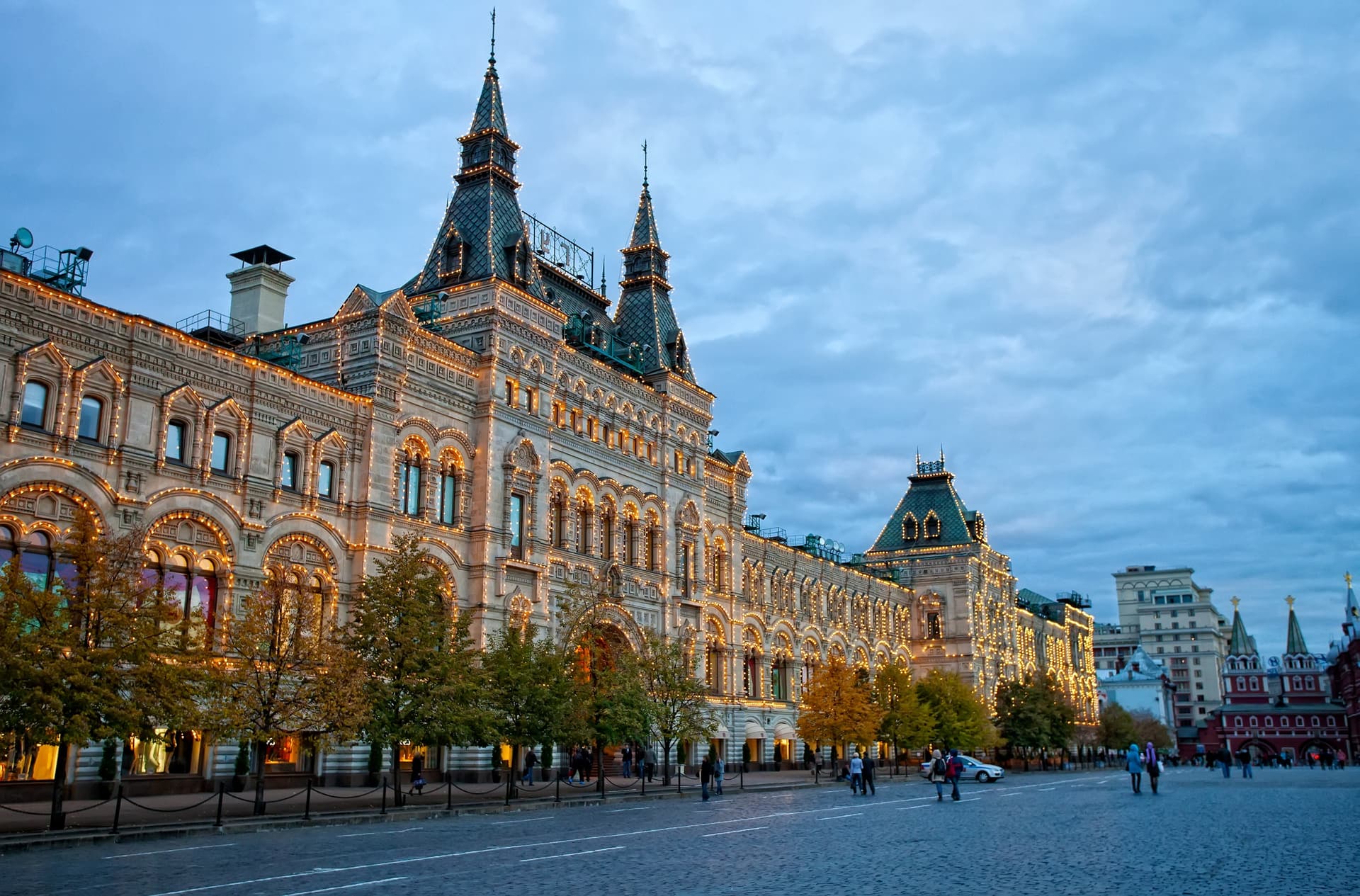
A historic shopping arcade on Red Square in Moscow, GUM brings together under a Shuhov glass roof 250 meters of facades, 200 shops and 2.5 km of galleries.
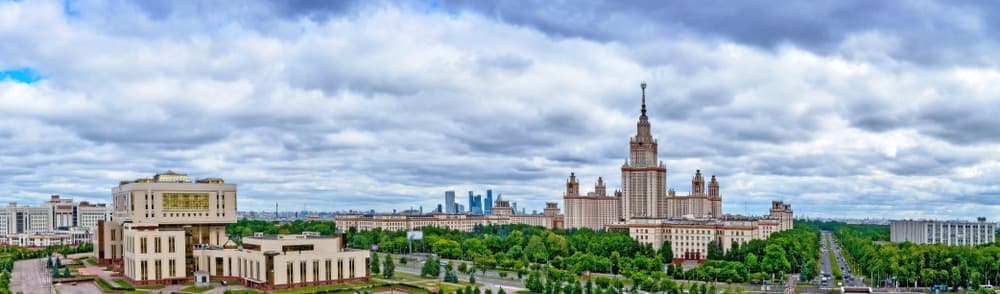
Moscow's highest point at 220 m, Sparrow Hills offers a panorama over the Moskva River, Luzhniki Stadium and Stalinist skyscrapers.
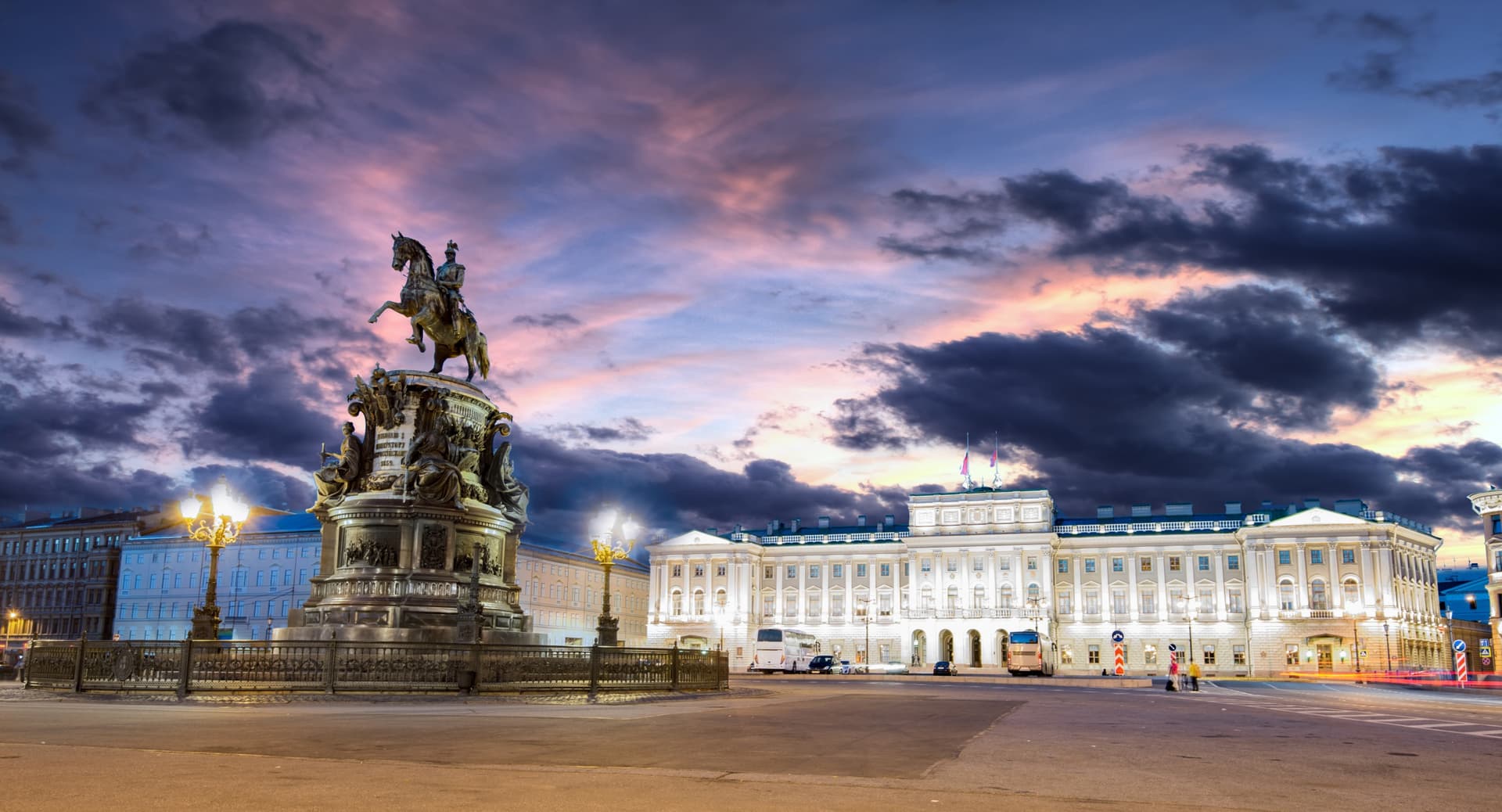
Place du Sénat
Overlooking the Neva River, Senate Square brings together the Bronze Horseman statue of Peter the Great, the Senate and Synod complex, and the silhouette of Saint Isaac Cathedral.
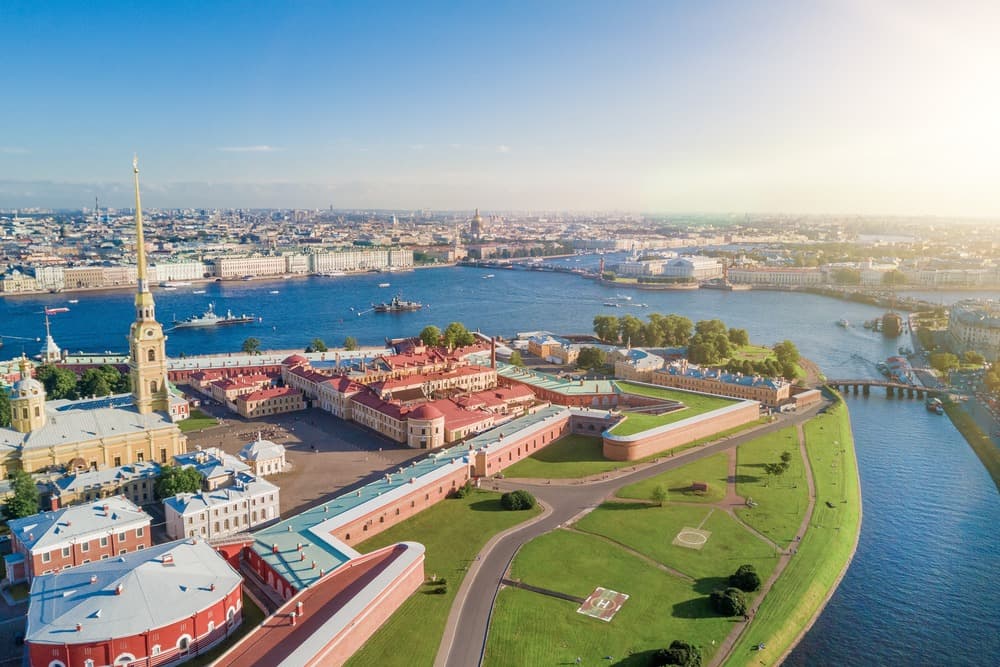
La Cathédrale Pierre et Paul
The first stone cathedral in Saint Petersburg, a Romanov necropolis, and the city's symbol with its gilded spire of 122 meters topped by an angel.
18 of 55 results
We use cookies to improve your experience and measure our site's audience. You can choose what you accept. Learn more.