Ural Mountains
Ural Mountains
The Ural Mountains trace the border between Europe and Asia over 2,500 km. Taiga, national parks, rare minerals, and industrial history: a varied terrain for exploration, accessible from Yekaterinburg.
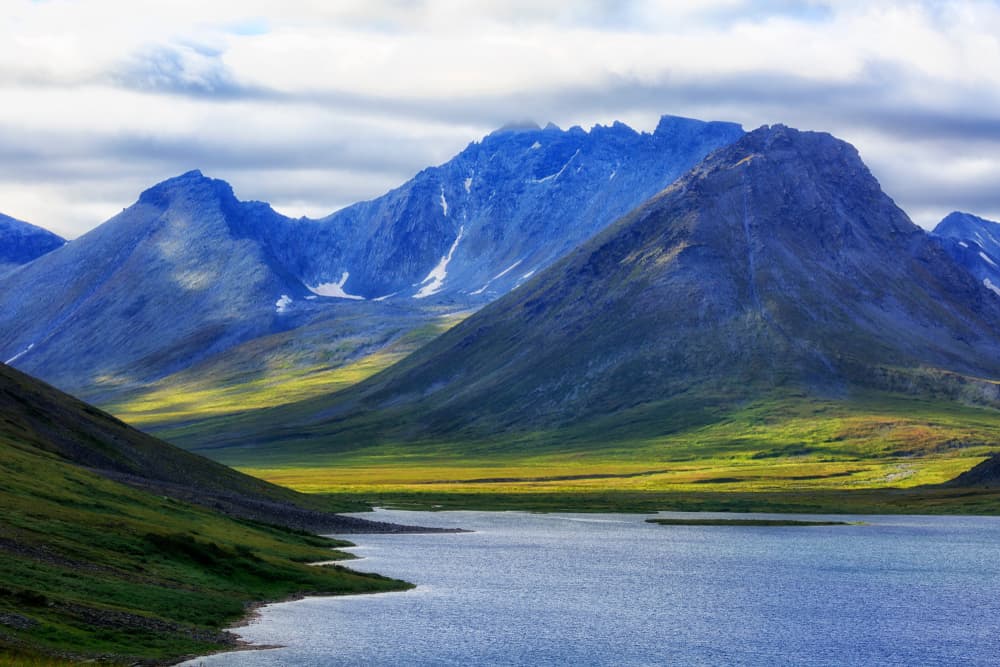
The Ural Mountains form the natural border between Europe and Asia for nearly 2,500 kilometers, stretching from the Arctic north of Russia to the steppes of Kazakhstan. This ancient range, among the world's oldest, offers varied landscapes: dense taiga, tundra, river valleys, and rounded peaks. It is a terrain for hiking, skiing, and geological exploration cherished by both Russian and international travelers.
Practical Information at a Glance
- Main access: Yekaterinburg is the most convenient gateway — direct flights from Moscow and St. Petersburg, railway station on the Trans-Siberian line.
- Recommended duration: 3 to 7 days to explore one sector (Southern or Northern Urals); longer for extended treks.
- Attire: Hiking equipment suited to the season; in winter, temperatures can plummet dramatically — thermal clothing essential.
- Accessibility: Natural areas have limited accessibility; Yekaterinburg's museums and city center offer better options.
What to See
The Urals divide into several distinct zones. The Southern Urals, around Chelyabinsk and Taganay National Park, feature wooded ridges and clear lakes. The Northern Urals offer wilder terrain, with rock formations called cherty (stone pillars). The highest peak, Mount Narodnaya (1,895 m), lies in the Polar Urals, accessible only by expedition.
The region is also renowned for its minerals: malachite, amethyst, jasper — mined for centuries and displayed in local museums.
History and Context
The Urals played a central role in Russian industrialization. From the 18th century, Peter the Great developed foundries and iron mines here. During World War II, entire factories were relocated from the west to escape the German advance. Yekaterinburg, founded in 1723 and named after Catherine I, remains a symbol of this industrial and mining legacy.
The range is also where Tsar Nicholas II and his family were executed in 1918, an event commemorated by the Church on the Blood in Yekaterinburg.
Highlights of Your Visit
The Europe-Asia Border
Several obelisks symbolically mark the boundary between the two continents, notably on the road west of Yekaterinburg. A classic stop for Trans-Siberian travelers and local road-trippers.
Taganay National Park
Located near Zlatoust, this park protects granite ridges, stone rivers (kuroumy), and varied wildlife including moose and lynx. Marked trails enable day hikes and multi-day treks.
Deer Streams Natural Park (Olenji Rutchyi)
Close to Yekaterinburg, this park is accessible for a day visit. It features caves, limestone cliffs, and prehistoric petroglyphs along the Serga River.
Yekaterinburg, Urban Base
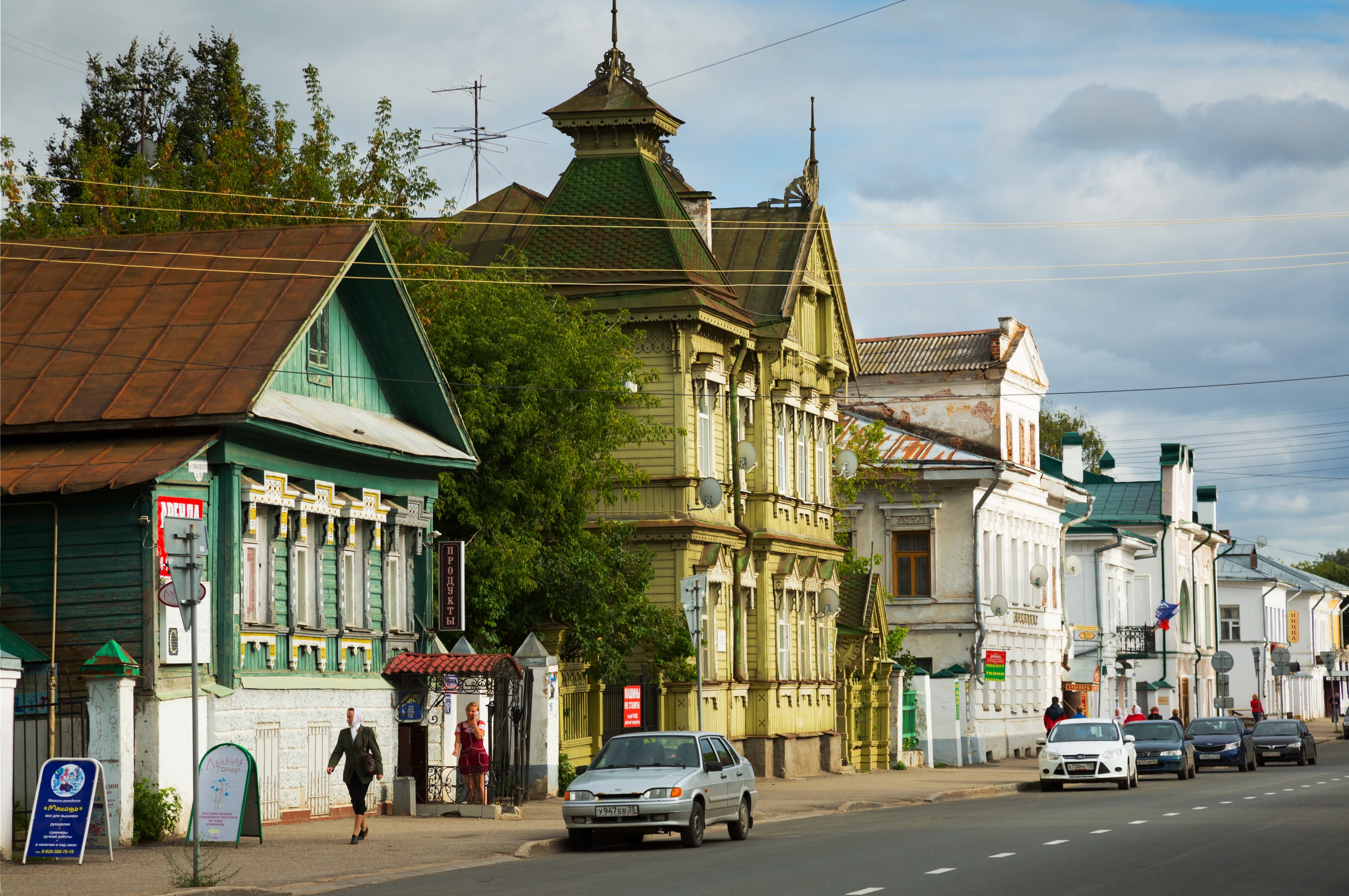
Russia's fourth-largest city houses geological museums, internationally recognized street art, and Soviet constructivist architecture. It serves as the logical starting point for any exploration of the central Urals.
Photography Tips
The golden light of late afternoon on Taganay's ridges is especially favorable in autumn, when birches turn golden. Northern rock formations photograph best in overcast weather, which softens harsh contrasts. In winter, the snow-covered taiga offers clean compositions, though temperatures demand spare camera batteries.
Location and Access
The Ural Mountains span several Russian administrative regions. Yekaterinburg (Sverdlovsk Oblast) is the main hub: Koltsovo International Airport, station on the Trans-Siberian line. From Moscow, the train takes roughly 26 hours; flying, approximately 2 hours. Southern parks are accessible from Chelyabinsk or Zlatoust. Local agencies in Yekaterinburg offer transfers and guides for remote areas.
Nearby Attractions
- Church on the Blood, Yekaterinburg — Orthodox cathedral built on the site of the Romanov family's execution.
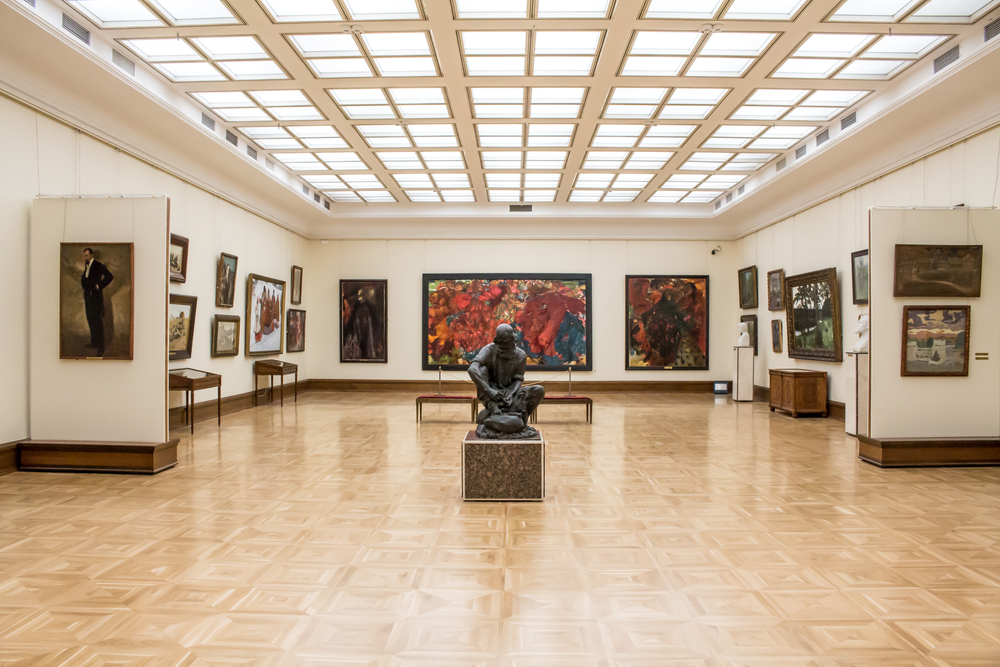
- Ural Geological Museum, Yekaterinburg — collection of minerals and gemstones extracted from the region.
- Taganay National Park — hiking on the granite ridges of the Southern Urals.
- Deer Streams Natural Park — caves, cliffs, and petroglyphs an hour from Yekaterinburg.
Interested in this visit?
We can include it in your personalised itinerary.