Pavlovsk Palace
Pavlovsk Palace
A neoclassical imperial residence south of Saint Petersburg, Pavlovsk Palace was the first Russian imperial palace opened to the public in 1872.
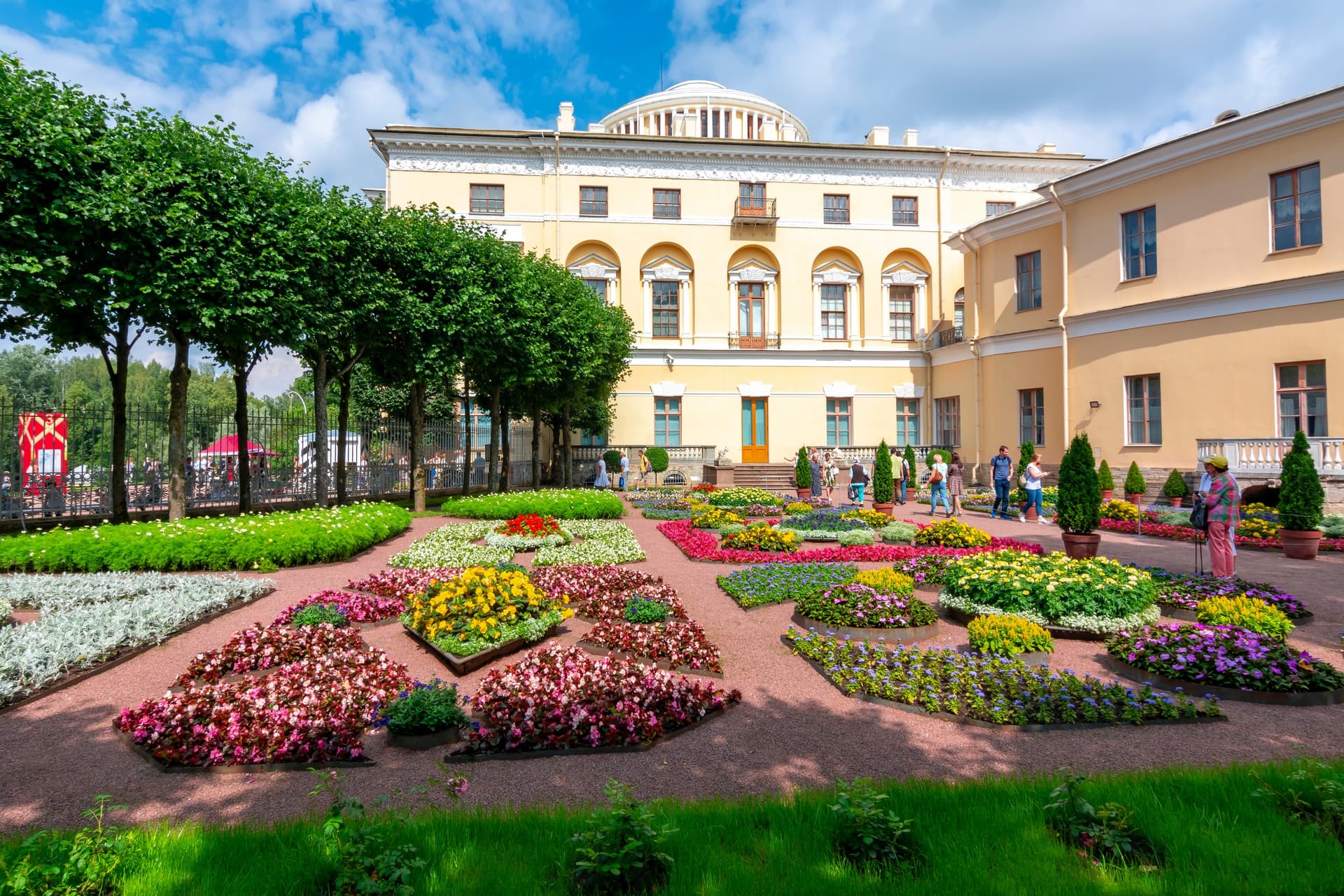
About thirty kilometers south of Saint Petersburg, Pavlovsk Palace is one of Russia's best-preserved imperial residences. Its neoclassical silhouette, set at the center of a landscaped park spanning several hundred hectares, testifies to the European taste of the Russian court at the turn of the 18th and 19th centuries. The first Russian imperial palace opened to the public in 1872, it today preserves an exceptional collection of furniture, libraries, and state rooms.
Why visit Pavlovsk Palace
Pavlovsk distinguishes itself from other imperial residences around Saint Petersburg through its sense of balance: less ostentatious than Peterhof, less theatrical than Tsarskoye Selo, it offers a more intimate glimpse into Russian court life. The visit particularly interests:
- enthusiasts of neoclassical architecture, with a palace inspired by Palladian villas by Scottish architect Charles Cameron;
- passionate collectors of decorative arts, who will find here French furniture acquired directly in Paris by the imperial couple;
- visitors seeking an English-style landscaped park, one of Europe's most vast;
- those wishing to understand the tumultuous trajectory of a residence devastated by war and resurrected through Soviet restoration.
Palace history
Pavlovsk's story begins in 1777, when Empress Catherine II presents her son, Grand Duke Paul Petrovich, with a 400-hectare hunting estate to celebrate the birth of his son, the future Alexander I. Four years later, in 1781, Paul decides to build a palace there with his wife Maria Feodorovna, born Sophie-Dorothée of Württemberg. The project is entrusted to Scottish architect Charles Cameron, a devotee of Italian art, who draws inspiration from Palladian villas.
During construction, Paul and Maria Feodorovna embark on a year-long journey across Europe. They return with a substantial collection of furniture purchased from the finest Parisian craftsmen. But upon their return, tensions mount with Cameron. In 1796, upon his accession to the throne, Paul replaces the Scotsman with Florentine architect Vincenzo Brenna, who remodels the edifice in a more austere style.
Paul I enjoys his residence only briefly: he is assassinated on March 23, 1801 as a result of a palace conspiracy. Maria Feodorovna continues the improvements in her husband's memory and calls upon two leading architects, Italian Carlo Rossi and Russian Andrei Voronikhin. An avid reader, she assembles a library of over 20,000 volumes.
Upon her death in 1828, the palace passes to her son Michael Pavlovich, then in 1849 to Grand Duke Constantine Constantinovich, nicknamed "Grand Constantine." It is he who, in 1872, opens the palace to the public, making it the first Russian imperial palace accessible to visitors. He dies there on June 2, 1915.
After the 1917 revolution, the palace is nationalized. Former officer Alexander Polovtsov succeeds in persuading Lenin to preserve the collections in the name of public education. The most dramatic episode occurs during the Second World War: occupied then set alight and plundered by Nazi forces in the 1940s, the palace is liberated by the Red Army in 1944. The exemplary restoration is completed in 1978.
What to see inside
The tour passes through a succession of styles, the signature of successive architects.
The Egyptian vestibule and Italian floors
Entry is through an Egyptian-style vestibule, striking for its sculptured figures. On the first floor, the inspiration shifts to classical Italy, with stuccowork, colonnades, and polychrome marbles.
The apartments of Maria Feodorovna
The rooms reserved for the empress constitute one of the highlights of the visit. Here you will see French furniture brought back from Europe, personal objects, and the library of 20,000 volumes, testament to her literary culture.
The Throne Room
At 400 m², the Throne Room is the most monumental space in the palace. Designed for official receptions, it illustrates the splendor of Paul I's court.
The landscaped park
The park, designed largely by Cameron then enriched by his successors, blends French perspectives, English groves, pavilions, bridges, and water features. Allow at least half a day if you wish to explore its main areas on foot.
Practical information
- Address: Pavlovsk, 20 Sadovaya Street
- Duration: 2 to 3 hours for the palace, half a day to a full day if including the park
- Hours: daily opening with one day off per week (generally Friday). Check the official website before your visit, as hours may vary in low season
- Prices: separate tickets for the palace and park at moderate rates. Discounts for children and students
When to visit
Pavlovsk can be visited year-round, but the experience varies considerably with the seasons:
- May to September: the most pleasant period. The park is in full leaf, temperatures allow for lengthy strolls, and the white nights of June offer special lighting until late evening.
- September-October: autumn colors in the landscaped park rank among the region's finest.
- Winter: under snow, the palace and its avenues take on particular charm, but prepare for Russian cold weather gear.
How to get there
Pavlovsk is easily accessible from Saint Petersburg:
- By suburban train (elektrichka): from Vitebsk Station (Vitebskii vokzal), journey of about 30 to 40 minutes to Pavlovsk station, then 10 to 15 minutes' walk through the park.
- By minibus or bus: from Moskovskaya metro station, several lines serve Pavlovsk in 30 to 45 minutes depending on traffic.
- By car or taxi: 30 km south of central Saint Petersburg, approximately 45 minutes outside peak hours.
What to see nearby
Pavlovsk combines very well with other sites of the imperial crown and central Saint Petersburg:
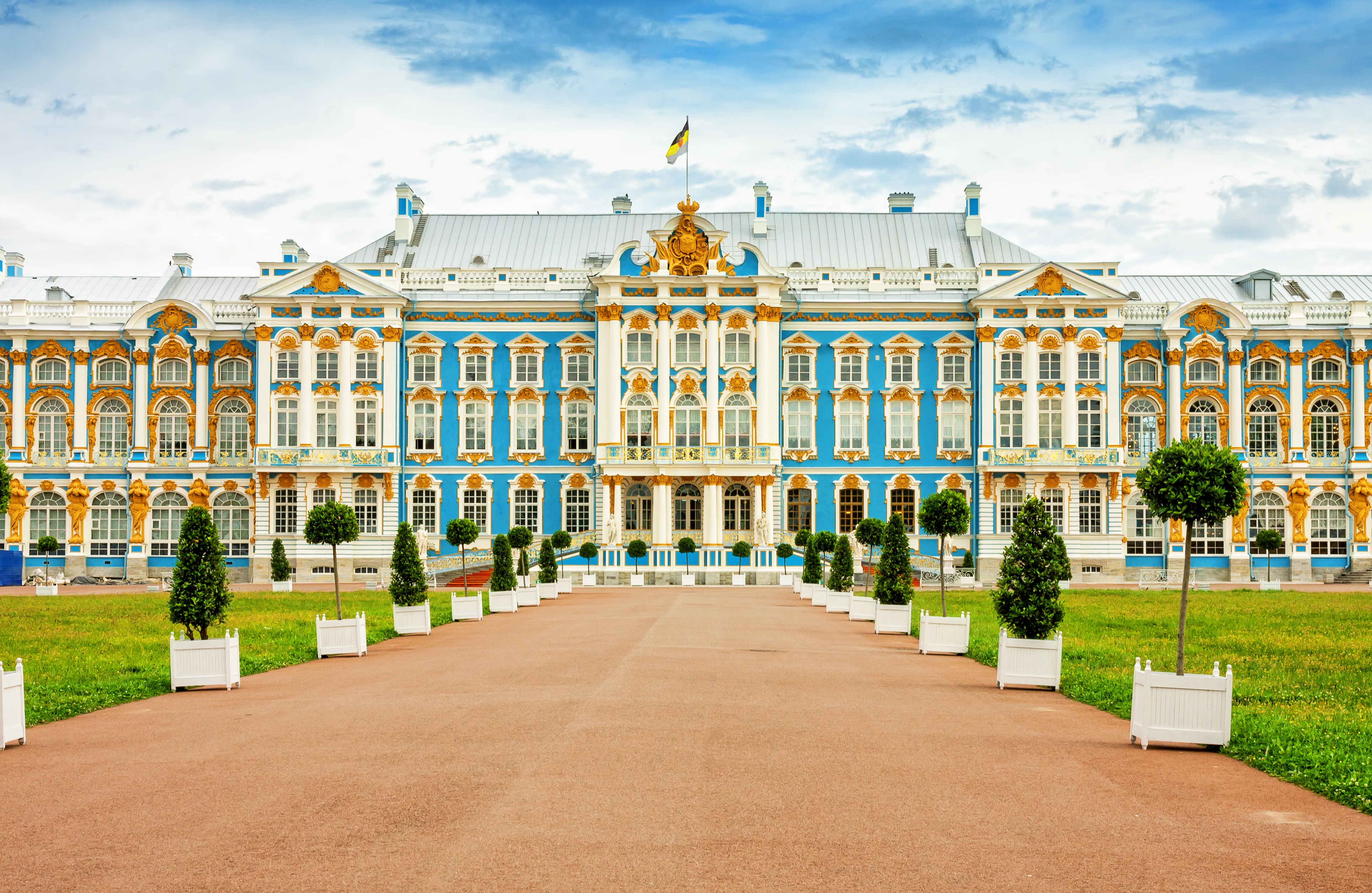
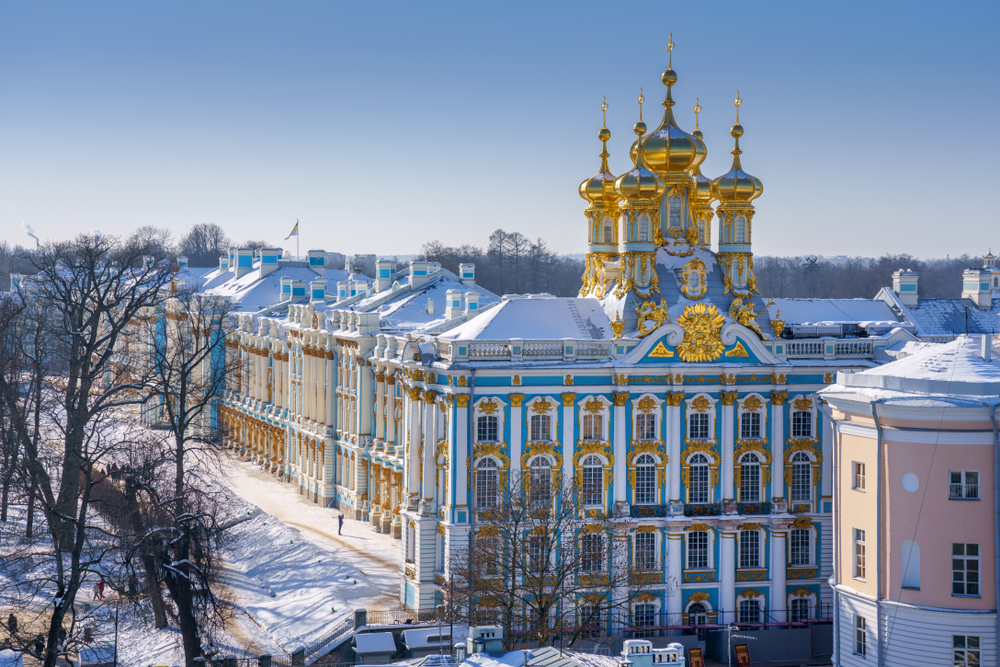
- Tsarskoye Selo (Pushkin), just 5 km away, home to the Catherine Palace and its Amber Room — visiting both residences is a classic full-day excursion.
- Back in the city, the Russian Museum extends your visit with national art collections.
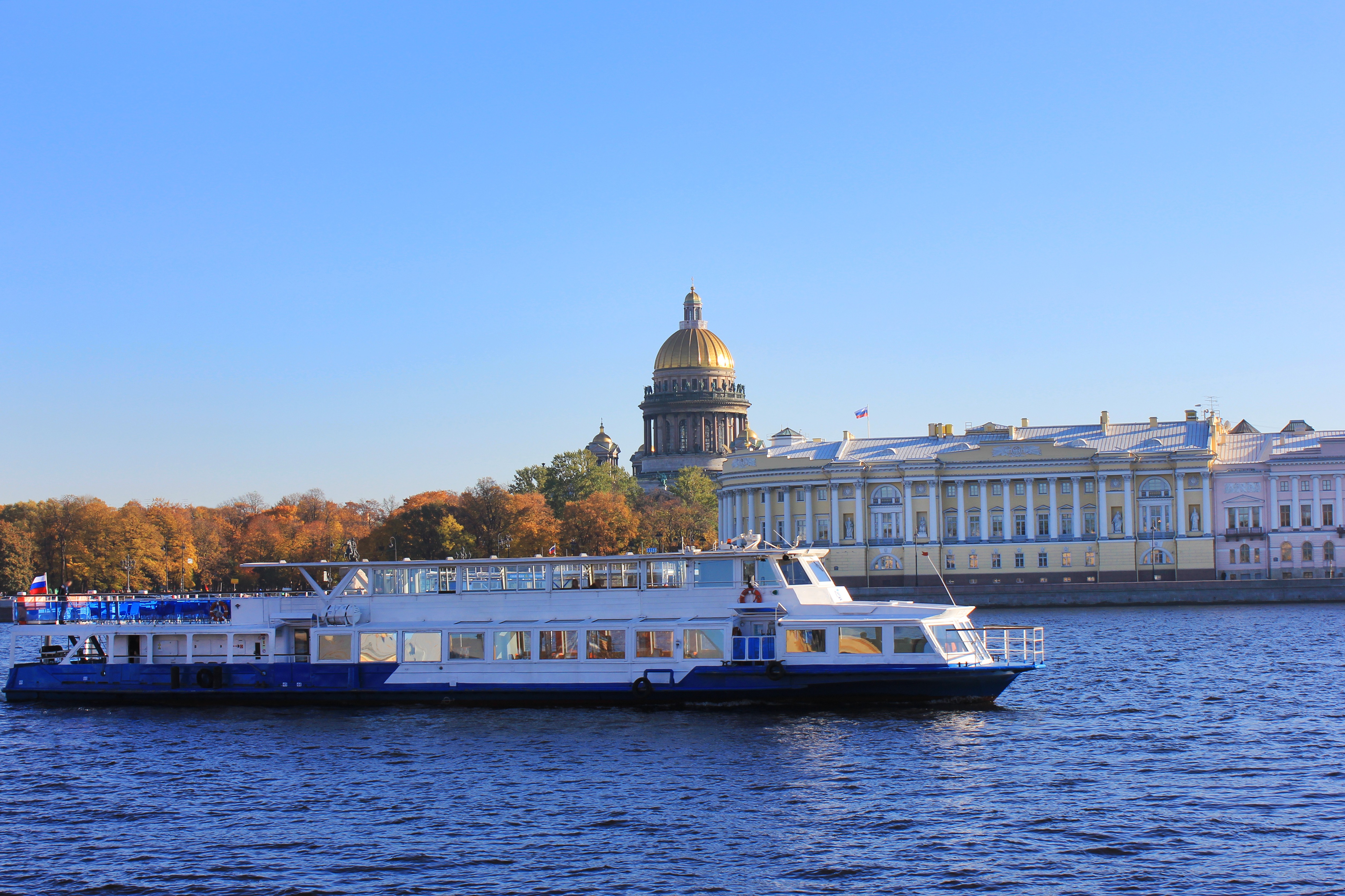
- The Church of the Savior on Spilled Blood and Saint Isaac's Cathedral complete the imperial architectural panorama.
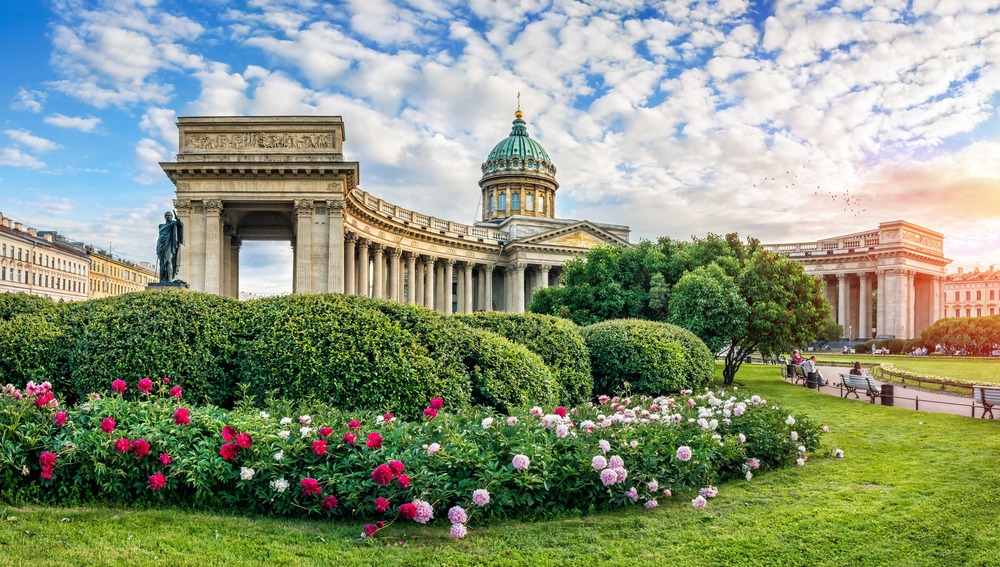
- The Admiralty and Kazan Cathedral also merit a visit.
Frequently asked questions
Frequently asked questions
Plan 2 to 3 hours for the palace interiors. If you also wish to explore the park, allow half a day to a full day.
Yes, the two sites are only a few kilometers apart. This is a classic excursion from Saint Petersburg, but the day is full: start early and plan to choose between an in-depth visit or a quicker discovery.
Yes, but with one day off per week (generally Friday) and more restricted hours in low season. Check opening days before your visit.
Yes, the park and palace have separate tickets. It is possible to visit the park alone at a reduced rate, which may be worthwhile in fine weather.
For lovers of decorative arts and neoclassical architecture, yes. The atmosphere is more intimate and the landscaped park alone is reason enough to come.
Learn more
Pavlovsk Palace naturally fits into an imperial itinerary around Saint Petersburg, between summer residences and major museums in the center. To build a stay combining these visits with other highlights of the country, consult our journeys in Russia.
Nearby
Interested in this visit?
We can include it in your personalised itinerary.