Yusupov Palace (Moika)
Yusupov Palace (Moika)
A former residence of the Yusupov family in Saint Petersburg, this palace museum blends aristocratic interiors with an exhibition dedicated to the assassination of Rasputin in 1916.
The Yusupov Palace (sometimes spelled Loussoupov) stands on the banks of the Moika River in Saint Petersburg. Once the residence of one of the wealthiest families of Russian aristocracy, it became a national museum in 1919. The site is also renowned as the setting for the assassination of Grigori Rasputin in December 1916, an episode that marked the end of Romanov rule.
Why visit the Yusupov Palace
The palace offers two complementary dimensions. On one hand, its interiors recreate the lifestyle of the Russian high aristocracy at the turn of the 19th and 20th centuries: a succession of lavish salons, a private theatre, Turkish baths, and a Moorish salon. On the other, the basement has housed since 1924 a permanent exhibition devoted to Rasputin's assassination, complete with period staging and wax figures.
Unlike the Hermitage or Saint Isaac's Cathedral, visitor numbers here remain more moderate, allowing for a leisurely visit. History enthusiasts fascinated by Imperial Russia and the twilight of the Romanovs will find a place steeped in historical narrative.
History of the palace
The building was constructed in the 18th century for Countess Praskovia Uvarova, niece of Peter the Great. In 1726, the Countess bequeathed the palace to the Semyonovsky Royal Guard Regiment, which made it their headquarters until 1742. The residence subsequently passed, in the 1760s, to statesman Pyotr Shuvalov, who commissioned its expansion to the French architect Jean-Baptiste Vallin de La Mothe.
In 1830, Count Nikolai Yusupov acquired the palace. He entrusted architect Andrei Alexandrovich Mikhailov with an extensive renovation: the addition of a wing parallel to the Moika, and the creation of Turkish baths and a Moorish salon. The Yusupov family, reputedly wealthier even than the tsars, remained its owners until the 1917 revolution.
In the night of December 16, 1916, Prince Felix Yusupov, aided by several close associates of the court, assassinated Grigori Rasputin, a peasant-mystic who had become a confidant of Tsarina Alexandra Fedorovna. This episode sealed the palace's reputation. Nationalized after the revolution, the palace was transformed into a national museum in 1919, and the Rasputin exhibition was installed in the basement in 1924. A new building dedicated to temporary exhibitions was added to the complex in 2015.
What to see on site
The tour covers roughly thirty rooms spread across two levels. Each room illustrates a distinct stylistic universe, testament to the Yusupovs' eclectic taste.
- The private theatre: a small gilded Rococo jewel, one of the rare domestic theatres preserved in Russia.
- The Moorish salon: décor inspired by the Alhambra, commissioned in the 19th century.
- The Turkish baths: a characteristic expression of the Orientalist taste of the era.
- The state rooms: a succession of furnished chambers, family portraits, and porcelain collections.
- The Rasputin basement: a reconstruction with wax figures recreating the events of December 16, 1916.
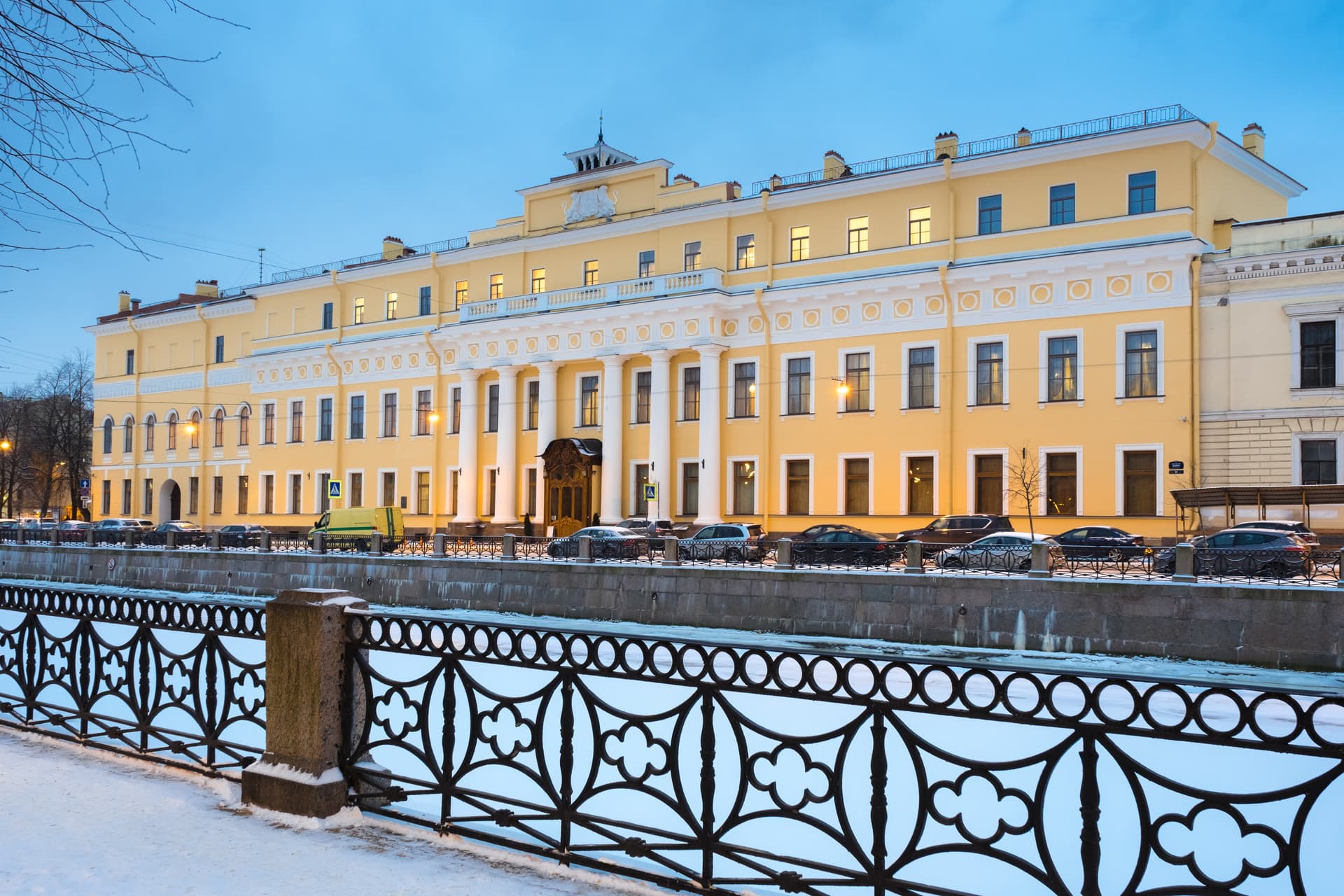
The exterior, more restrained, is recognizable by its yellow façade punctuated by six white columns and a Tuscan portico.
Practical information
Allow approximately 1.5 to 2 hours to explore all the rooms and the Rasputin section. An English-language audio guide is generally available and is recommended for grasping the historical context of each room. Themed guided tours (Rasputin, aristocratic life) should be reserved in advance, especially during peak season. Photography is permitted for an additional fee.
Opening hours and admission fees change regularly: consult the museum's official website before your visit. The palace is typically closed one day per week.
How to get there
The palace sits on the banks of the Moika River, in the historic center of Saint Petersburg. The nearest metro station is Admiralteiskaya (line 5), approximately a ten-minute walk away. From Nevsky Prospect, the walk passes along the canals and provides a pleasant approach to the site. Several bus lines also serve stops near the Moika embankment.
Nearby attractions
Saint Petersburg's historic center concentrates numerous sites within walking distance of the palace:
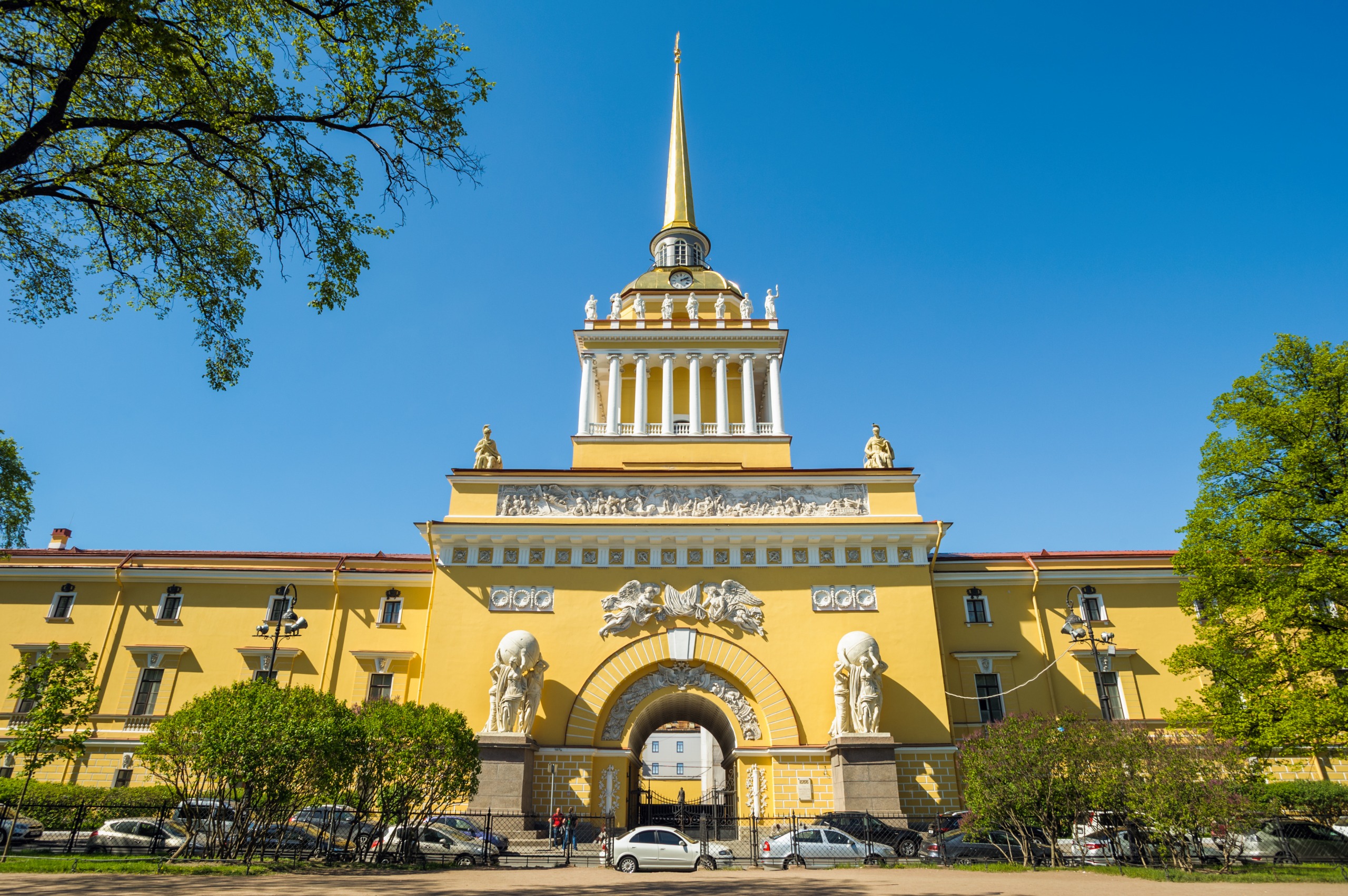
- The Admiralty of Saint Petersburg, a neoclassical symbol of Russian maritime power.
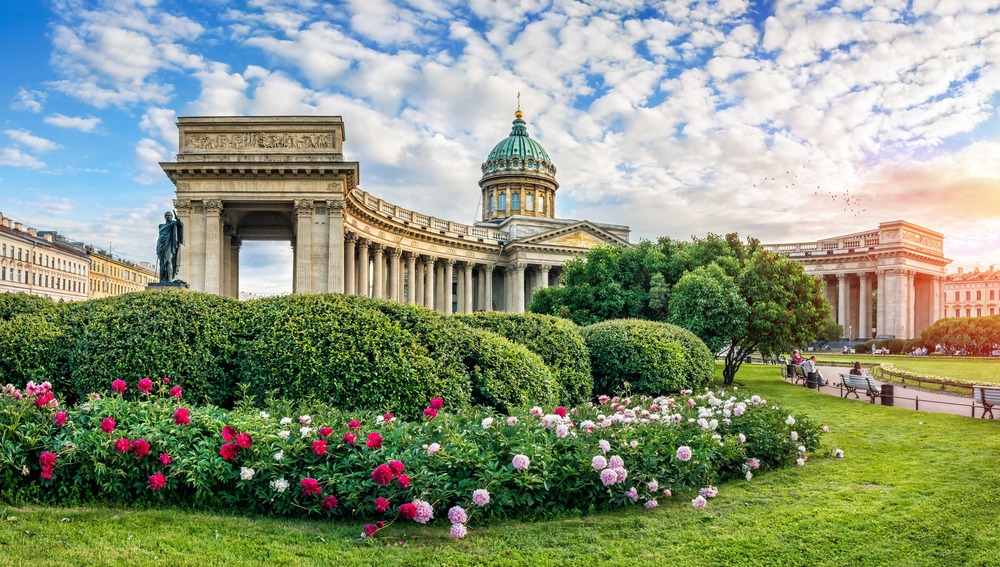
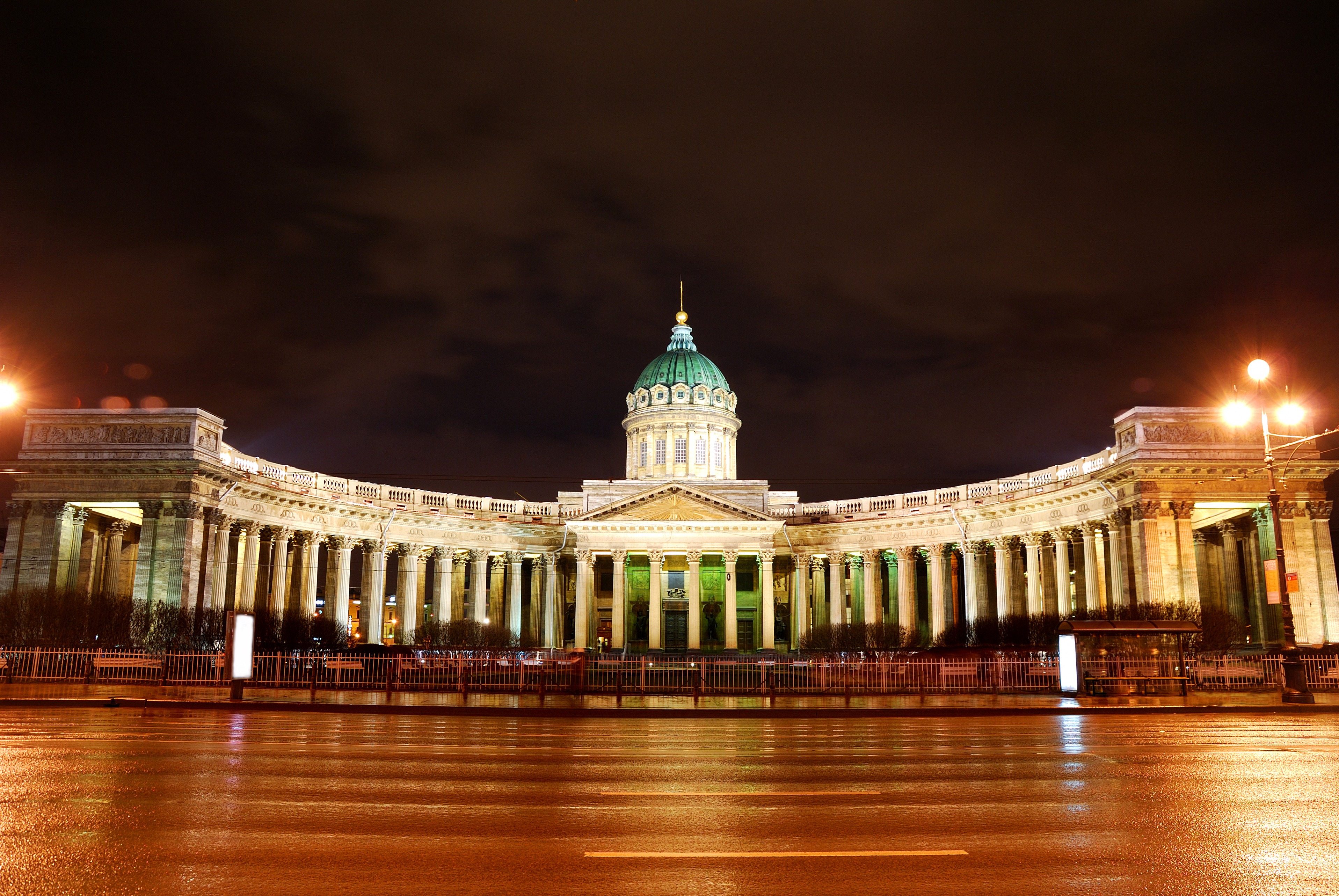
- The Kazan Cathedral, on Nevsky Prospect.
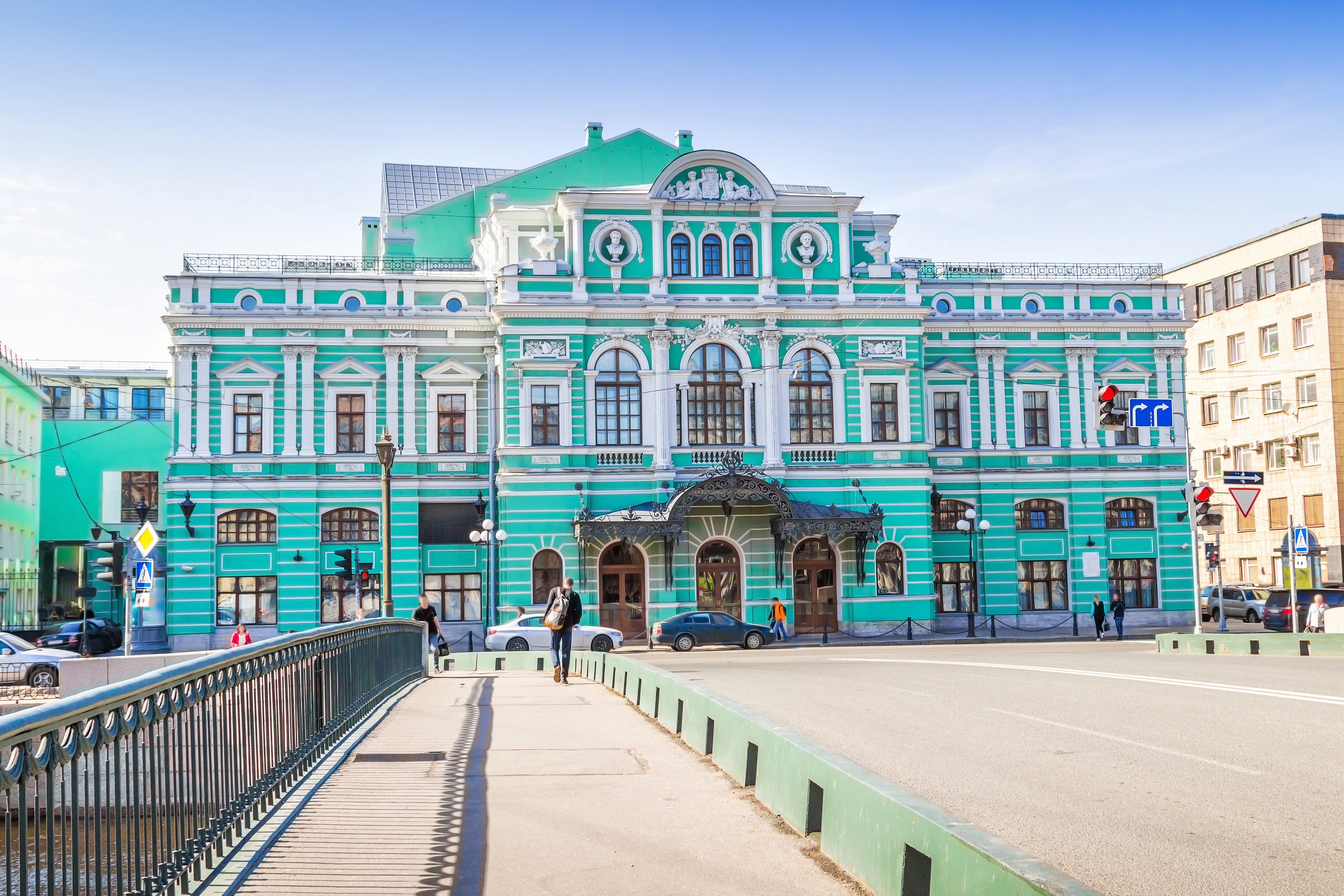
- The Mariinsky Theatre, a few minutes' walk along the Moika.
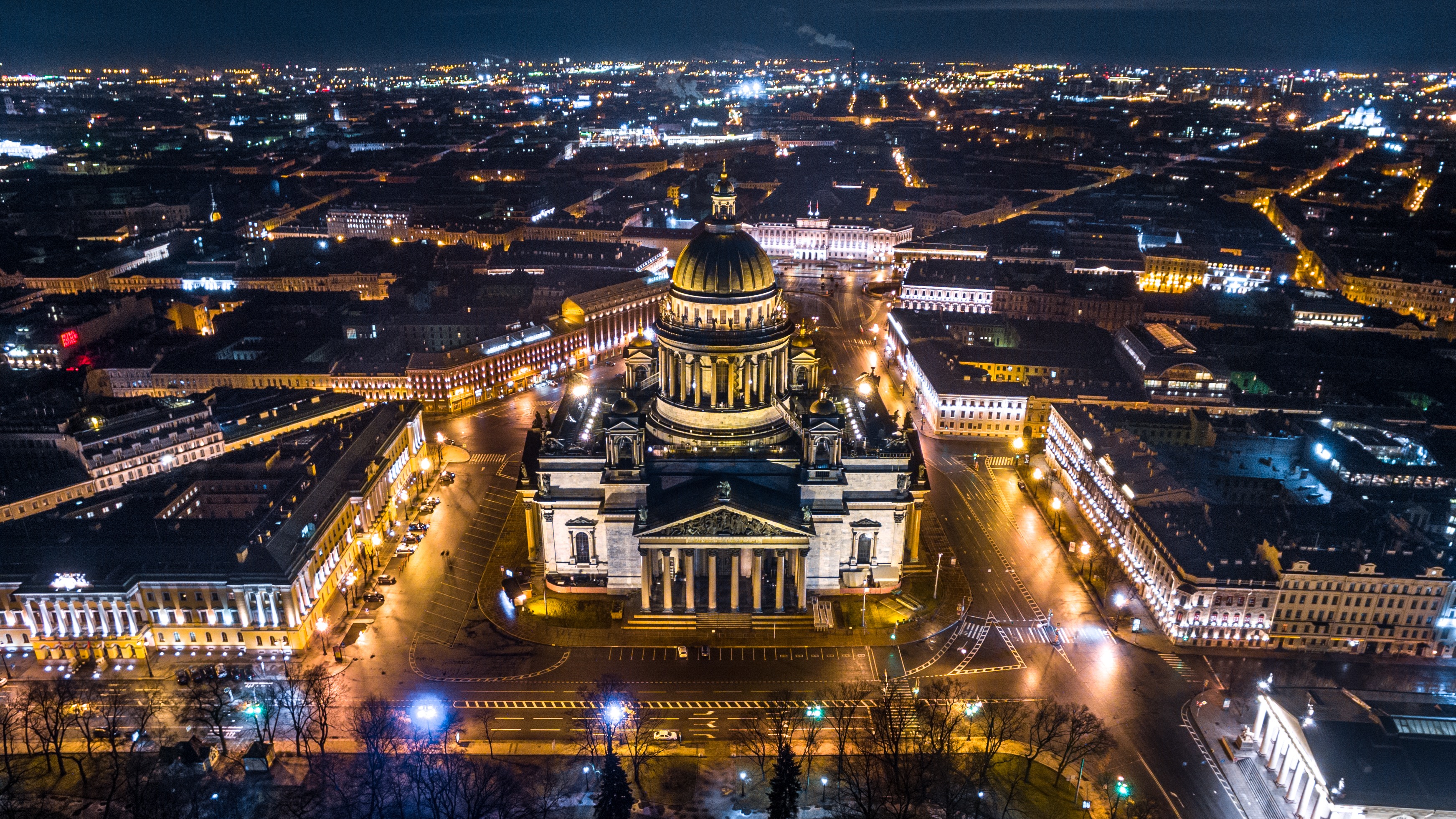
- Saint Isaac's Cathedral, whose gilded dome dominates the quarter.
Frequently asked questions
Frequently asked questions
Allow 1.5 to 2 hours to tour the salons and the Rasputin exhibition. With an audio guide or themed guided tour, plan for around 2.5 hours.
Yes. The palace basement has housed since 1924 a permanent exhibition reconstructing the scene of December 16, 1916, with wax figures and historical context.
Advance booking is recommended for themed guided tours, particularly the one dedicated to Rasputin, which has limited time slots. During peak season (June-August), booking online helps avoid queues.
Admiralteiskaya station, on line 5, is the closest. Plan for about 10 minutes' walk along the Moika.
An English-language audio guide is generally available. Certain English-language guided tours can be arranged upon request, notably through a local agency.
Plan your trip
The Yusupov Palace fits naturally into a Saint Petersburg stay combining imperial heritage and Romanov history. To build a complete Russia itinerary, consult our Russia travel suggestions.
Nearby
Interested in this visit?
We can include it in your personalised itinerary.