Novodievitchi Convent
Novodievitchi Convent
A fortified 16th-century monastery listed by UNESCO, Novodievitchi Convent combines Moscow Baroque architecture with the cemetery of Russia's greatest modern intellectuals and political figures.
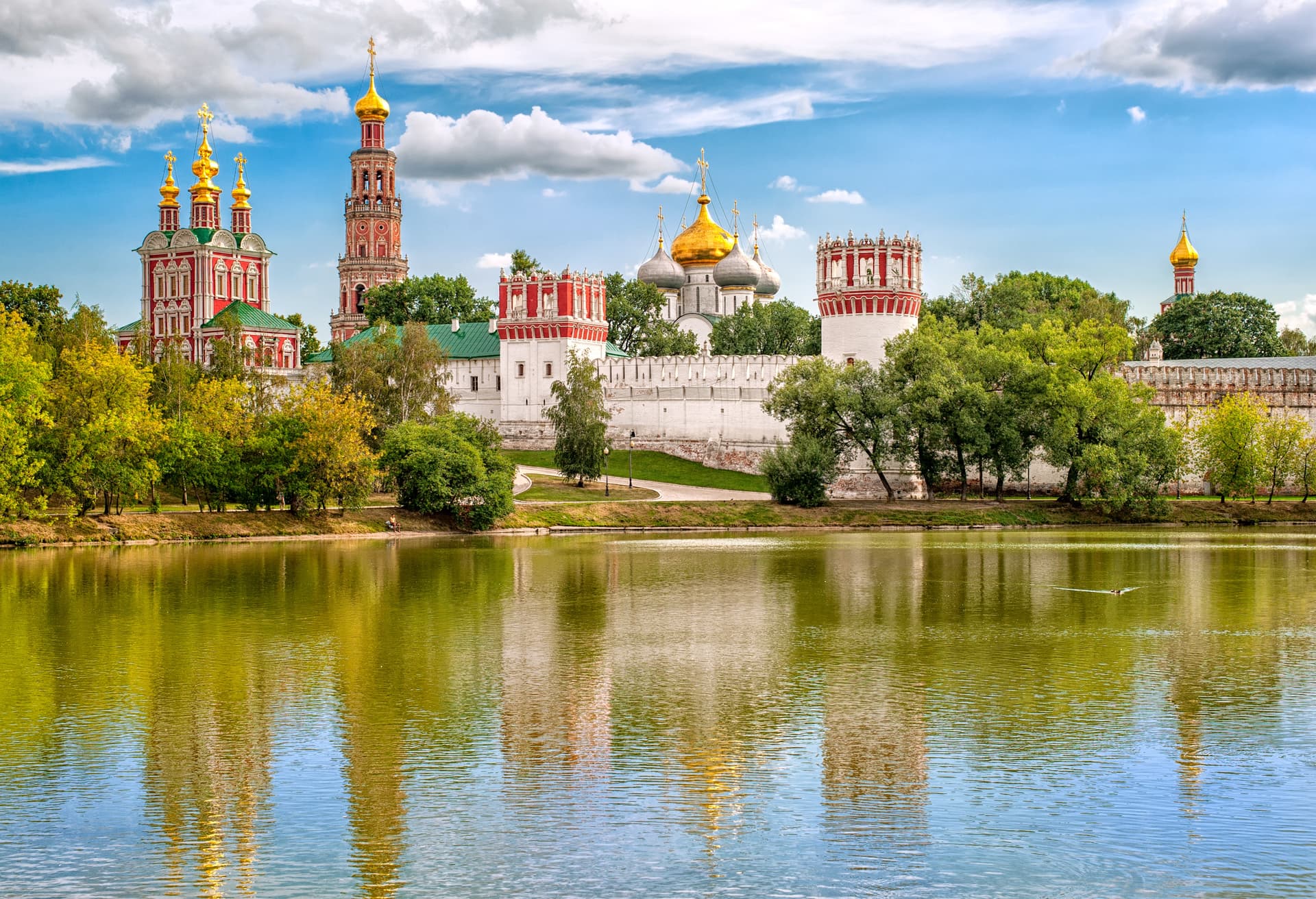
Novodievitchi Convent is a fortified monastic complex in southwestern Moscow, inscribed on the UNESCO World Heritage list since 2004. Founded in the 16th century, it combines remarkably well-preserved Moscow Baroque architecture with an adjacent cemetery where many of modern Russia's leading intellectual and political figures are laid to rest.
Why visit Novodievitchi Convent
The site brings together several attractions rarely found in a single location in Moscow:
- A unified architectural ensemble of Moscow Baroque, UNESCO-listed in 2004.
- A rich history intertwining military roles, forced retreats of aristocrats, and Soviet destiny.
- An adjoining cemetery housing Chekhov, Gogol, Bulgakov, Shostakovich, Stanislavski, Eisenstein, Khrushchev, and Boris Yeltsin.
- A scenic setting around the Novodievitchi pond, away from the bustling city center.
Plan for 1.5 to 2.5 hours depending on whether you explore both the monastic enclosure and the cemetery.
History of the convent
The convent was founded in 1524 by Grand Prince Vasili III to commemorate the conquest of Smolensk in 1514. Initially called the "monastery of the new maidens," it was built as a true fortress, designed to help defend Moscow against incursions from the west.
In the 16th and 17th centuries, the convent housed women from Russian aristocracy and prominent boyar families, sometimes against their will. Notable residents included Irina Fedorovna Godunova, wife of Tsar Feodor I, Sophia Alexeievna Romanova, half-sister of Peter the Great, and Eudoxia Lopukhina, first wife of the tsar.
Between 1610 and 1611, during the Time of Troubles, a Polish unit commanded by Gosniewski seized the site before it was retaken. In the mid-17th century, nuns from Little Russia and White Russia (present-day Belarus) joined the community; in 1721, religious sisters from the Old Believers movement were added.
In 1724, a military hospital and orphanage for girls were established on the grounds. Generously funded by the state, the convent ranked among the wealthiest monasteries in the country during the 18th century. In 1812, during the Napoleonic invasion of Russia, Napoleon's army attempted to demolish the complex; the Smolensk Cathedral and Church of the Assumption were saved by the intervention of the nuns. In 1871, a donation by the Filatiev brothers enabled the opening of a school for orphans of non-noble origin.
In 1922, the Bolsheviks closed the convent and converted it into a museum of women's emancipation, before it was reconverted into a museum of art and history in 1926, then brought under the jurisdiction of Moscow's State Historical Museum in 1934. Part of the buildings served as residences, which paradoxically preserved them. In 1943, Stalin authorized theological courses on the site; the following year, it became a theological institute. Monastic life has since resumed.
What to see on site
The fortified walls
The white walls and twelve defensive towers, built in the late 17th century, give the convent its characteristic silhouette as a fortress-monastery. The ensemble exemplifies Moscow Baroque style, or "Naryshkin Baroque."
Smolensk Cathedral
The convent's centerpiece, erected from its founding, houses an iconostasis and 16th-century frescoes. It is one of the structures the nuns saved in 1812.
Church of the Assumption and bell tower
The Church of the Assumption, with its green cupolas, adjoins the refectory. The six-story bell tower, one of Moscow's tallest in its era, closes the perspective of the enclosure.
Novodievitchi Cemetery
The "new" cemetery, located outside the walls, was inaugurated in 1989 according to designs by architect Ivan Mashkov, extending an older burial ground. It is the final resting place of Anton Chekhov, whose tomb occupies the section known as "the cherry orchard," as well as Nikolai Gogol, Sergei Eisenstein, Alexander Scriabin, Mikhail Bulgakov, Konstantin Stanislavski, Dmitri Shostakovich, Nikita Khrushchev, and Boris Yeltsin. The funerary sculptures, often created by renowned artists, make it an open-air museum.
Practical information
- Duration of visit: 1.5 to 2.5 hours depending on your route.
- Admission fees: access to the enclosure and cemetery is generally free; modest museum entry fee and additional charge for photography.
- Hours: daytime opening, with extended hours in summer for the cemetery. Check ahead, as the museum has certain weekly closures.
- Dress code: before entering churches, women must cover their heads and shoulders.
Best time to visit
Moscow has a continental climate with long, cold winters and mild summers. From late May through September, the convent's gardens and pond shores are particularly pleasant, and the cemetery has extended visiting hours. Autumn, in September and October, offers soft light on the cupolas. In winter, snow highlights the white walls and bulbs, but be prepared for cold weather.
Prefer morning or late afternoon on weekdays to avoid groups, especially in Smolensk Cathedral.
How to get there
The convent is set back from the center, in a bend of the Moscow River. Metro is the most reliable way: Line 1 (red), Sportivnaya station, about ten minutes on foot. Bus is possible but less predictable during rush hour due to Moscow traffic.
Nearby attractions
The convent lends itself well to a combined itinerary with other major sites in the capital and beyond:
- The Pushkin Museum of Fine Arts, a few metro stops away, for European art collections.
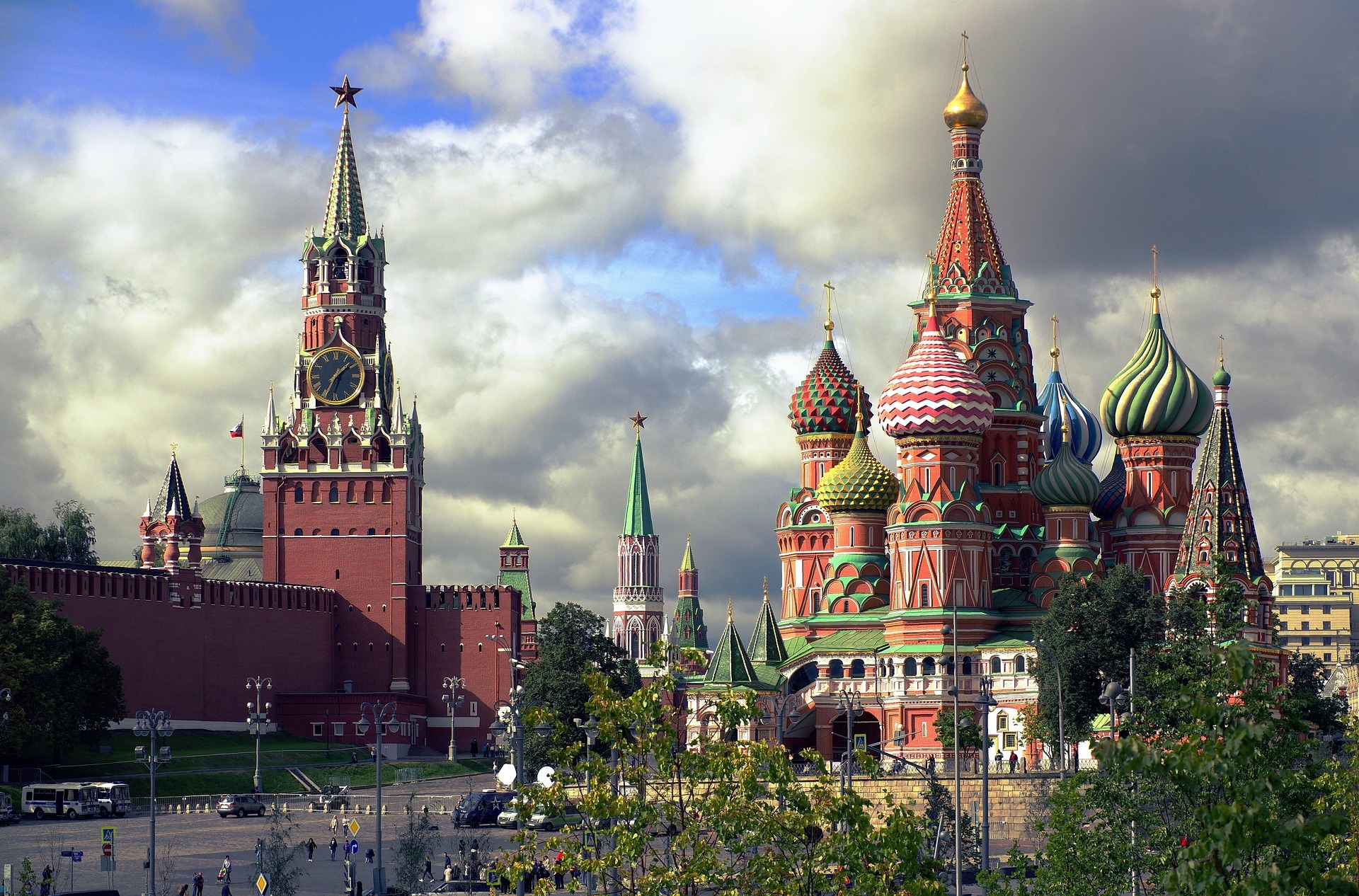
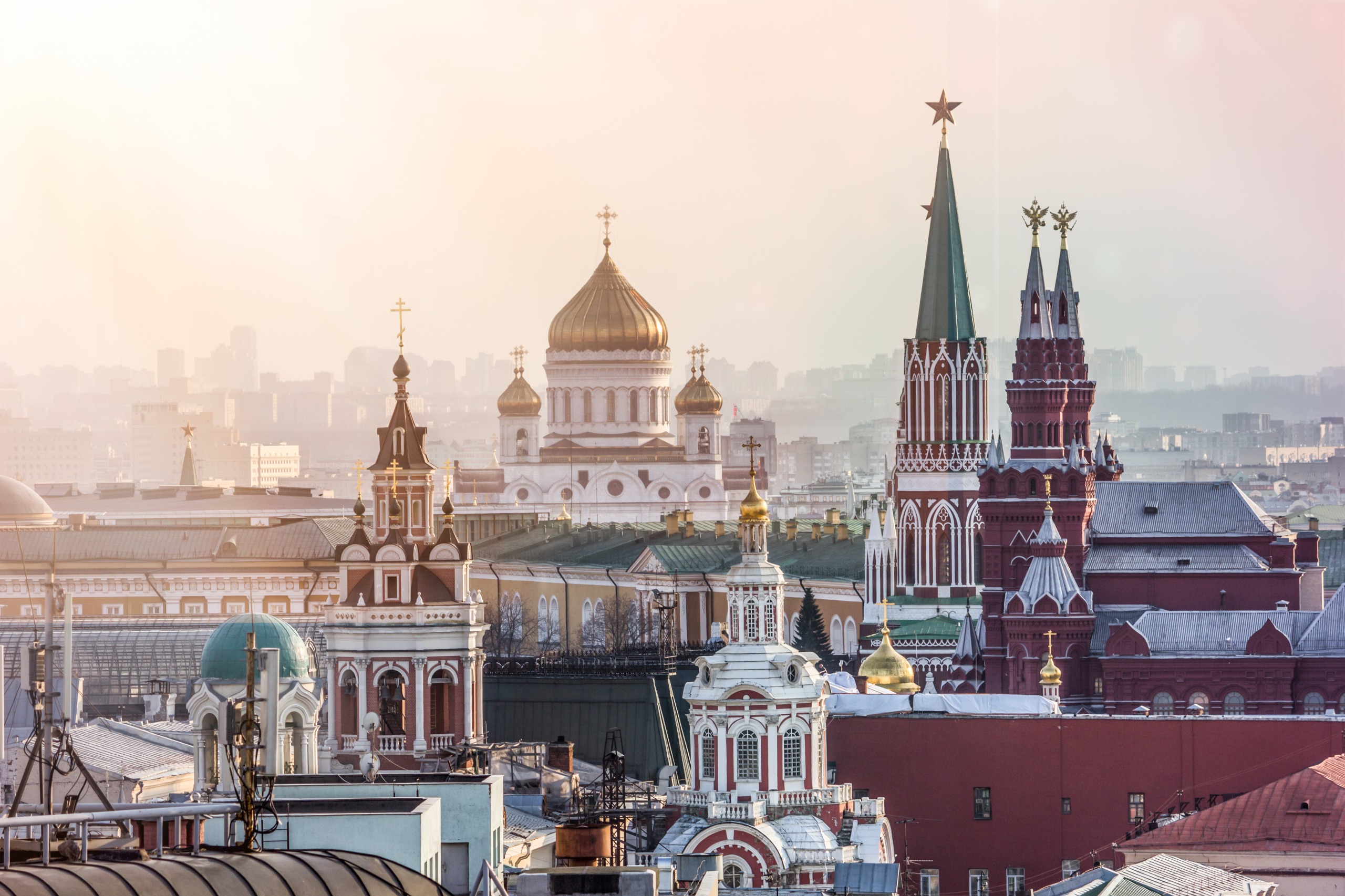
- Red Square and its iconic monuments, in the historic center.
- A Radisson cruise on the Moscow River, to connect the convent to the center by water.
- Kazan Cathedral, on Red Square.
FAQ
Frequently asked questions
Yes, the monastic complex has been inscribed on the UNESCO World Heritage list since 2004, recognized for its Moscow Baroque architecture and its role in Russian history.
Notable burials include Anton Chekhov, Nikolai Gogol, Mikhail Bulgakov, Konstantin Stanislavski, Sergei Eisenstein, Alexander Scriabin, Dmitri Shostakovich, Nikita Khrushchev, and Boris Yeltsin.
The easiest way is by metro: Line 1 (red) to Sportivnaya station, then about ten minutes on foot. Bus is an alternative, but subject to traffic congestion.
Yes. To enter churches still in active use, women must cover their heads and shoulders. Modest attire is recommended for the entire site.
Plan about 1.5 hours for the monastic enclosure, and 2.5 hours if you include the cemetery, which deserves a leisurely exploration.
Including Novodievitchi in a trip to Russia
Novodievitchi Convent fits naturally into a Moscow stay and can be combined with Saint Petersburg or the Golden Ring. To plan a custom itinerary, explore our journeys through Russia.
Nearby
Interested in this visit?
We can include it in your personalised itinerary.