Gorky Park
Gorky Park
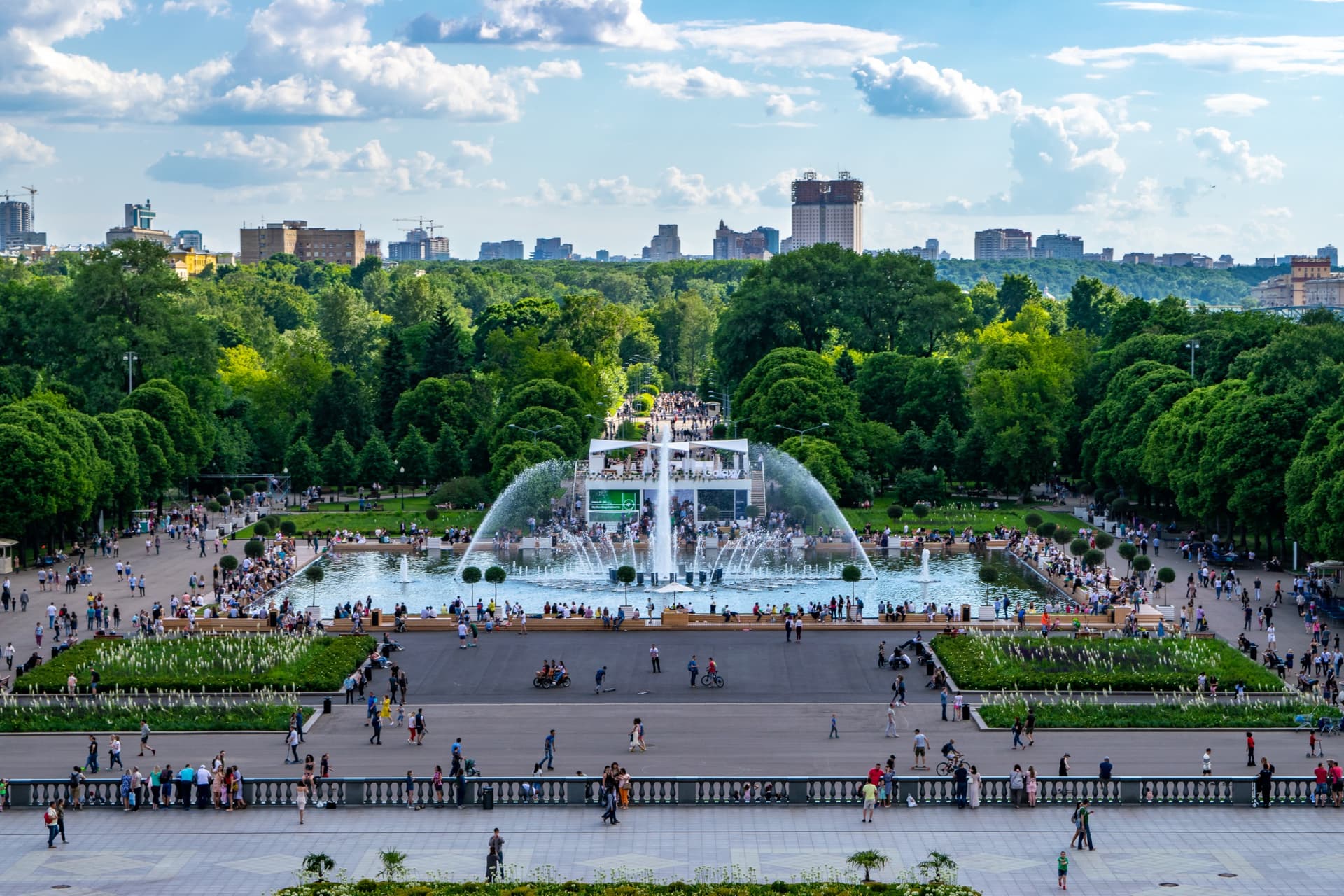
Stretching 3 km along the Moskva River, Gorky Park combines Soviet heritage, contemporary art at the Garage Museum, and year-round outdoor activities.
The Gorky Park spans approximately 3 km along the Moskva River, south of central Moscow. Open year-round, this leisure space blends Soviet heritage, contemporary cultural programming, and outdoor activities. Since its 2011 redesign, it has become one of the most visited destinations in the Russian capital.
Why visit Gorky Park
The park offers a tangible insight into Moscow's evolution: a site conceived in the 1920s as a showcase for socialist leisure, reimagined a century later according to the standards of major European urban parks. Visitors come as much to stroll along the riverbank as to visit the Garage Museum, enjoy the ice rink in winter, or observe Moscow life on a Sunday afternoon.
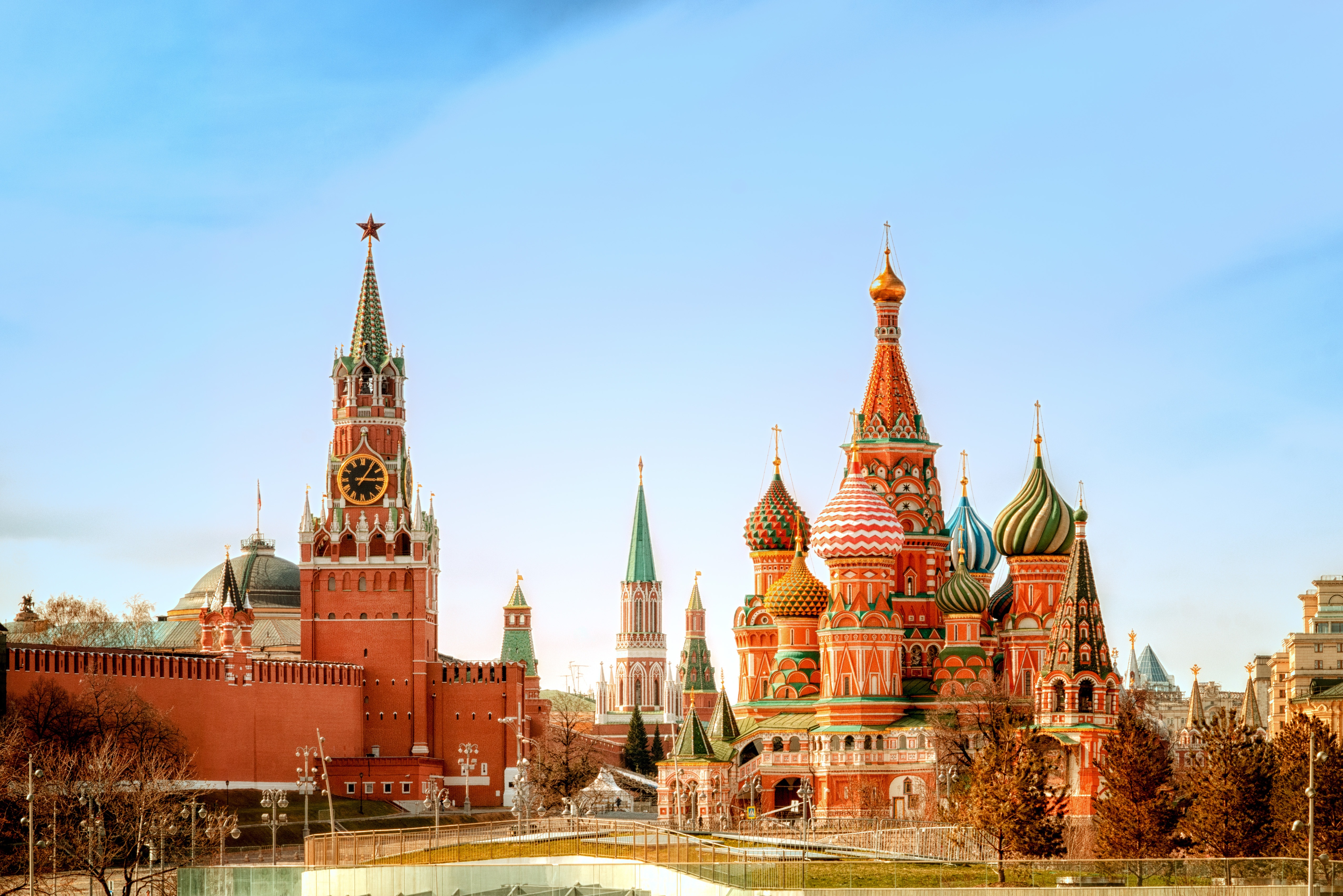
Entry to the park is free, making it an easy stop to incorporate into an urban itinerary, alongside the Red Square or the Kremlin.
History of the park
Before the 1920s, the site was home to a municipal landfill. In 1921, on the orders of Vladimir Lenin, it was cleared to host the first Russian Industrial, Agricultural and Craft Exhibition. Seven years later, in 1928, the space was transformed into a leisure park under the name "Central Park of Culture and Rest," a development project entrusted to Soviet architect Konstantin Melnikov.
In 1932, the park was renamed in honour of writer Maxim Gorky. During the interwar period, it concentrated most of Moscow's public entertainment offerings: dance evenings, sporting events, theatre, and a cinema hall.
The venue later inspired Martin Cruz Smith's crime novel Gorky Park (1981) and its 1983 film adaptation, which contributed to its international reputation, even though the park had lost much of its lustre by then: aging facilities, neglected attractions, and declining visitor numbers.
The turning point came in March 2011. At the initiative of Moscow's city authorities and with the backing of patron Roman Abramovich, a major renovation programme removed old attractions, restored views of the Moskva River, and installed new urban furnishings. Free WiFi, accessible lawns, regular cultural events: Gorky Park became the model that inspired several other Moscow parks thereafter.
What to see and do
Outdoor spaces and activities
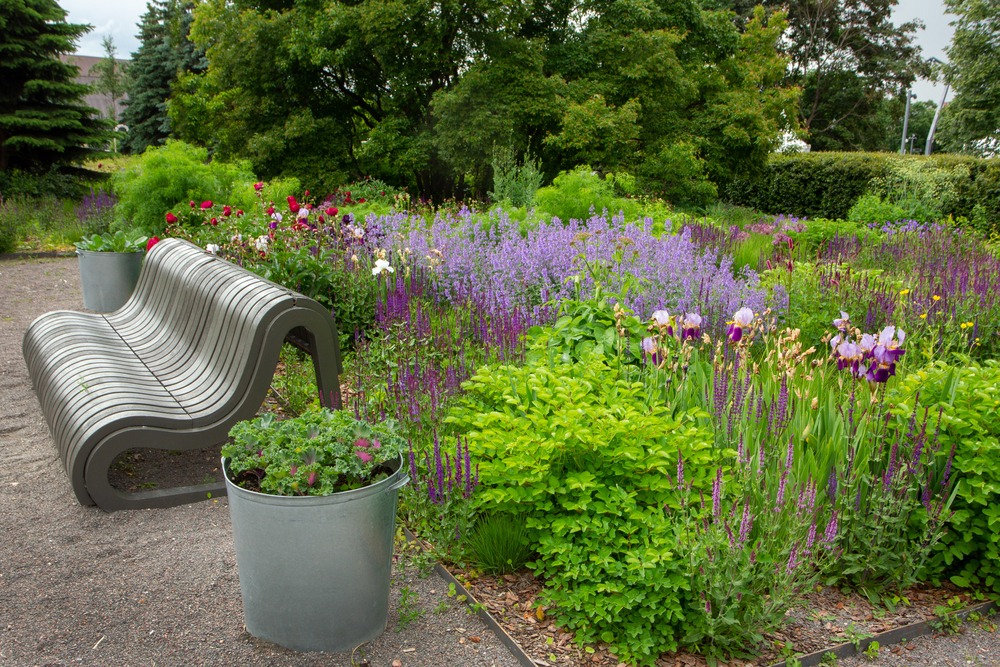
The main pathways run along the river for nearly 3 km, making it a popular walking and jogging route for Muscovites. In season, an urban beach with sand and loungers is set up on the Moskva riverbank. The park also offers horseback rides and boat tours, as well as a bungee jumping platform for thrill-seekers.
The Garage contemporary art museum
Housed in a former Soviet-era bus garage with a deliberately austere façade, the Garage museum is one of Russia's most active contemporary art centres. Temporary exhibitions of international artists, lecture series, and a specialized library: plan to spend 1 to 2 hours on a visit.
For families
Several installations are designed with children in mind, notably a beached ship converted into a play area with climbing walls, ropes, and slides. The lawns are perfect for picnicking, and several cafés and restaurants are scattered throughout the park.
When to visit
Gorky Park is open year-round, but the experience varies significantly by season.
- June to August: mild temperatures, urban beach open, dense cultural programming outdoors. This is the busiest season.
- May and September: more moderate crowds, pleasant walking conditions.
- December to February: the park transforms with the installation of a vast artificial ice rink, touted as one of Europe's largest. Dress very warmly—temperatures frequently drop below -10°C.
Practical information
- Park entry: free.
- Attractions: some activities (ice rink, equipment rental, bungee jumping, Garage Museum) are paid, at generally modest rates.
- Time needed: plan a half-day to explore the main pathways, longer if you include the Garage Museum or the winter ice rink.
- Services: free WiFi, cafés and restaurants, bike rentals in season.
How to get there
The park is served by the Oktyabrskaya metro station (Koltsevaya and Kaluga-Rizhskaya lines). The main entrance, marked by a large neoclassical portico, is just a few minutes' walk away. Park Kultury and Vorobyovy Gory stations also provide access to different sections of the park depending on your starting point.
Nearby attractions
Gorky Park sits in a neighbourhood rich in major sites:
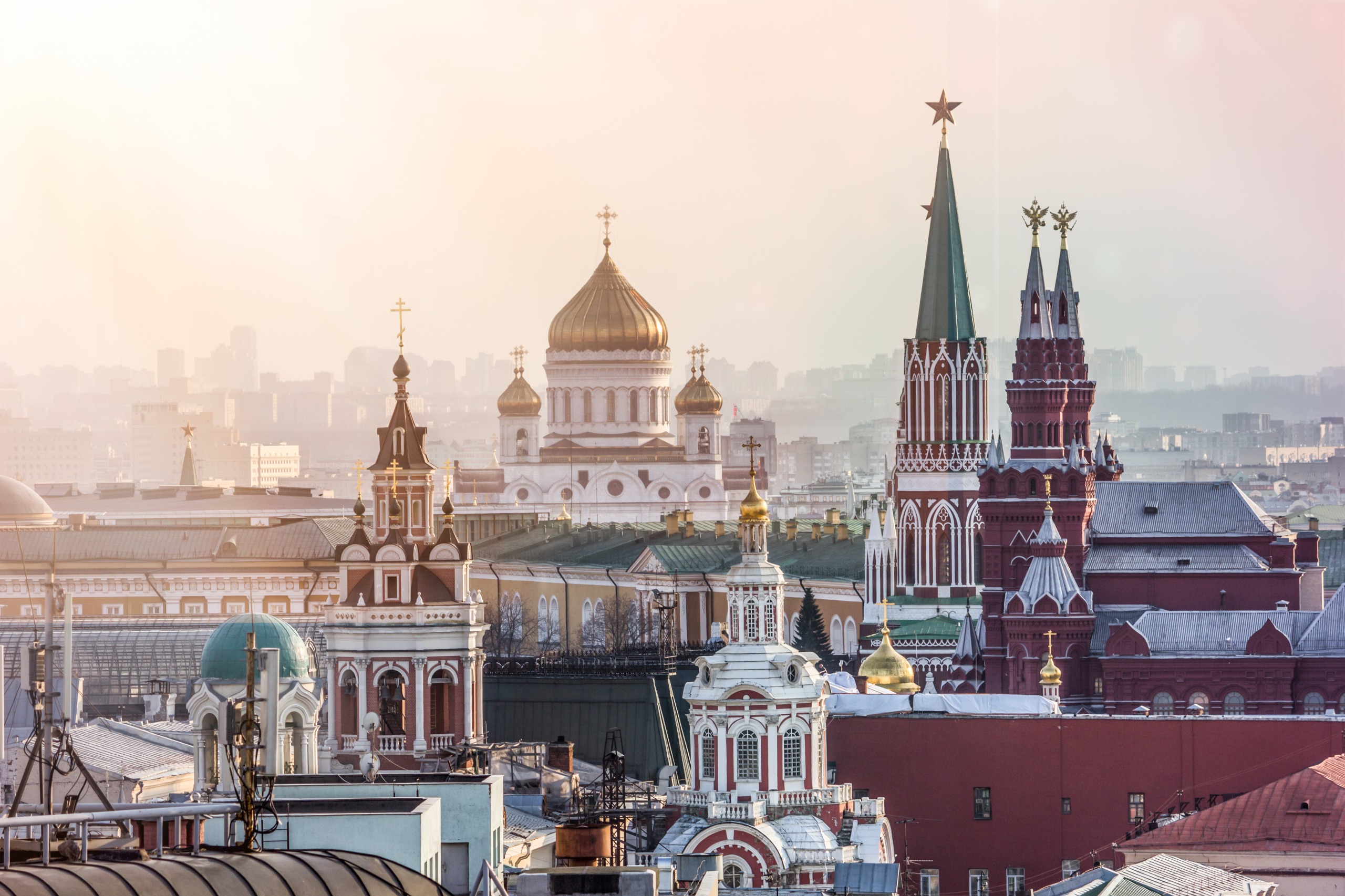
- The Christ the Saviour Cathedral, accessible by strolling along the Moskva River.
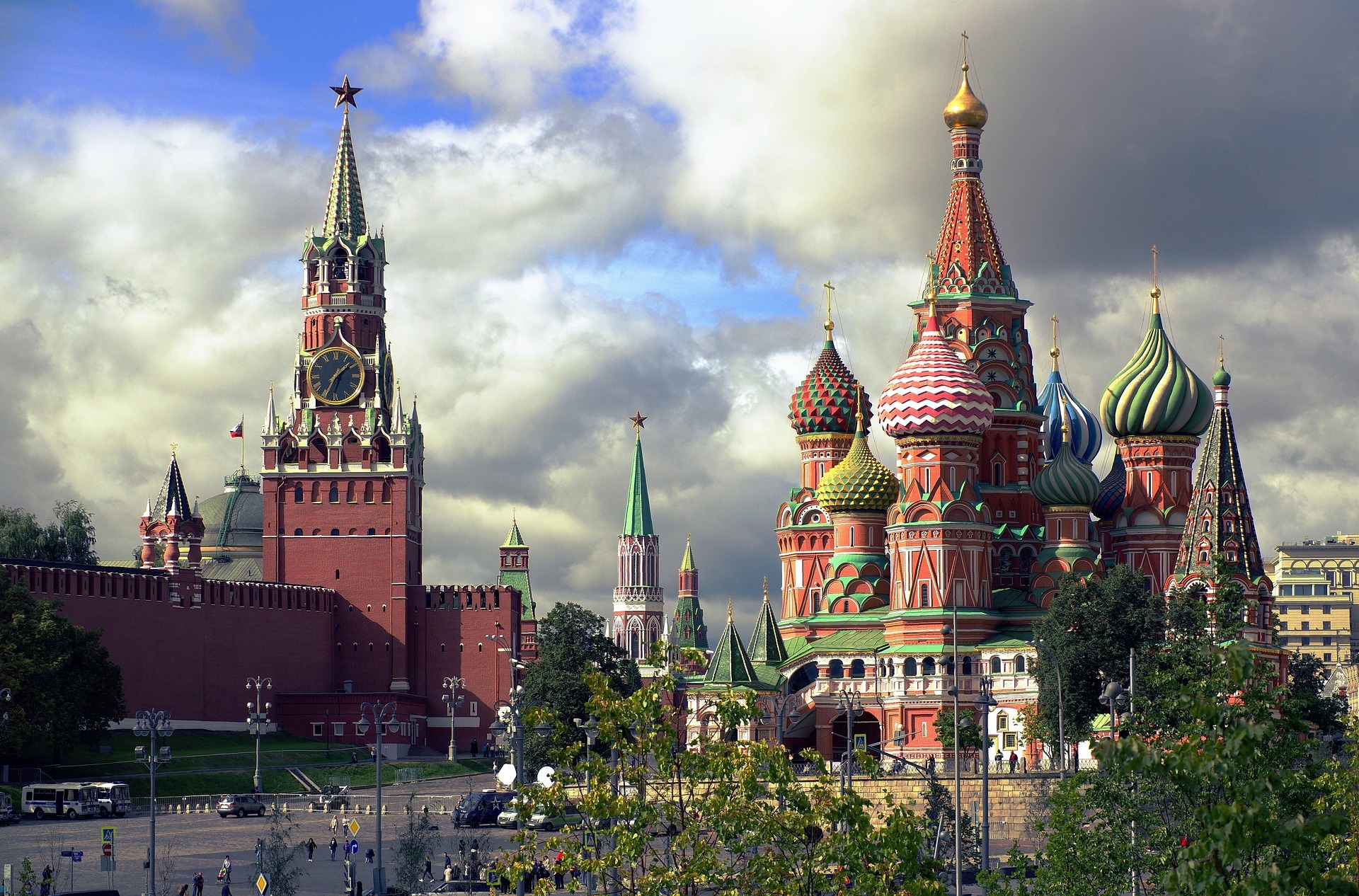
- The Armoury Palace, within the Kremlin, to extend your visit with imperial collections.
- The Kolomenskoye estate, a former residence of the tsars, just a few metro stops away.
Frequently asked questions
Frequently asked questions
Yes, entry to the park is free. Only certain attractions (ice rink, Garage Museum, bungee jumping, rentals) are paid.
Summer (June to August) for the urban beach and outdoor programming; winter (December to February) for the giant ice rink. Both experiences are very different.
Plan about a half-day to enjoy the pathways and views of the Moskva River, and a full day if you add the Garage Museum and several activities.
Yes. Several play areas, including the converted beached ship, boat or horseback rides, and expansive lawns make it a family-friendly destination.
The nearest station to the main entrance is Oktyabrskaya. Park Kultury and Vorobyovy Gory stations provide access to other sections of the park.
Including Gorky Park in your trip
An easy stop to combine with the major landmarks of the city centre, Gorky Park provides a break between two sightseeing visits. To plan a journey that includes Moscow and Russia's major cities, explore our trips to Russia.
Nearby
Interested in this visit?
We can include it in your personalised itinerary.