Peter and Paul Fortress
Peter and Paul Fortress
Birthplace of Saint Petersburg founded in 1703, the Peter and Paul Fortress houses the Romanov necropolis, a cathedral with a 122.5 m bell tower and several museums.
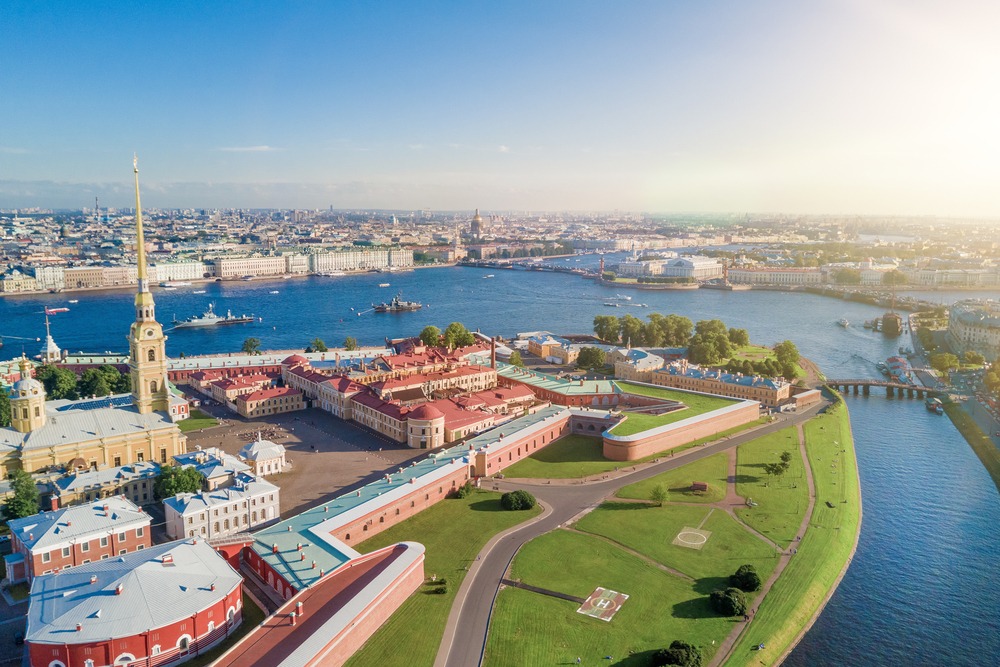
The first structure of Saint Petersburg, the Peter and Paul Fortress was founded in 1703 by Peter the Great on Zayatchy Island, known as the "Island of Hares". Designed as a military bastion against the Swedes, it never came under attack and successively served as an imperial necropolis, political prison, and then museum. Today it stands as one of the city's principal heritage complexes.
Why visit the Peter and Paul Fortress
The site condenses multiple layers of Russian history onto a single island. This is where the city was born on May 16, 1703 (May 27 in the Gregorian calendar), the official founding date of Saint Petersburg. The cathedral that stands at its center houses the tombs of the Romanov tsars, from Peter the Great to Nicholas II. The former casemates, meanwhile, recall the fortress's political role in the 18th and 19th centuries, when it served as a state prison.
The ensemble thus brings together military architecture, Baroque art, dynastic memory, and penitentiary history all in one place, situated on an island connected to the rest of the city by two pedestrian bridges.
History of the Fortress
In 1700, Peter the Great launched his first war against Sweden to open Russia a "window on Europe" onto the Baltic. This initial attempt ended in failure. Three years later, the tsar took the initiative again and drove the Swedes from the mouth of the Neva. On May 16, 1703, he laid the first stone of a fortification on Zayatchy Island: this marks the birth of Saint Petersburg.
Construction proceeded at an exceptional pace. Within five months, an earthwork and wooden palisade rose from the ground, mobilizing 20,000 soldiers and several thousand workers. Three more years were then needed to replace these ramparts with stone walls, followed by four additional years to give the fortress its current appearance. The plans were entrusted to Italian architect Domenico Trezzini, who also designed the Peter and Paul Cathedral, erected at the heart of the enclosure.
Never attacked, the citadel quickly changed function. It became the burial place of Russia's tsars and members of the Romanov dynasty. In the 18th century, it also housed a state prison. Its first inmate was none other than Aleksei, son of Peter the Great. It subsequently imprisoned writer Fyodor Dostoyevsky, Maxim Gorky, Leon Trotsky, and Alexander Ulyanov, elder brother of Lenin. The fortress was converted into a museum in 1924.
What to See on the Site
The Peter and Paul Cathedral
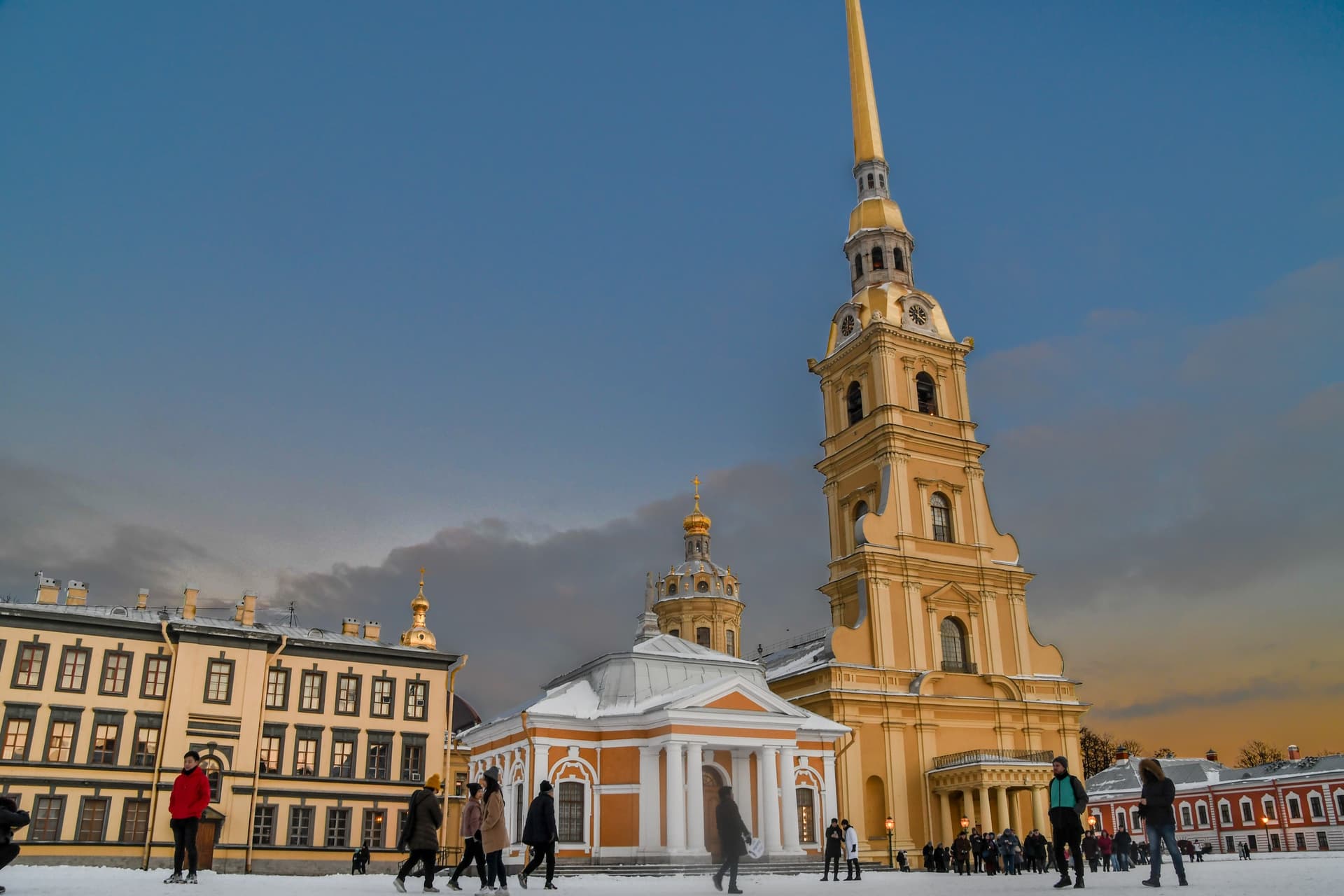
Trezzini's masterpiece, it is distinguished by its 122.5-meter bell tower, one of the highest points in the historic center. Inside, the imperial necropolis houses the tombs of virtually all the Romanov sovereigns.
The Mint Court
Still in operation, the Russian State Mint continues to strike coins, medals, and official decorations to this day. A portion of its historic workshops is visible from within the enclosure.
The Museums
- The State Museum of Saint Petersburg, dedicated to the city's history
- The Museum of Space Exploration and Rocket Technology
- The former casemates and detention cells, converted into visitor routes
The Ramparts and Beach
Walking along the walls offers clear views of the Neva and the historic center. On fine days, the band of sand surrounding the ramparts transforms into an urban beach, frequented by locals for strolls or sunbathing.
Practical Information
The territory of Hares Island is freely accessible for much of the day. However, access to the buildings (cathedral, museums, prison) is ticketed, with more restricted hours and variable weekly closures depending on the site. Several options are available: individual tickets per building or combined ticket providing access to all attractions over two days at an advantageous rate. Plan 2 to 4 hours to tour the main highlights of the site.
As rates and hours change regularly, it is recommended to verify up-to-date information before your visit.
When to Visit
The fortress can be visited year-round, but the experience varies considerably depending on the season.
- June to August: the most pleasant period, with white nights, ramparts bathed in light until late, and an animated urban beach.
- May and September: mild temperatures, moderate crowds, ideal for museum visits.
- Winter (December to March): frozen Neva and very photogenic atmosphere, but intense cold; outdoor visits happen quickly.
The cannon shot fired daily at noon from the Naryshkin Bastion is a traditional meeting point not to be missed.
How to Get There
The fortress occupies Zayatchy Island, connected to the rest of the city by two pedestrian bridges: Ioannovsky to the northeast and Kronverksky to the west.
- Metro: Gorkovskaya station (Line 2, the closest, approximately 10 minutes on foot) and Sportivnaya (Line 5).
- On foot: from the Hermitage and the south bank of the Neva, allow about twenty minutes crossing the Trinity Bridge.
- By boat: in season, river shuttles call nearby.
Nearby Attractions
- The Peter and Paul Cathedral: at the center of the enclosure, it complements the fortress visit directly.
- The Admiralty of Saint Petersburg: on the opposite bank of the Neva, former imperial shipyard.
- Saint Isaac's Cathedral: the city's largest dome, approximately 30 minutes' walk away.
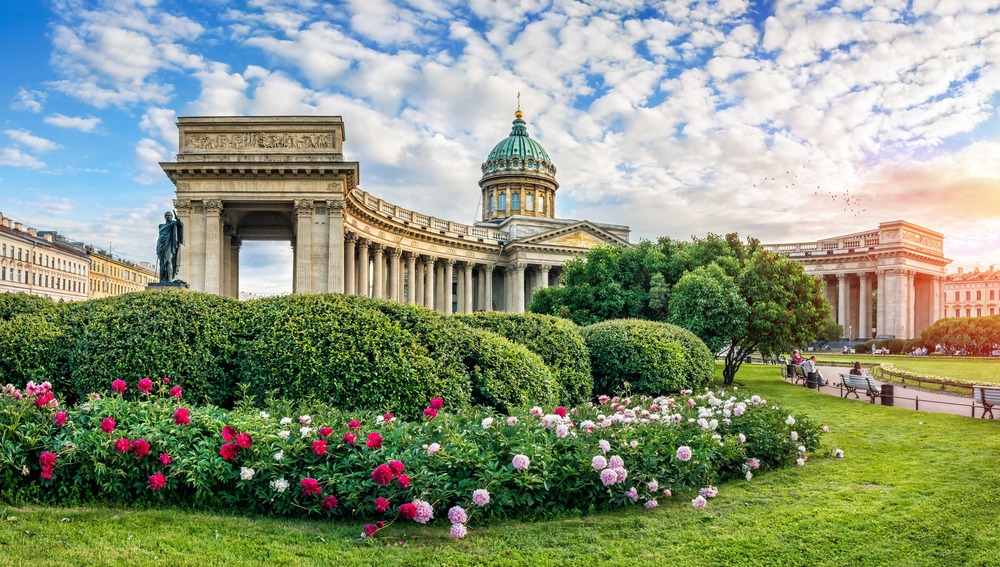
- Kazan Cathedral: on Nevsky Prospect, in the historic heart.
Frequently Asked Questions
Frequently asked questions
Allow 2 to 4 hours to walk the ramparts, visit the cathedral, and see one or two museums. A full day is needed to explore all the buildings with the combined ticket.
Access to the island and ramparts is free. However, the cathedral, prison, and museums are ticketed. A combined ticket valid for two days allows you to visit everything at an advantageous rate.
Yes, the imperial necropolis is located inside the Peter and Paul Cathedral. It houses the burials of the Romanovs, from Peter the Great to Nicholas II and his family, interred in 1998.
The band of sand surrounding the ramparts is freely accessible. It comes alive on fine days, particularly in summer. Swimming in the Neva is not recommended, however.
The Gorkovskaya station (Line 2) is the most direct: approximately 10 minutes on foot to the Ioannovsky Bridge. Sportivnaya (Line 5) is an alternative from the west.
Plan Your Visit
The Peter and Paul Fortress fits naturally into an itinerary centered on Saint Petersburg and Russian imperial heritage. To incorporate this site into a comprehensive circuit, consult our travels in Russie.
Nearby
Interested in this visit?
We can include it in your personalised itinerary.