The Cathedral of the Saviour on Spilled Blood
The Cathedral of the Saviour on Spilled Blood
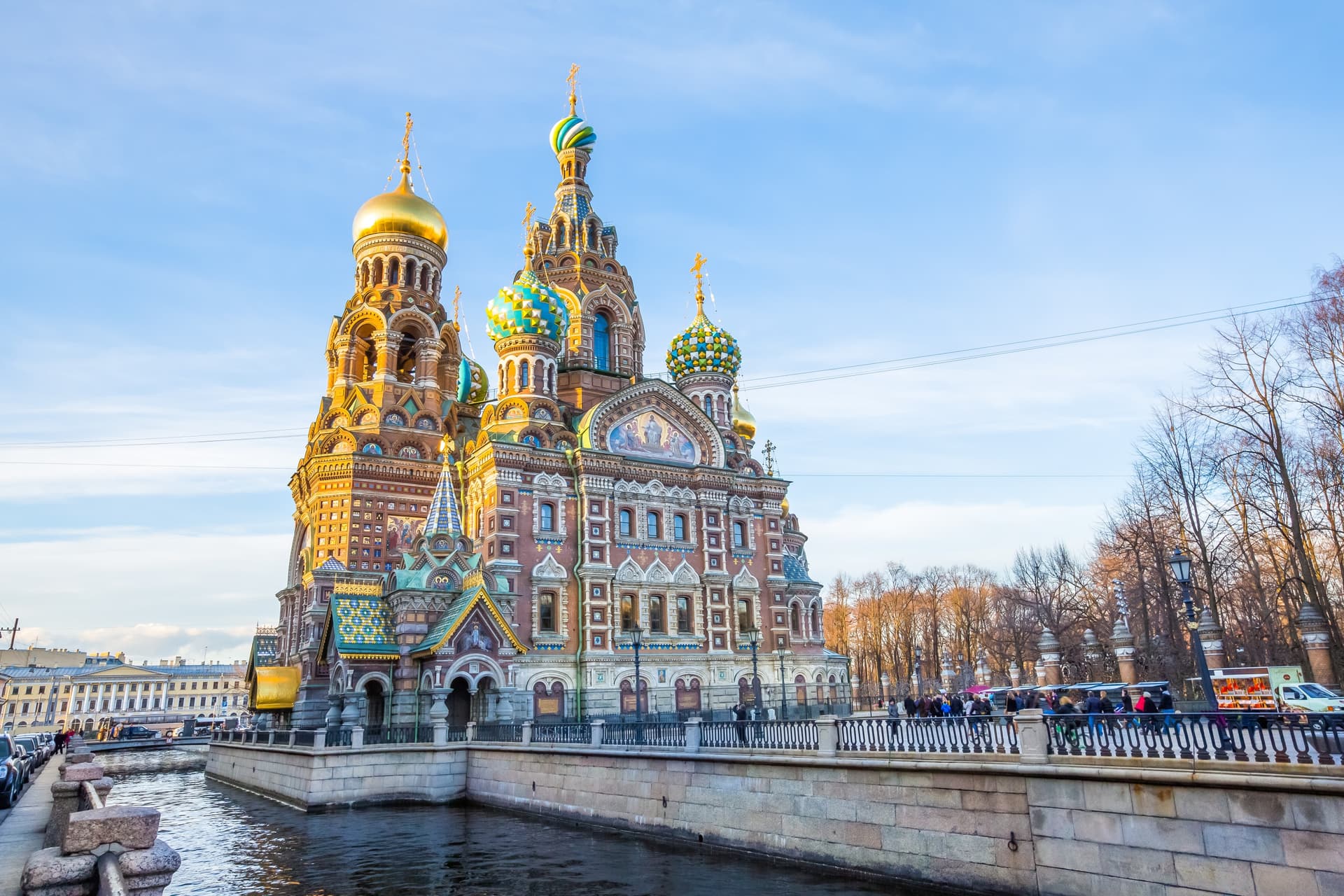
On the Griboedov Canal, the Church of the Saviour on Spilled Blood commemorates the assassination of Alexander II and houses 7,000 m² of mosaics.
The Church of the Saviour on Spilled Blood rises on the banks of the Griboedov Canal in Saint Petersburg, just steps from Nevsky Prospect. Its silhouette of colorful domes stands in sharp contrast to the baroque and neoclassical architecture that dominates the city. This edifice is more than a place of worship: it marks the exact location where Tsar Alexander II was killed in a bombing attack on March 13, 1881.
Why visit this cathedral
Three main reasons draw visitors here. First, its profound historical significance: the church was erected to commemorate a political assassination that marked a turning point in Russian history. Second, its architecture stands in stark contrast to the Petersburgian urban landscape; its forms draw from medieval Russian style, in keeping with the great Muscovite Orthodox tradition. Third, its interior is almost entirely covered with mosaics, making it one of Russia's most densely decorated ensembles.
History: a memorial to Tsar Alexander II
On March 13, 1881, Alexander II, known as the "Tsar Liberator" for abolishing serfdom in 1861, was mortally wounded by a bomb thrown by a member of the revolutionary movement Narodnaya Volya. The attack occurred on the Griboedov Canal embankment. His son, Alexander III, decided to erect a religious memorial on this very site.
Construction began in 1883 and stretched over more than two decades. The edifice was not consecrated until 1907, under the reign of Nicholas II. The cathedral reaches a height of 81 meters, a figure echoing the year of the assassination. The choice of medieval Russian style, inspired by the Saint Basil's Cathedral in Moscow, reflected a political will: to reconnect with a pre-Petrine Russian identity, deliberately departing from the European aesthetic adopted by Peter the Great and his successors.
During the twentieth century, the building endured difficult decades. Closed under the Soviet regime, used as a warehouse, damaged during the Siege of Leningrad, it reopened as a museum following extensive restoration completed in the late 1990s.
What to see on site
The exterior and domes
Before entering, take time to observe the façade from the canal. The nine domes, covered with colored enamels, create an asymmetrical silhouette characteristic of ancient Russian architecture. The walls alternate between red brick, white marble, and ceramic panels. The portals are adorned with coats of arms representing the cities and provinces of the Russian Empire.
The interior mosaics
The interior contains approximately 7,000 m² of mosaics, one of Europe's largest mosaic surfaces. The compositions, executed by the Frolov workshops from designs by artists including Vasnetsov and Nesterov, depict biblical scenes, saints, and episodes of the Passion. Colors, dominated by golds, deep blues, and reds, retain remarkable intensity thanks to the molten glass technique.
The ciborium
At the heart of the edifice, a marble ciborium marks the precise spot of the assassination. The original street pavement has been preserved beneath a protective vault: this is the point that justifies the cathedral's very existence.
Practical information
- Duration of visit: allow 1 to 1.5 hours to explore the building at a leisurely pace.
- Tickets: moderate price, available for purchase on-site or online. An additional charge may apply for evening visits.
- Opening hours: open most days of the week, with a weekly closure day that varies by season. Check before your visit.
- Crowds: avoid mid-morning during peak season, when tour groups concentrate here. The earliest opening hours remain the most peaceful.
How to get there
The cathedral is located in the historic center, about five minutes' walk from Nevsky Prospect. The nearest metro station is Nevski Prospekt / Gostiny Dvor (lines 2 and 3). From there, follow the Griboedov Canal northward; the cathedral soon comes into view. Numerous buses and trolleybuses also serve Nevsky Prospect.
When to visit
Saint Petersburg is ideally visited from late May through early September, during the "white nights" when daylight persists late into the evening and illuminates the dome colors beautifully. Spring and early autumn offer more moderate crowds. In winter, snow enhances the polychrome façade, but daylight is shorter and interior light less abundant for admiring the mosaics.
Nearby attractions
The cathedral sits within a dense area of monuments:
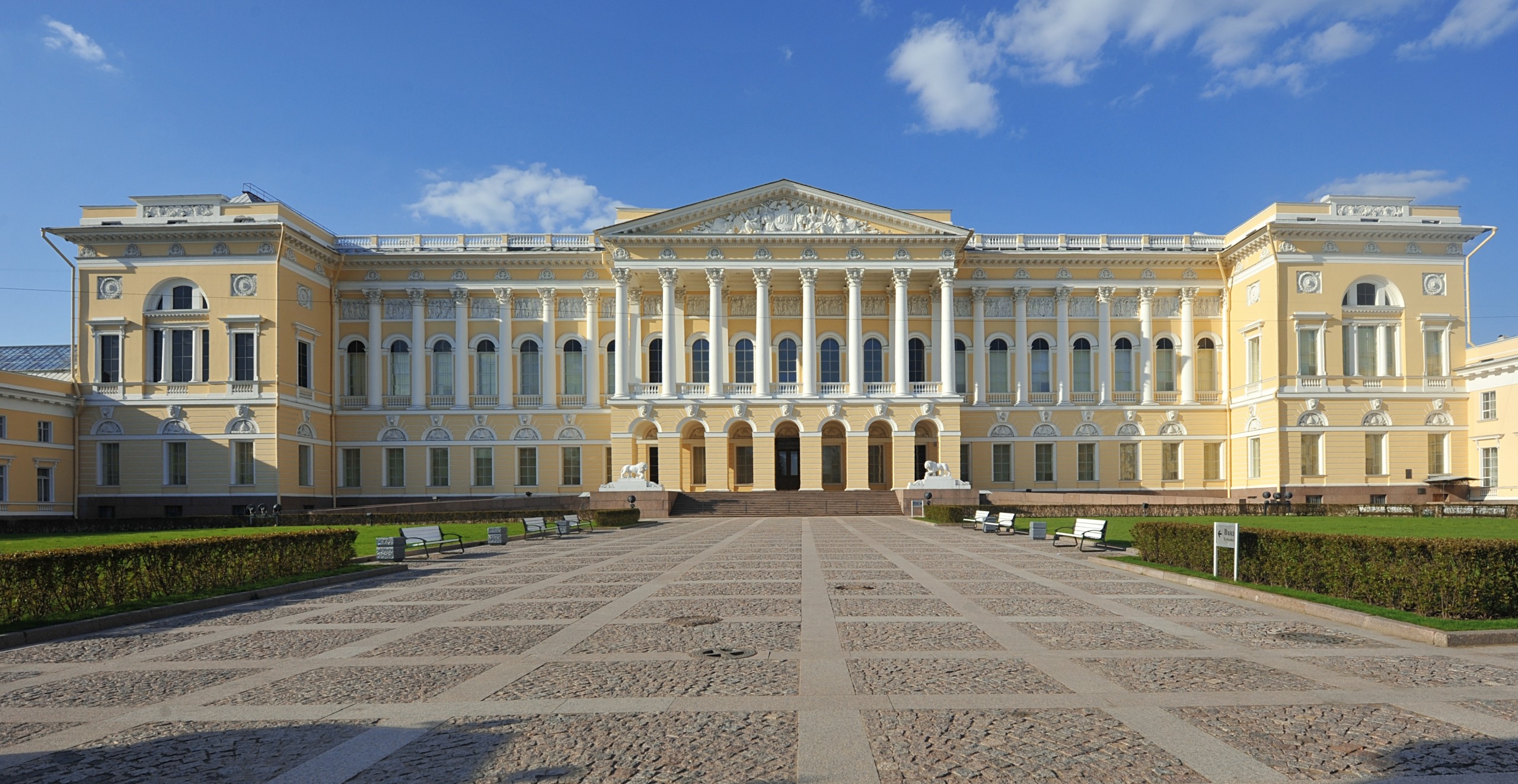
- The Russian Museum park, just next door, houses the country's largest collection of Russian art.
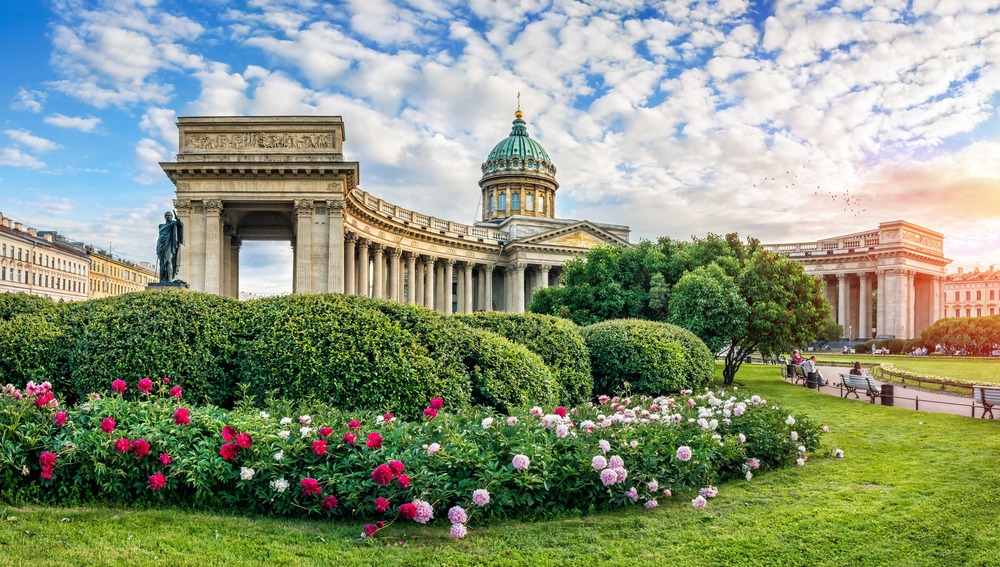
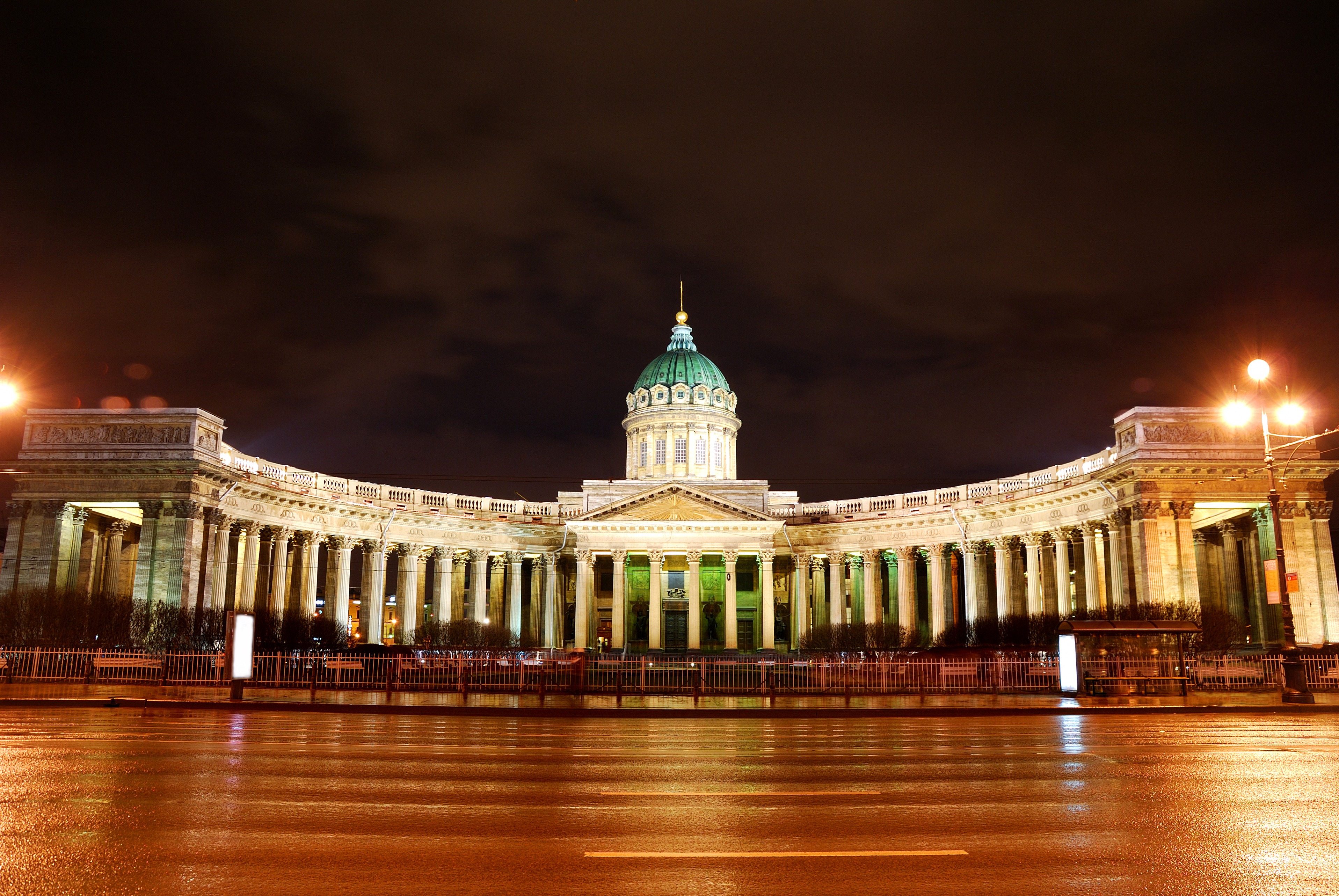
- The Kazan Cathedral, a ten-minute walk along Nevsky Prospect.
- The Admiralty of Saint Petersburg, continuing toward the Neva.
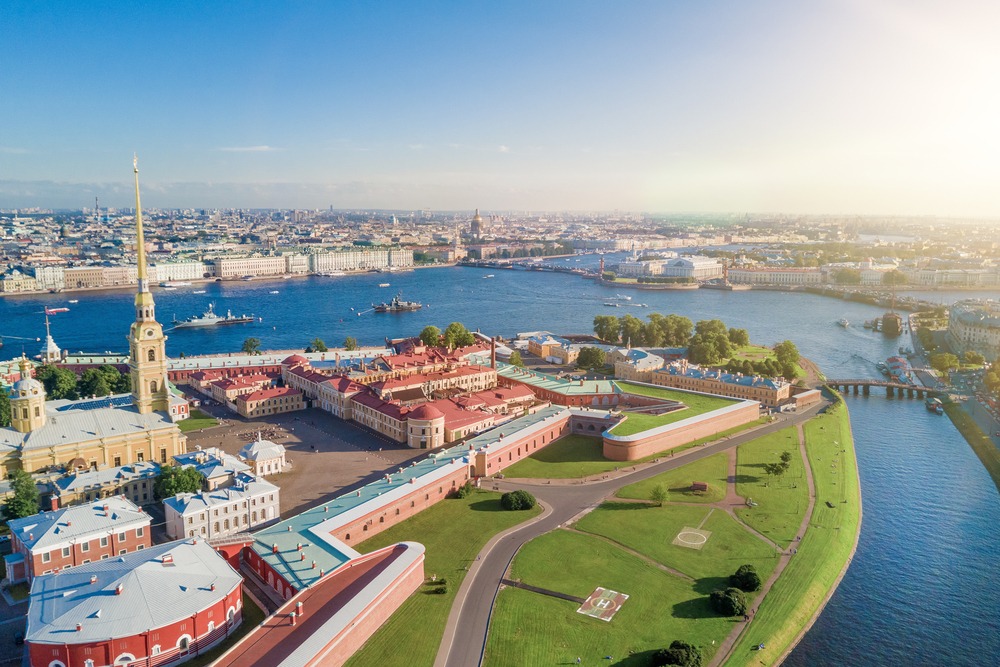
- The Peter and Paul Cathedral, on Hare Island, accessible in about twenty minutes.
Frequently asked questions
Frequently asked questions
Prepare your visit
To integrate the Church of the Saviour on Spilled Blood into a broader itinerary between Moscow and Saint Petersburg, explore our Russia travel packages designed with English-speaking guides.
Nearby
Interested in this visit?
We can include it in your personalised itinerary.