The Romanov Boyars' Palace
The Romanov Boyars' Palace
Birthplace in Moscow of the Romanov dynasty, this 16th-century palace recreates boyar life before 1613, just steps from Red Square.
At the heart of Kitaï-Gorod, Moscow's former merchant quarter, the Romanov Boyars' Palace preserves the memory of the family that ruled Russia from 1613 to 1917. This 16th-century residence, converted into a museum in the 19th century, offers a glimpse into the daily life of a great boyar lineage before its rise to the throne.
Why visit the Romanov Boyars' Palace
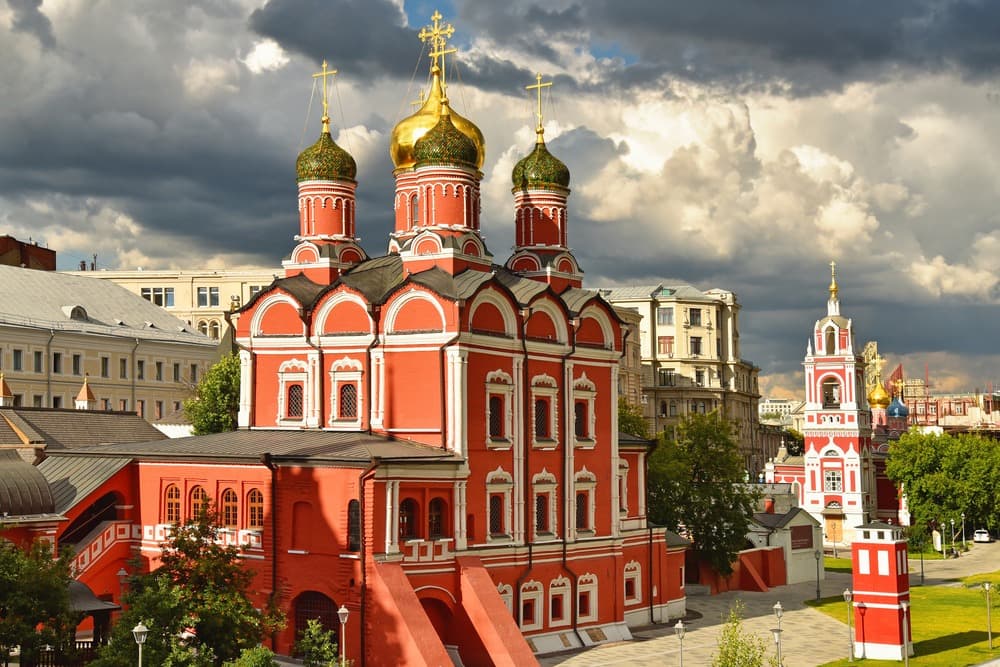
The site offers a rare perspective on Russian aristocracy before Peter the Great: red stone architecture, interiors reconstructed room by room, period domestic objects and clothing. Unlike the imperial splendor of the Kremlin or the palaces of Saint Petersburg, you step into a 16th-17th century family residence, on a human scale, where every detail (furniture, crockery, icons) serves to illuminate the social codes of a great boyar family.
The visit is relatively brief (allow around 1 hour), making it a coherent complement to exploring the historic center, just steps from Red Square.
History of the palace
The building was constructed in the 16th century by Nikita Romanovitch Zakharyev-Yuryev, a direct ancestor of the Romanov dynasty, in the commercial quarter of Zariadé (now Kitaï-Gorod). The family resided here until 1613, when Mikhail Romanov was elected tsar and moved to the Kremlin.
The palace was subsequently ceded to monks, who added the upper section of the building. In the mid-19th century, Tsar Alexander II (Aleksandr Nikolaïevitch Romanov) purchased the residence from the religious community and had it transformed into a museum dedicated to boyar lifestyle. Inaugurated in the late 1850s under the name "House of the Romanov Boyars," it was among the city's first museological institutions.
A complete renovation undertaken in 2017-2018 restored the volumes, painted decoration, and presentation of the collections.
What to see inside
The first surprise upon entry: the deliberately low height of the doorways. According to tradition, this feature obliged visitors to bow when crossing the threshold, marking their deference to the masters of the house.
The interior layout respects the separation of the sexes typical of boyar residences:
- First floor, masculine spaces: dining room, boyar's chamber, eldest son's chamber, library.
- Second floor, feminine spaces: rooms reserved for the women of the household, organized around domestic activities and needlework.
The collections displayed include carved wooden chests, fine tableware, period clothing, embroideries, feminine jewelry, as well as paintings and icons. The ensemble documents the material life of a boyar family in the 16th and 17th centuries.
Practical information
- Address: Varvarka Street, Kitaï-Gorod district, Moscow.
- Duration of visit: 45 minutes to 1.5 hours depending on your interest in the period.
- Closure days: Tuesday and first Monday of each month.
- Admission fees: moderate entrance fee, tickets available on-site; check current conditions with the museum before your visit.
- Language: signage primarily in Russian, audio guide in English where available.
When to visit
The museum is open year-round. The months of May through September offer the most pleasant conditions for combining this stop with a stroll through the historic center. In winter, despite the cold, you benefit from considerably reduced crowds and light that highlights the building's red brick.
What to see nearby
The palace integrates easily into an itinerary through Moscow's historic heart:
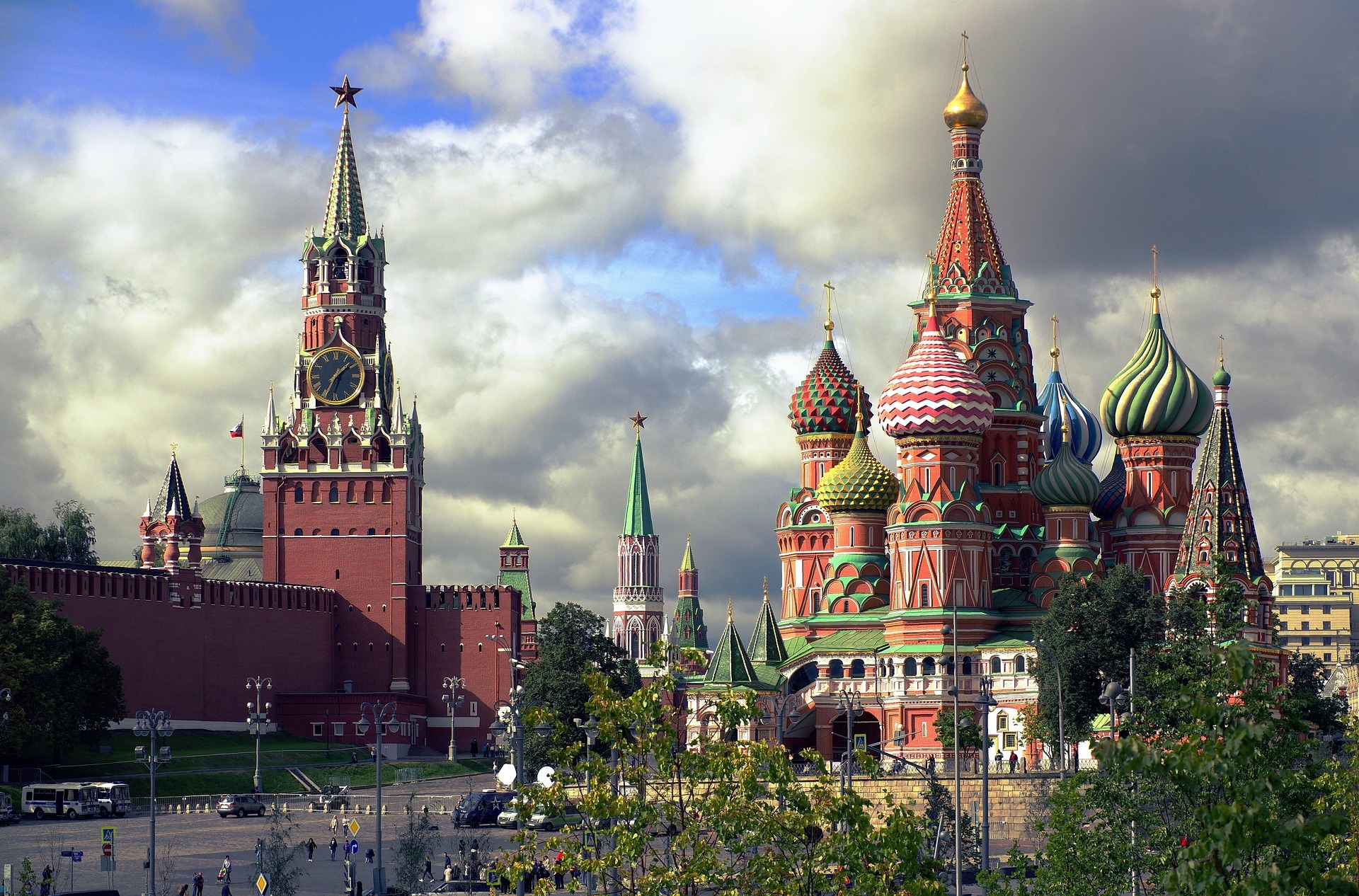
- The Saint Basil's Cathedral, just a few minutes' walk away on Red Square.
- The Kremlin and its cathedrals, where the Romanovs settled from 1613 onwards.
- The Pushkin Museum of Fine Arts, to extend your artistic discovery.
- A cruise on the Moskva River with Radisson Cruise for another perspective on the city.
How to get there
The simplest means is the metro: Kitaï-Gorod station (orange line no. 6 / purple line no. 7), approximately 5 minutes' walk from the palace. From Red Square, allow about ten minutes of walking via Varvarka Street. The district is entirely pedestrian on its main axes, making access from other city center sites very straightforward.
Frequently asked questions
Frequently asked questions
Between 45 minutes and 1.5 hours is sufficient to go through all the rooms, depending on your interest in the boyar period and reading the information panels.
The signage is primarily in Russian. An audio guide in English is sometimes available. For a guided tour in English, it is better to arrange a private guide or contact a local agency.
Yes, the room recreations, costumes and everyday objects make the visit tangible for a young audience, especially if preceded by a brief introduction to the Russian tsars.
Attendance remains moderate, and purchasing on-site is generally possible. During peak summer season, checking availability beforehand remains prudent.
The immediate proximity of Red Square, the Kremlin and Saint Basil's Cathedral allows you to group them all within the same half-day.
Prepare your trip
The Romanov Boyars' Palace naturally fits into a cultural stay in Moscow and beyond. To build a complete itinerary through Russia, consult our trips in Russia and their thematic stages centered on imperial history and Orthodox architecture.
Nearby

Interested in this visit?
We can include it in your personalised itinerary.