Lenin's Mausoleum
Lenin's Mausoleum
On Red Square in Moscow, Lenin's Mausoleum has housed the embalmed remains of the founder of the USSR in a red granite pyramid since 1924.
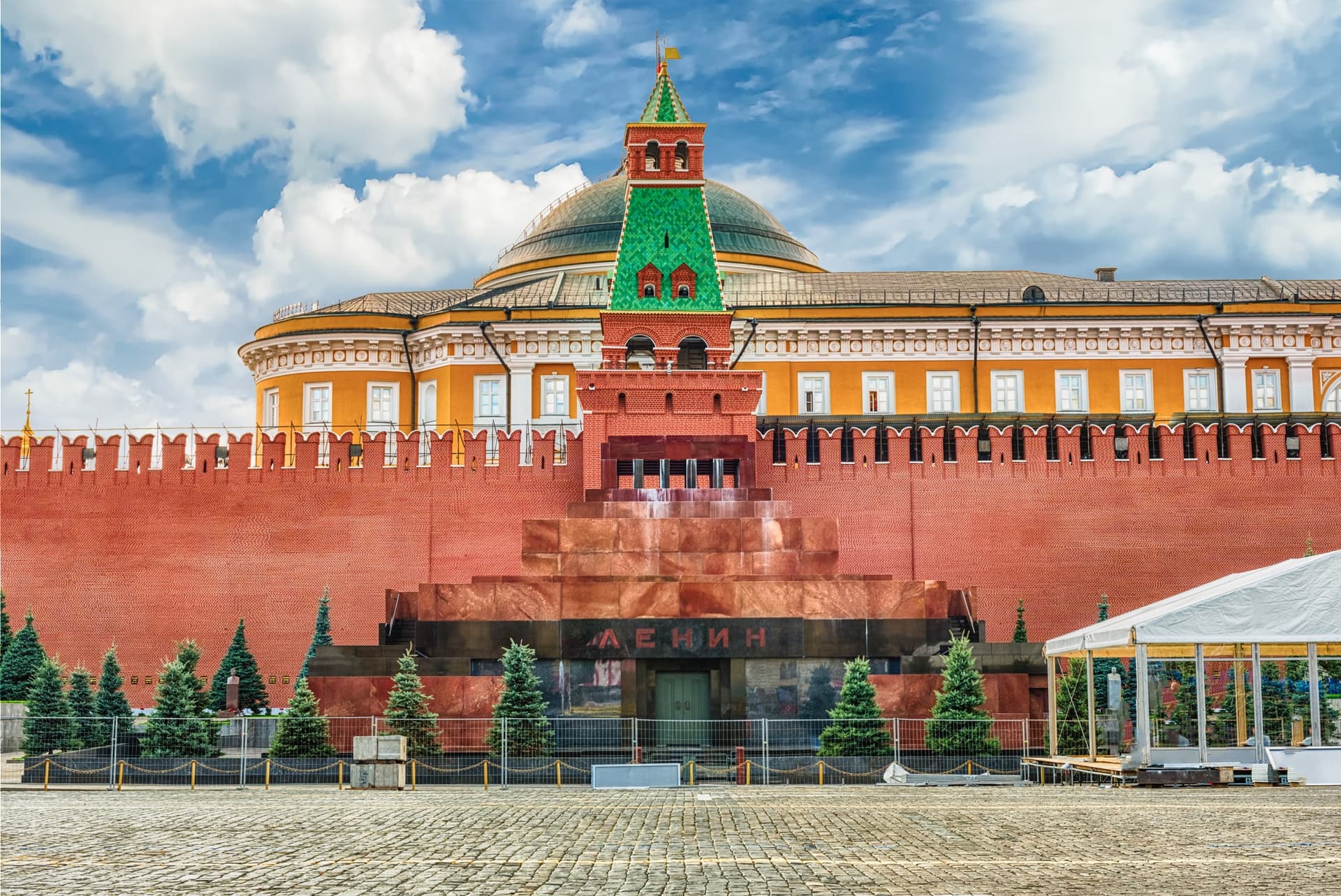
On Red Square, set against the wall of the Kremlin, Lenin's Mausoleum has housed the embalmed remains of the founder of the USSR since 1924. Its red granite pyramid remains one of the most symbolically charged buildings in Moscow and bears witness to the Soviet era.
Why visit Lenin's Mausoleum
Few monuments concentrate so much political history in such a small space. The mausoleum allows you to come as close as possible to the figure of Vladimir Ilyich Ulyanov, known as Lenin, whose body has been on display for nearly a century in a glass sarcophagus. The visit, brief and silent, forms part of a larger tour around Red Square and offers a useful counterpoint to the splendour of the nearby Kremlin.
Beyond historical curiosity, the building itself is a masterpiece of Constructivist architecture signed by Alexei Shchusev, whose geometric lines influenced an entire generation of Soviet structures.
History of the Mausoleum
Lenin died on January 21, 1924. Architect Alexei Viktorovich Shchusev was immediately tasked with designing a mausoleum to house his remains. The first version, built of wood, was erected in just a few days on Red Square and attracted more than 100,000 visitors in three months.
Faced with the influx, a second, larger wooden mausoleum was inaugurated in August 1924. Seven years later, in 1930, Shchusev delivered the definitive version in granite and marble, still visible today.
In 1941, as the Wehrmacht threatened Moscow, Lenin's body was evacuated to Tyumen, in western Siberia. It did not return to Red Square until the end of the Second World War. Since then, a team of scientists has regularly maintained the remains according to embalming protocols developed in the 1920s.
What you will see on site
The exterior of the building
The mausoleum is instantly recognizable by its stepped silhouette, inspired by Mesopotamian ziggurats. Built of red granite enhanced with dark stones (porphyry, labradorite), it combines the colours of communism and mourning. Above the entrance, the name ЛЕНИН is engraved in Cyrillic letters.
The summit platform, accessible to dignitaries, served Soviet leaders for reviewing military parades on May 1st and November 7th. Images of Stalin, Khrushchev or Brezhnev saluting the troops there are part of the collective memory of the twentieth century.
The interior and funeral chamber
Access is via a descending staircase into a dark and silent atmosphere. In the centre of the chamber, Lenin's embalmed body rests in a glass sarcophagus, dressed in a black suit bearing the insignia of the Soviet government. The visit is brief: you circulate around the sarcophagus without stopping, with guards ensuring the smooth flow of visitors.
On the way out, you pass along the necropolis of the Kremlin wall, where Stalin, Gagarin, Zhukov and other figures in Soviet history are buried or commemorated.
Practical information
Opening hours and admission
The mausoleum opens a few mornings a week, generally Tuesday to Saturday (with variable closing days), during a short morning slot. It closes regularly for maintenance of the remains, sometimes for several weeks. Check official opening hours before visiting. Admission is free.
Rules to follow
Access is strictly regulated for security and respect of the site:
- Mandatory security check at the entrance
- Prohibited items: large bags, metal objects, cameras and mobile phones (lockers available nearby)
- Appropriate dress required; men must remove their hats
- Absolute silence in the funeral chamber
- Do not put your hands in your pockets
Allow 15 to 30 minutes on site, including queuing time. Crowds are lighter at the beginning of opening hours and outside weekends.
How to get there
Access to the mausoleum is via the security checkpoint near the Nikolskaya Tower, in Alexander Garden, along the western wall of the Kremlin. The nearest metro stations are Okhotny Ryad (Line 1), Teatralnaya (Line 2) and Ploshchad Revolyutsii (Line 3), all within a five-minute walk.
Nearby attractions
The mausoleum is located in the heart of Moscow's most densely monumental district:
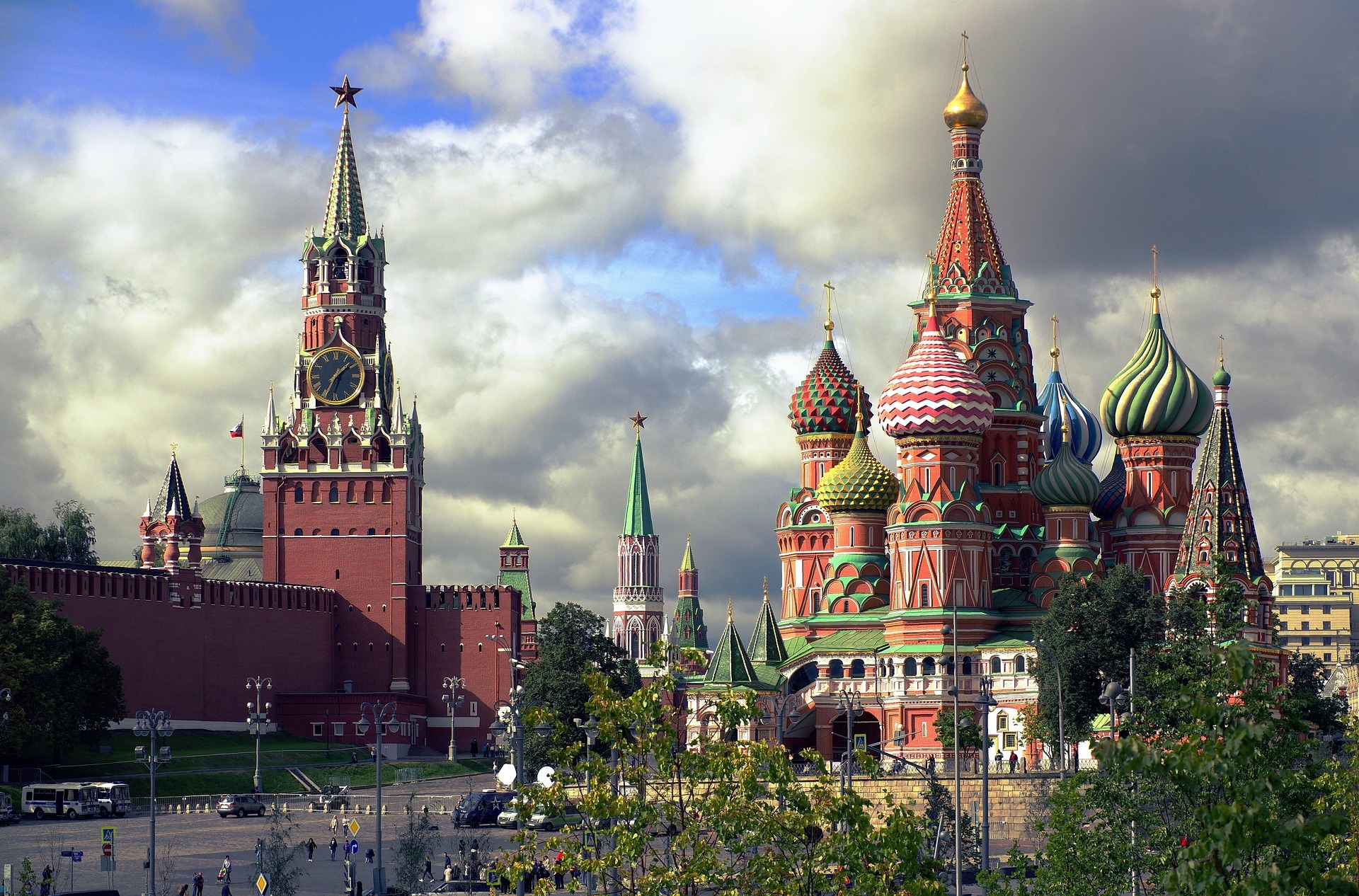
- Saint Basil's Cathedral, at the southern end of Red Square
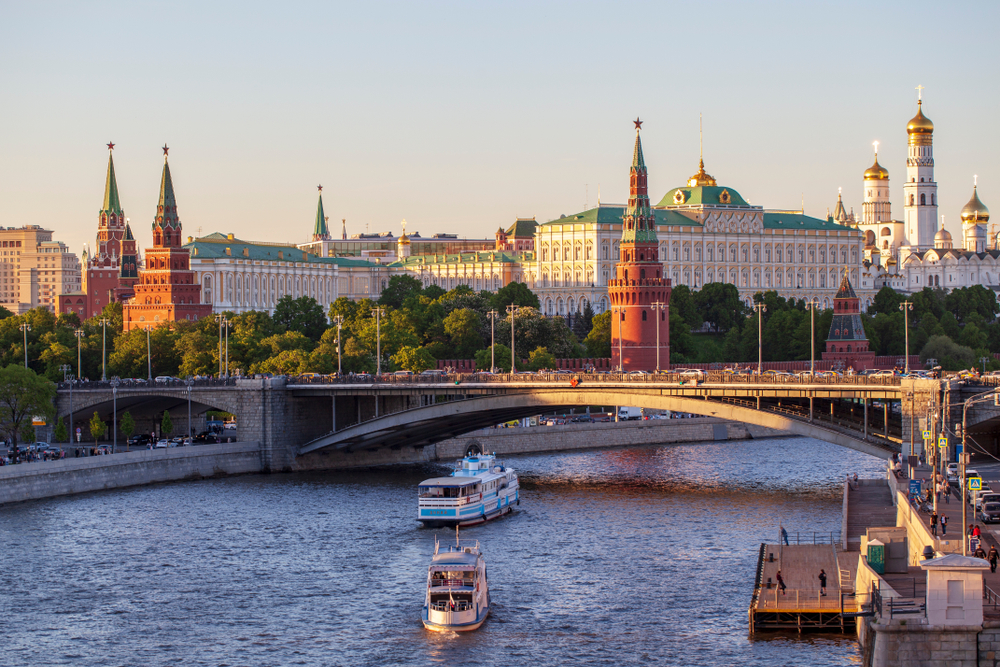
- The Kremlin and its cathedrals, just the other side of the wall
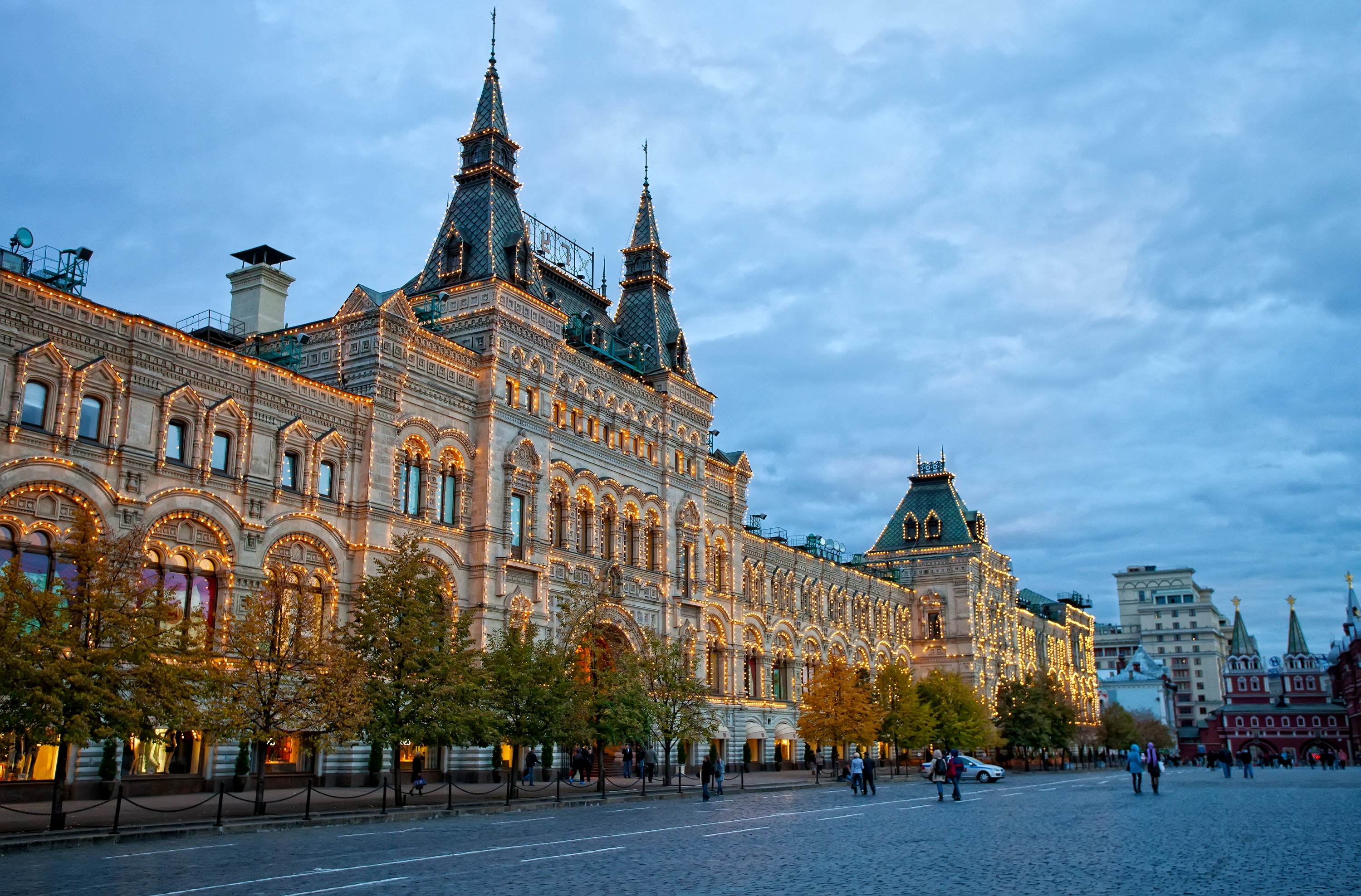
- The GUM department store, opposite the mausoleum
- The Pushkin Museum of Fine Arts, about twenty minutes' walk away
- A Radisson cruise on the Moskva River, to extend your day
Frequently asked questions
Frequently asked questions
Yes. The remains have been maintained since 1924 by a specialist scientific team, which carries out regular embalming treatments. Some tissues have been replaced over time, but the body remains authentic.
No. Cameras and mobile phones are prohibited inside the mausoleum. Lockers are available nearby for you to store your belongings before your visit.
The visit itself is very brief: 5 to 10 minutes inside. Including queuing time and security checks, allow 30 minutes to 1 hour depending on crowds.
No, entry is free. No reservation is required, but opening hours are restricted.
Early in the morning on a weekday, when the site opens, to minimize waiting times. Avoid peak tourist seasons in summer and check for maintenance closures, which can last several weeks.
Planning your trip
The mausoleum naturally fits into a broader exploration of the Russian capital and its surroundings. To build a complete itinerary including Moscow and St. Petersburg, consult our trips to Russia.
Nearby
Interested in this visit?
We can include it in your personalised itinerary.