The Bolshoi Theatre
The Bolshoi Theatre
A symbol of Moscow since 1776, the Bolshoi brings together a world-class lyric company and a restored neoclassical theatre, open for both guided tours and performances.
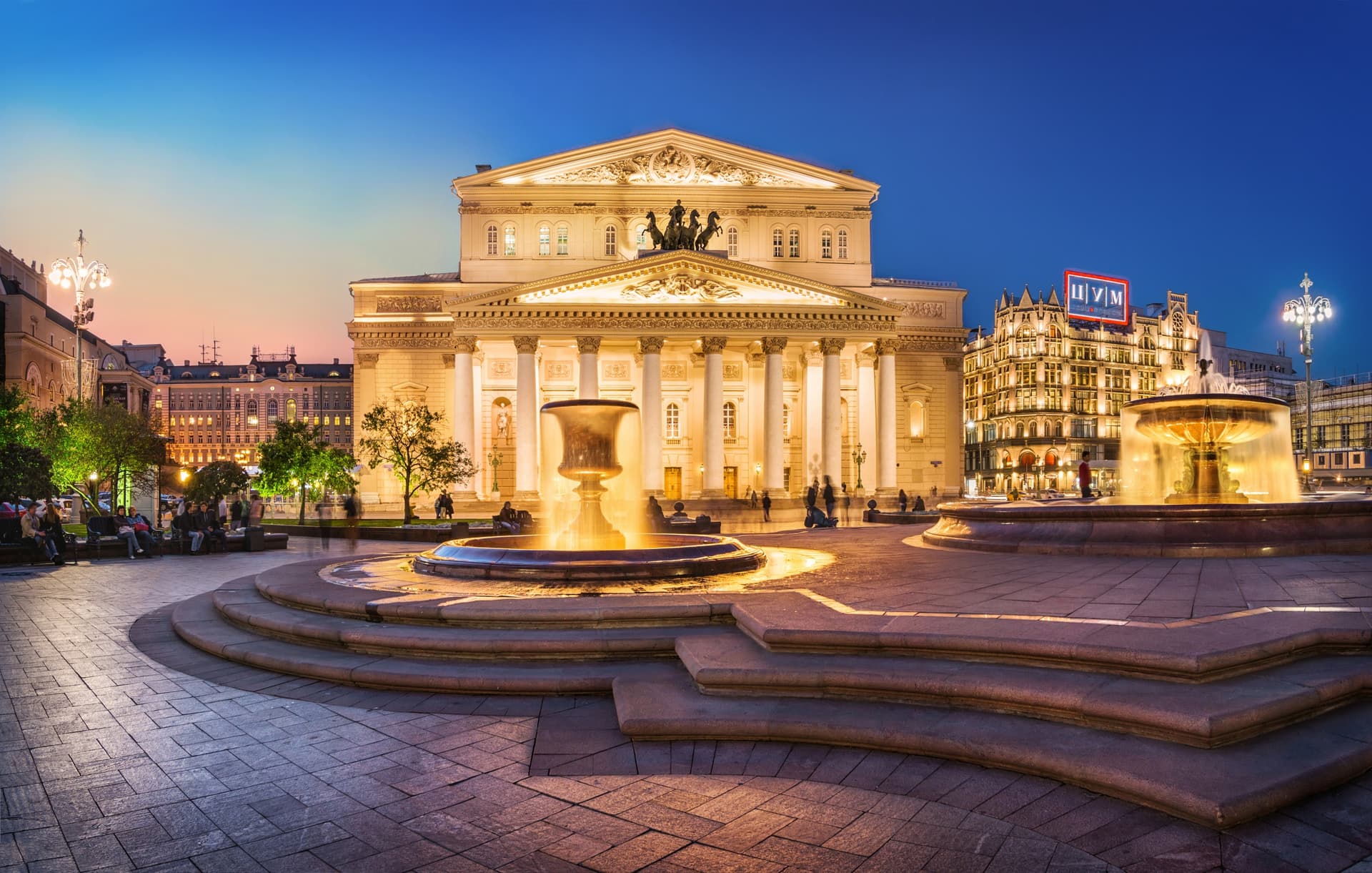
The Bolshoi (Большо́й, "the Great") refers both to a lyric and choreographic company founded in the 18th century and the neoclassical theatre that houses it, on Theatre Square in the heart of Moscow. Its colonnade façade crowned with Apollo's quadriga is one of the city's most recognizable images, and its stage remains one of the world's most active for classical opera and ballet.
Why visit the Bolshoi
The Bolshoi brings together three rarely combined interests on a single site:
- An active artistic institution since 1776, which created or popularized much of the Russian opera and ballet repertoire.
- Emblematic neoclassical architecture, restored between 2005 and 2011 to reclaim its imperial decoration.
- A central location, just a few minutes' walk from the Kremlin, Red Square and the Lubyanka district.
Depending on your time available, two approaches are possible: attending an evening performance, or following a daytime guided tour that gives access to the historic hall and foyers.
History of the theatre
The Bolshoi's history begins in 1776, when Empress Catherine II authorizes the creation of a permanent company in Moscow. The company first settles in a wooden building constructed on Petrovskaya Square, earning it the initial name of Petrovsky Theatre. The enterprise is closely tied to English-born impresario Mikhail Medoks, who manages it in its early days.
A fire destroys the building in 1805. Reconstruction, long delayed by the Napoleonic Wars and the taking of Moscow, is entrusted to architect Ossip Ivanovich Bove (Joseph Beauvais), a figure of Moscow neoclassicism, who delivers the new building in the early 1820s. In this grander form, the theatre takes the name of Bolshoi, "the Great", to distinguish it from the more modest neighbouring Maly Theatre.
Twenty-eight years after this reconstruction, a second fire destroys the interior. Restoration, directed by Alberto Cavos, is completed in time for the coronation festivities of Tsar Alexander II. This hall, in red and gold, still serves performances today. Heavily used during the Soviet period, the building underwent a major renovation between 2005 and 2011, funded by the Russian state, which upgraded its structures, acoustics and original decorations.
What to see on site
The façade and quadriga
The main façade, punctuated by eight Ionic columns, is crowned by Apollo's quadriga in bronze, sculpted by Pyotr Klodt. It's a popular photographic vantage point, especially in late afternoon when sunlight rakes across the columns.
The historic hall
The main hall (Istoricheskaïa stsena) holds nearly 2,000 seats across six levels. The decor combines red velvet, gilt, stucco and a large crystal chandelier. It is renowned for its refined acoustics, restored during renovation through the use of traditional resonant materials.
The foyers and new stage
The imperial foyers, adorned with mouldings and portraits, can be visited as part of guided tours. The complex also includes a new stage (Novaïa stsena), inaugurated in 2002, used for contemporary productions and during maintenance periods on the historic hall.
The repertoire
Attending a performance remains the best way to understand the venue. The repertoire places great emphasis on major Russian ballets (Swan Lake, The Nutcracker, Spartacus) and operas by Tchaikovsky, Borodin or Mussorgsky.
Practical information
- Guided tours: offered on Mondays, Wednesdays and Fridays, in Russian (around noon) and English (shortly after). Groups are limited to around twenty people; it's advisable to arrive early at gate 12 on the day.
- Performances: the theatre's online box office remains the simplest option. Prices vary considerably depending on the seat and title, from modest gallery rates to high prices in the stalls for flagship ballets.
- Dress code: city attire recommended in the evening, coat check mandatory in winter.
- Duration of visit: allow 1 to 1.5 hours for the guided tour, 2 to 3 hours for a performance including intermission.
How to get there
By metro
The theatre is served by two adjacent stations:
- Teatralnaïa (line 2, green): marked exit "theatre".
- Okhotny Riad (line 1, red): exit "Theatre Square".
The two stations are connected underground and lie less than 200 metres from the façade.
By car
- From Mokhovaya Street, skirting the Kremlin from the north.
- From Tverskaya, heading down towards the centre then joining Teatralny Proezd.
- From Petrovka Street, one-way to Theatre Square.
Parking is very limited in this area; the metro is far more practical.
What to see nearby
The Bolshoi fits naturally into a day visiting the historic centre:
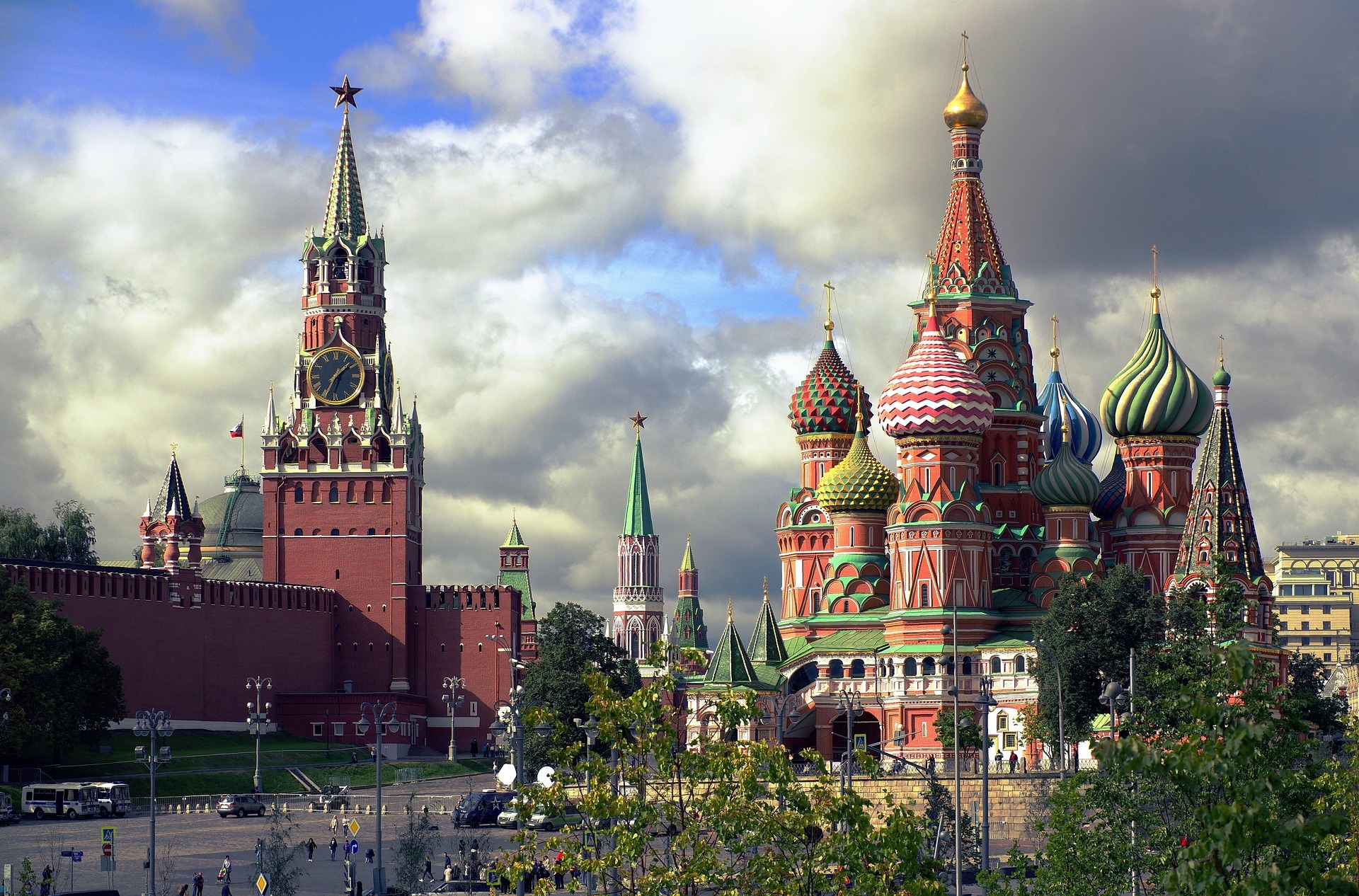
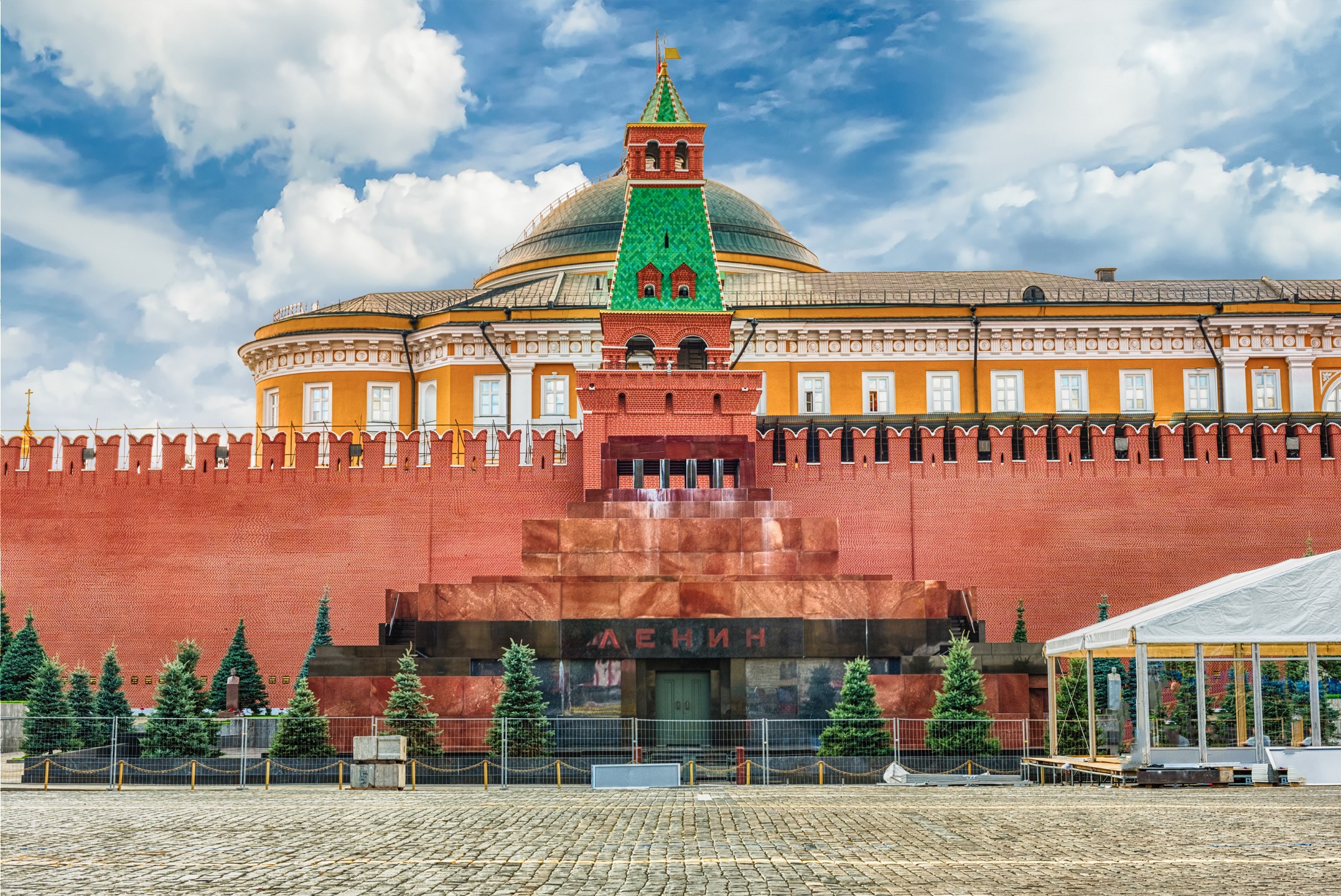
- Red Square and the Kremlin, 10 minutes' walk via Alexander Gardens.
- The Cathedral of Christ the Saviour, on the banks of the Moskva.
- The Pushkin Museum of Fine Arts, for European painting and ancient art.
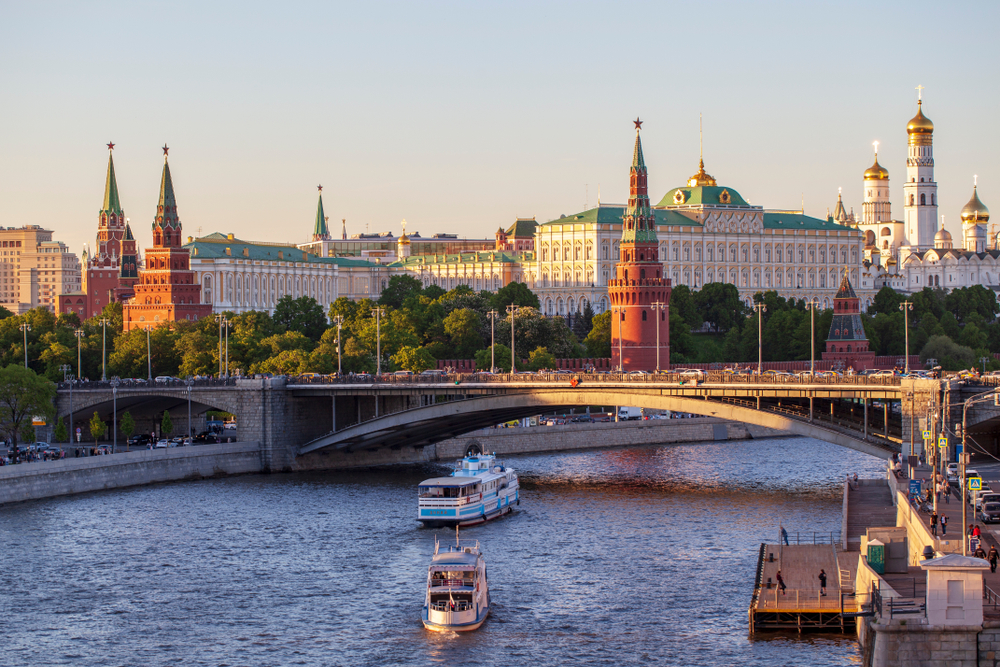
- A cruise on the Moskva with Radisson Cruise, particularly enjoyed after dark.
Frequently asked questions
Frequently asked questions
Extend the experience
An evening at the Bolshoi combines easily with a broader stay in Moscow and beyond. To build an itinerary combining heritage, cultural scenes and wide open spaces, consult our Russia travel ideas.
Nearby
Interested in this visit?
We can include it in your personalised itinerary.