Moscow
Moscow
Red Square, the Kremlin, golden domes and the metro-museum: the Nomadays guide to preparing your trip to Moscow, the ancient capital of Russia.
The political, economic and cultural capital of Russia, Moscow is a captivating and dynamic city that leaves no one indifferent. Renowned for the richness of its architectural heritage, its numerous entertainment venues and its vibrant nightlife, the city of the tsars promises you an extraordinary stay whose memory will linger long in your mind.
History
Moscow's history is quite complex. While traditionally the city's founding is traced to 1147, the year it first appeared in chronicles, other events suggest the city existed well before this date.
Indeed, according to the Ipatiev Codex, better known as the Hypatian Chronicle, in 1147, the Prince of Suzdal Yuri Dolgoruky asked his brother, Prince Sviatoslav, to join him in Moscow. This proves that long before 1147, the city was already inhabited. Unfortunately, most documents relating to the city's early years were destroyed by the frequent fires it experienced.
In 1156, a wooden fortress was built in the heart of the city, housing the residence of the princes, a few isbas, and two wooden churches. This was likely the Kremlin, although it didn't yet bear that name at the time.
Under the rule of the princely dynasties, the city grew in power and wealth, becoming in the 14th century the political and religious capital of the Grand Duchy of Muscovy.
Shortly before the end of the 14th century, the Kremlin's ramparts, which had once been wooden, were replaced by white stone walls. However, these were still deemed insufficiently strong by Prince Ivan III, who decided to replace them with red bricks. The work was entrusted to Italian architects who took a decade to rebuild everything.
From the 15th century onward, the city's appearance transformed with the growth of its power. It began to display the labyrinthine character we know today.
Then, in 1712, Moscow lost its status as Russia's capital in favor of Saint Petersburg. The decision was made by Peter the Great, who wished to make his native city the political center of the country. Despite this decision, emperors continued to be crowned in Moscow. Furthermore, in 1755, the city founded the country's first university, Lomonosov State University, which remains the most renowned in the country to this day.
In the early 19th century, Napoleon Bonaparte's army attempted to invade Russia in order to take control of Moscow. However, they were caught off guard by Muscovites, who decided to burn their city to the ground in order to drive out the invaders. A maneuver that worked, as Napoleon and his armies were forced to leave the city and retreat.
On March 12, 1918, Moscow regained its status as Russia's capital with the help of the Soviets. The latter decided to reshape the image of the capital to conform to their ideologies. Thus, many churches were destroyed, as were old streets that were replaced by wide avenues, including Tverskaya Street and Arbat Street. A new public transportation network was also put in place, notably trolleybuses (electric buses) and the famous Moscow Metro.
What emerges from Moscow's history is that despite the troubles the country experienced, the city never ceased to develop and prosper, making it today the largest and one of the most important cities in Europe.
Discovering the City of Moscow
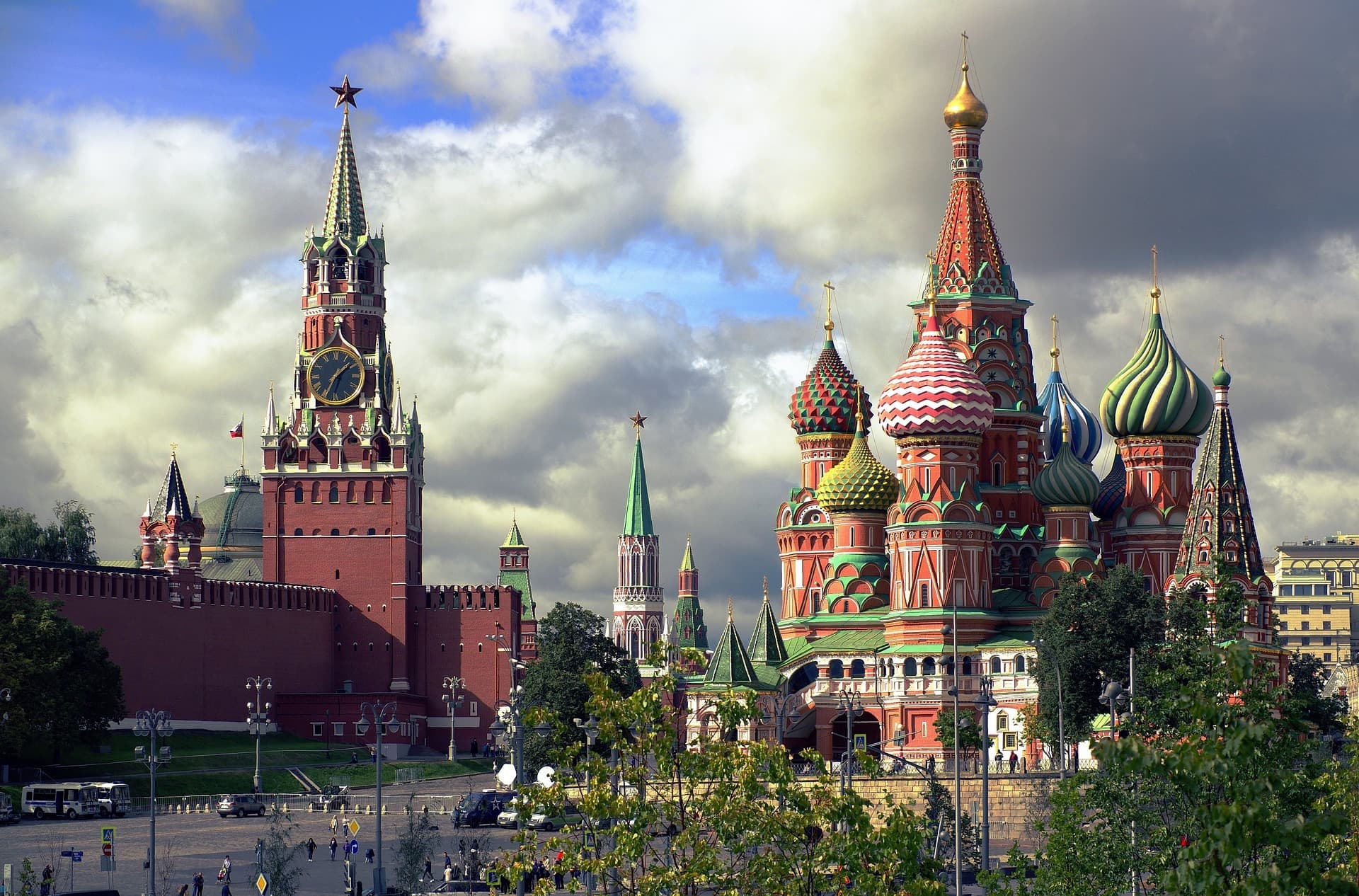
It's impossible to visit Moscow without discovering the immense Red Square. A true symbol of the city and the country as a whole, it brings together the emblematic monuments of great Russia, including the famous Kremlin (the political center of the state), the imposing Mausoleum of Lenin, and the Cathedral of Basil the Blessed with its traditional domes.
Beyond this immense square, a vestige of the Soviet past, Russia's capital hosts various neighborhoods and numerous buildings that will enrich your visit to the city. Fine arts enthusiasts could not hope for a better place to satisfy their curiosity. Indeed, the Pushkin State Museum of Fine Arts houses one of the finest collections of Russian art. As for lovers of performing arts (theater, opera, etc.), they will find in Moscow some of the best and most affordable performances in the world.
Moscow also offers charming places to visit, such as Arbat Street, one of the capital's first pedestrian streets. A stroll down this avenue will have you walking in the footsteps of illustrious men like Tolstoy and Pushkin while admiring the different architectural styles that line it. Another must-see during your stay in Moscow is Sparrow Hills, which offers a spectacular panorama of this vast metropolis. Not to mention that Russia's capital is full of shops, restaurants, bars and clubs that light up and remain lively until the early morning hours. Moscow's intense and bustling nightlife is hardly a secret.
Climate
Moscow has a continental climate characterized by warm summers and very harsh winters. The best time to visit is between May and September. This is the period of the year when temperatures are most pleasant. That said, the other seasons also merit a visit, especially in the depths of winter when the capital is covered in snow.
By Plane
Plane travel is undoubtedly the fastest and most practical way to reach Moscow from France. Indeed, Russia's capital is served by 8 daily flights operated by Air France and Aeroflot.
By Train
It is also possible to travel to Moscow by train from France. However, you will need a transit visa to cross the border with Belarus.
On Foot:
It is always pleasant to take a walk to discover the wonders of Russia's capital.
By Metro:
An emblematic means of transportation in the city, the Moscow Metro, in addition to being practical and inexpensive, is a genuine underground museum where the décor changes at every station.
By Boat:
The Moskva River also offers charming boat rides through 3 types of circuits.
A classic cruise departing from Gorky Park and passing several iconic sites such as the Peter the Great Monument, the Cathedral of Christ the Savior, and the Kremlin.
The grand tour departing from Kiev Station Quay to Novospassky Monastery.
The cruise with multiple stops. It involves purchasing a ticket that is valid for the entire day.
By Taxi:
There are several types of taxis in Moscow:
- Official taxis, easily recognizable by their roof-mounted light
- Private taxis
- Private driver vehicles (Uber and Yandex Taxi)
The Troika Card:
It is a rechargeable electronic card for all public transportation (metro, tram, bus and trolleybus). You can find it at all metro stations for just 50 rubles, which you can get back if you return it before you leave the country.
Attractions in Moscow
See all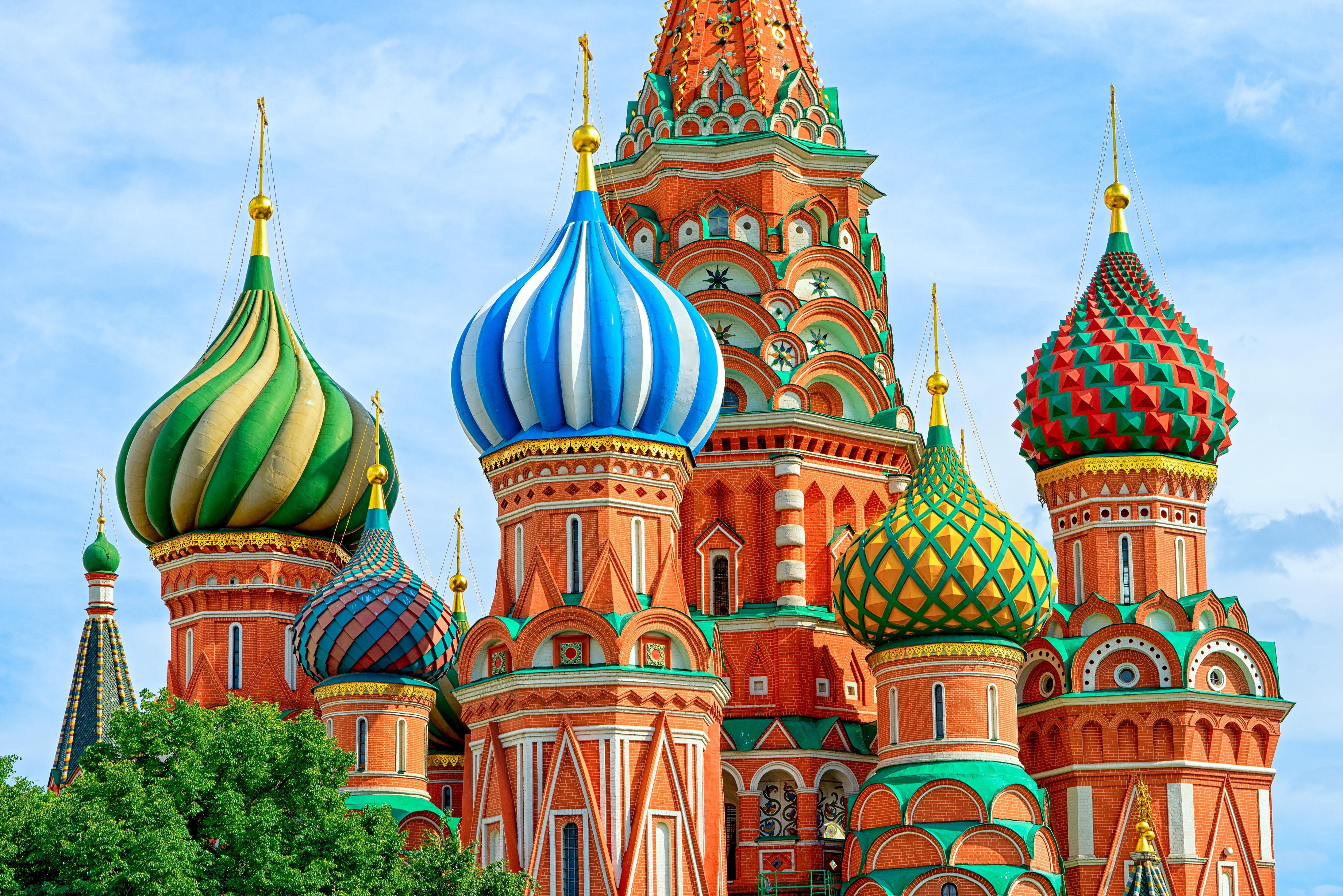
La cathédrale Saint
À l'extrémité sud de la place Rouge, la cathédrale Saint-Basile-le-Bienheureux concentre quatre siècles d'histoire russe sous ses bulbes colorés.
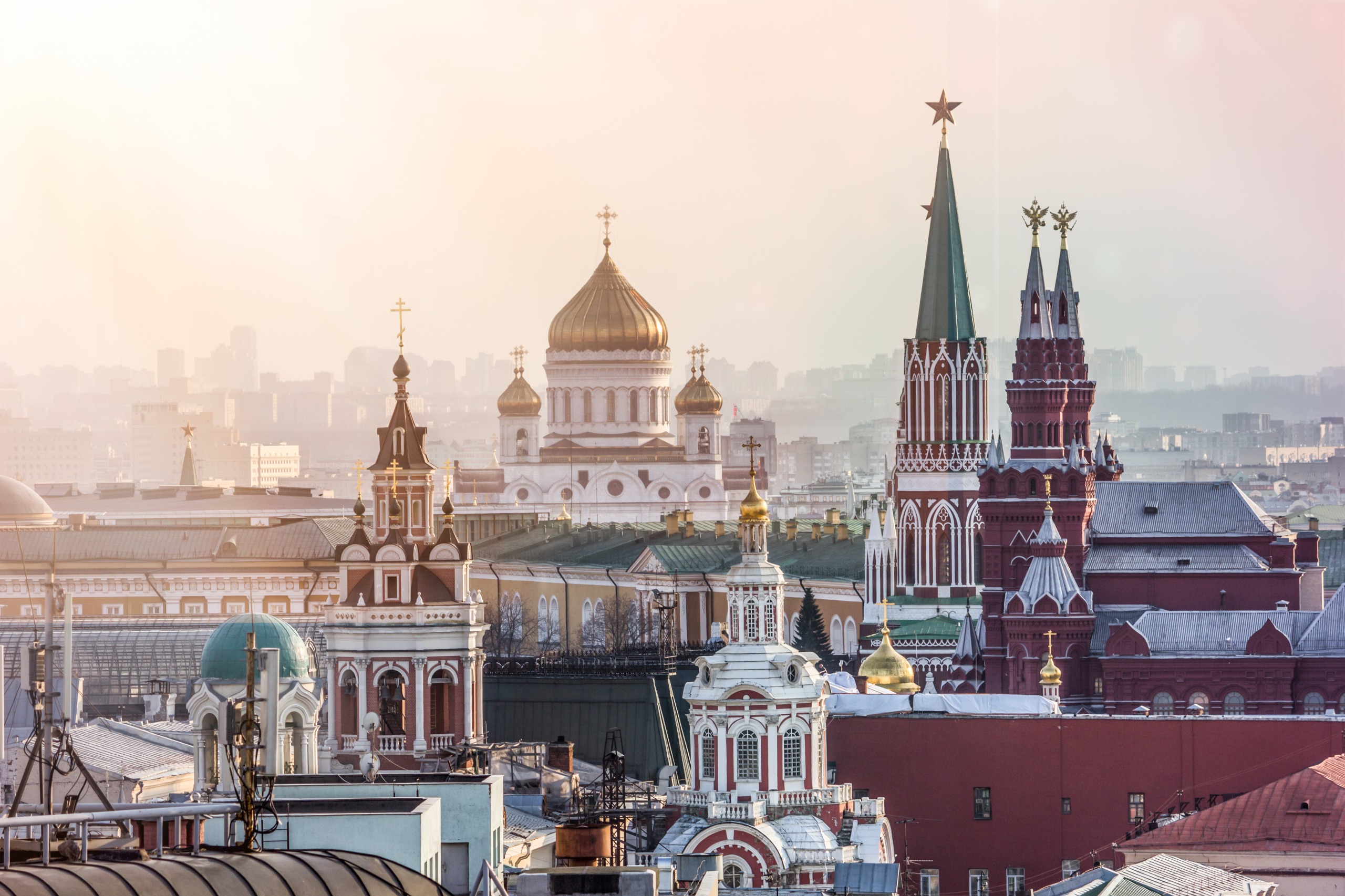
Cathédrale du Christ-Sauveur
La Cathédrale du Christ-Sauveur domine la rive nord de la Moskva, à quelques minutes du Kremlin.
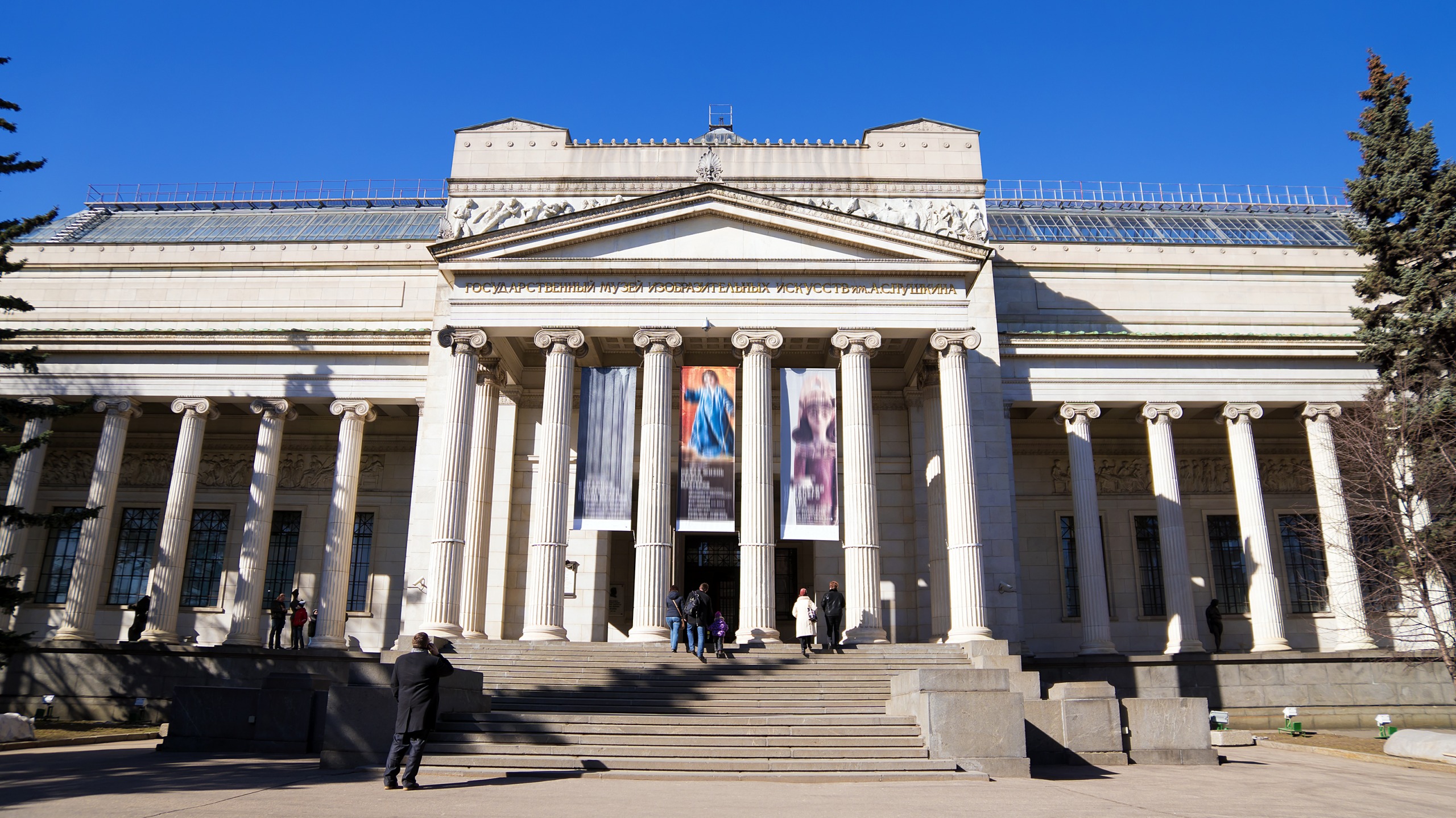
Musée des Beaux-Arts Pouchkine
Le Musée des Beaux-Arts Pouchkine rassemble plus de 670 000 œuvres au cœur de Moscou, à quelques pas du Kremlin.
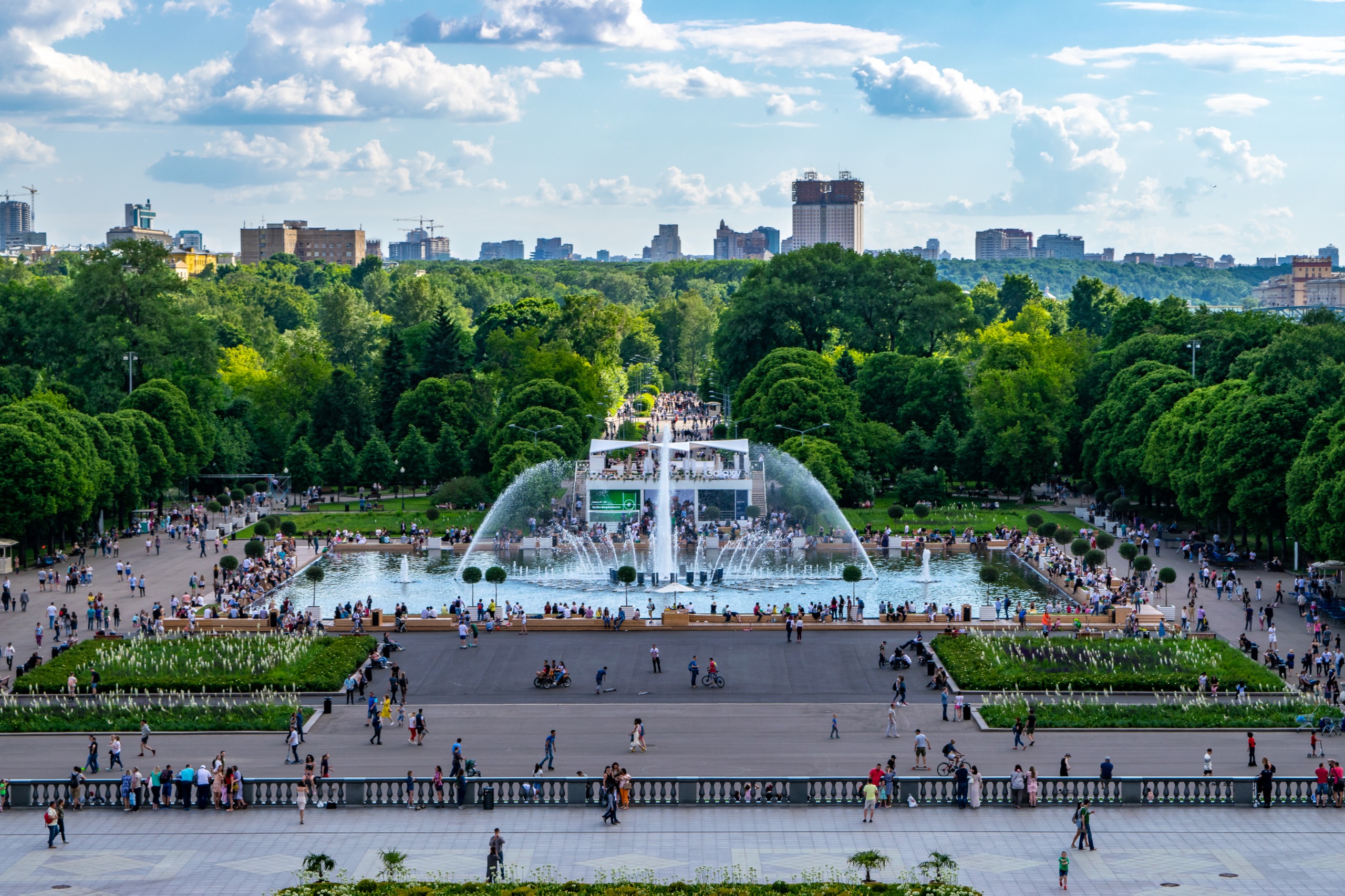
Parc Gorki
Le parc Gorki s'étire sur environ 3 km le long de la Moskova, au sud du centre de Moscou. Espace de loisirs ouvert toute l'année, il combine héritage soviétique, programmation culturelle contemporaine
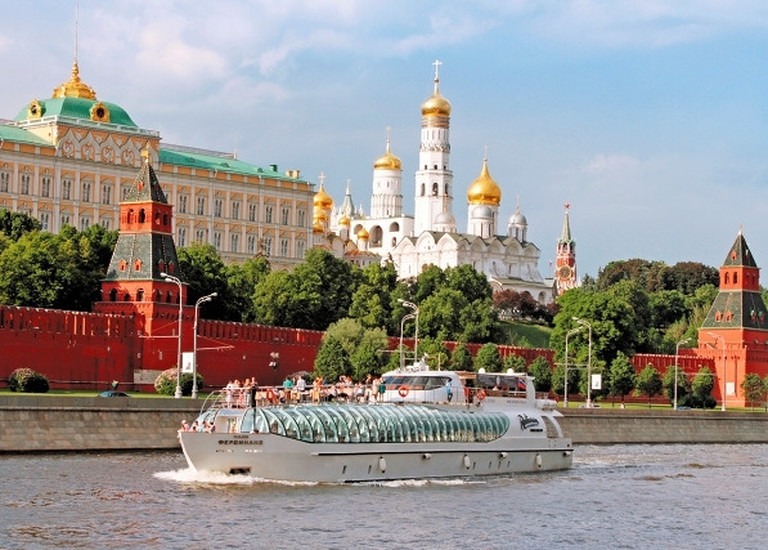
Radisson Cruise
Radisson Cruise propose des croisières fluviales sur la Moskova au cœur de Moscou, à bord de yachts brise-glace qui naviguent toute l'année, y compris en hiver lorsque le fleuve gèle.
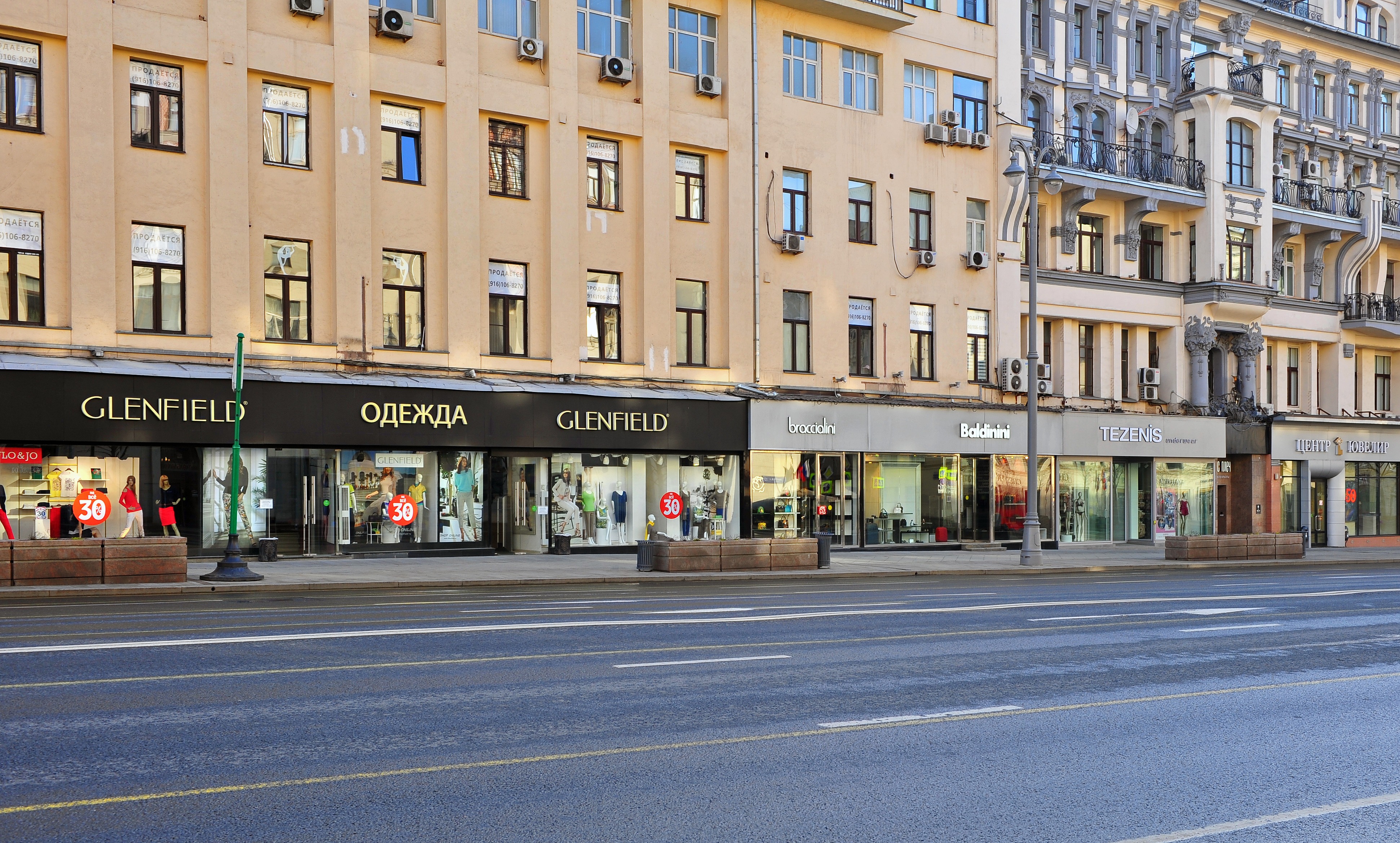
Rue Tverskaïa
La rue Tverskaïa est l'artère majeure du centre de Moscou. Longue de 2,5 km, elle relie la place du Manège, à deux pas du Kremlin, à la place du Triomphe.
Accommodation in Moscow
See all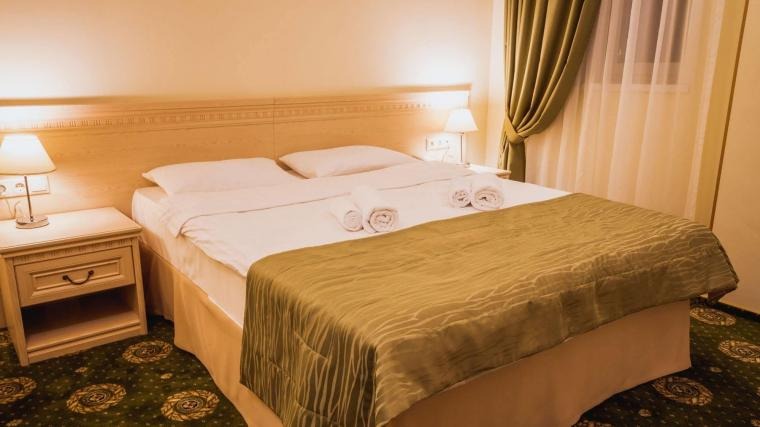
Starosadskiy Hotel
Hôtel 3 étoiles de 40 chambres dans une cour calme du quartier historique de Kitay-Gorod, à 15 minutes à pied de la Place Rouge.
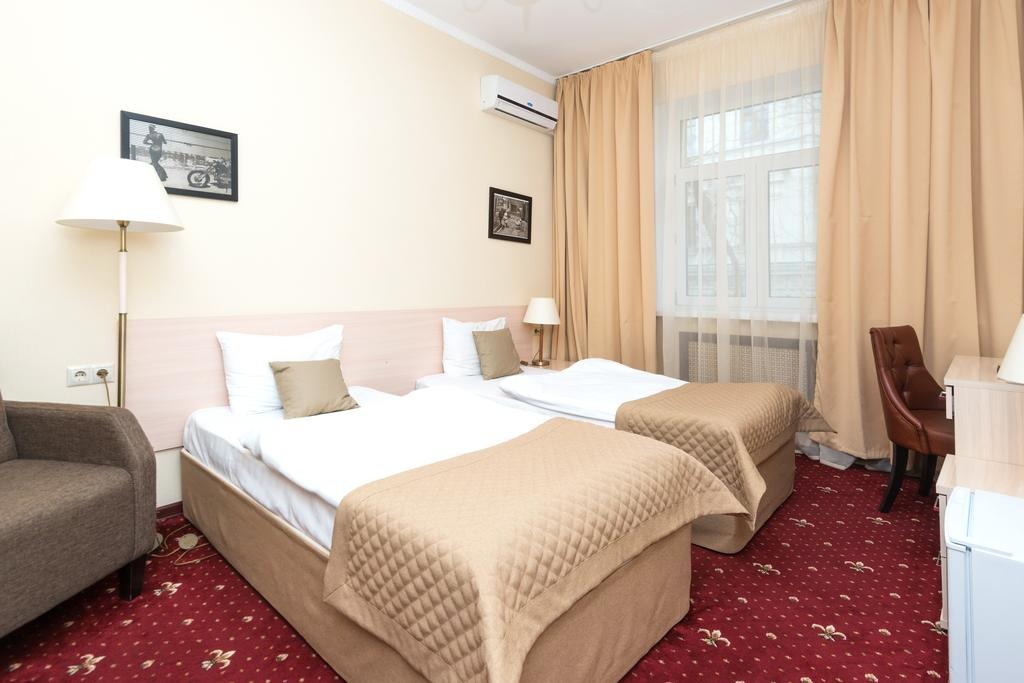
Leonart hotel
Hôtel 3 étoiles installé dans un immeuble de 1801 rénové, dans le quartier de Basmanny à Moscou, à proximité du métro et du centre historique.
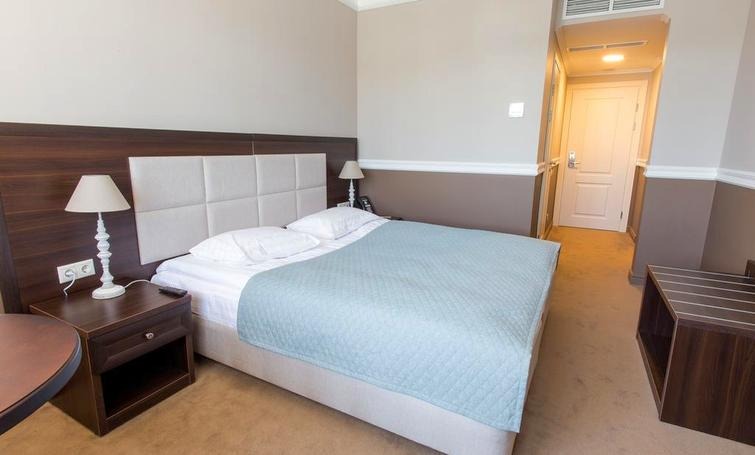
Veliy Hotel Mokhovaya
Hôtel 3 étoiles de 46 chambres ouvert en 2013, à 100 m du métro Borovitskaïa et à quelques pas du Kremlin, au centre de Moscou.
Want to discover this destination?
Our local advisors design your tailor-made trip.