Saint Isaac Cathedral
Saint Isaac Cathedral
101.5 m dome, panoramic colonnade and malachite and lapis-lazuli décor: complete guide to visiting Saint Isaac Cathedral in Saint Petersburg.
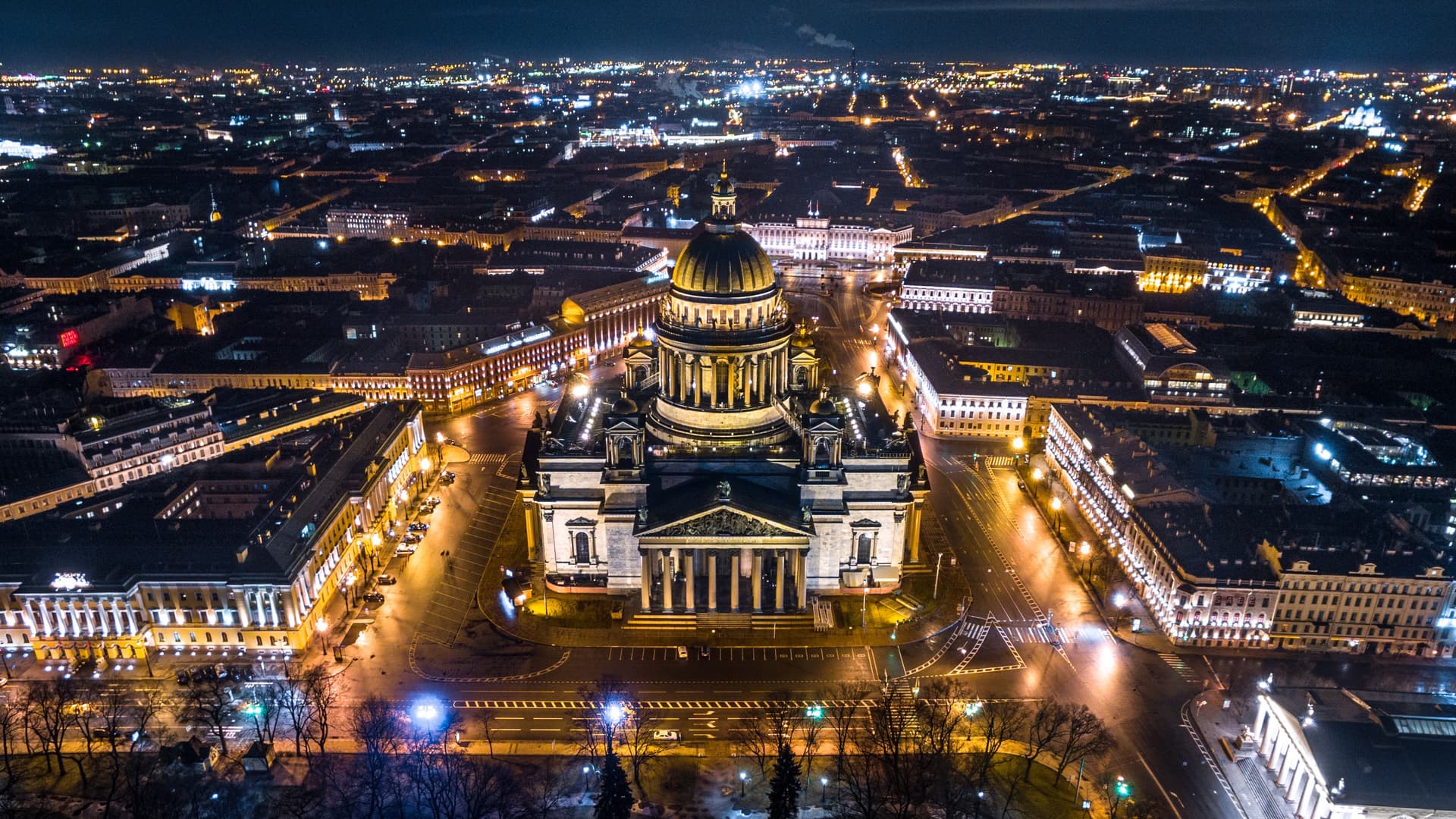
The Saint Isaac Cathedral dominates central Saint Petersburg with its gilded dome rising to 101.5 metres. Forty years of construction, three successive tsars and a French architect, Auguste Ricard de Montferrand, shaped this religious building that became a museum in 1928. Its panoramic colonnade, interior décor adorned with malachite and lapis-lazuli, and its role as a witness to Russian history make it a central stop during a stay in the Northern capital.
Why visit Saint Isaac Cathedral
Three reasons make this visit worthwhile: the neoclassical exterior architecture with its dome visible from much of the historic centre, the interior whose decorative richness sums up Russian imperial ambition in the 19th century, and the colonnade suspended at 43 metres offering a 360° panorama over Saint Petersburg. The cathedral now functions as a museum while occasionally hosting religious services.
History of the cathedral
Construction was initiated by Emperor Alexander I on the site of an earlier church dedicated to the same saint. Following a tender process, the project was entrusted to Auguste Ricard de Montferrand, a French architect for whom this was his first commission of such magnitude. The marshy ground of Saint Petersburg complicated the construction: the foundations had to be reinforced to support the weight of the future building.
The work extended over 40 years and spanned the reigns of three tsars: Alexander I, Nicholas I and Alexander II. The cathedral was inaugurated on May 30, 1858, a date chosen to coincide with the feast of Saint Isaac and the anniversary of Peter the Great. Alexander II and the imperial family attended the ceremony.
In 1928, the Soviet authorities transformed the cathedral into a museum, its first exhibition tracing the history of construction. During World War II, the building housed artworks from other city museums that could not be evacuated. From 1931 to 1986, a Foucault pendulum, presented at the time as the world's heaviest, hung beneath the dome to illustrate the Earth's rotation.
What to see on site
The exterior and dome
The main dome reaches 101.5 metres, making the cathedral the second-highest building in Saint Petersburg after the Peter and Paul Cathedral. The dome balustrade features 24 sculptures of angels and archangels. The façades are punctuated by imposing porticoes with monolithic red granite columns.
The interior
The decoration uses materials in quantities that reflect an imperial commission: approximately 400 kg of gold, 500 kg of lapis-lazuli, 16 tonnes of malachite and nearly 1,000 tonnes of bronze. Mosaics, paintings and sculptures fill the space, complemented by three altars:
- the main altar dedicated to Saint Isaac of Dalmatia;
- the altar of Saint Alexander Nevsky;
- the altar of Saint Catherine.
Notable relics include a copy of the Icon of Our Lady of Tikhvin, one of the most venerated icons in Russian orthodoxy.
The panoramic colonnade
Access to the colonnade suspended at 43 metres is via a dedicated staircase (climbing on foot). The panorama covers the Neva, the Admiralty, the Winter Palace and the main spires of the historic centre. It is one of the finest urban viewpoints in the city.
Practical information
- Type of visit: paid museum, separate ticket for the cathedral and for the colonnade.
- Recommended duration: allow 1 to 1.5 hours for the interior, 30 to 45 minutes additional for the colonnade.
- Weekly closure day: a closure applies one day per week; verify before your visit.
- Admission prices: moderate for the cathedral, additional fee for the colonnade; check opening hours and prices on the official website before departure.
When to visit
The cathedral can be visited year-round. Two periods stand out:
- May to September: colonnade access is extended, with evening hours during the white nights season (June) allowing you to admire the historic centre in diffuse light until late in the evening.
- October to April: lower visitor numbers indoors, but the colonnade may close during bad weather (frost, strong winds).
Weekday mornings remain the quietest time for an interior visit.
How to get there
The cathedral stands on Saint Isaac Square, next to the Saint Petersburg Admiralty.
- Metro: Admiralteyskaya station (line 5), approximately 10 minutes on foot.
- Bus and trolleybus: from Nevsky Prospect, bus 22 and trolleybus 5 serve the square's surroundings.
- On foot: the cathedral is a 15-20 minute walk from the Winter Palace and Nevsky Prospect.
Nearby attractions
The historic centre allows you to visit several major sites in a single day:
- The Admiralty, immediately adjacent on the same avenue.
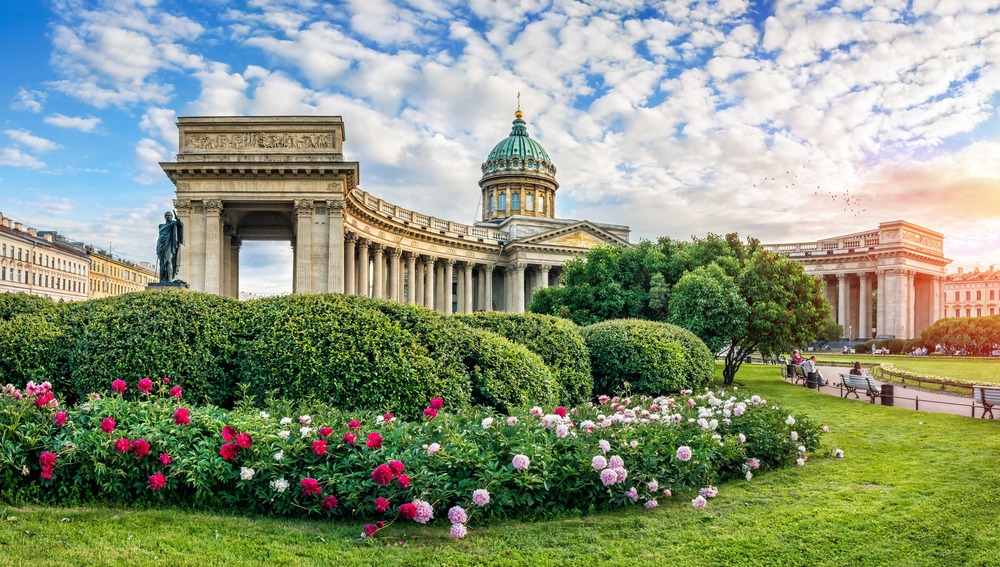
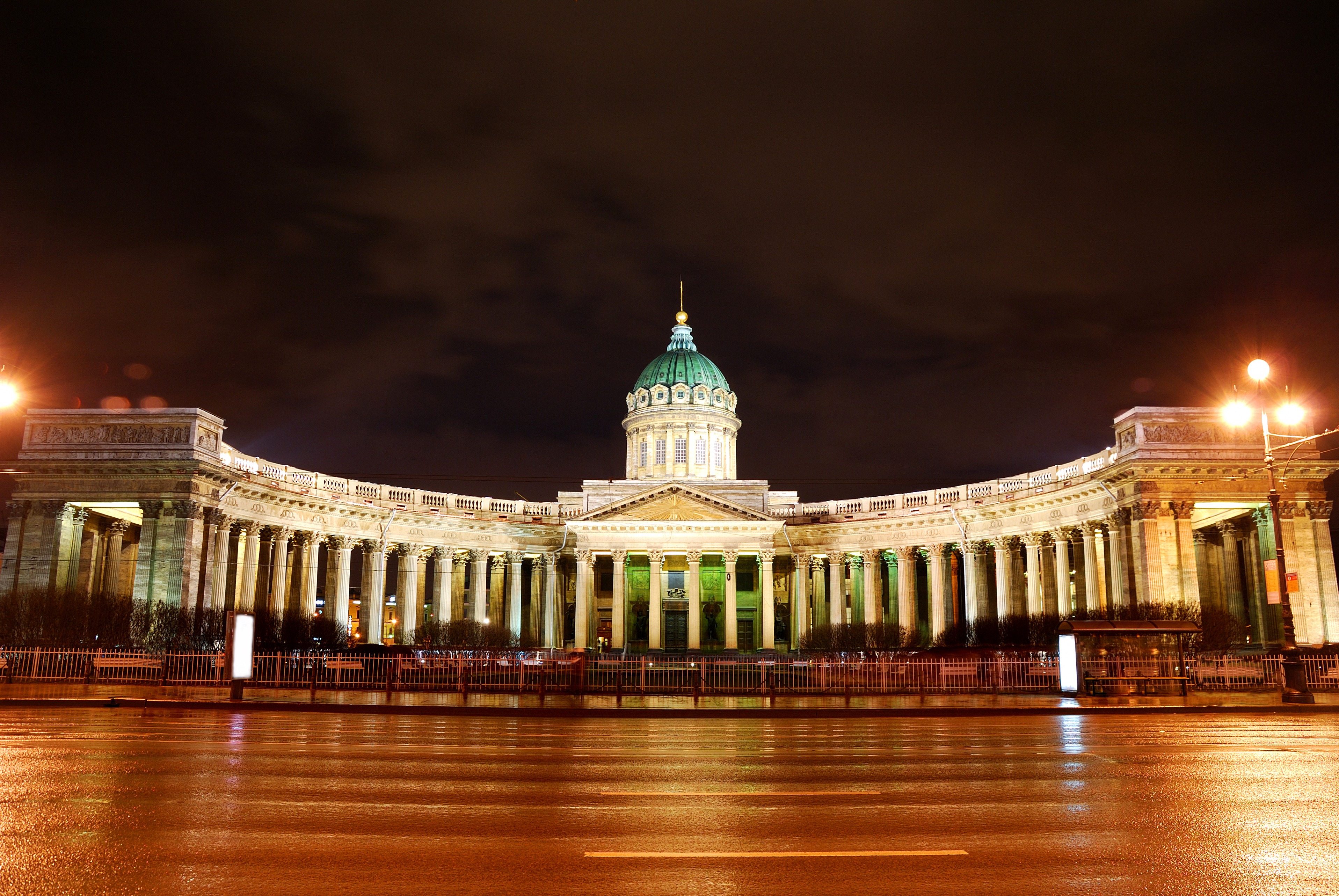
- The Kazan Cathedral, approximately 10 minutes on foot via Nevsky Prospect.
- The Pushkin Museum of Fine Arts to further explore Russian art collections.
- A river cruise with Radisson Cruise to see the cathedral from the Neva.
Frequently asked questions
Frequently asked questions
Plan your trip
Saint Isaac Cathedral is part of a Saint Petersburg stay combining imperial heritage, museums and river cruises. To build a bespoke itinerary, explore our Russie travel suggestions.
Nearby
Interested in this visit?
We can include it in your personalised itinerary.