Christ the Saviour Cathedral
Christ the Saviour Cathedral
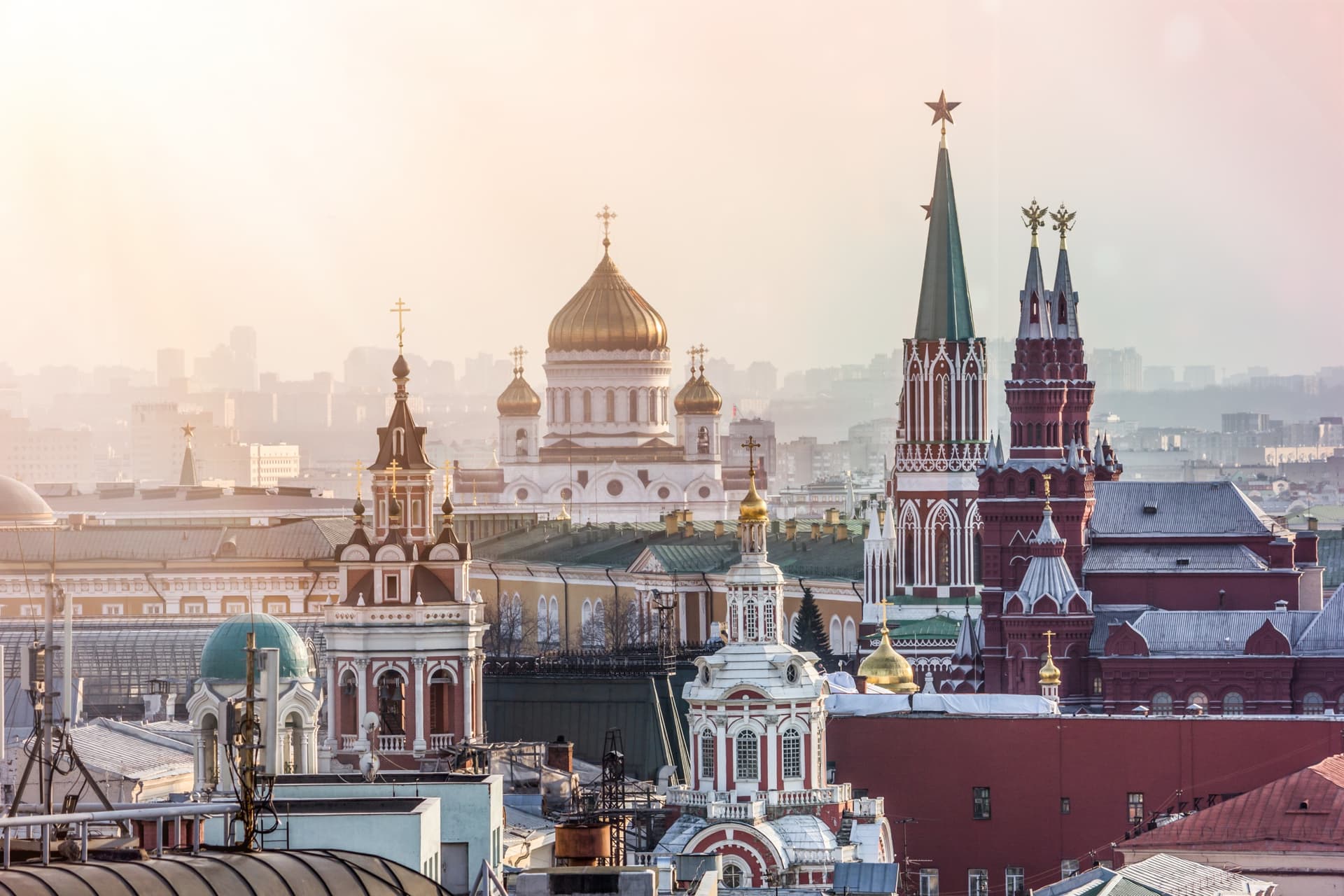
Rebuilt in 1999 after its destruction under Stalin, the Christ the Saviour Cathedral houses the Russian Orthodox Patriarchate on the banks of the Moskva River, near the Kremlin.
The Christ the Saviour Cathedral dominates the northern bank of the Moskva River, just minutes from the Kremlin. Rebuilt to its original specifications in 1999 after its destruction under Stalin, it houses the seat of the Patriarchate of the Russian Orthodox Church and remains one of Moscow's principal places of worship.
Why visit the Christ the Saviour Cathedral
Three reasons make this visit worthwhile for understanding Moscow and contemporary Russia:
- A powerful historical charge: commemoration of the 1812 victory against Napoleon, Soviet destruction in 1931, post-USSR reconstruction. The cathedral condenses two centuries of Russian history.
- A central religious role: seat of the Russian Orthodox Patriarchate, it hosts the Orthodox Christmas liturgy on January 7, broadcast throughout the country.
- A viewpoint over the city: its four observation terraces offer an expansive perspective over the Kremlin, the Moskva and the historic centre.
A tumultuous history
The current building is actually the second cathedral to bear this name on this site.
The first was begun in 1812, funded by donations from the Russian people to commemorate the victory against Napoleon and honour soldiers who died during the patriotic war. The construction, slowed and then resumed, was not completed until 1883, more than seventy years after the laying of the foundation stone.
The cathedral was completely destroyed on Stalin's orders in 1931, as part of Soviet anti-religious policy. The regime planned to erect a gigantic Palace of Soviets topped with a statue of Lenin in its place. The project never came to fruition: the foundations were abandoned and the site was transformed into an open-air swimming pool in the 1960s.
Reconstruction to the original specifications began after the fall of the USSR and was completed in 1999. The new cathedral faithfully reproduces the volumes and décor of the original, but incorporates modern techniques (concrete structure, lifts, annexes).
What to see on site
The exterior and domes
The silhouette is dominated by five gilded domes topped with the Orthodox cross, the central dome reaching 103 metres in height. The white marble façade is adorned with high reliefs depicting biblical figures and Russian saints. Take a complete walk around the building to grasp the full scope of the sculptural programme.
The interior and frescoes
The interior space can accommodate 10,000 people. The walls, ceilings and cupolas are entirely painted: biblical scenes, figures of saints, ornamental motifs. Several rooms are dedicated to the 1812 patriotic war, with frescoes and sculptures evoking battles and officers who fell in combat. This commemorative dimension sets the cathedral apart from other major Russian Orthodox churches.
The panoramic terraces
The four observation terrace platforms located at height offer views of the Kremlin, the Moskva and the rooftops of the centre. Access is by staircase or lift (useful for people with reduced mobility and families with young children).
Practical information
- Entry to the cathedral: free. Access to the panoramic terraces is paid, at a moderate rate, with ticket office on site and card payment accepted.
- Hours: open daily during the day, with extended hours during peak season. Hours vary in the event of religious celebrations or pilgrimages; check before visiting.
- Required dress code: shoulders and legs covered for both women and men. No shorts, no mini-skirts, no plunging necklines. Women may cover their heads, which is appreciated but not compulsory for female visitors.
- During the liturgy: the faithful remain standing throughout the ceremony. Avoid moving around the nave during services, it is frowned upon.
- Tourist information desk: present on the esplanade since May 2017, open daily to provide information on visits and events.
How to get there
The cathedral is located on the banks of the Moskva, in immediate proximity to the Kremlin.
- By metro: Kropotkinskaya station on line 1 (red). The exit opens directly facing the cathedral.
- On foot: from the Kremlin or Red Square, allow 10 to 15 minutes following the pedestrian embankments of the Moskva.
- By taxi or ride-hailing: apps like Yandex Go are widely used in Moscow.
Nearby
The cathedral is situated within a dense perimeter of major Moscow city centre sites:
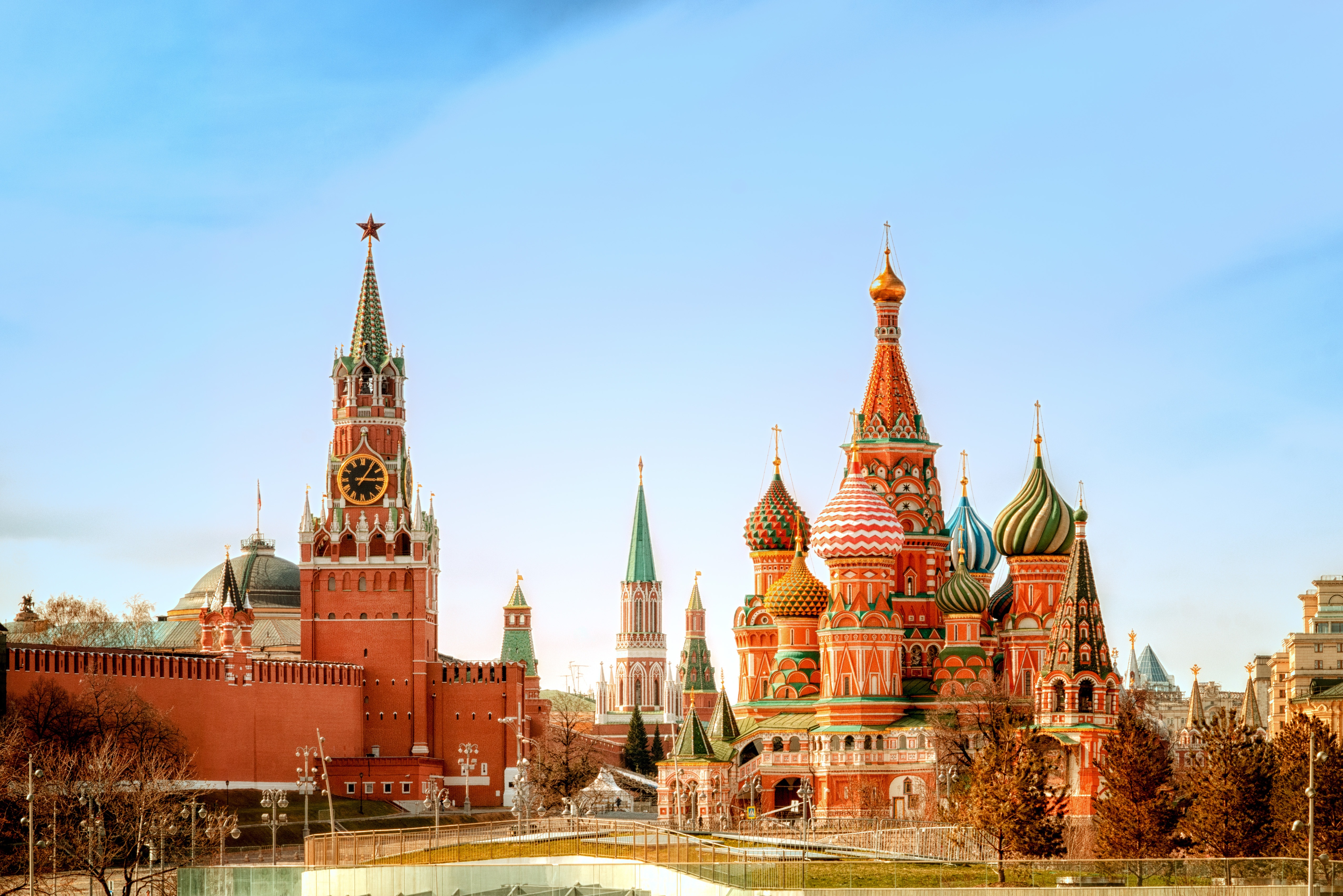
- Red Square and the Kremlin walls, 15 minutes on foot via the embankments.
- The Pushkin Museum of Fine Arts, a direct neighbour, for a complementary visit devoted to European painting.
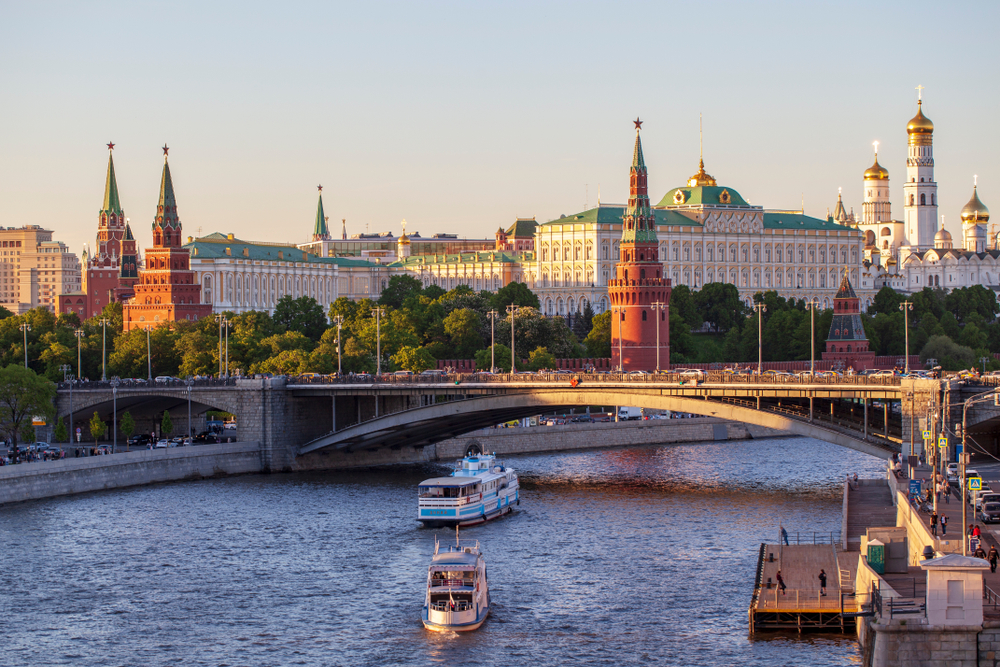
- A Radisson cruise on the Moskva, with the embarkation point at a short distance.
Frequently asked questions
Frequently asked questions
Plan your trip to Russia
The Christ the Saviour Cathedral fits naturally into an itinerary devoted to Moscow's historic centre, alongside the Kremlin, Red Square and the Arbat quarter. To build a comprehensive itinerary and benefit from on-the-ground advice, consult our trips to Russia.
Nearby
Interested in this visit?
We can include it in your personalised itinerary.