Tverskaya Street
Tverskaya Street
A major artery of Moscow connecting the Kremlin to Triumph Square over 2.5 km, Tverskaya Street concentrates eight centuries of architectural history.
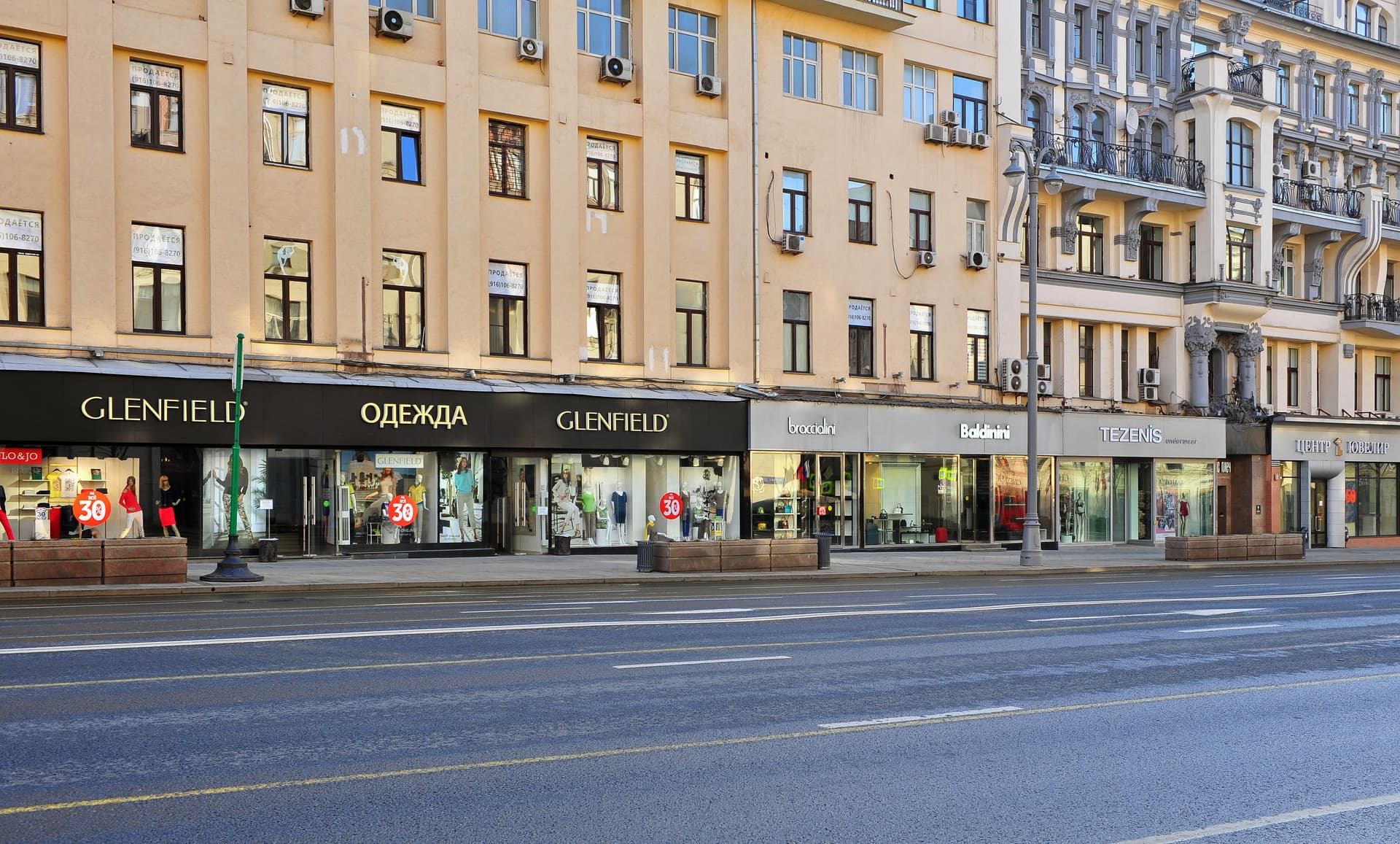
Tverskaya Street is the major artery of central Moscow. Stretching 2.5 km, it links Manege Square, just steps from the Kremlin, to Triumph Square. Often nicknamed the "Champs-Élysées of Moscow," it brings together historic hotels, monumental Soviet buildings, shops, cafés and theaters, while telling eight centuries of urban history.
Why walk along Tverskaya Street
Tverskaya offers a condensed reading of Moscow: medieval layout, neoclassical facades from the 18th century, Stalinist blocks from the 1930s-1940s, contemporary storefronts. For travelers, it's also a practical route that naturally extends a visit to the Kremlin and Red Square toward the northwest. The walk remains accessible, flat, well-lit, and punctuated by metro stations roughly every 500 meters.
- An architectural panorama spanning four centuries over 2.5 km
- Direct continuity with the Kremlin and Red Square
- Several monumental squares: Manege, Pushkin, Triumph
- Numerous cafés, bookshops and theaters for breaks
A bit of history
The origins of this route go back to the 12th century, when a trade road connected Moscow to Tver, roughly 180 km to the northwest. The street takes its name from that city. In the 13th century, when Tver was briefly elevated to the status of capital of Russia, the route became the preferred way for tsars traveling to be crowned in Moscow.
In the early 20th century, the street underwent profound renovation and widening. Several buildings were relocated on their foundations, others demolished or rebuilt further back. In 1937, during the Soviet era, it was renamed Gorky Street in honor of writer Maxim Gorky. It recovered its historic name of Tverskaya after perestroika, at the end of the 20th century.
What to see along Tverskaya Street
The National Hotel
At the corner of Manege Square, facing the Kremlin, the National Hotel opens the avenue. A work by architect Aleksander Ivanov, it blends classical repertoire with modern elements and is recognized by its sculptured nymphs on the facade. The establishment has hosted numerous writers as well as Vladimir Lenin, who briefly resided there after his return to Moscow.
The State Duma headquarters
Almost directly across from the National Hotel stands the State Duma headquarters, the lower chamber of the Russian parliament. The building, a typical example of a Soviet government building, was erected on the site of an old church and a 17th-century building, demolished in the 1930s. Its austere mass deliberately contrasts with the older facades of the neighborhood.
The City Hall Palace
Built in 1782, the City Hall Palace was originally the residence of the governor general, Count Chernyshev. Recognizable by its red elevation with columns, it too was relocated during the avenue's widening, an operation to which it owes its two additional stories, its pediment and its porch.
Statue of Yuri Dolgoruky and Pushkin Square
In the center of the street, the equestrian statue of Yuri Dolgoruky honors the founder of Moscow and builder of its first Kremlin. Further on, the avenue opens onto Pushkin Square, dedicated to writer Alexander Pushkin. His statue, a well-known meeting point for Muscovites, is one of the most frequently used gathering spots in the city center.
Practical information
- Duration of visit: allow 1 to 2 hours to walk the entire street, longer if you visit shops, theaters or cafés.
- Accessibility: wide, flat sidewalks, suitable for strollers; a few underground crossings with stairs.
- Metro stations: Okhotny Ryad (red line) on the Kremlin side, Tverskaya and Mayakovskaya (green line), Pushkinskaya (purple line, Pushkin Square).
- Tip: exit at Mayakovskaya and walk back toward the Kremlin—the view of Red Square at the end of your walk is more striking.
When to visit
The street can be walked year-round. From late November to early January, year-end illuminations and the market at Manege Square transform the surroundings into a festive promenade, despite often very cold temperatures. In spring and summer, terraces open and the walk becomes more leisurely, especially in early evening. Autumn offers golden light ideal for photographing neoclassical facades.
Nearby
Tverskaya's central location makes it easy to move on to major sites in the center:
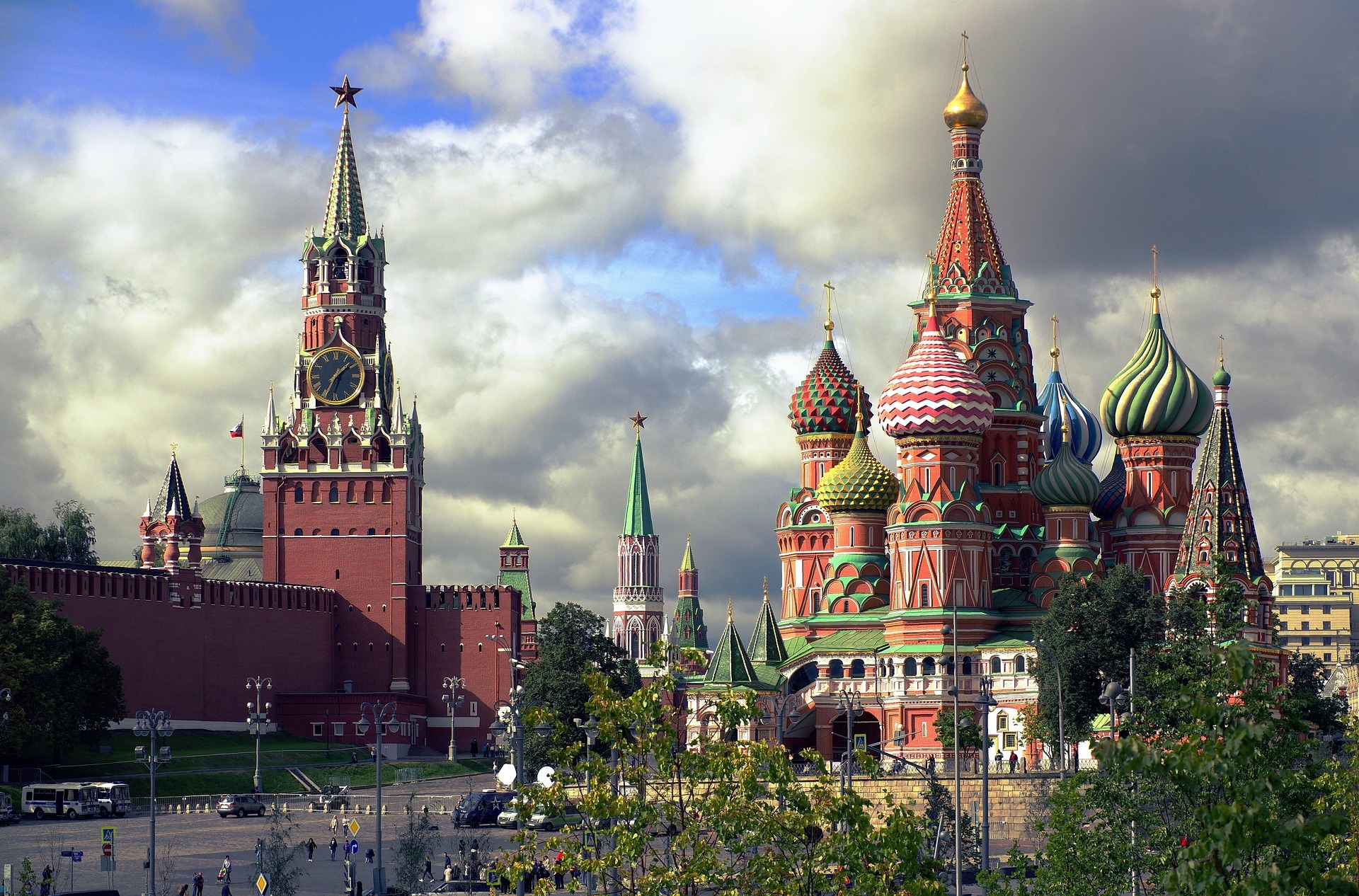
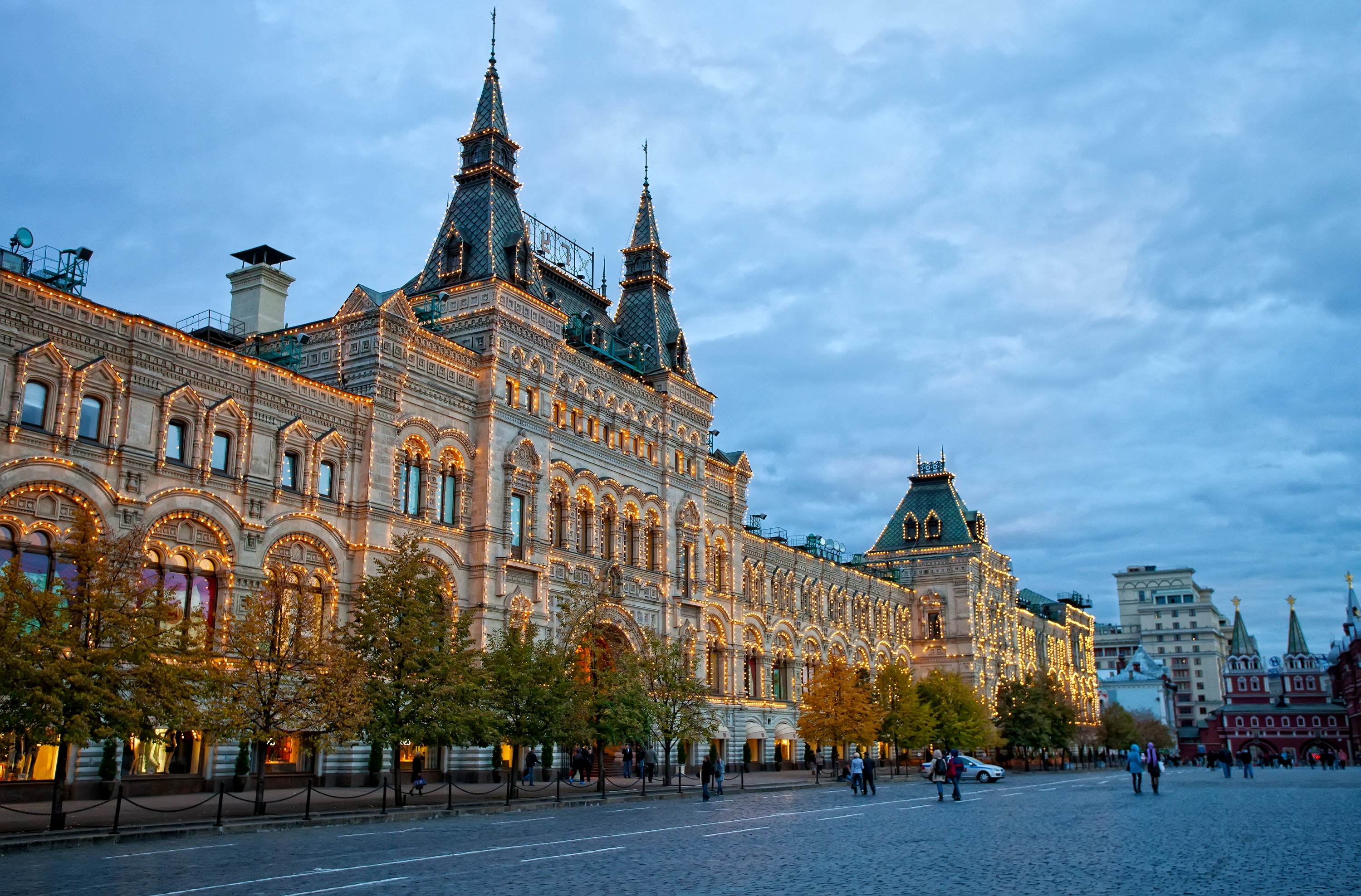
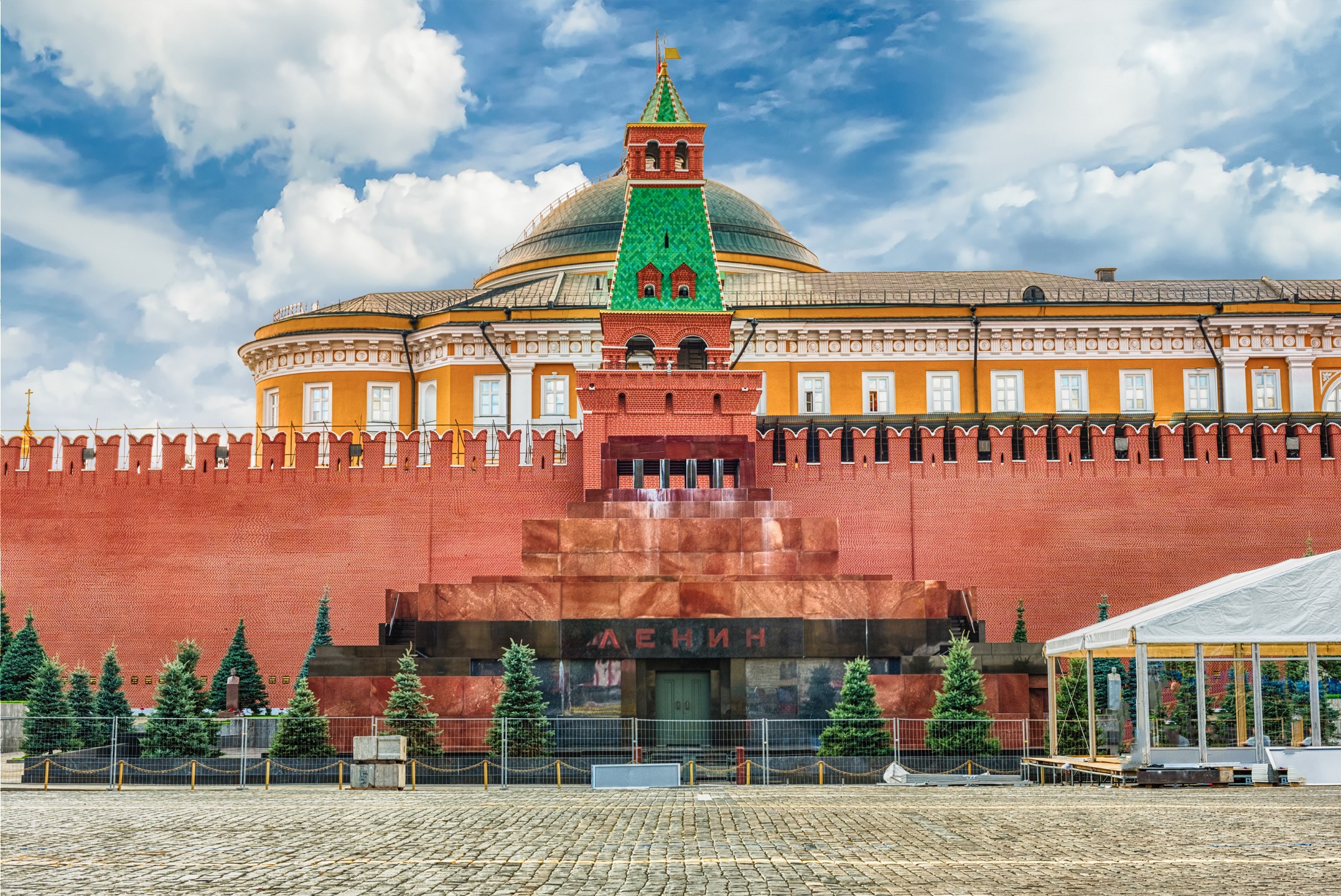
- Saint Basil's Cathedral, on Red Square, 10 minutes' walk from Manege Square
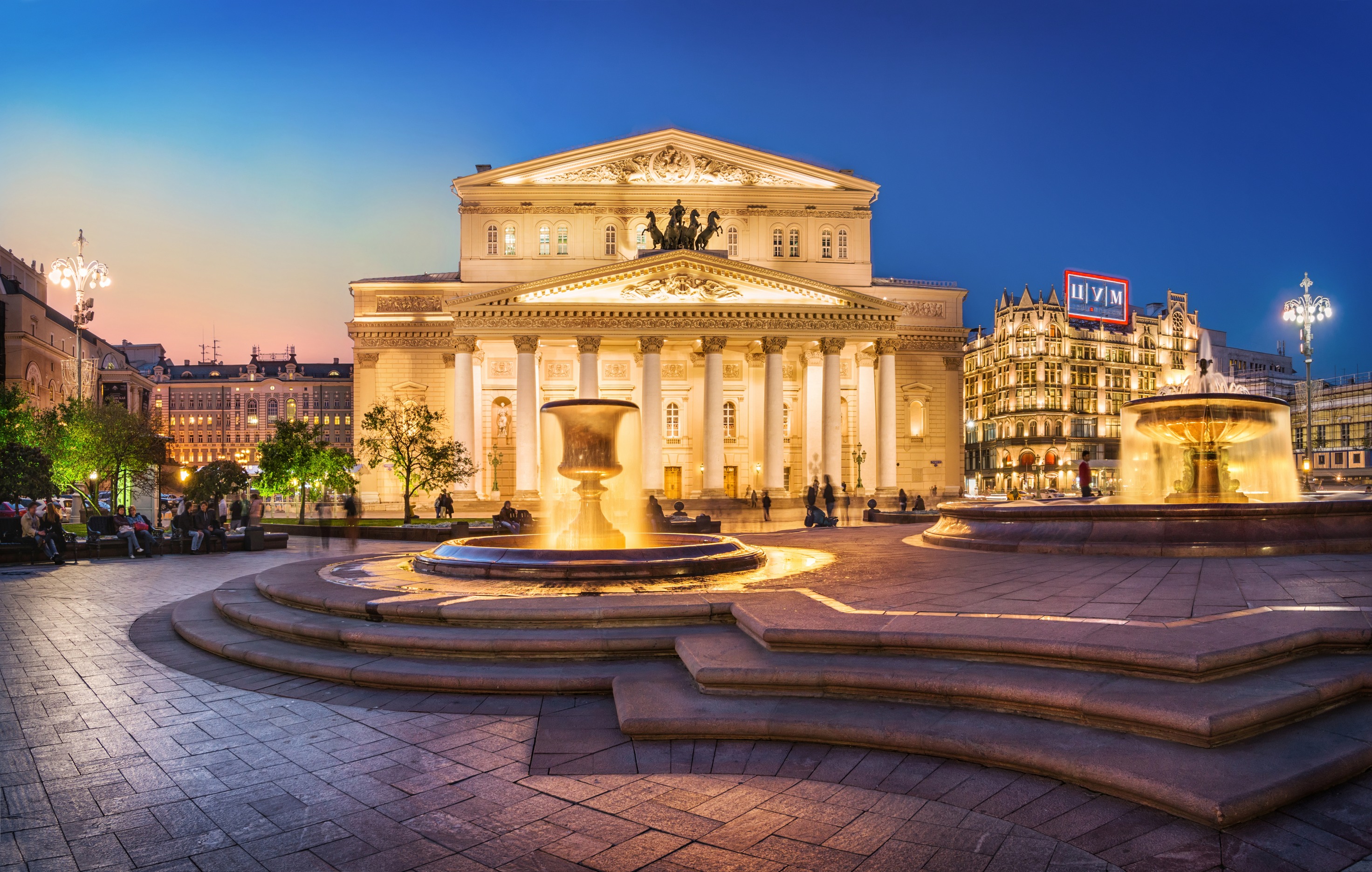
- The Bolshoi Theatre, a few streets east
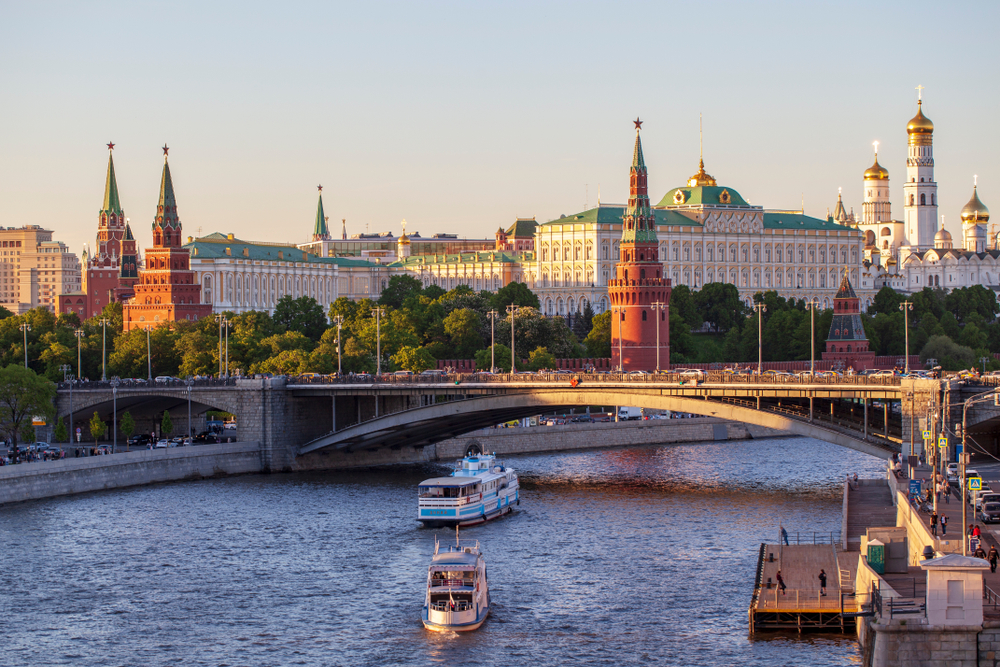
- The Cathedral of Christ the Saviour, on the Moskova riverbank
- The Cathedral of Our Lady of Kazan, on the edge of Red Square
Frequently asked questions
Frequently asked questions
A complete walk from one end to the other takes around 30 minutes without stopping. Including the main buildings, Pushkin Square and a few breaks, allow 1 to 2 hours.
To start from the Kremlin, exit at Okhotny Ryad (red line). To make the journey in reverse, from Triumph Square toward the center, choose Mayakovskaya (green line).
The nickname refers to its role as a prestigious avenue extending from a major central square, the concentration of shops, hotels and cafés, and its function as an axis of political representation, comparable to the Parisian perspective.
Prepare your visit
Tverskaya Street fits naturally into any itinerary for discovering the Russian capital, complementing the Kremlin, Red Square and a few museums in the center. To integrate this walk into a wider circuit, check out our suggestions for traveling in Russia.
Nearby
Interested in this visit?
We can include it in your personalised itinerary.