Mariinsky Theatre
Mariinsky Theatre
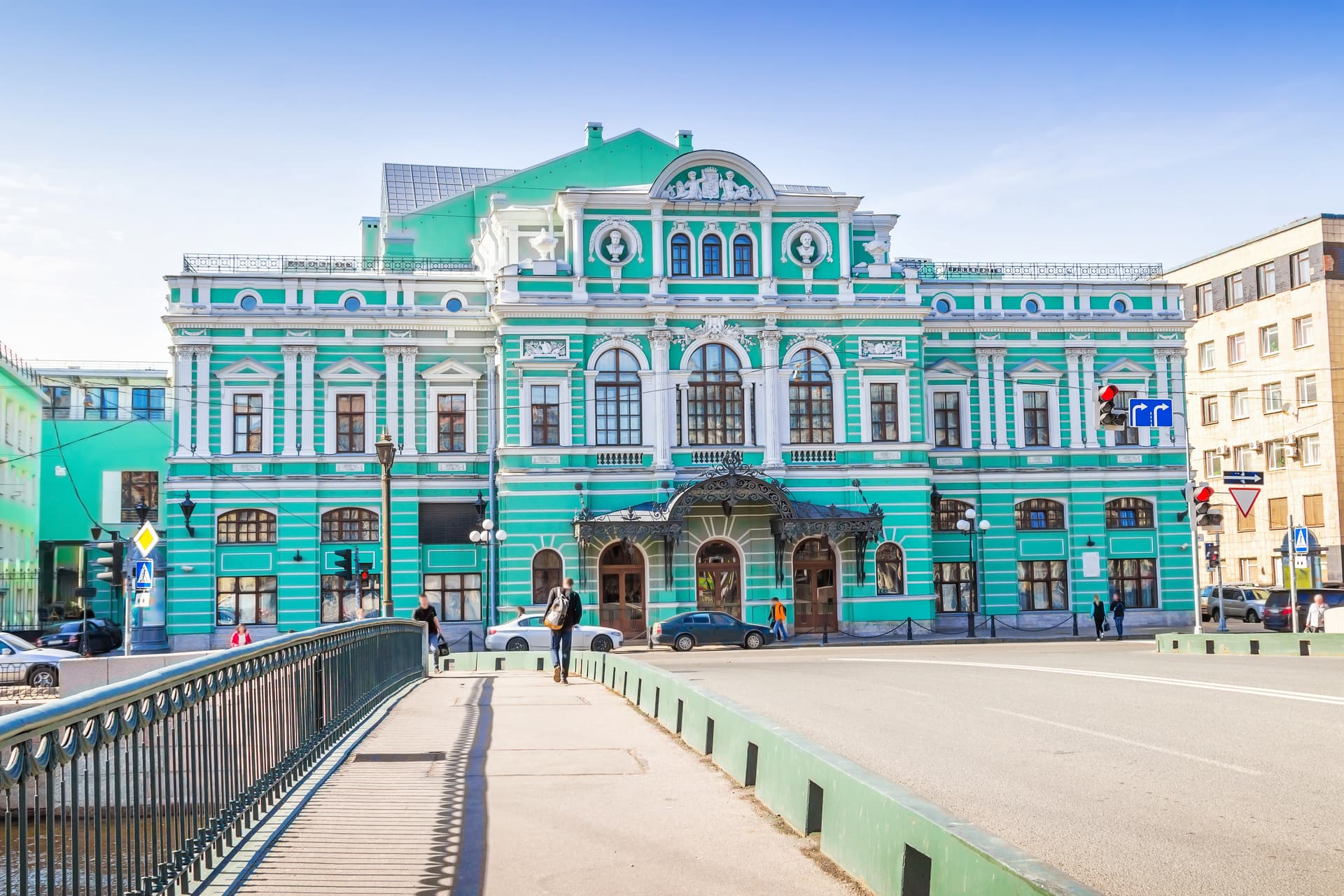
Inaugurated in 1860, the Mariinsky in Saint Petersburg remains a major lyric and choreographic venue, celebrated for its ballet and White Nights festival.
The Mariinsky Theatre is one of Saint Petersburg's greatest lyric and choreographic stages. Inaugurated in 1860, it has seen the birth of some of Russia's most celebrated ballets and remains, more than 160 years after opening, a major creative venue under the direction of conductor Valery Gergiev.
Why visit the Mariinsky Theatre
The Mariinsky holds three compelling reasons for a Saint Petersburg visitor:
- A historic 19th-century hall decorated in blue and gold, designed by architect Alberto Cavos.
- A premier lyric and choreographic programme, with an internationally renowned ballet company and a repertoire spanning Tchaikovsky, Rimsky-Korsakov, Mussorgsky and Prokofiev.
- A complex of three halls (the historic Mariinsky, Mariinsky II, and concert hall), allowing performances almost every evening of the season.
Attending a performance remains one of the most direct ways to experience Russian musical culture in its original setting.
History of the Mariinsky
The current building was constructed in 1860 by architect Alberto Cavos, on the site of a previous theatre destroyed by fire. It takes the name Mariinsky in honour of Marie Alexandrovna, wife of Emperor Alexander II.
The public opening took place on 2 October 1860, with a performance of Mikhail Glinka's opera A Life for the Tsar. The hall quickly became Russia's principal imperial stage.
Ballet gained decisive importance through Marius Petipa, ballet master and choreographer of French origin who settled in Saint Petersburg from 1847. It was on the Mariinsky stage that he developed his great choreographies — The Sleeping Beauty, Swan Lake (in the revised version with Lev Ivanov), The Nutcracker — which established the canon of classical ballet.
Under the Soviet Union, the theatre was renamed the Kirov and lost some prestige to Moscow's Bolshoi, considered the official showcase. Several artists left the company for the capital.
The late 1980s marked a revival. The theatre regained its Mariinsky name in 1992. Under the direction of Valery Gergiev, the conductor who took the helm of the institution, it expanded with two new halls, including one dedicated to symphonic concerts (Mariinsky Concert Hall, 2006) and a second lyric stage (Mariinsky II, 2013).
What to see on site
The historic hall
The great hall of the original Mariinsky is iconic: velvet-upholstered seats, embroidered blue curtain, central chandelier and painted ceiling. The acoustics were designed by Cavos himself, who was the son of a composer, and remain renowned for vocal clarity.
Mariinsky II
Inaugurated in 2013 just across from the historic building, this second contemporary stage hosts operas and ballets on a technically sophisticated platform. The austere, mineral exterior architecture contrasts with the neoclassical décor of the older hall.
The ballet company
The Mariinsky Ballet remains one of the premier companies for the classical repertoire. Several prima ballerinas trained at the neighbouring Vaganova Academy have built their careers here, including Viktoria Terechkova, Alina Somova and, at different stages, Evgenia Obraztsova.
The repertoire
The season alternates great Russian operas (Boris Godunov, Khovanshchina, Eugene Onegin), Italian and French repertoire, and classical ballets by Petipa and Tchaikovsky. Symphonic concerts are performed in the dedicated hall.
Practical information
- Ticket sales: advance booking is recommended, particularly for celebrated ballets and weekends. The cheapest seats are in the upper balcony; sightlines are limited but acoustics remain good.
- Performance duration: allow 2.5 to 3.5 hours depending on the work, including intermissions.
- Dress code: there is no strict dress code, but smart attire is customary, especially for opening nights.
- Cloakroom: use is expected during the cold season; it is free.
- Guided tours: available during the day outside performance times, by reservation.
When to attend a performance
The main season runs from September to July. Two periods stand out:
- Winter (November to March), which corresponds to the heart of the lyric and choreographic programming, with an overwhelmingly local audience.
- The Stars of the White Nights festival, organized annually from late May to late July by Valery Gergiev. It offers an exceptional concentration of operas, ballets and concerts during the White Nights period, when the sun barely sets over Saint Petersburg.
How to get there
The theatre is located on Teatralnaya Square, in the Admiralty district, south of Saint Petersburg's historic centre. There is no metro station directly adjacent; the most useful stations are Sadovaya, Sennaya Ploshchad and Spasskaya, about fifteen minutes' walk away. Several bus and trolleybus lines also serve the nearby avenue. In the evening, a taxi or ride-share remains the simplest option, especially in poor weather.
Nearby
The district allows you to easily combine several visits before or after the show:
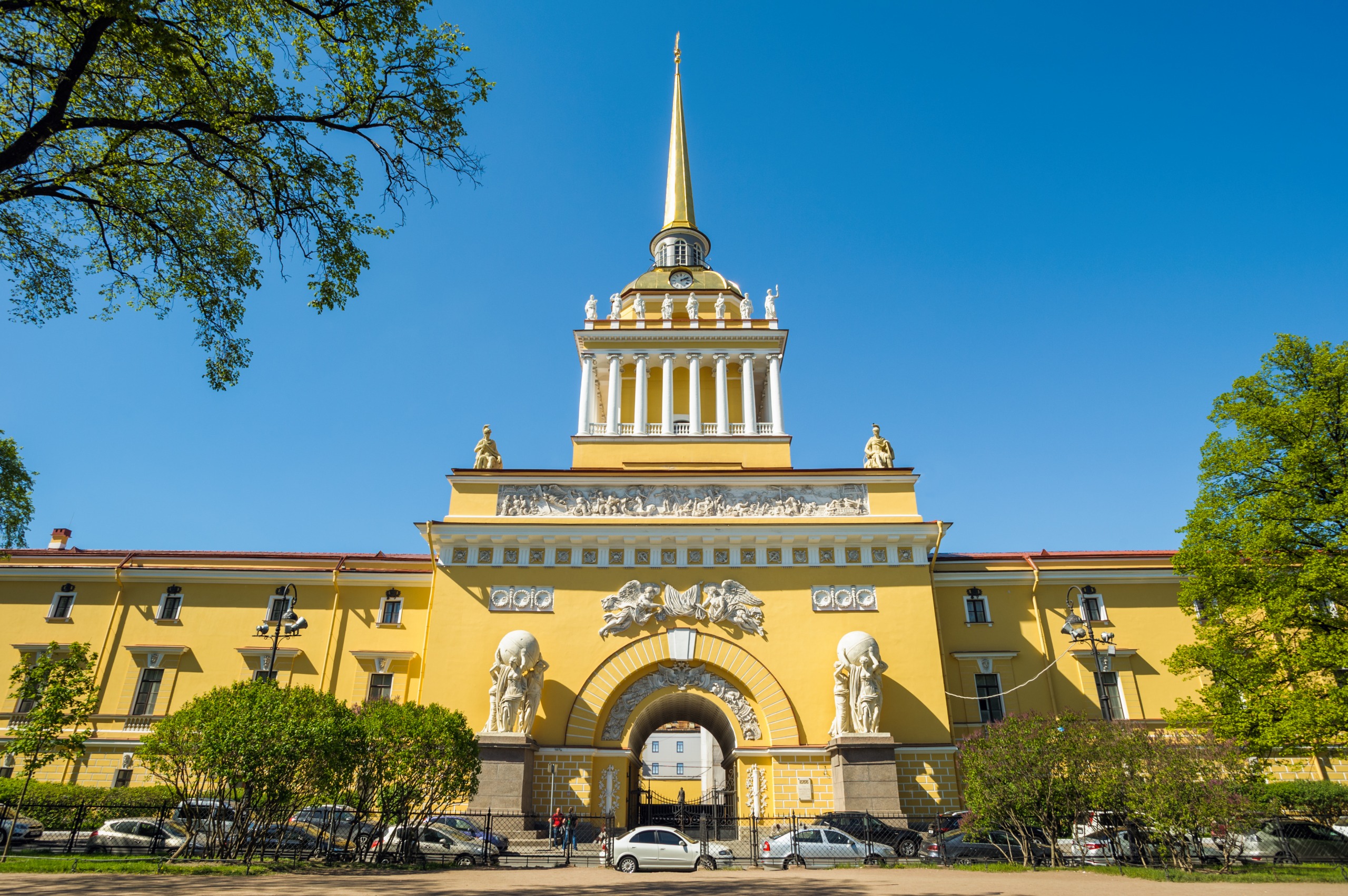
- The Admiralty of Saint Petersburg, former seat of the imperial navy.
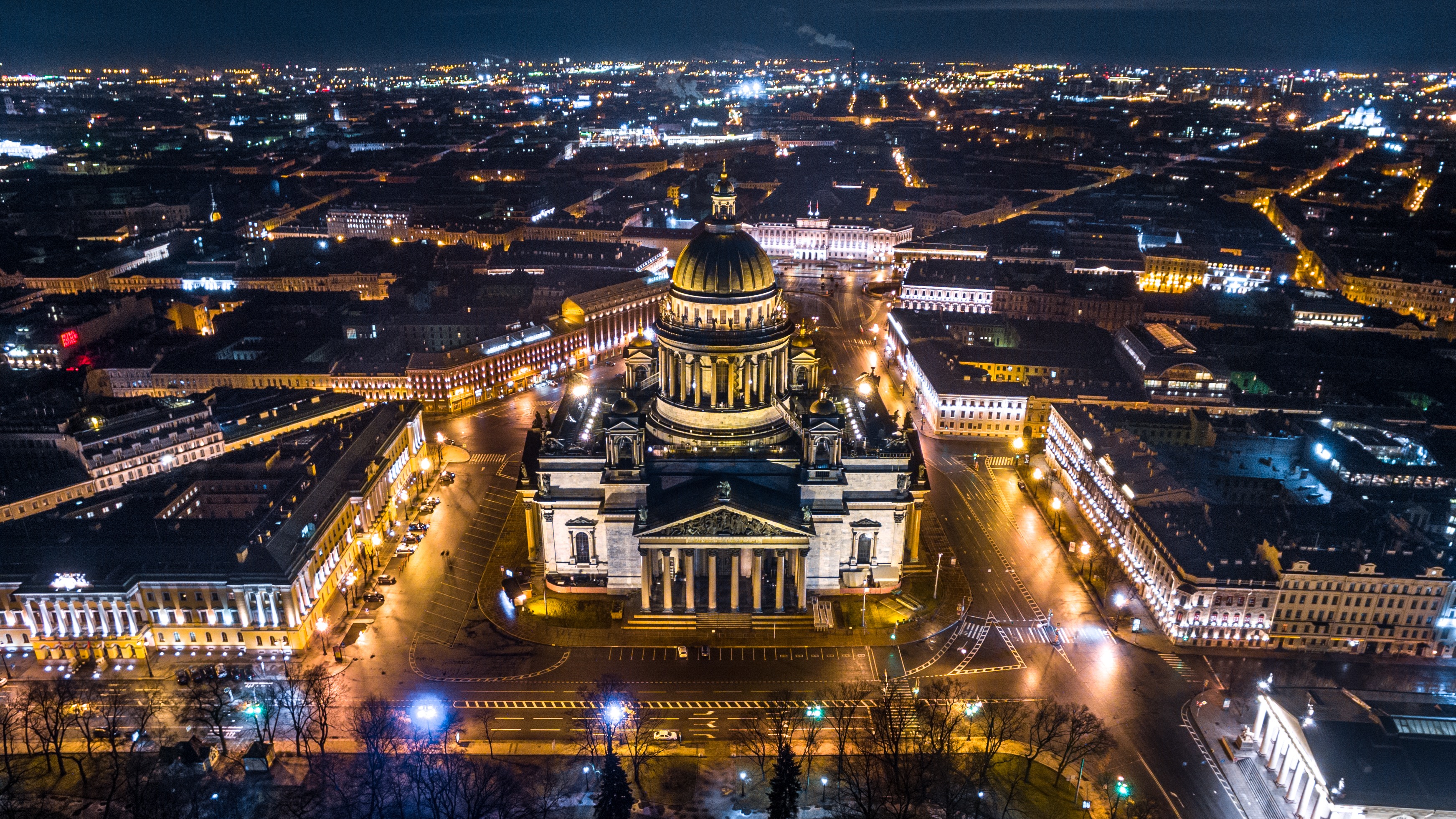
- The Saint Isaac Cathedral, whose gilded dome dominates the quarter.
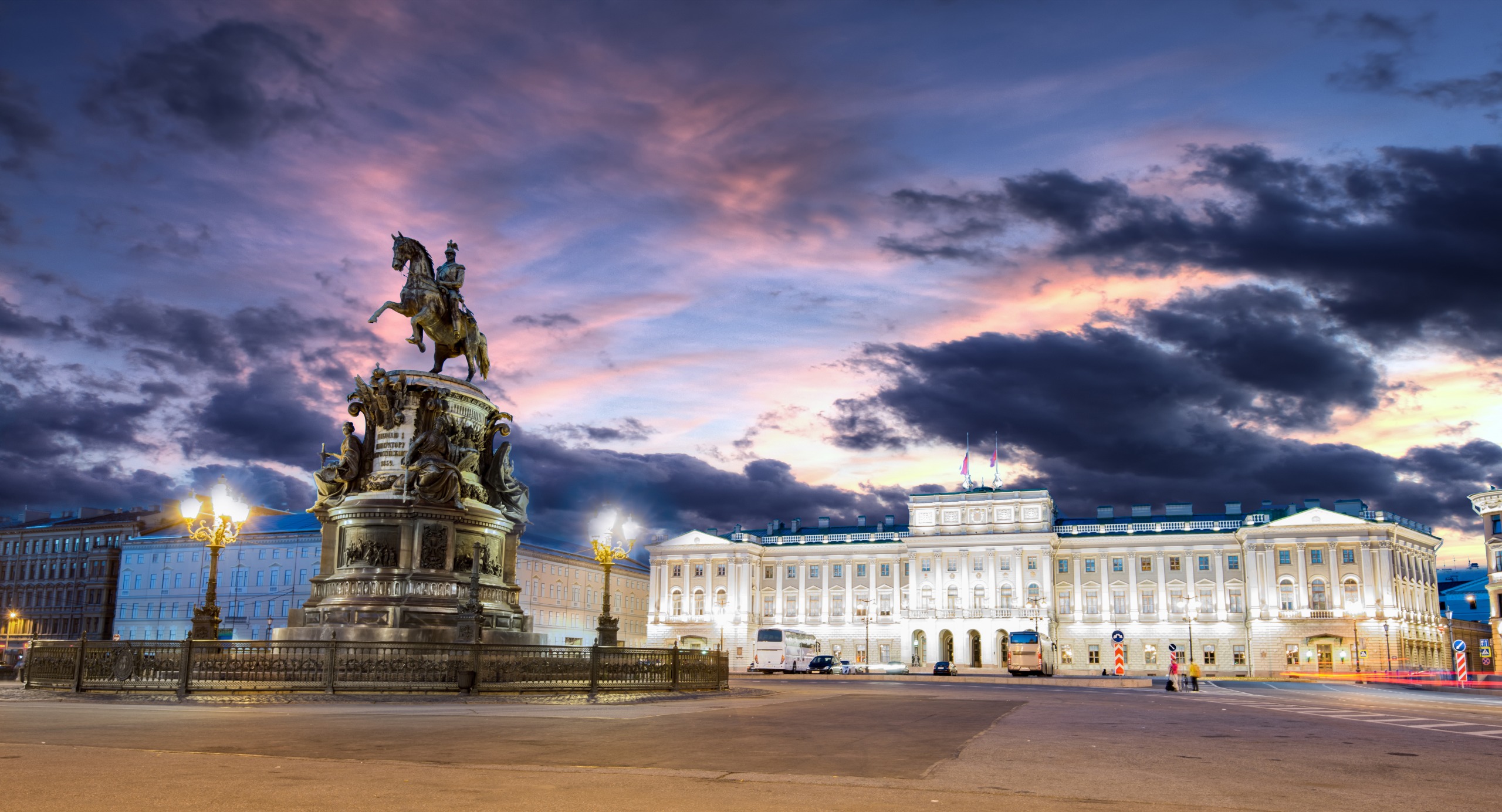
- The Senate Square and the famous Bronze Horseman.
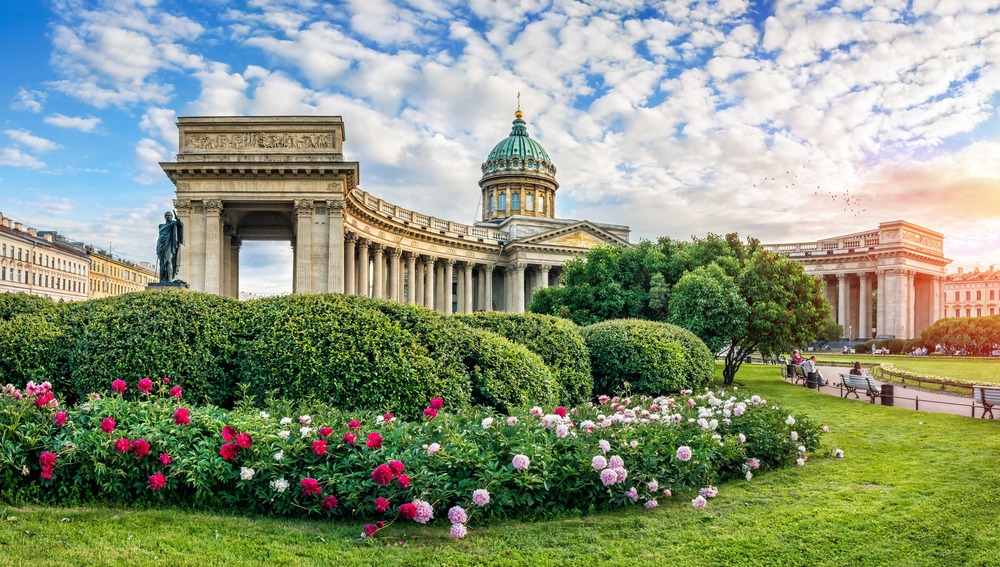
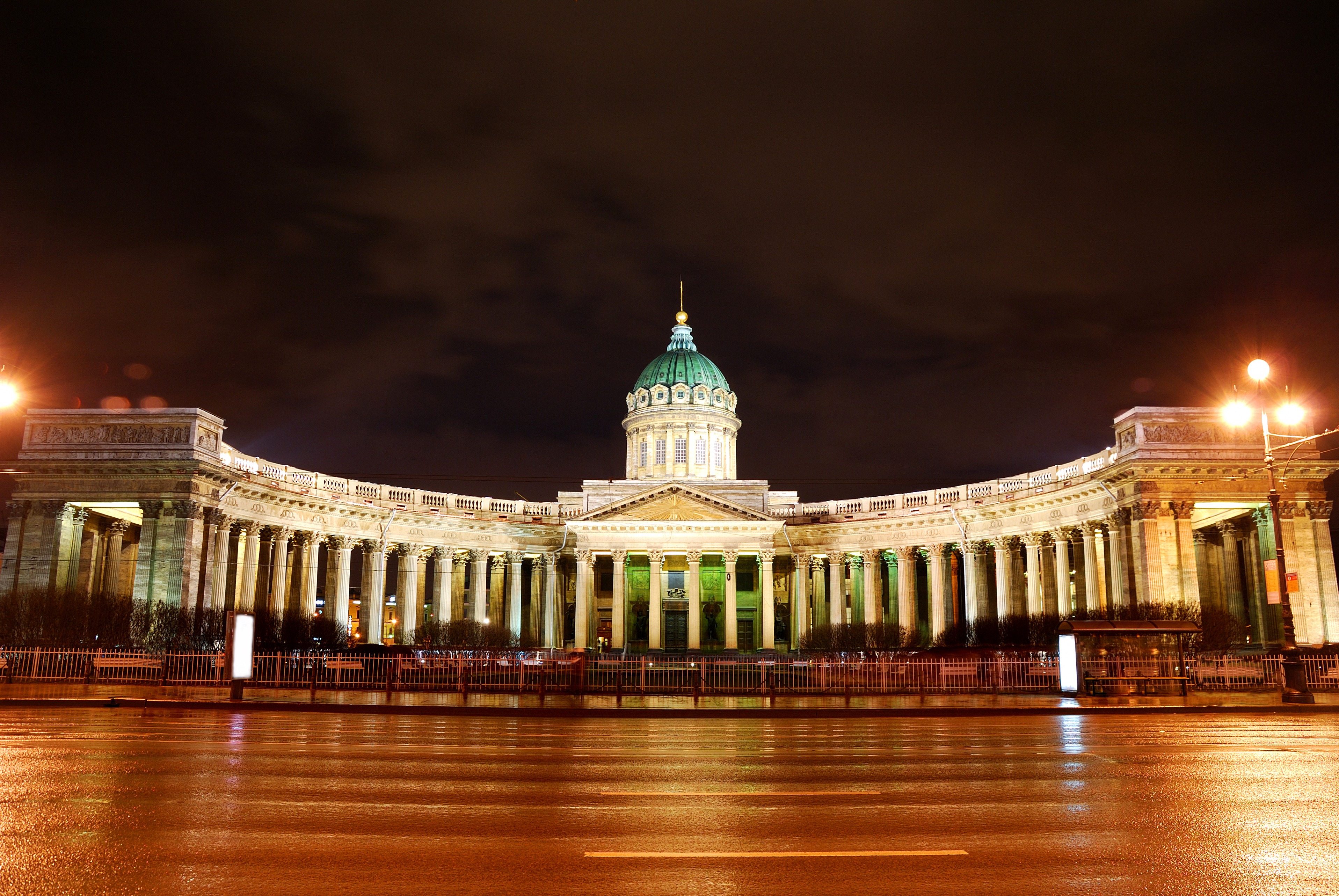
- The Cathedral of Our Lady of Kazan, on Nevsky Prospect.
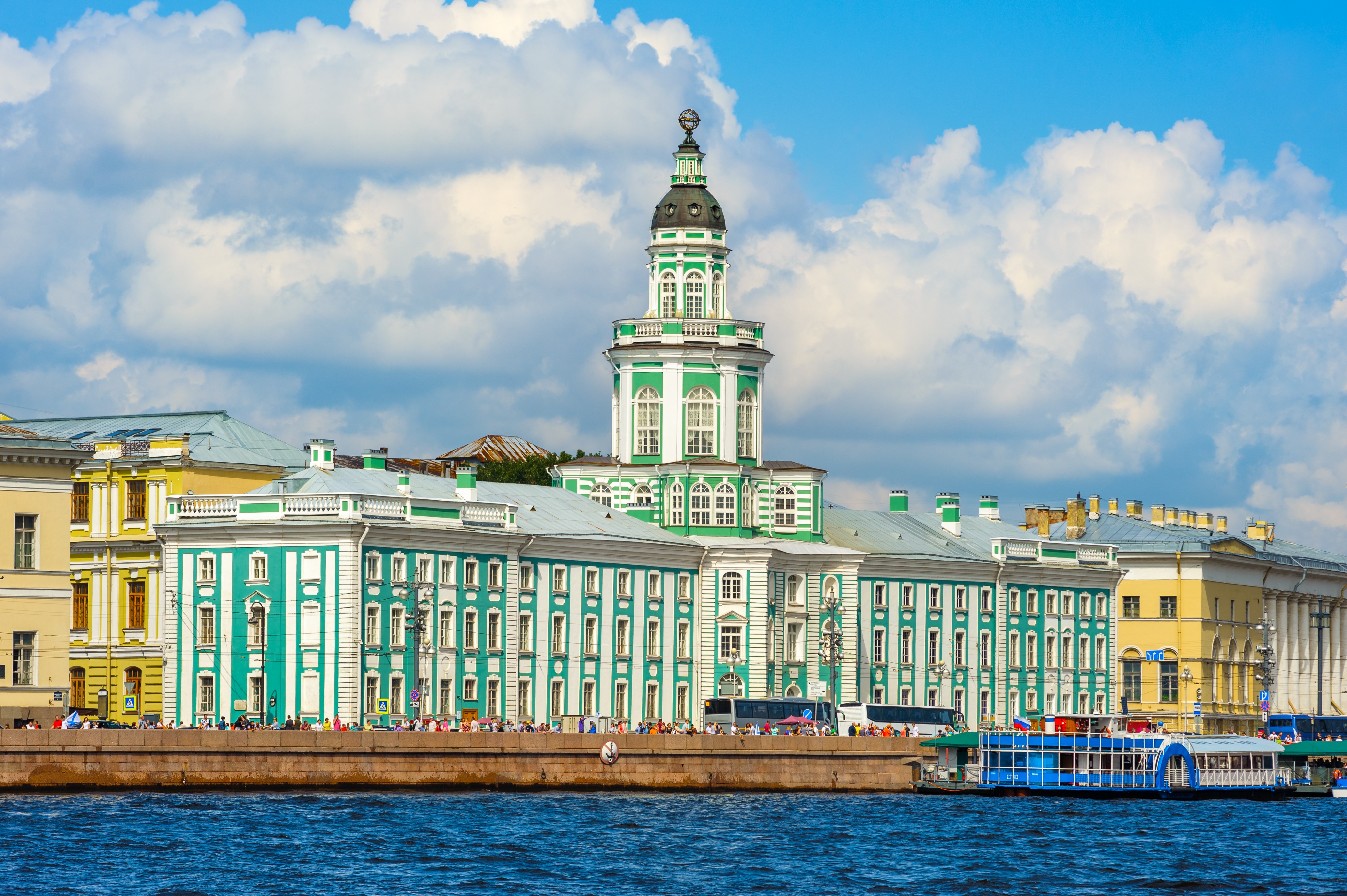
- The Kunstkamera, Russia's first public museum, on the other side of the Neva.
Frequently asked questions
Frequently asked questions
Yes, particularly for Tchaikovsky ballets, opening nights and Stars of the White Nights festival performances. Tickets are sold on the official website several months before the performance.
No strict code is enforced, but the majority of Russian audiences wear smart attire. Avoid shorts and flip-flops; standard city wear is perfectly appropriate.
The historic Mariinsky (1860) offers the original, neoclassical blue and gold hall with renowned acoustics. Mariinsky II (2013), just across the way, is a contemporary stage that is technically more modern, also used for operas and ballets.
Yes, guided tours are organised during the day outside performance times, by reservation. They allow access to the foyers, the hall and certain backstage areas.
Allow on average 2.5 to 3.5 hours depending on the work, with one or two intermissions during which the audience enjoys the foyers and buffet.
Including the Mariinsky in your journey
An evening at the Mariinsky naturally fits into a Saint Petersburg stay, between visiting imperial palaces and exploring the Hermitage. To build a complete itinerary in Russie, consult our travels in Russie.
Nearby
Interested in this visit?
We can include it in your personalised itinerary.