Peterhof Palace
Peterhof Palace
Nicknamed the 'Russian Versailles,' Peterhof Palace showcases Baroque palaces, terraced gardens and 176 fountains overlooking the Gulf of Finland.
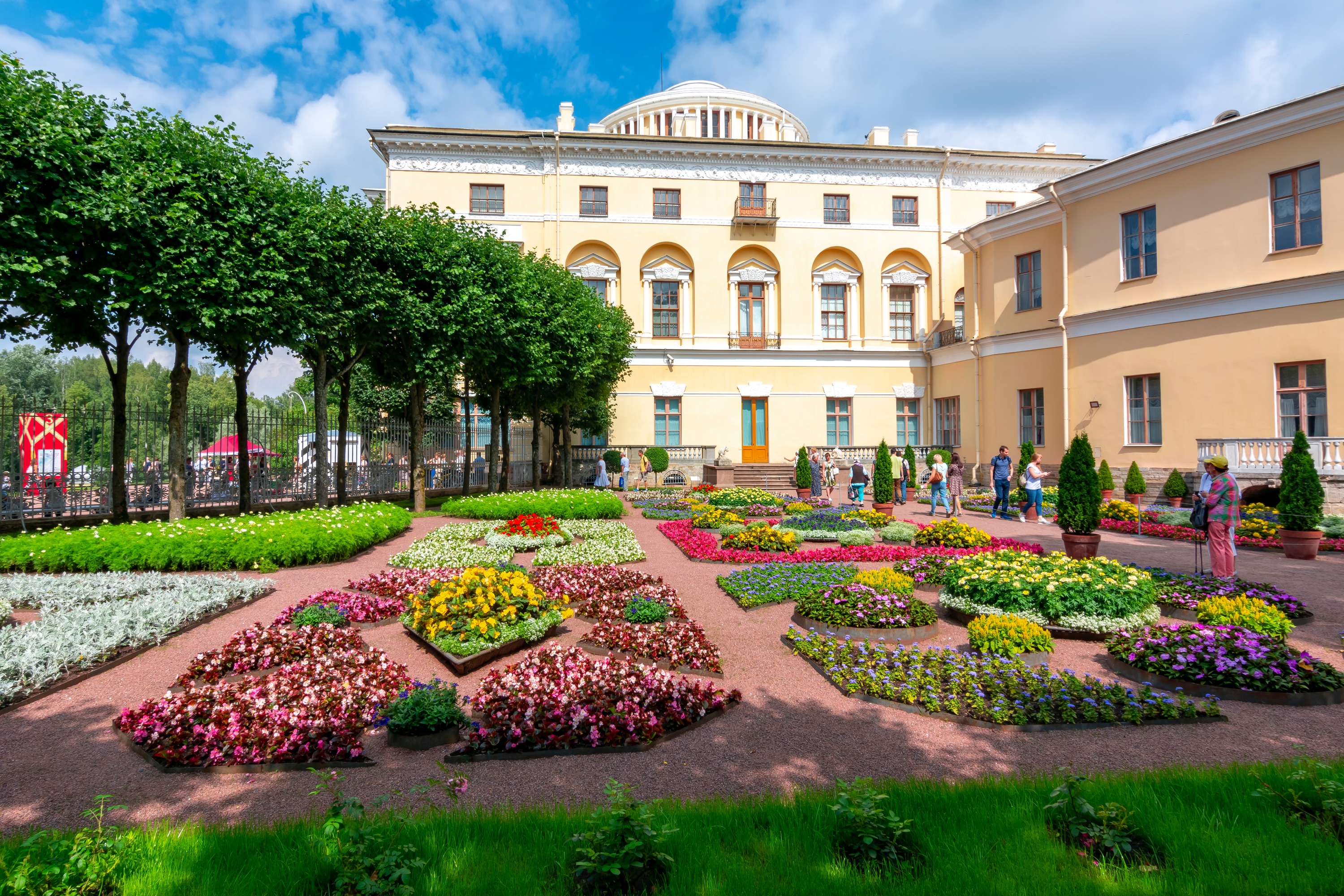
Some thirty kilometers west of Saint Petersburg, on the southern shore of the Gulf of Finland, Peterhof Palace sprawls across over 100 hectares of palaces, parks and fountains. Dubbed the 'Russian Versailles,' this imperial estate—inscribed on UNESCO's World Heritage list—bears the imprint of Peter the Great and his successors, who transformed it into the Baroque showcase of an empire seeking European prestige.
Why visit Peterhof
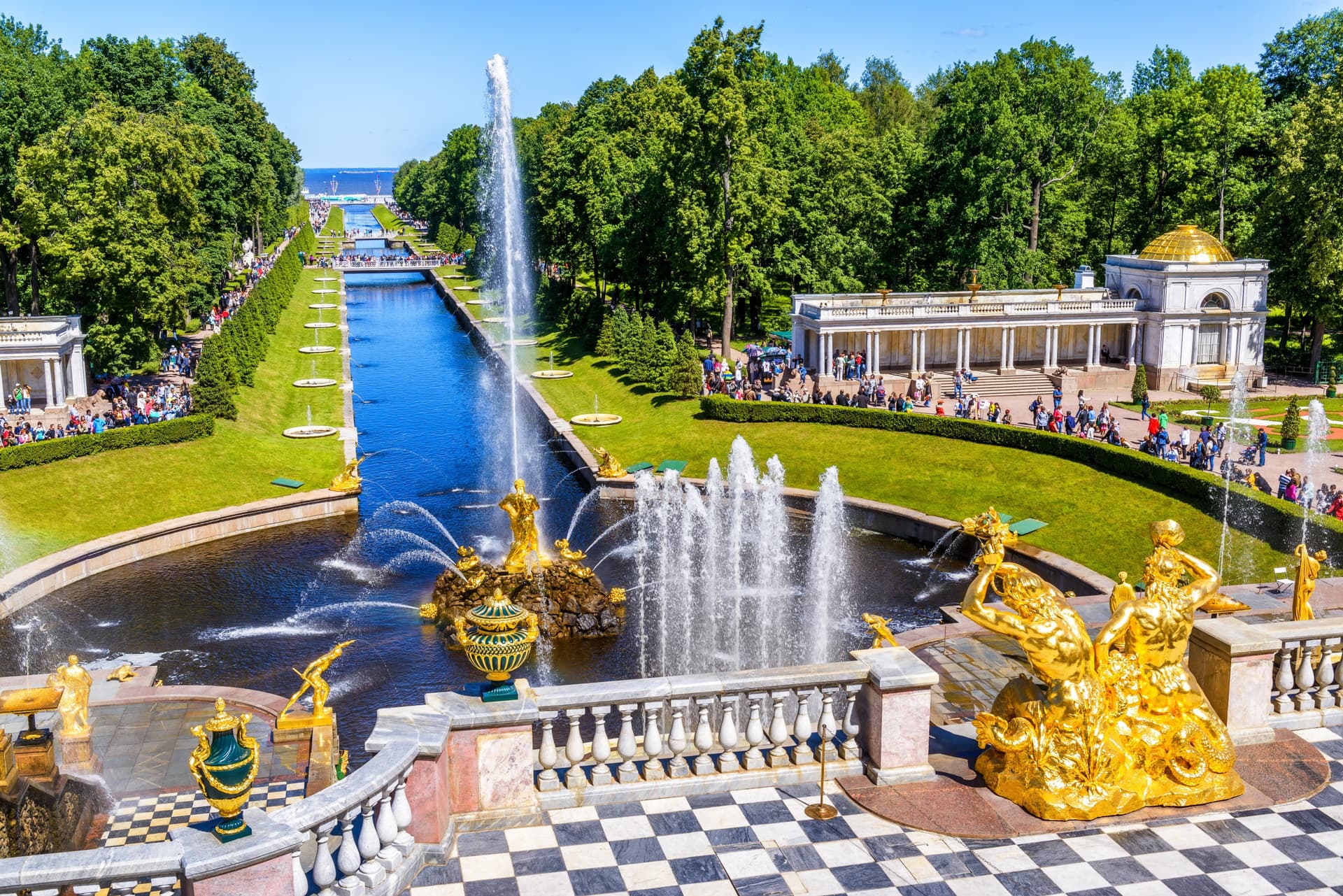
Peterhof brings together in one location three usually separate ensembles: a lavishly furnished state palace, a historic park spanning more than a century of Franco-Russian landscaping tradition, and a hydraulic system of 176 fountains fed by gravity alone, without pumps, from nearby heights. A walk between the Great Cascade, the Samson Fountain and the groves of the lower garden makes for half a day of discovery in itself. The site draws millions of visitors annually, making it one of the most popular excursions from Saint Petersburg.
History of the imperial estate
Construction began in 1714 when Peter the Great decided to build a summer residence on the Baltic shore to embody Russia's modernization. His journey to France in 1717, and particularly his stay at Versailles, convinced him to expand the project to rival Louis XIV's residence. The tsar died in 1725 before seeing his ambition realized.
His daughter Elizabeth I, who succeeded him, entrusted the redesign to Italian architect Bartolomeo Rastrelli. He gave the Grand Palace its current Baroque silhouette—more monumental and ornate. The estate remained a imperial residence until 1917.
After the revolution, Peterhof was nationalized and transformed into a museum in the early 1920s. Nazi occupation, from 1941 to around 1944, brought abrupt devastation: the site was plundered and then dynamited during the retreat. Restoration began as early as January 1944. Thirteen years were needed to rebuild the central structure and its interior décor; some work continues to this day.
What to see on site
The Grand Palace
At 268 meters long, the central building houses around thirty rooms, primarily state halls. Several details warrant attention:
- the throne room, approximately 320 m², treated in gold-leaf Baroque;
- a state hall adorned with 368 paintings;
- the Chinese cabinet, which introduces Oriental touches—prized in the 18th century—into the Baroque décor.
The auxiliary palaces
The estate includes several secondary buildings worth visiting if you have a full day: the Marly Palace, the Farmers' Palace and the more intimate Cottage Palace illustrate the diversity of residential uses across the site.
The gardens and fountains
Two landscaped ensembles divide the space:
- the upper garden, approximately 15 hectares, free to enter, punctuated with fountains and sculptures;
- the lower garden, nearly 100 hectares, designed by French architect Jean-Baptiste Le Blond, descending in terraces to the gulf.
At the heart of the lower park, the Great Cascade and the Samson Fountain form the symbolic axis of the estate. In total, 176 fountains operate by gravity, without any pumping system.
When to visit
The fountain season runs from May to October: this is the only period when the entire hydraulic system operates, which is the primary reason to come. May and June offer Saint Petersburg's white nights and tender vegetation; July and August concentrate the crowds; September brings appealing autumn colors. Outside the season, palaces and gardens remain open but the experience loses its essential character, and access to the lower garden becomes free in winter.
Practical information
The Grand Palace is generally closed on Mondays and the last Saturday of the month. Gardens open in the morning and close early evening, with extended hours on weekends during the fountain season. Plan for a minimum of half a day, ideally a full day to combine the Grand Palace, gardens and auxiliary palaces.
Regarding fees, access to the upper garden is free year-round. The Grand Palace, lower garden and Great Cascade grotto are ticketed at modest rates; students receive a discount upon presenting valid credentials. As rates are revised regularly, check current prices before your visit.
Getting there from Saint Petersburg
- Hydrofoil: the most direct route, departing from the pier behind the Winter Palace, reaches the lower garden in roughly thirty minutes. Service available during season only.
- Buses 200 or 210: depart from in front of Avtovo metro station, an economical option taking approximately 40 minutes depending on traffic.
- Suburban train: from the Baltic Station to Novy Peterhof, then 25 to 30 minutes' walk or a connecting bus to the park entrance.
- Taxi or ride-sharing: the fastest option outside peak tourist season, but considerably more expensive.
Nearby attractions
Peterhof fits into a broader circuit around Saint Petersburg. To extend your visit of the grand imperial and religious ensembles in the city center, several sites connect naturally:
- the Hermitage Museum, the other great imperial collection;
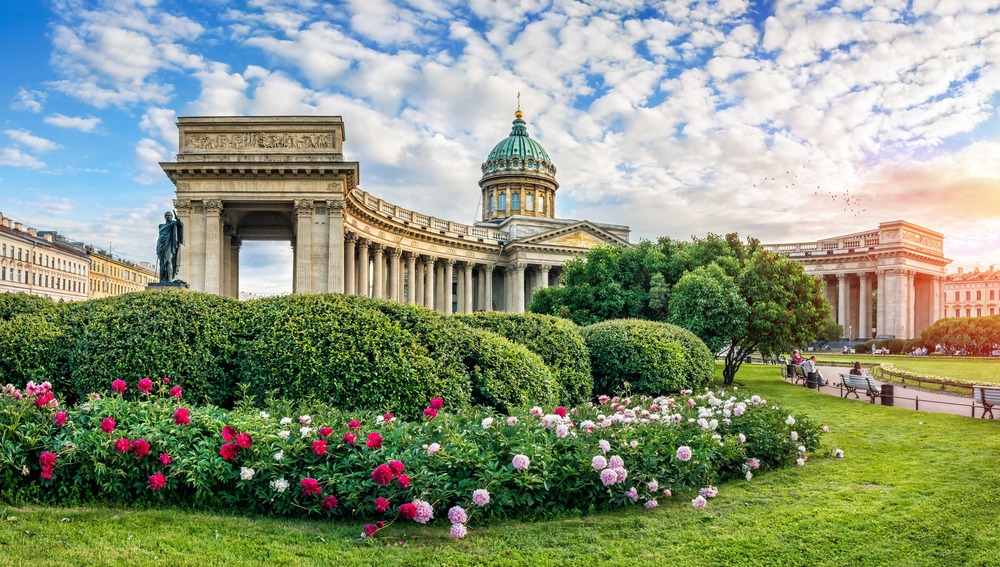
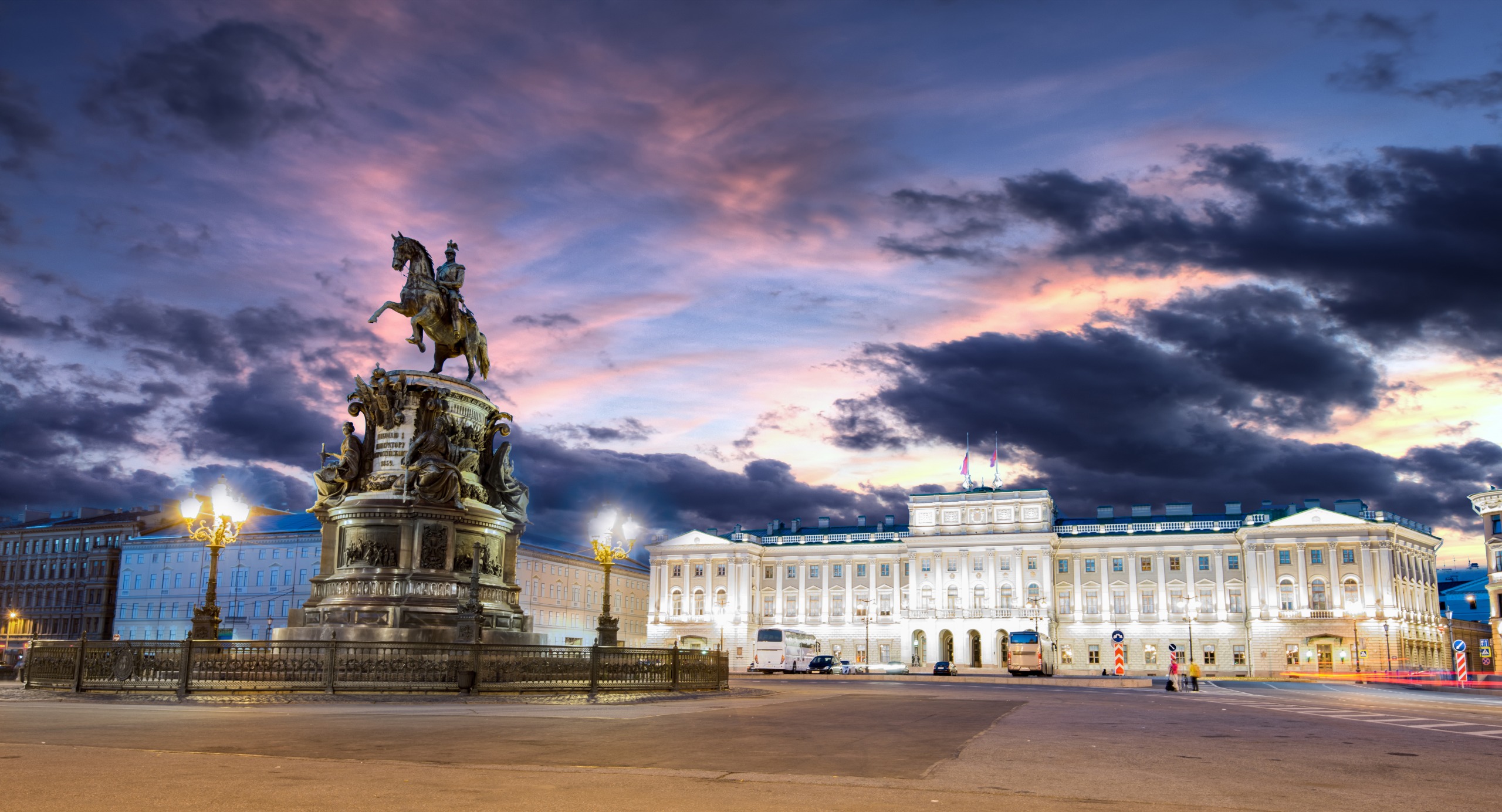
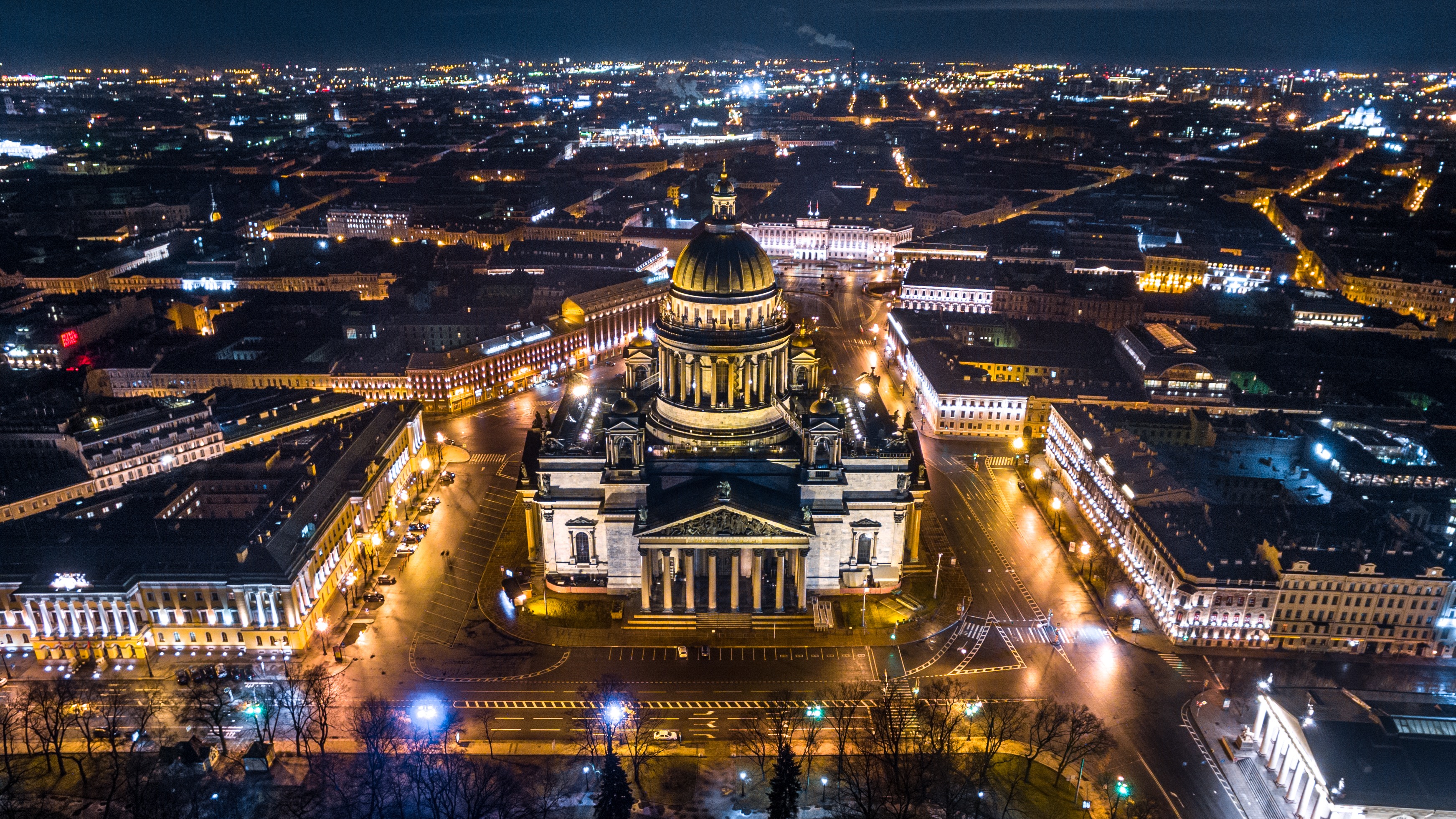
- Saint Isaac's Cathedral and its gilded dome;
- the Peter and Paul Fortress, birthplace of the city;
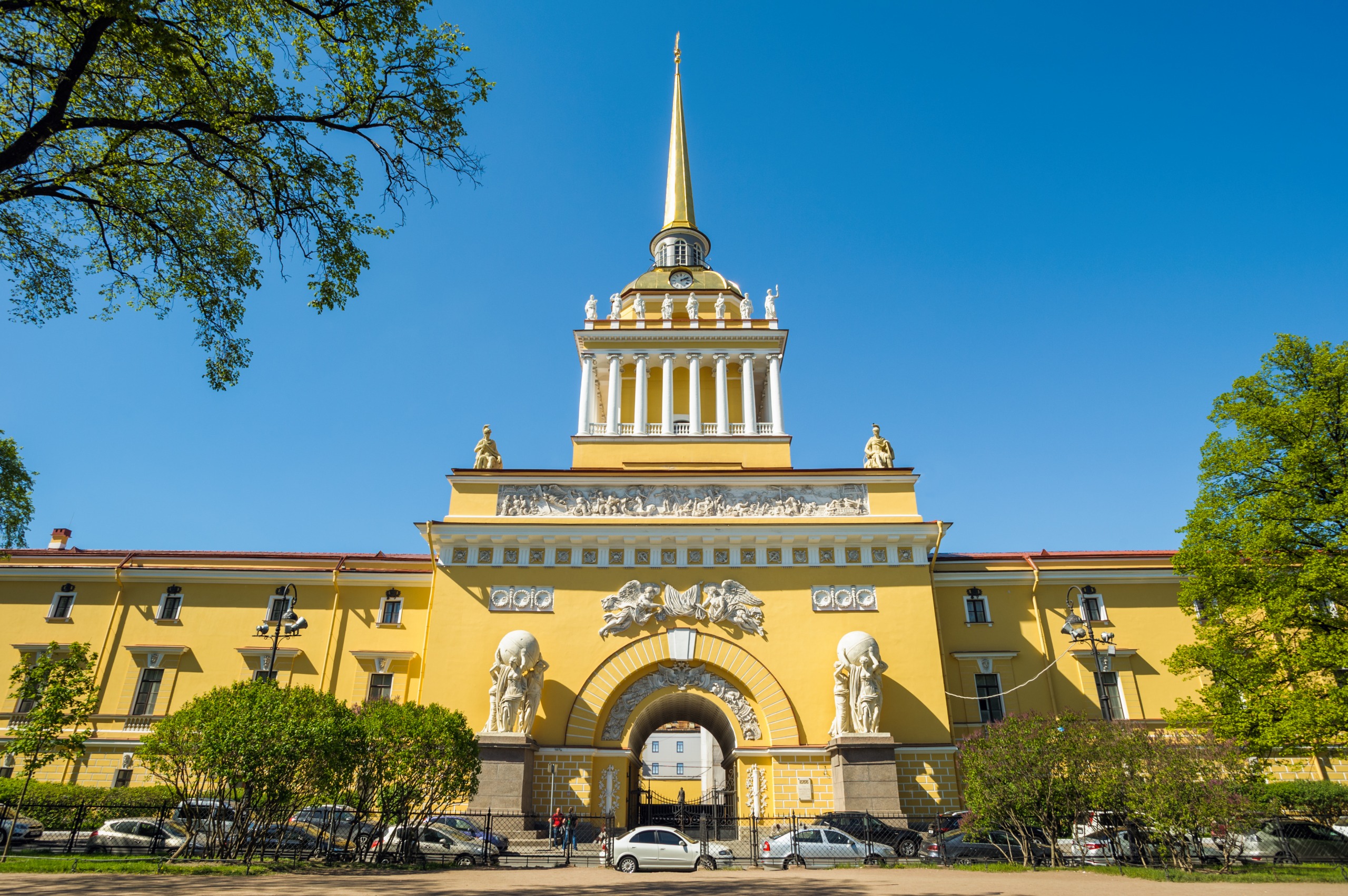
- the Admiralty, on Nevsky Prospect;
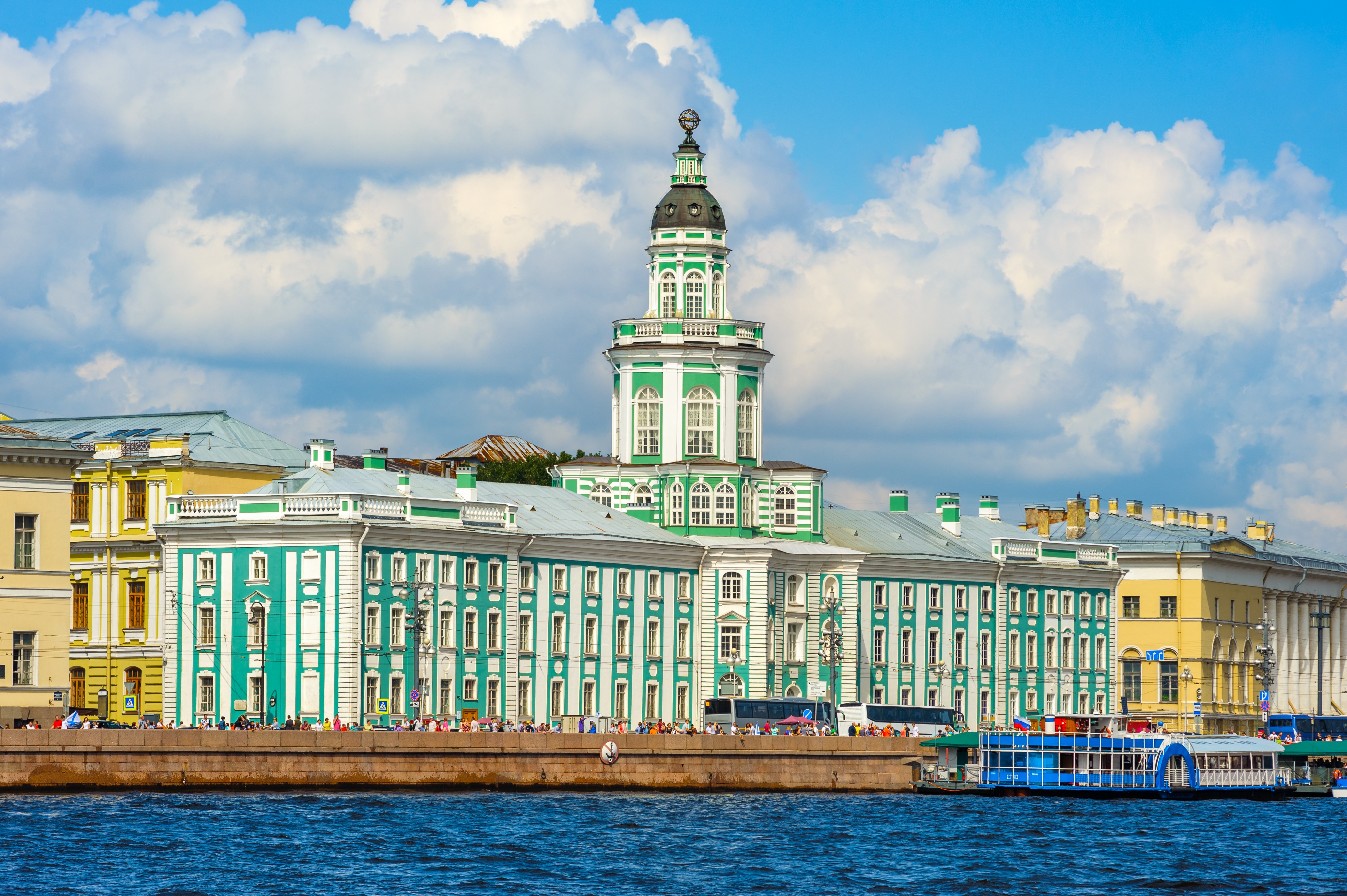
- the Kunstkamera, the first museum founded by Peter the Great.
Frequently asked questions
Frequently asked questions
Peter the Great explicitly wished to rival Versailles after his 1717 stay in France. The overall layout, central axis, terraces descending toward water and the role of fountains all echo the vocabulary of French royal residences, reworked by Rastrelli in a Baroque style.
Between May and October, when the 176 fountains are operational. June and September offer a good balance between pleasant weather and reasonable crowds.
Half a day for the gardens and Great Cascade, a full day to also include the Grand Palace and auxiliary palaces (Marly, Cottage, Farmers').
Yes. Palaces and gardens remain open but the fountains are shut down. Access to the lower garden becomes free outside the season.
During high season, waits at the palace entrance can be long (visits by timed slots). Booking online or arranging an organized tour avoids these queues.
Planning your trip
Peterhof is nearly always visited as part of a Saint Petersburg stay, on a dedicated day. To incorporate this site into a broader itinerary spanning imperial capitals and neighboring regions, see our suggestions for travel to Russia.
Nearby
Interested in this visit?
We can include it in your personalised itinerary.