The Tretyakov Gallery
The Tretyakov Gallery
In Moscow, the Tretyakov Gallery brings together more than 140,000 works of Russian art across two sites, from medieval icons to twentieth-century avant-garde movements.
The Tretyakov Gallery, in Moscow, preserves more than 140,000 works chronicling a thousand years of Russian art, from medieval iconography to twentieth-century avant-garde. Spread across two sites — the historic building on Lavrushinsky Street and the New Gallery on Krymsky Val — it stands as Russia's principal national art museum.
Why visit the Tretyakov Gallery
- A unique collection of medieval Russian icons, including Andrey Rublev's Trinity, the father of Russian iconography.
- Masterpieces from nineteenth-century Russia: Repin, Surikov, Serov, Ivanov, Vrubel.
- Twentieth-century avant-garde housed at the New Gallery: Malevich, Kandinsky, Chagall, Tatlin.
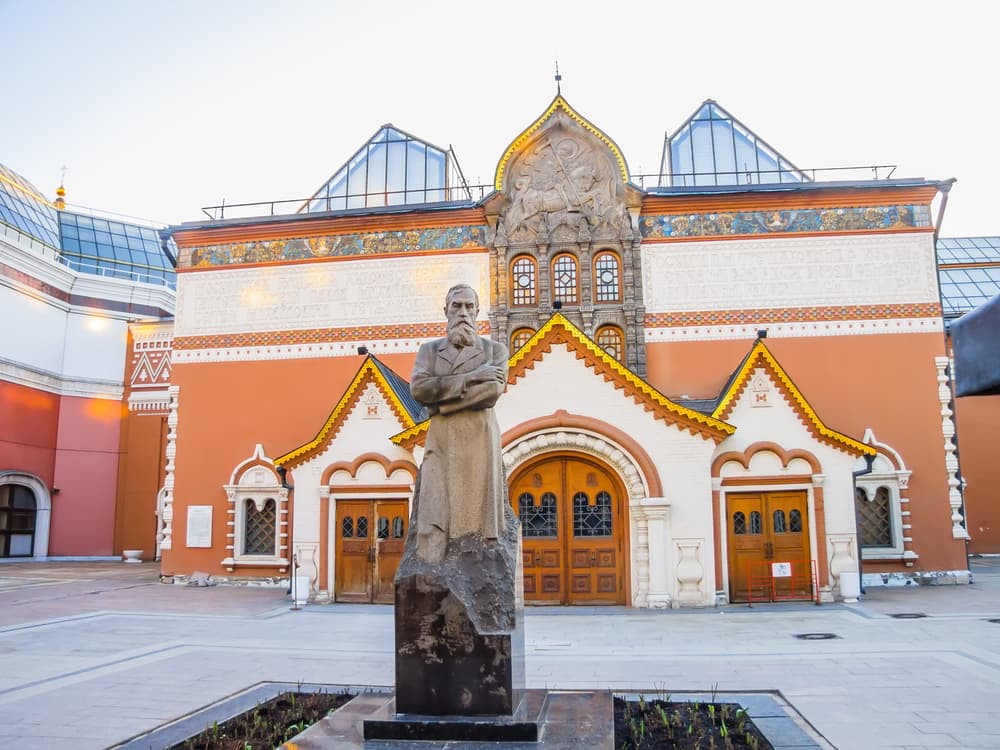
- A façade designed by Viktor Vasnetsov, a work of art in itself.
- A comprehensive panorama of Russian art across two complementary sites.
Museum history
The museum originates in the private collection of Pavel Tretyakov, a Moscow merchant passionate about art. It all begins in the 1850s, with the acquisition of two paintings by Russian artists and nine works by Dutch draughtsmen. Tretyakov continues his purchases over two decades and opens his museum in 1867 in Zamoskvoretche. His collection then comprises 1,276 paintings, 471 drawings, several Russian sculptures, and 84 foreign works.
In August 1892, Pavel Tretyakov donates the entire collection to the city of Moscow. The museum bearing his name is officially inaugurated on August 15, 1893. Originally housed in the family residence, the gallery quickly becomes too cramped. A new façade, painted by Viktor Vasnetsov, is erected in 1902-1904; it features the coat of arms of Moscow, with Saint George slaying the dragon.
To showcase twentieth-century art, a second site is established at Krymsky Val, on the banks of the Moskva River. This New Gallery welcomes modern and Soviet Russian art: Malevich, Kandinsky, Chagall, Mukhina, Shadr, Tatlin.
What to see in the collections
Medieval icons
- "The Holy Face of Novgorod" and "Our Lady of Vladimir", two major pieces of Russian iconography.
- The "Forty Martyrs of Sebaste", testimony to Byzantine-Russian religious art.
- "The Trinity Icon" by Andrey Rublev, considered the father of Russian iconography.
Nineteenth-century painting
- "The Appearance of Christ to the People" by Alexander Ivanov, the fruit of more than twenty years of work.
- "Boyarina Morozova" by Vasily Surikov, a monumental scene from Russian religious history.
- "Ivan the Terrible and His Son" by Ilya Repin, capturing the tsar's face at the moment of remorse.
- "Girl with Peaches" by Valentin Serov, an emblematic portrait of late nineteenth-century Russian painting.
Symbolism and avant-gardes
- "The Seated Demon" by Mikhail Vrubel; an entire room of the museum is devoted to this artist.
- At the New Gallery, twentieth-century Russian art is presented in chronological order, allowing you to trace the rapid evolution of artistic languages across symbolism, suprematism, constructivism, and socialist realism.
Practical information
- Opening hours: open daily except Mondays; extended hours on weekends. Check current times before your visit.
- Duration of visit: allow 2 to 3 hours for each site.
- Cloakroom: items larger than 30 × 40 × 20 cm must be left at the cloakroom.
- Photography: amateur photography without flash is permitted in the permanent exhibition, prohibited in temporary exhibitions.
- Services: restaurant and gift shop at the Krymsky Val site; audio guides and guided tours available.
- Accessibility: the gallery is accessible to people with reduced mobility.
How to get there
Historic building — 10 Lavrushinsky Street
By metro, exit at Tretyakovskaya station (line 6, orange). On foot from the Cathedral of Christ the Saviour, allow approximately 30 minutes for a pleasant walk through the heart of Moscow.
New Gallery — 10 Krymsky Val
The building faces Gorky Park. Take the metro to Oktyabrskaya station (line 6 orange or line 5 brown), then head toward the bridge; the museum entrance is on the right.
Nearby attractions
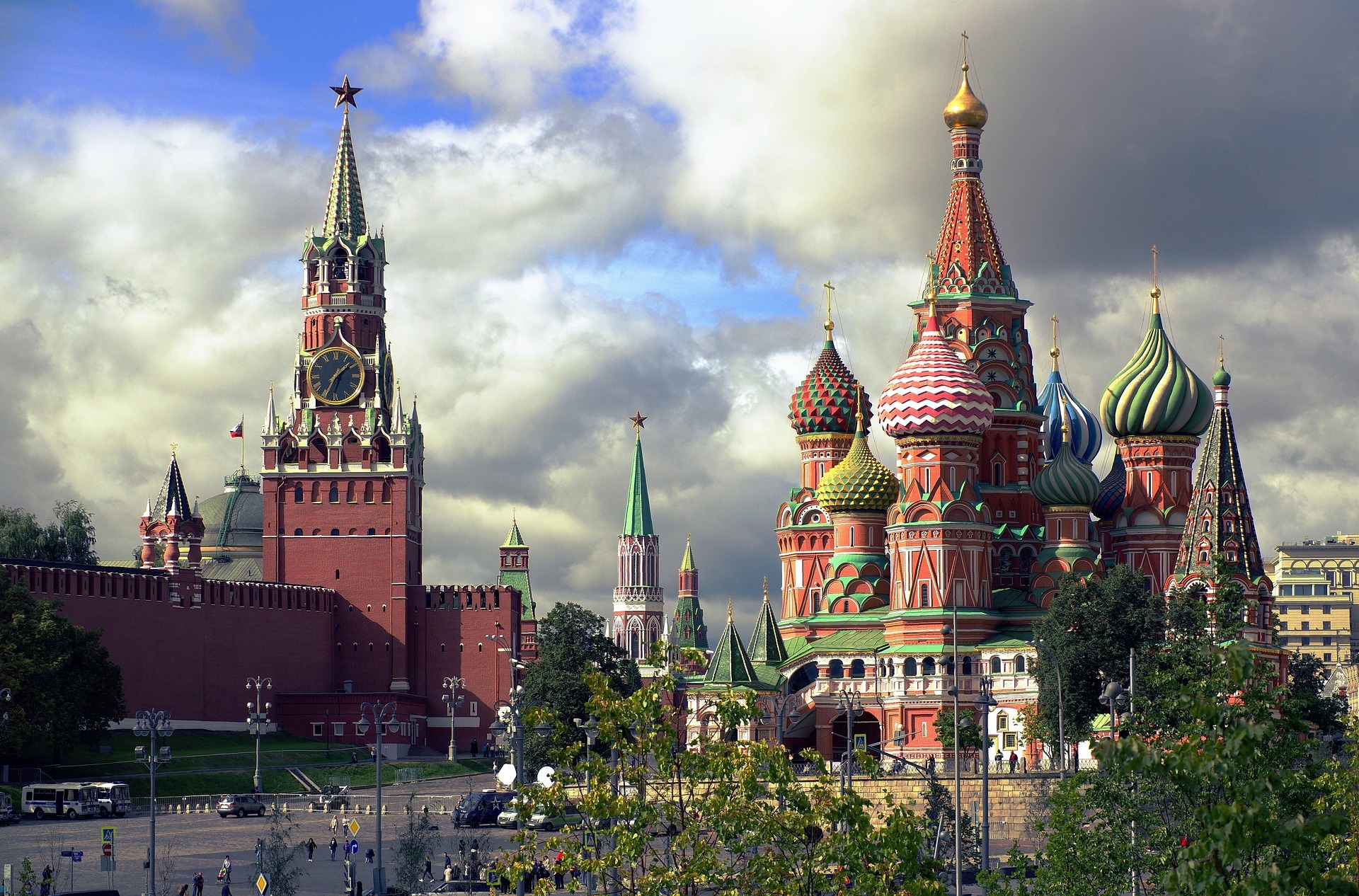
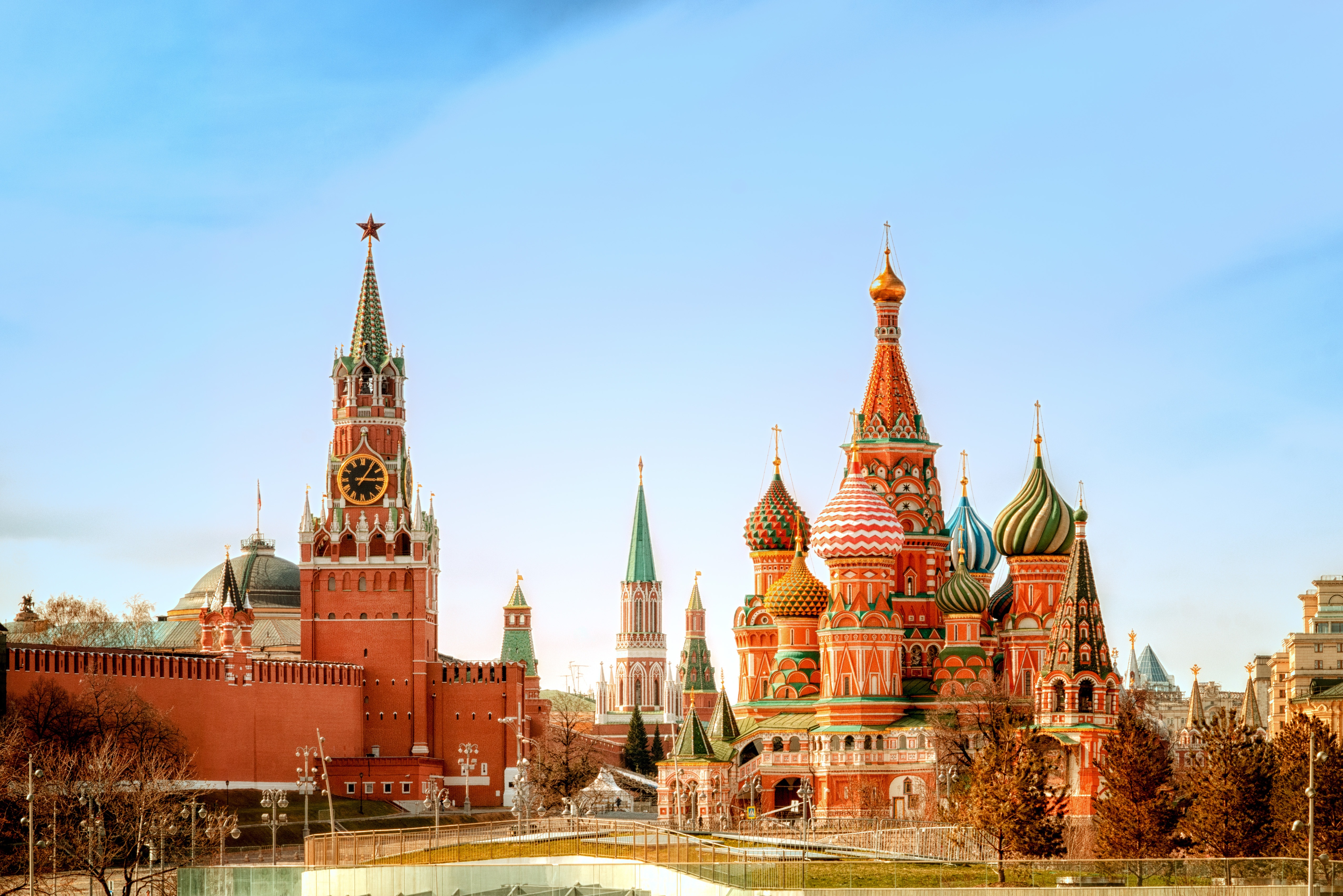
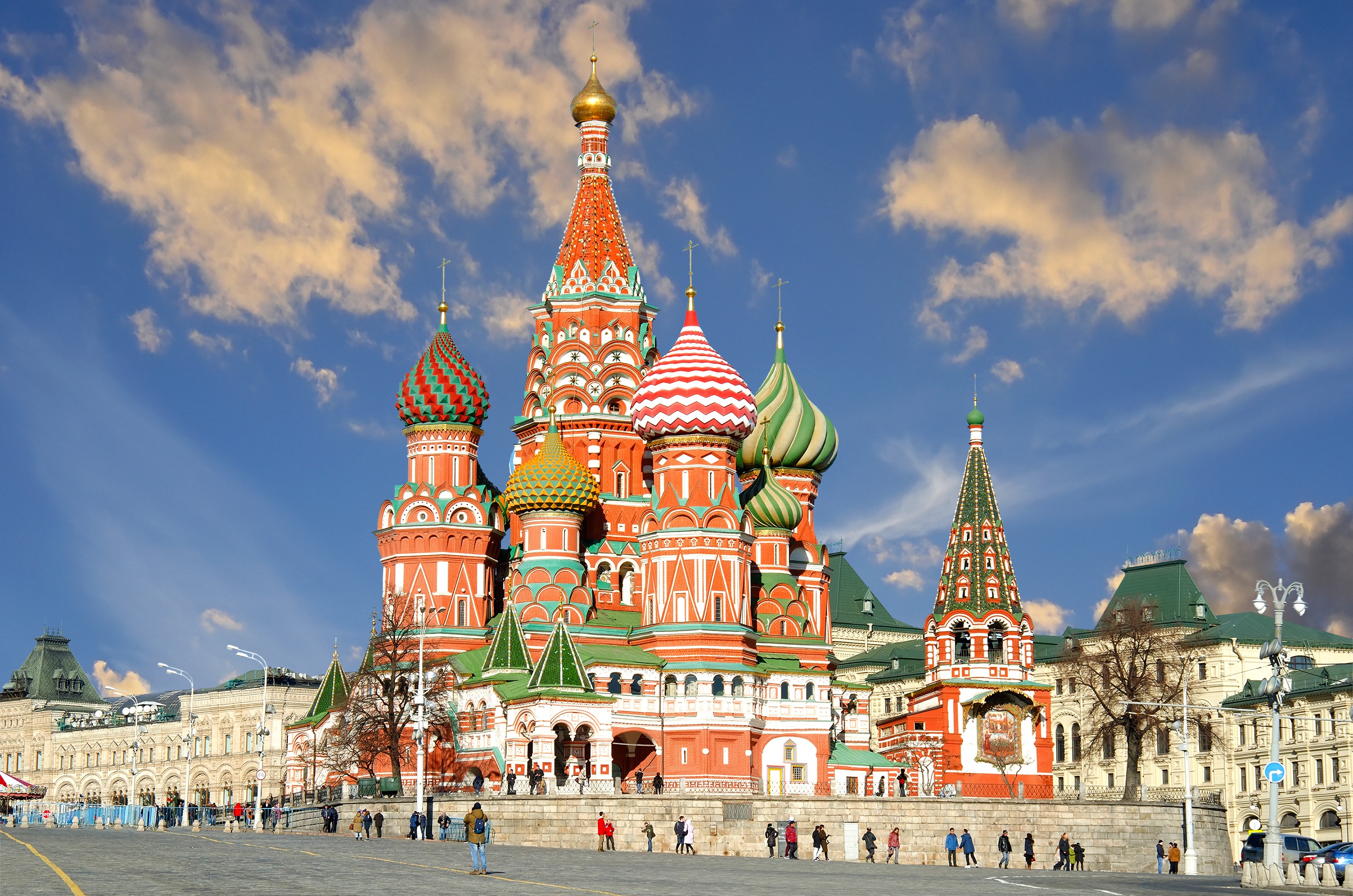
- Red Square — accessible on foot from the historic building.
- The Pushkin State Museum of Fine Arts — natural complement for European art.
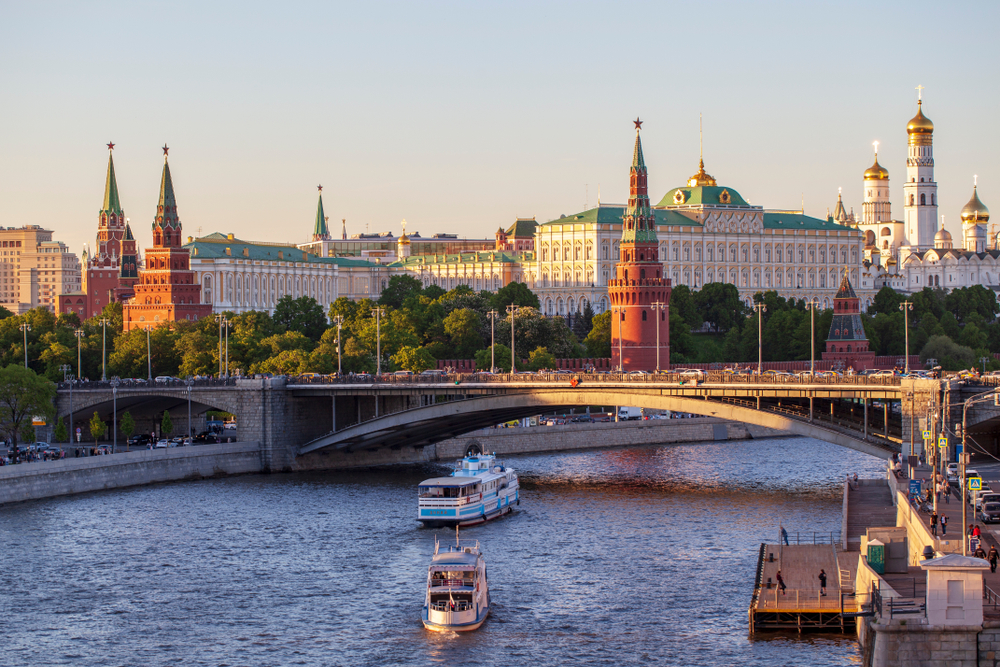
- Radisson cruise on the Moskva — to connect the two sites by river.
Frequently asked questions
Frequently asked questions
Incorporate the Tretyakov Gallery into your journey
A visit to both Tretyakov Gallery sites fits naturally into a Moscow itinerary, alongside Red Square, the Kremlin, and a cruise on the Moskva River. To build a bespoke itinerary in Russia, explore our Russia tours.
Photos
Nearby
Interested in this visit?
We can include it in your personalised itinerary.