The Kremlin
The Kremlin
Founded in 1156, the Moscow Kremlin brings together cathedrals, palaces and treasures of the tsars behind its red-brick ramparts.
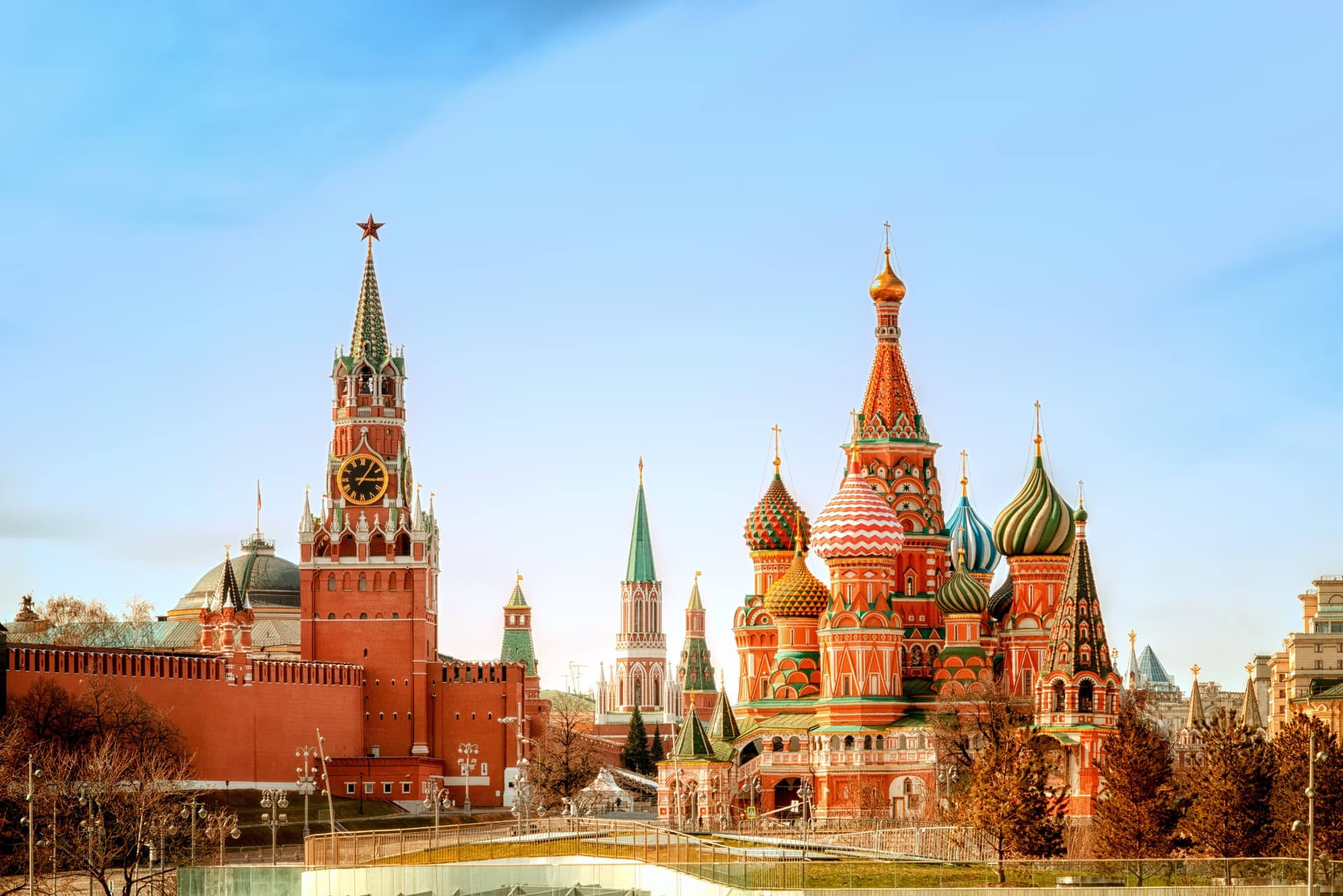
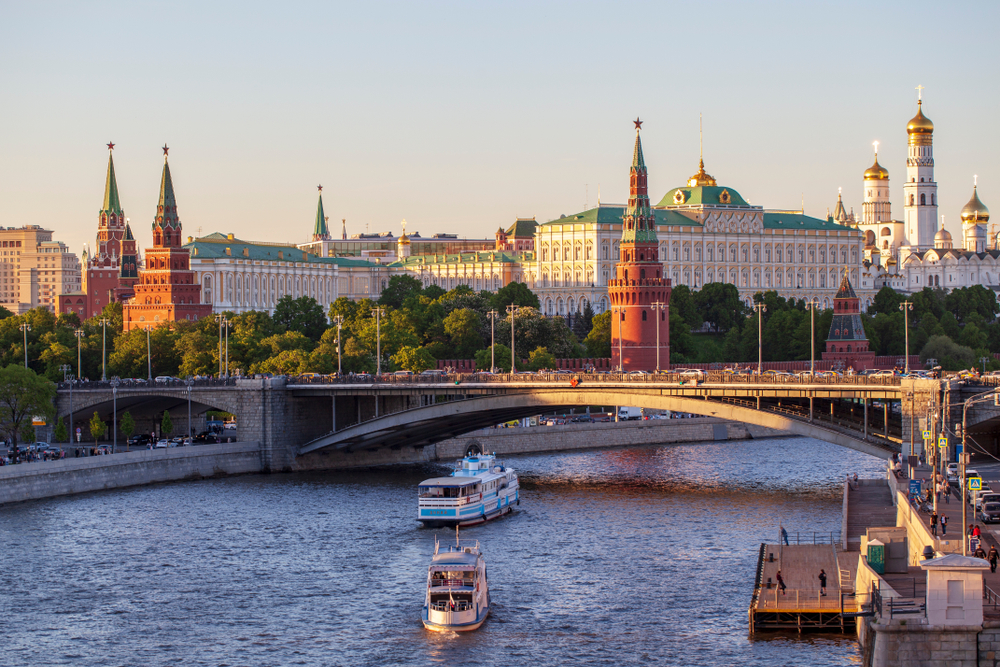
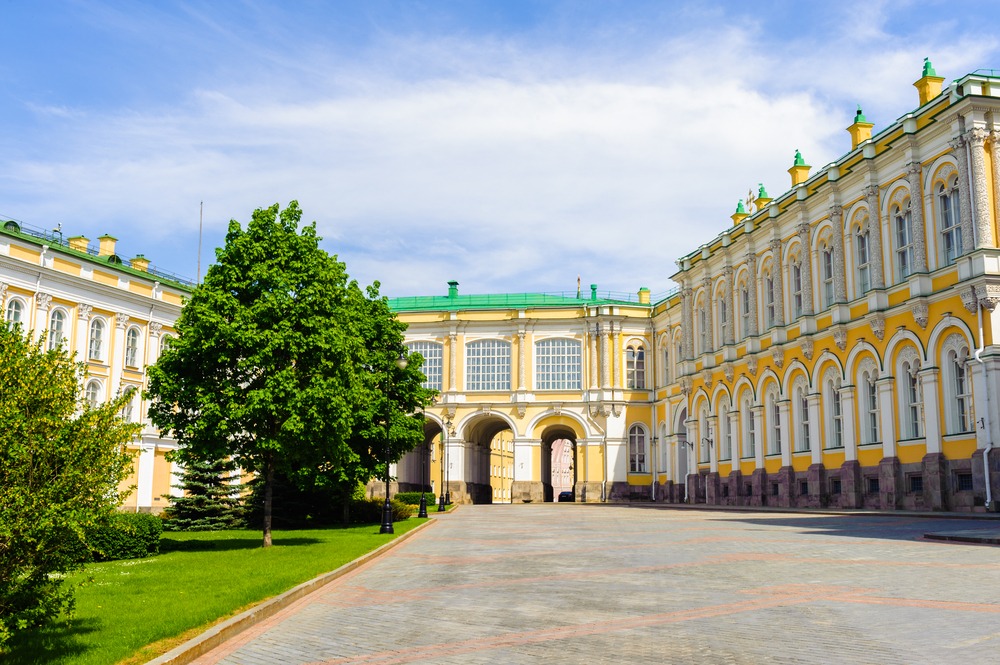
The Moscow Kremlin is a fortified complex bringing together palaces, cathedrals and administrative buildings, standing on Borovitsky Hill on the edge of Red Square. The word "kremlin" simply means "fortress" in Russian: Russia has a dozen of them, but the one in Moscow has become the symbolic center of the country. Today the seat of the Russian presidency, more than half of the enclosure remains accessible to visitors.
Why visit the Kremlin
The site concentrates nearly nine centuries of Russian history over just a few hectares. Within its red-brick walls stand four 15th-century Orthodox cathedrals, palatial buildings, the Ivan the Great Bell Tower and the Armory Palace, which houses the regalia of the tsars. The Kremlin allows you to understand, in a single location, the articulation between political and religious power that has structured Russia for centuries.
- A complex inscribed on the UNESCO World Heritage List since 1990.
- The country's oldest Cathedral Square.
- Imperial collections among the richest in the world.
- A sweeping view over Red Square and the Moskva River.
History of the Kremlin
The fortress was founded in 1156 by Prince Yuri Dolgoruky, who had the first wooden rampart erected on Borovitsky Hill to protect a few log cabins and two churches. Repeated fires led, in the 14th century, to replacing wood with white limestone: it is from this period that Moscow earned the nickname "the White."
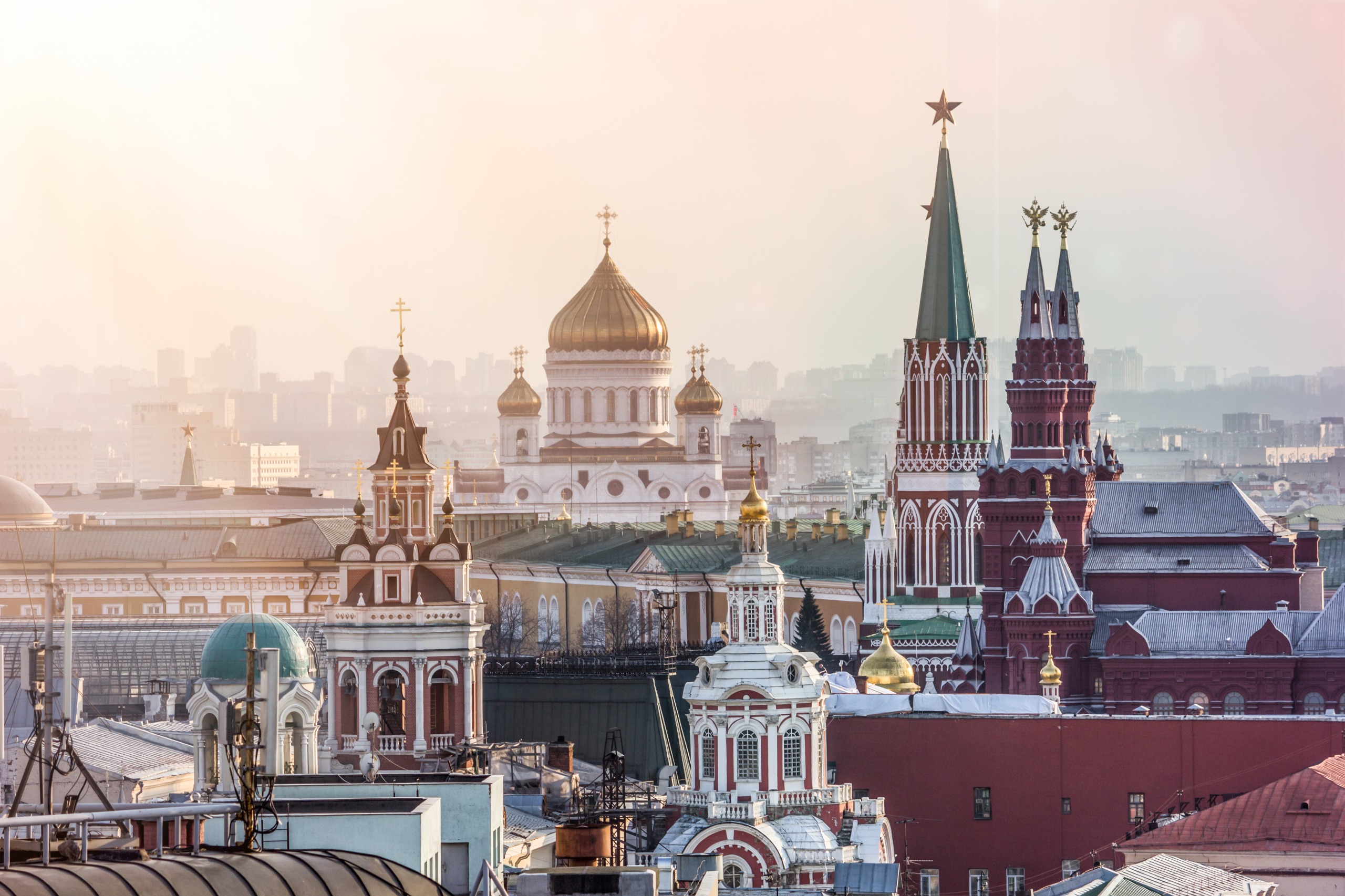
The limestone walls aged poorly and were rebuilt in the late 15th century with red brick, under the direction of Italian architects summoned by Ivan III. This silhouette is the one we see today: an enclosure nearly two kilometers long, punctuated by twenty towers.
In the early 18th century, Peter the Great transferred the capital to Saint Petersburg; the Kremlin, abandoned by the court, lost its political role for two centuries. It regained it after the 1917 revolution, when the Bolsheviks made Moscow the capital of the new USSR. Under Stalin, in the 1930s, several palaces and churches were demolished to make way for administrative buildings, permanently altering the interior silhouette of the citadel.
What to see inside
Cathedral Square
The religious heart of the Kremlin, it brings together four major buildings constructed mainly in the early 15th century:
- the Cathedral of the Dormition of the Mother of God, where the tsars were crowned;
- the Cathedral of the Archangel Michael, necropolis of Moscow's grand princes;
- the Cathedral of the Annunciation, private chapel of the sovereigns;
- the Church of the Deposition of the Robe of the Mother of God, smaller and reserved for the clergy.
The Armory Palace (Oruzheynaya Palata)
This is the richest museum on the site. It houses the treasures accumulated by the tsars: ceremonial armor, imperial carriages, coronation robes, gold-mounted icons. Notably on display is the famous collection of some fifty Fabergé eggs commissioned by the Romanovs, as well as the 190-carat Orlov Diamond, mounted on the imperial scepter. The neighboring Arsenal, a former weapons depot transformed after Napoleon's withdrawal in 1813, is not open to the public.
Ivan the Great Bell Tower
The tallest building in the Kremlin, it was for a long time the tallest building in Moscow. The ascent, by 329 steps, is accessible by limited time slots and offers one of the best panoramas of the historic city.
Alexander Gardens and the rampart towers
Below the ramparts, Alexander Gardens allow you to walk along the twenty towers of the enclosure, including the Spassky Tower and its famous clock. Visitor entry is usually made through the Kutafya Tower.
Practical information
- Opening days: daily except Thursday. Hours vary by season (broader opening times from mid-May to late September).
- Tickets: several separate tickets exist depending on areas (Cathedral Square, Armory Palace, Ivan the Great Bell Tower). Moderate to moderately high rates depending on the scope chosen; the Armory Palace and bell tower require time slots.
- Reservation: recommended for the Armory Palace and bell tower, as places are limited.
- Duration of visit: allow 2 to 3 hours for Cathedral Square and gardens, half a day if you add the Armory Palace.
- Security: airport-style screening at entry, large bags prohibited (storage available).
How to get there
The Kremlin is located at the exact center of Moscow and is easily reached by public transportation.
By metro
This is the simplest and most economical means. The nearest stations are Aleksandrovski Sad (Line 4), Biblioteka imeni Lenina (Line 1) and Borovitskaya (Line 9), all located a few minutes' walk from the visitor entrance.
From the airports
The three international airports (Sheremetyevo, Domodedovo, Vnukovo) are connected to the center by Aeroexpress trains, which reach railway stations connected to the metro in approximately 35-50 minutes. Taxi is more comfortable but significantly more expensive and subject to traffic jams.
Nearby
The Kremlin naturally fits into a day devoted to the historic heart of Moscow:
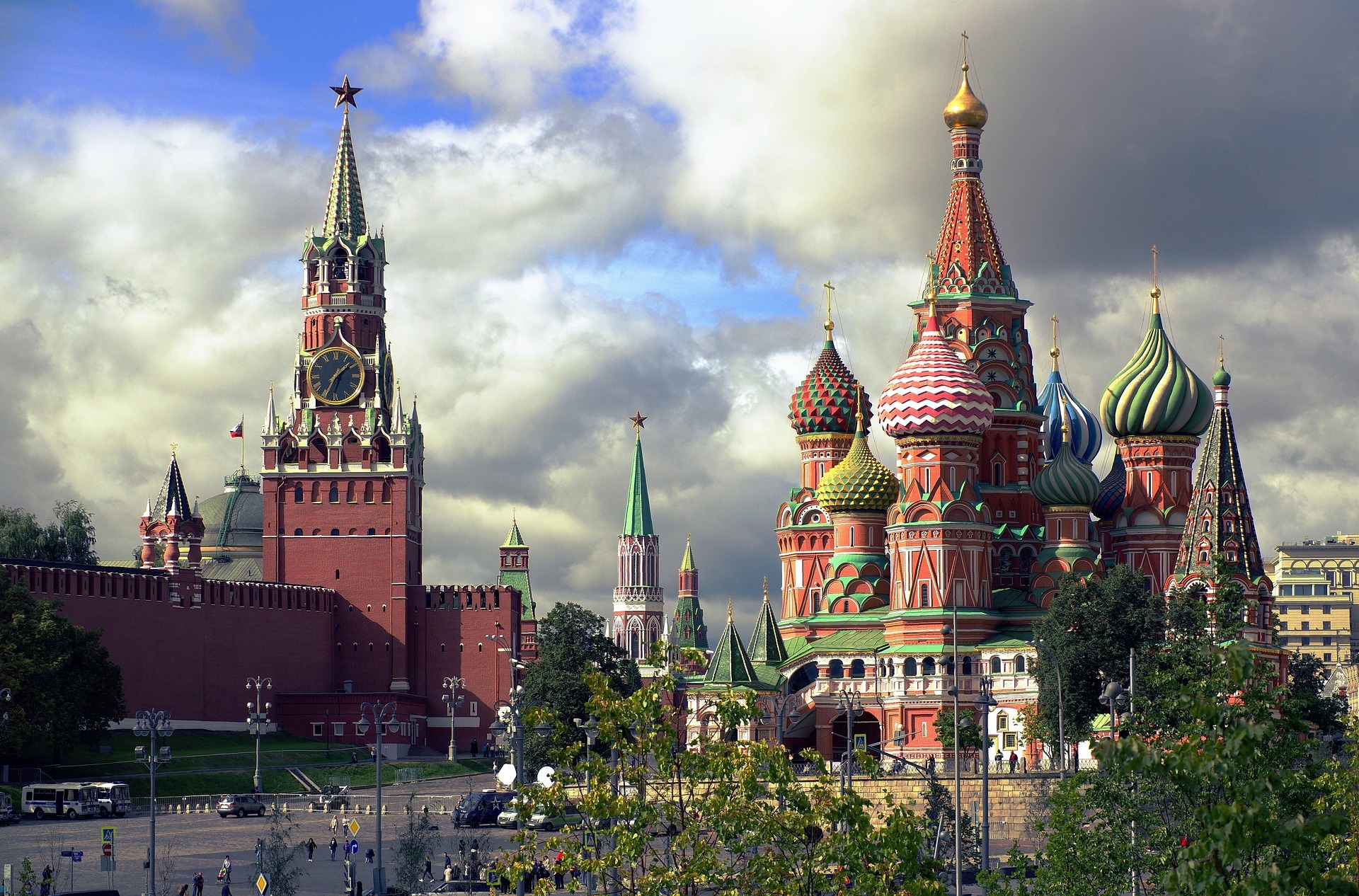
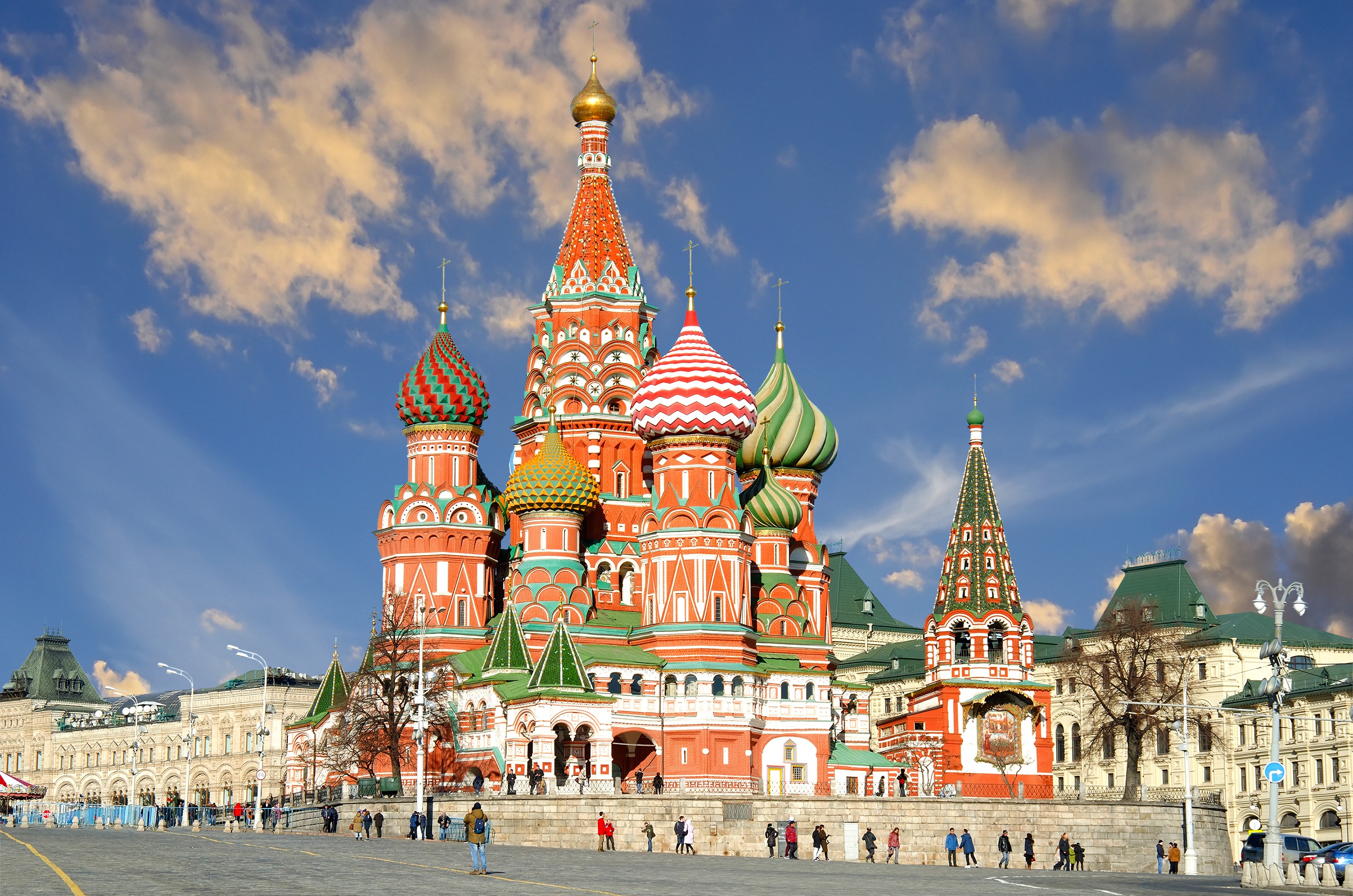
- Red Square, just outside the ramparts;
- the Cathedral of Christ the Savior, about fifteen minutes' walk along the Moskva River;
- the former tsars' residence at Kolomenskoye, accessible by metro for an additional half-day visit.
Frequently asked questions
Frequently asked questions
The Kremlin is closed to the public on Thursday. On other days, it is open with opening hours varying by season.
Allow 2 to 3 hours for Cathedral Square and the enclosure. If you add the Armory Palace and Ivan the Great Bell Tower, plan for half a day.
Reservation is strongly advised for the Armory Palace and Ivan the Great Bell Tower, where access is via limited time slots. For Cathedral Square, purchase on site remains possible but may result in a wait.
No. The Armory Palace (Oruzheynaya Palata) is the museum housing the treasures of the tsars, including Fabergé eggs and the Orlov Diamond. The Arsenal is a historic military building that is not open to the public.
From May to September, opening hours are broader and the gardens are accessible in good conditions. In winter, the site remains open but Moscow temperatures can be very low: plan for appropriate equipment.
Include the Kremlin in your trip
The Kremlin is best visited as part of a day combined with Red Square and the Kitay-Gorod district. To build a customized itinerary including Moscow and beyond, explore our Russia travel packages.
Nearby
Interested in this visit?
We can include it in your personalised itinerary.