The Hermitage Museum
The Hermitage Museum
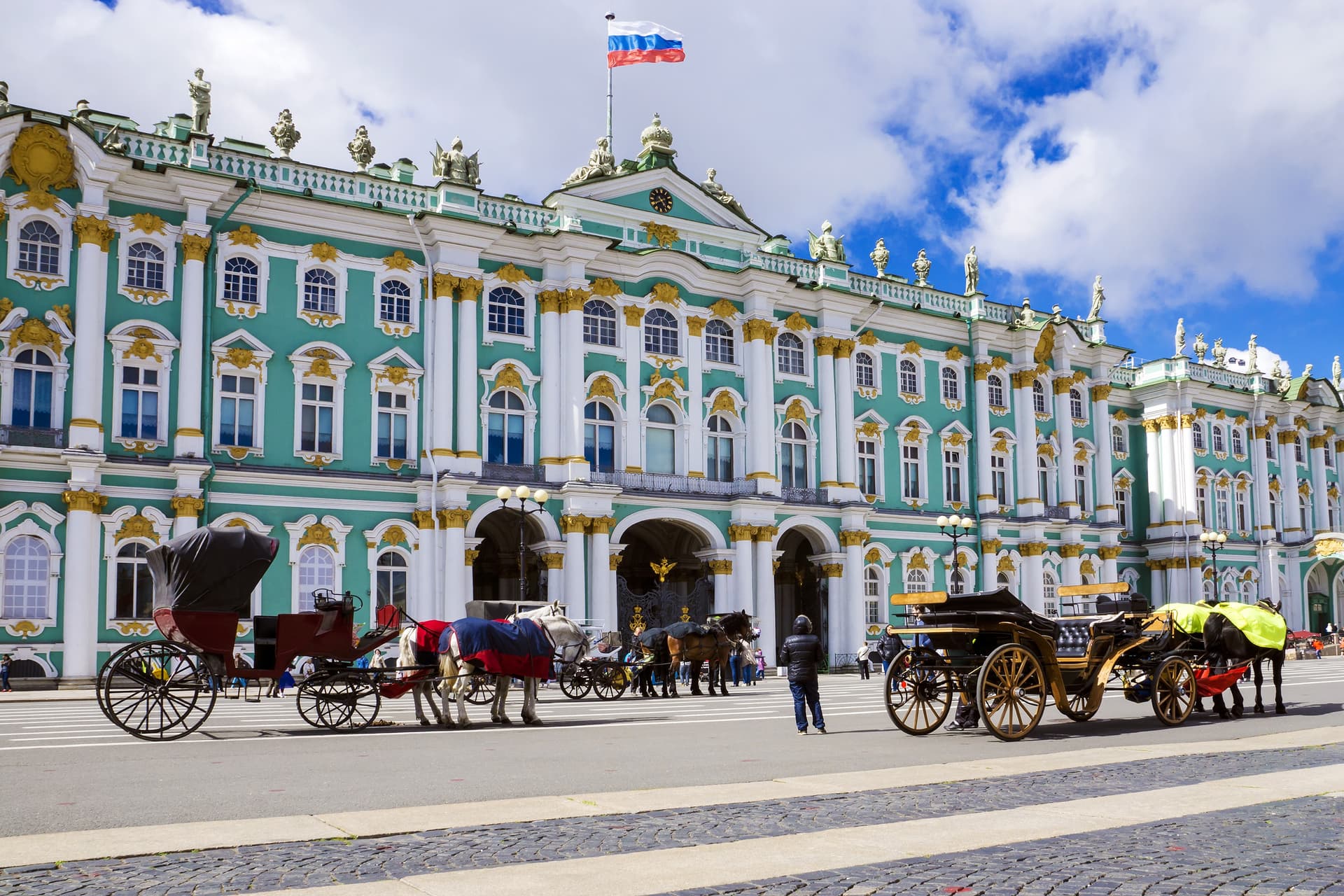
Along the Neva's banks, the Hermitage unfolds five imperial palaces and millions of artworks, from Flemish masters to French Impressionists.
Nestled along the Neva's banks, the Hermitage Museum occupies five emblematic buildings in Saint Petersburg. With its millions of art objects, imperial state rooms, and collections of European paintings, it ranks among the world's greatest museum institutions.
Why visit the Hermitage Museum
The Hermitage combines two rare qualities: preserved imperial architectural heritage in its original state and an encyclopedic art collection spanning from antiquity to twentieth-century avant-garde movements. Visitors traverse the former apartments of the tsars, encounter works by Leonardo da Vinci, Rembrandt, Van Gogh, Monet, and Picasso, and access specialized galleries (Scythian gold, jewelry, archaeology). A few hours suffice to grasp its essence, yet a comprehensive visit would require several days.
Museum history
The first Winter Palace was constructed in 1711 by Peter the Great, already a collector of artworks brought back from his European travels. Upon his death, Empress Elizabeth commissioned a new Winter Palace and continued enriching the collections. Under Peter III, further acquisitions were added to an already substantial collection.
The decisive growth belongs to Catherine II. She commissioned the construction of the Small Hermitage, the Large Hermitage, and the Hermitage Theater to house her massive purchases of European artworks. For over a century, these collections remained restricted to the court. Opening to the general public occurred in 1852, under Nicholas I, who had the New Hermitage built for this purpose.
In the early Soviet period, part of the collection was dispersed through sales or transfers. In the 1920s, these losses were largely compensated by nationalized works from private collections, explaining the current richness of the Impressionist and modern painters department. The museum commemorates its founding each December 7.
What to see at the Hermitage
The main exhibition unfolds across five buildings aligned along the Neva embankment: the Winter Palace, the Small Hermitage, the Large Hermitage, the Hermitage Theater, and the New Hermitage.
- Jordan Staircase: located in the Winter Palace, it served as the state entrance for ambassadors under the Empire, featuring white marble and gilt leaf ornamentation.
- European painter galleries: Italian masters, Flemish and Dutch schools (including two Leonardo da Vincis and several Rembrandts).
- Impressionist and modern collections: works by Van Gogh, Degas, Monet, Renoir, Picasso, and Matisse, primarily from the Shchukin and Morozov collections.
- Gallery of Treasures: mandatory guided tour, housing the world's largest collection of Scythian gold and ancient Oriental jewelry.
- Chamber of Diamonds: antique objects in precious stones, court jewelry, and liturgical metalwork.
- Egyptian and Greco-Roman antiquities: archaeological collection on the ground floor of the Winter Palace.
Practical information
Address: 2, Palace Square, 190000 Saint Petersburg.
The museum is open year-round except Mondays and certain national holidays. Hours vary by day of the week, with evening openings mid-week; consult the official website before your visit, as opening times may change.
Admission fees are moderate for a museum of this scale. Standard entry tickets provide access to the main exhibition; the Gallery of Treasures and Chamber of Diamonds require a supplement and advance reservation, as they can only be visited on guided group tours. Children under 18 are admitted free with valid identification. A specific fee applies for photography.
Purchasing tickets online through the museum's official website avoids queues at the ticket counters, which can be particularly long during peak season and Russian school holidays. Automated ticket machines are also available in the inner courtyard. Plan a minimum of 3 to 4 hours for a focused visit and a full day to tour the main departments.
When to visit
Saint Petersburg is most pleasant to visit from late May through early September, the season of white nights. The Hermitage, being indoors, remains attractive year-round: winter allows you to avoid peak summer crowds, though queues remain frequent on weekends and holidays. On weekdays, visitor numbers decrease in mid-afternoon, particularly on evenings with extended hours. Avoid Tuesdays (day after closure), Russian national holidays, and local school holiday periods.
How to get there
The nearest metro station is Admiralteyskaya (Line 5), just a few minutes' walk from Palace Square. Several bus and trolleybus lines also serve the Admiralty area; inquire locally for current route numbers. From Nevsky Prospect, allow approximately 15 minutes' walk to reach the main entrance.
Nearby attractions
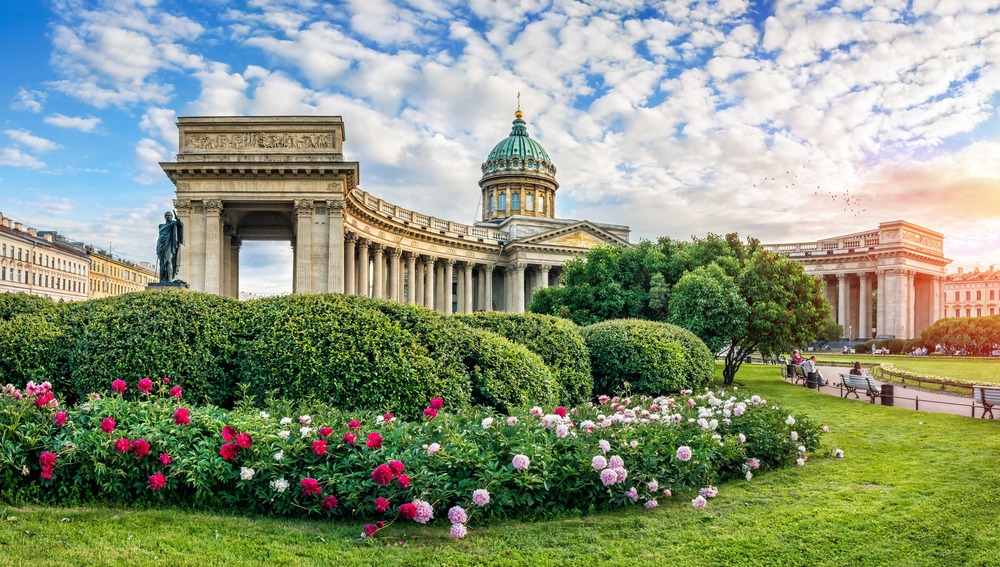
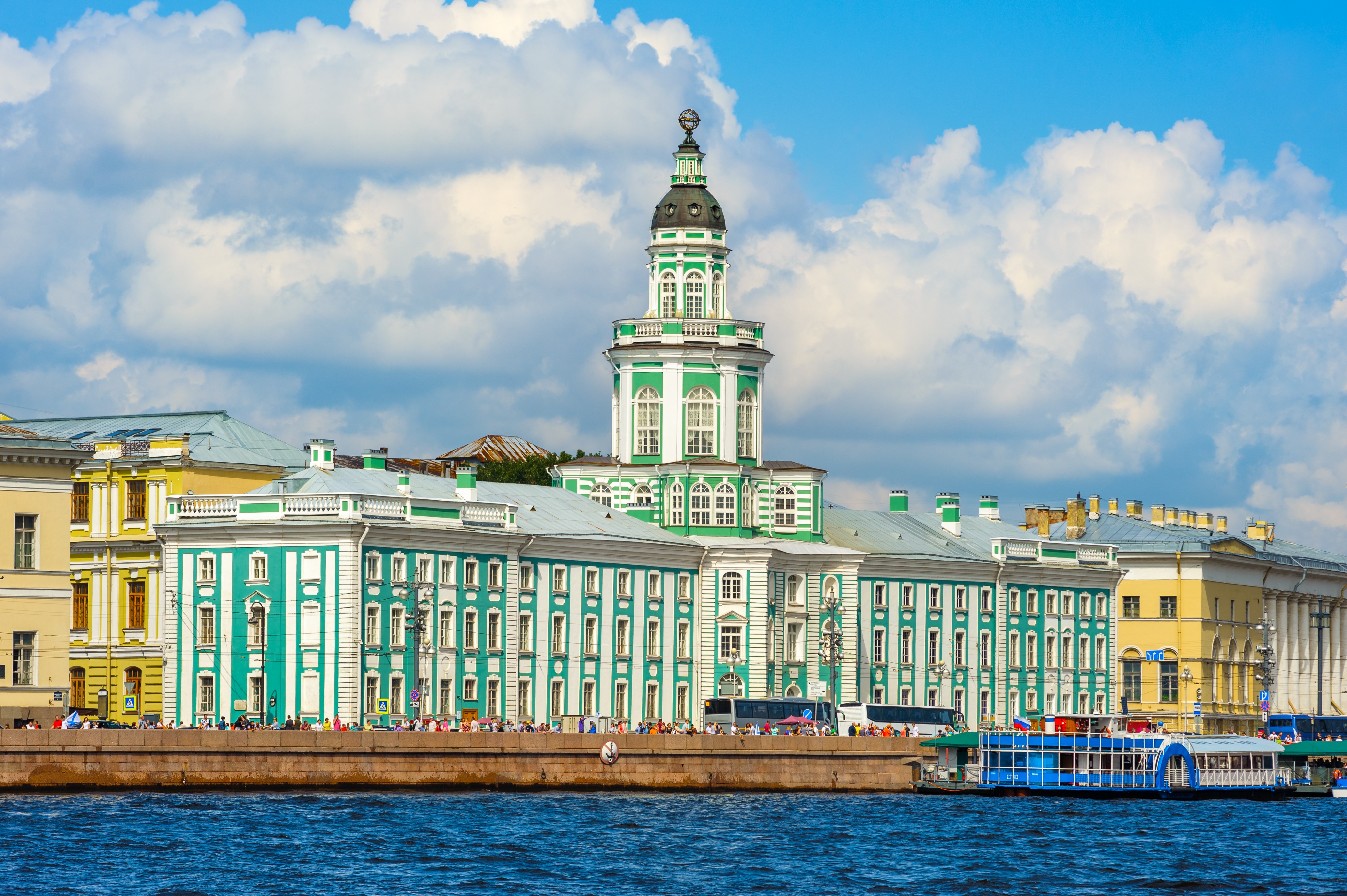
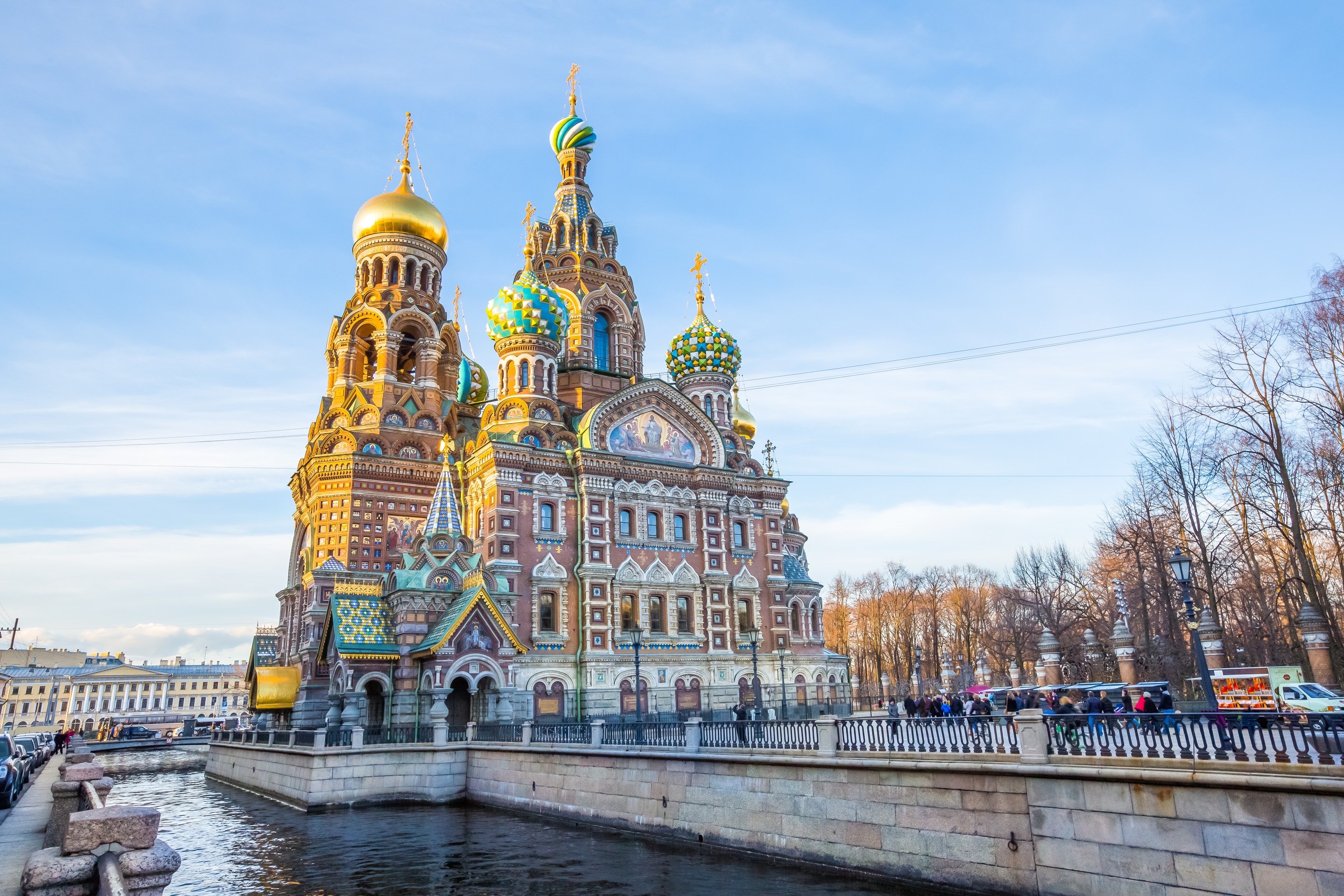
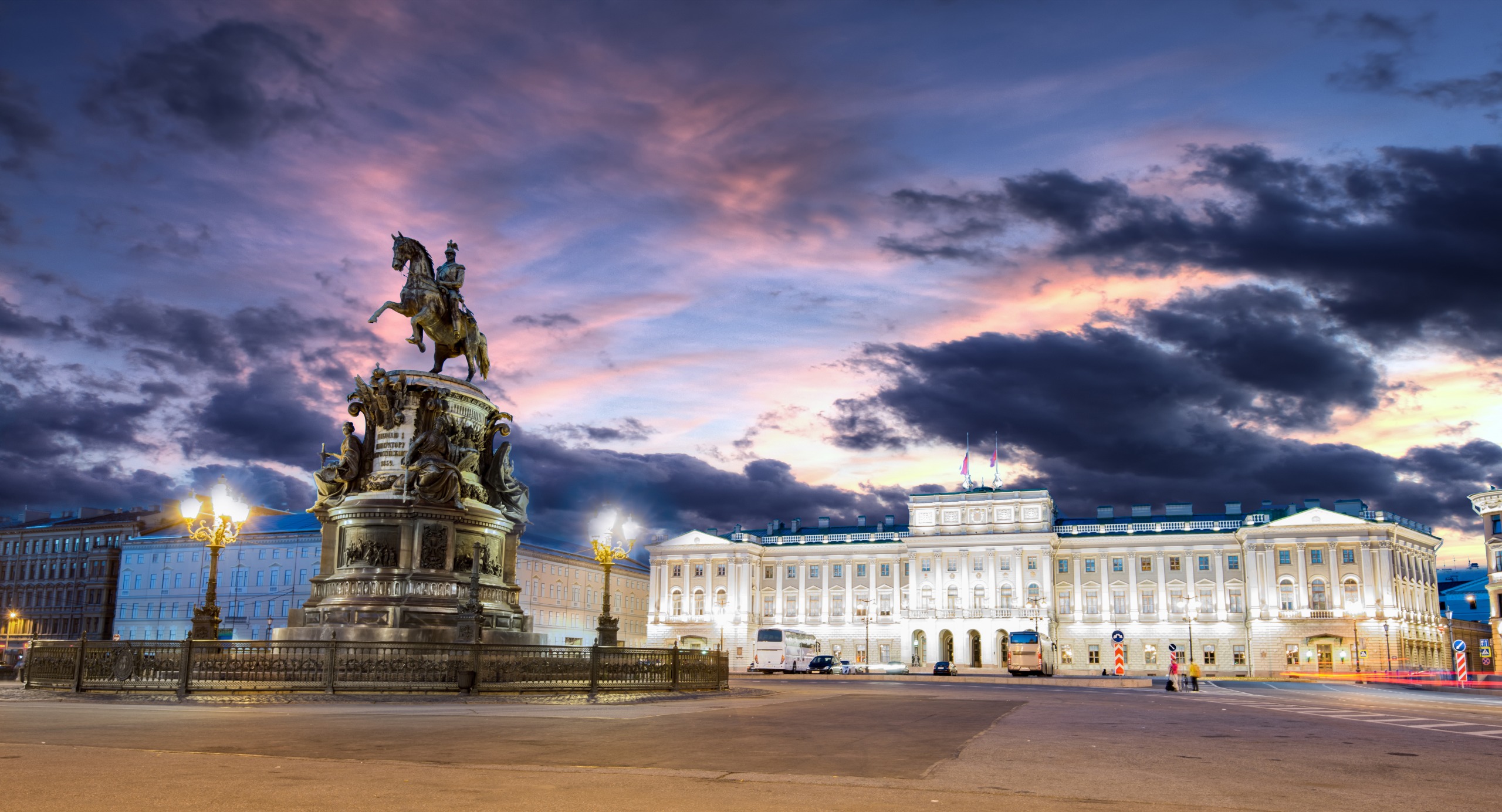
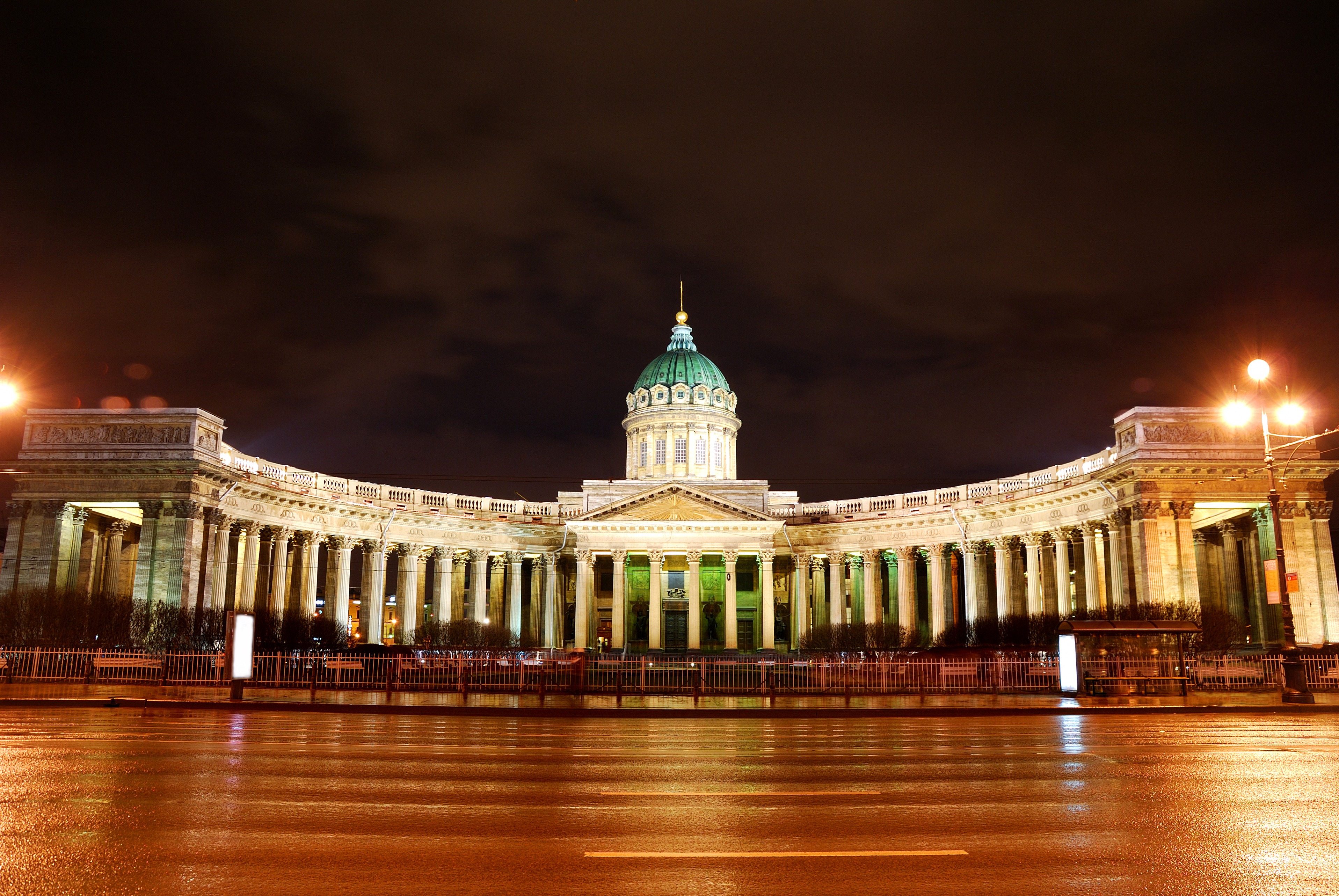
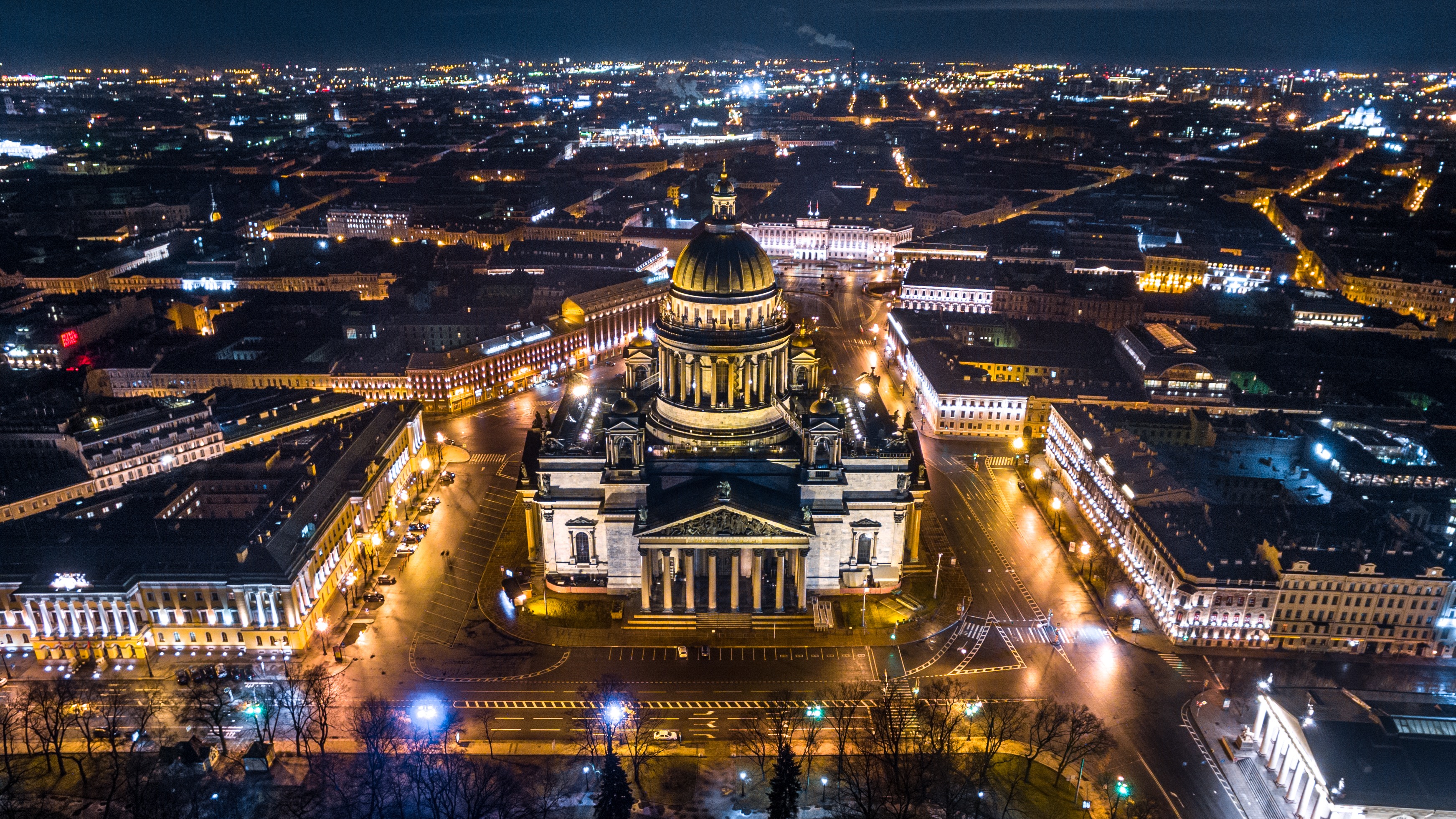
Palace Square lies at the heart of Saint Petersburg's historic center, a UNESCO World Heritage site. Within a few minutes' walk, you can enhance your day by visiting the Church of the Savior on Spilled Blood and its mosaics, or the Kazan Cathedral on Nevsky Prospect. The Saint Isaac's Cathedral and its panoramic viewpoint are also nearby. On the opposite bank of the Neva, the Peter and Paul Cathedral and the Kunstkamera naturally extend your discovery of imperial Saint Petersburg.
Frequently asked questions
Frequently asked questions
Plan your visit
The Hermitage Museum is a major highlight of any Saint Petersburg stay. To incorporate this visit into a broader cultural itinerary, explore our suggestions for travel in Russia and build a program suited to your pace.
Nearby
Interested in this visit?
We can include it in your personalised itinerary.