68 articles to prepare your trip
A central crossroads in Kazan, Tukay Square honours Tatar national poet Gabdulla Tukay. Directly connected to Bauman Street and served by the metro, it is a natural launching point for exploring the historic centre.
The Anokhin National Museum in Gorno-Altaysk brings together ethnography, Pazyryk archaeology, and natural history of the Altai. An essential introduction to the culture of the peoples inhabiting this mountain region.
A historic botanical garden in Barnaul, the Mountain Pharmacy preserves collections of medicinal plants inherited from the tsarist industrial era. A discreet site in the heart of Siberia's historic center.
Chersky Peak, overlooking Listvyanka, offers the most accessible panorama of Lake Baikal and the Angara River mouth. A 3 to 5-hour hike through Siberian taiga, feasible from May to October.
Just 40 km from Irkutsk, the Taltsy museum brings together more than 40 historic wooden buildings—Cossack fortresses, Siberian dwellings, mills—rescued from the waters and painstakingly reconstructed on the banks of the Angara.
Sailyugem National Park, at the far reaches of Russian Altai near Kosh-Agach, protects Altai argali and snow leopards across high-altitude steppes at the Mongolian frontier.
Interactive museum on Petrograd Island: an animated scale model recreates Saint Petersburg and its port during the reign of Peter the Great, complete with moving miniature ships and lighting effects.
Etched into the granite rocks of the Chuya Valley, Kalbak-Tash brings together over 3,000 petroglyphs that chronicle five millennia of human history in Russian Altai.
A small rocky islet in Lake Baikal, Ogoy is home to a white Buddhist stupa erected in 2005 and sweeping views across the Maloe More strait. Accessible by boat in summer, across the ice in winter.
The Anokhin National Museum in Gorno-Altaysk brings together ethnography, Pazyryk archaeology, and natural history of the Altai. An essential introduction to the culture of this southern Siberian region.
In the Ursul Valley, Uch-Enmek Park protects burial mounds, stone stelae and Altai shamanic sites. A sacred territory where nature and indigenous memory converge, accessible from the Chuyskaya Road.
In Listvyanka, the Lake Baikal Museum showcases the unique ecosystem of the world's largest freshwater lake: Baikal seals in vivarium, endemic species, and geological models of the Baikal rift.
Built in 1900 in Scotland, the icebreaker Angara is moored in Irkutsk and open as a museum. Its original steam engines and exhibits trace the history of navigation on Lake Baikal.
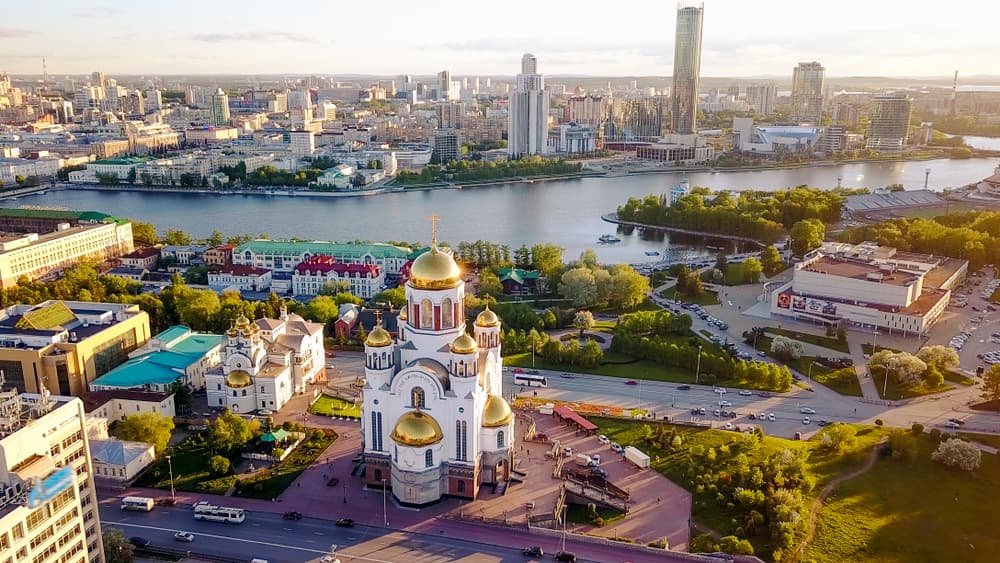
Yekaterinburg, capital of the Urals, blends Romanov heritage, Soviet constructivist architecture and contemporary museums. A historic crossroads between Europe and Asia, a key stop on the Trans-Siberian railway.
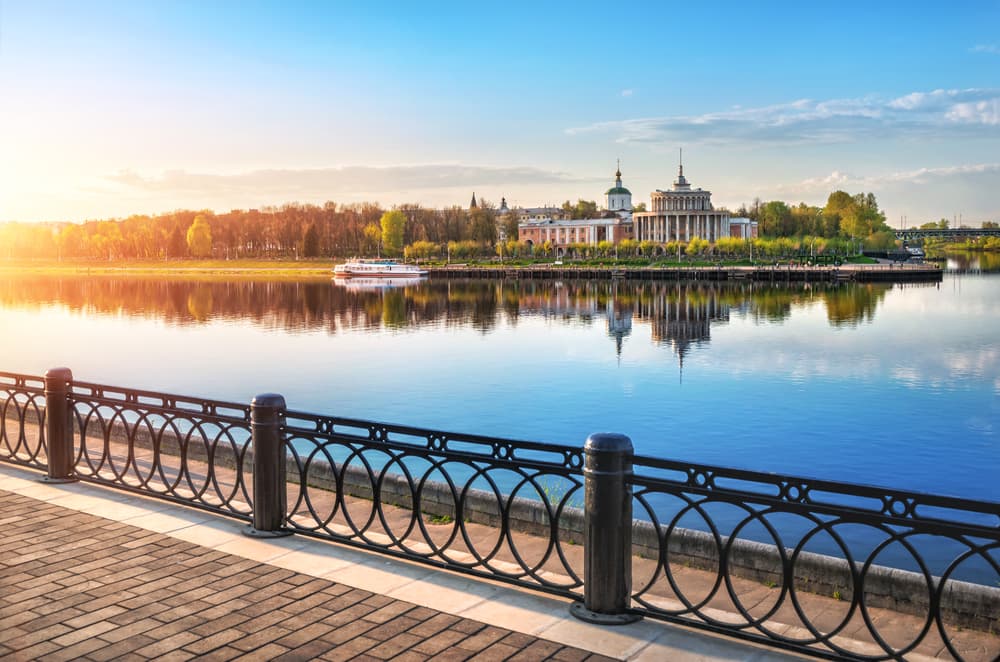
The Volga spans 3,530 km through European Russia, from medieval kremlins in the north to the lotus-dotted Caspian delta. River cruises, cultural stops, and pristine nature along the "Mother Volga."
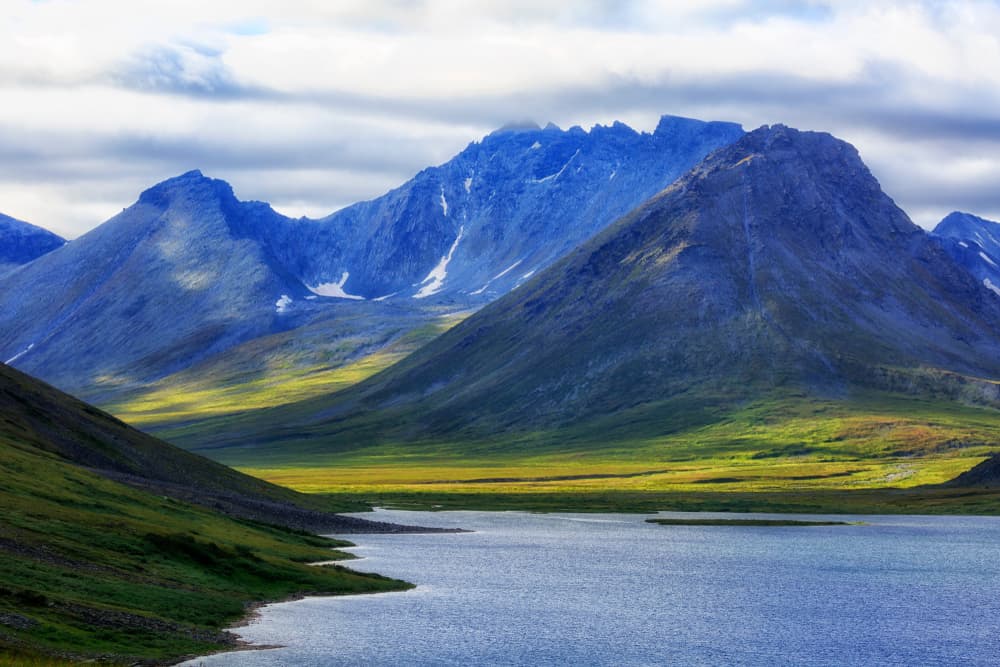
The Ural Mountains trace the border between Europe and Asia over 2,500 km. Taiga, national parks, rare minerals, and industrial history: a varied terrain for exploration, accessible from Yekaterinburg.
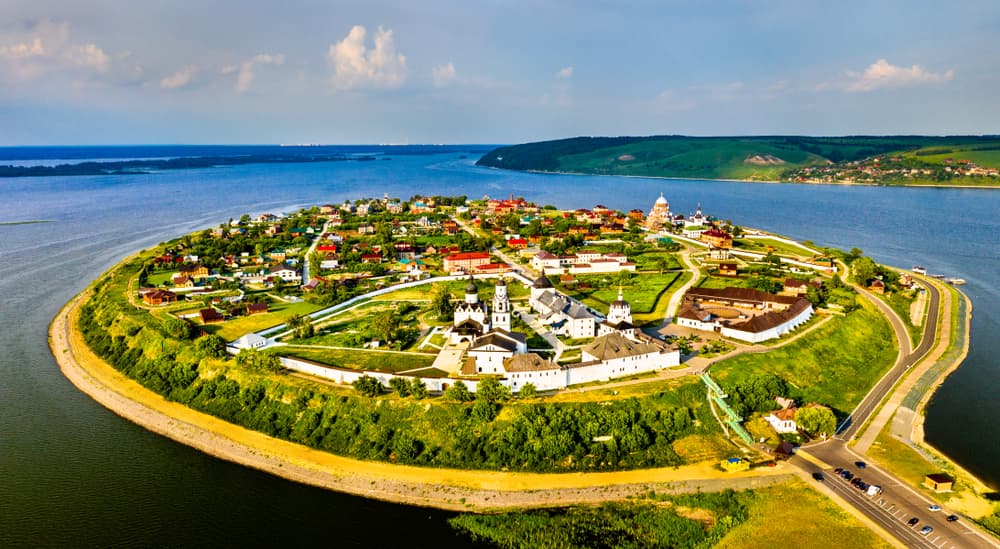
Founded in 1551 by Ivan the Terrible, Sviyazhsk is a UNESCO-listed island-fortress concentrating Orthodox monasteries, medieval frescoes, and Soviet heritage 40 km from Kazan.
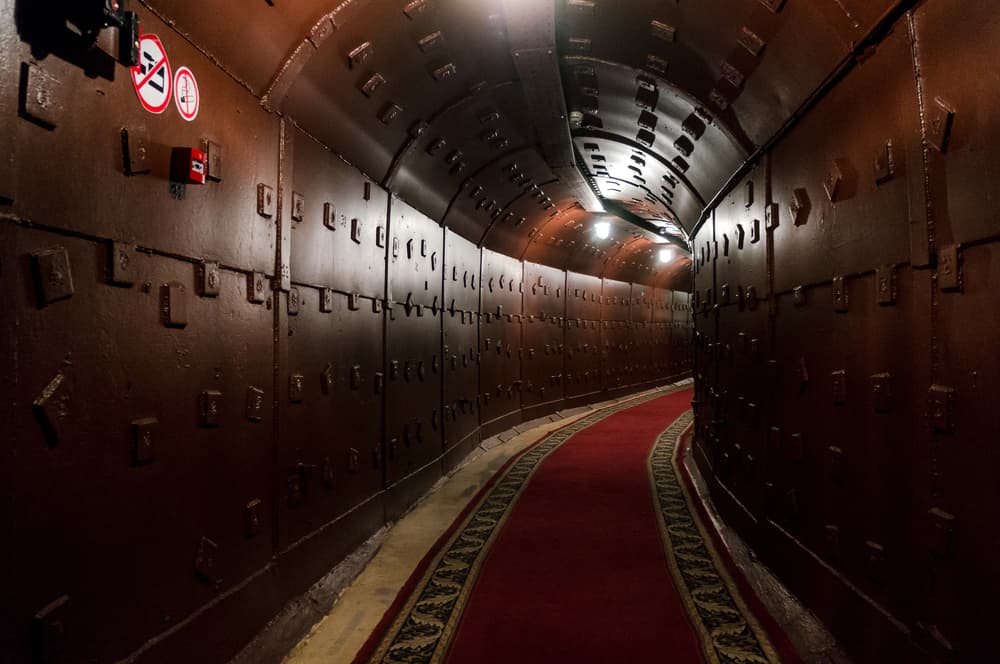
Buried more than 37 meters below Samara, Objekt 42 is the secret bunker built for Stalin in 1942, which remained classified until 1990. A unique museum dedicated to Russia at war.
18 of 68 results
We use cookies to improve your experience and measure our site's audience. You can choose what you accept. Learn more.