Taltsy Open-Air Ethnographic Museum
Just 40 km from Irkutsk, the Taltsy museum brings together more than 40 historic wooden buildings—Cossack fortresses, Siberian dwellings, mills—rescued from the waters and painstakingly reconstructed on the banks of the Angara.
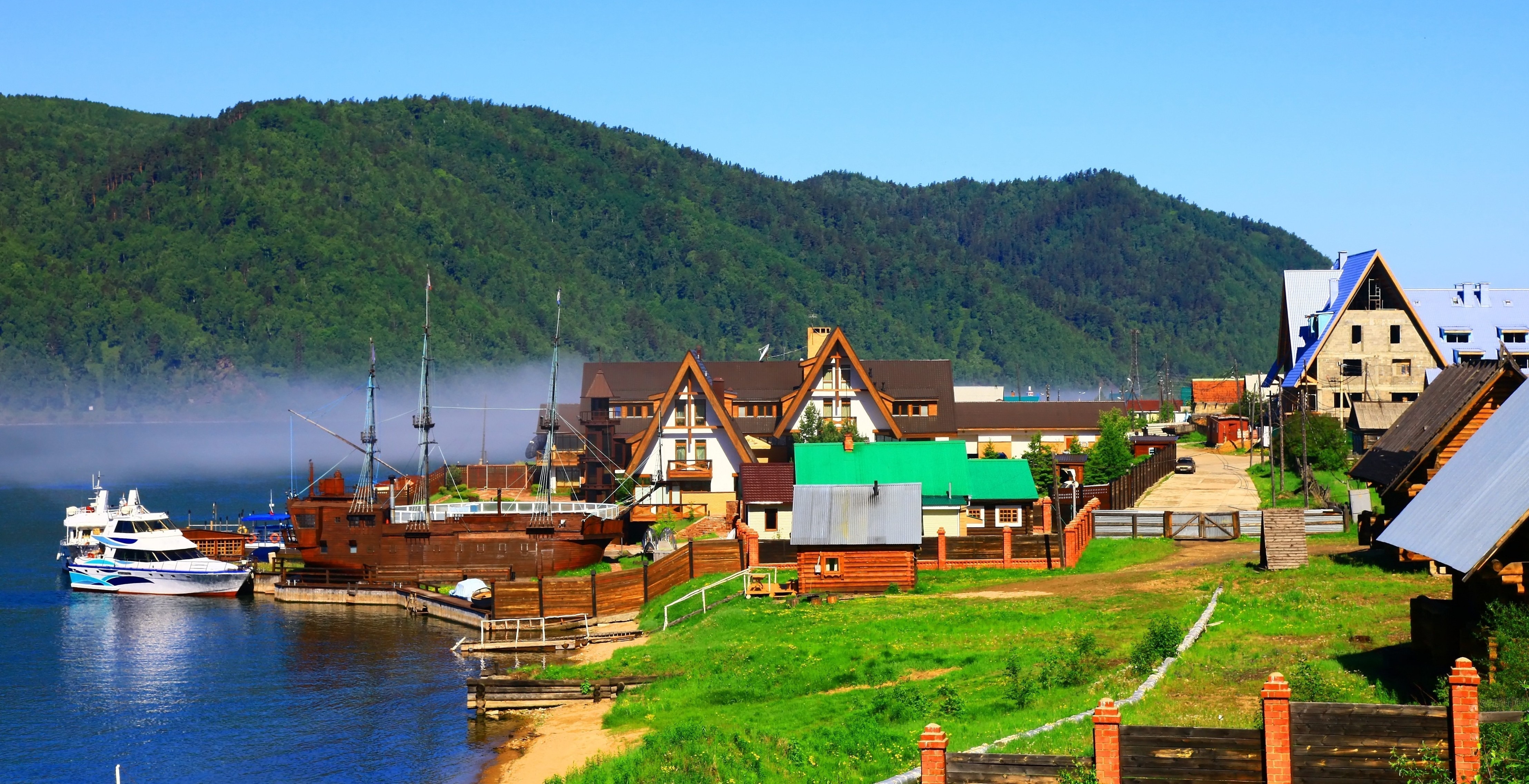
About forty kilometers from Irkutsk, on the banks of the Angara, the Taltsy museum assembles dozens of wooden buildings dismantled and meticulously reconstructed in their original form. Cossack fortresses, Siberian izbas, mills, Orthodox chapels, and dwellings of the indigenous Buryat and Tungus peoples coexist on a single forest site. It is one of the rare places where the vernacular architecture of eastern Siberia is preserved in its entirety.
Practical Information at a Glance
- Access from Irkutsk: bus or marshrutka heading toward Listvianka, Taltsy stop—approximately 40 minutes' travel.
- Recommended duration: 2 to 3 hours to explore the entire site.
- Attire: comfortable shoes recommended, as paths are unpaved and wooden.
- Admission: paid entry (reduced rates for children and students).
What You'll See
The site covers several hectares and contains more than 40 architectural monuments dating from the 17th to 20th centuries. It is organized into three main zones: the Cossack Russian sector with its watchtower and izbas, the Buryat sector with its yurts and traditional dwellings, and the Tungus sector with its lightweight nomadic structures.
Artisans work on-site on certain days: potters, weavers, blacksmiths. Domestic animals—horses, sheep—roam freely in certain areas of the property.
History and Context
The museum was founded in the 1970s to preserve buildings threatened by rising water levels in the Bratsk Reservoir and other hydroelectric projects on the Angara. Each structure was numbered, dismantled piece by piece, transported, and reassembled at Taltsy. The name comes from the village of Taltsy itself, which was submerged by the waters.
The collection illustrates three centuries of cohabitation between Russian settlers and the indigenous peoples of eastern Siberia, a history rarely presented with such material authenticity.
Highlights of Your Visit
The 17th-Century Cossack Tower
The centerpiece of the Russian sector, this tower of massive logs reconstructed from original elements gives a precise understanding of the fortifications that Cossacks erected to control Siberian routes.
The Buryat Dwellings
The permanent wooden yurts (yurts in wood, distinct from nomadic felt yurts) demonstrate architecture adapted to the extreme continental climate. The interior is often furnished with period-appropriate furniture and utensils.
The Water Mill
Reconstructed beside a small stream, this functional wooden mill is one of the rare examples of traditional Siberian hydraulic mechanisms still visible in working order.
The Orthodox Chapel
A small log church typical of 18th-century Siberian villages, complete with an integrated bell tower and interior icons. Interior access is available according to the site's opening hours.
Photography Tips
Morning light at a low angle enhances the textures of aged wood and façade carvings. The more open Buryat sector offers striking perspectives with the forest as backdrop. In winter, snow on log roofs creates particularly striking imagery. No known photography restrictions exist within the site.
Location and Access
Taltsy is located on the federal highway connecting Irkutsk to Listvianka, on the banks of the Angara. From Irkutsk's historic center, marshrutkas heading to Listvianka stop directly at the museum entrance. The site is also accessible by car or taxi. Wheelchair accessibility is limited due to unpaved paths and rolling terrain.
In the Area
- Listvianka — a lakeside village a few kilometers away, the main access point to Lake Baikal with its smoked fish market and boat launches.
- Lake Baikal — the southern shore of the lake is visible from Listvianka; boat excursions and coastal hikes depart from the village.
- Irkutsk — the regional capital 40 km away, featuring a quarter of elaborately carved wooden houses and museums dedicated to the Decembrists.
Frequently asked questions
The site is open year-round. Summer (June–August) provides easy access to all zones and the presence of artisans. Winter transforms the site under snow, but certain areas may be less accessible in extreme cold.
Yes, both sites are on the same route. Allow 2 to 3 hours for Taltsy, then travel a few kilometers to Listvianka for lunch and to discover the shores of Baikal.
Guides are available on-site, particularly for groups. It is recommended to inquire directly with the museum or your local travel provider to arrange a guided tour in English.
Yes. The freely roaming animals, craft demonstrations, and buildings to explore generally appeal to children. Plan for closed, comfortable shoes.
As in any Orthodox place of worship, women are invited to cover their heads and shoulders. A scarf suffices. Men remove their hats inside.
Interested in this visit?
We can include it in your personalised itinerary.