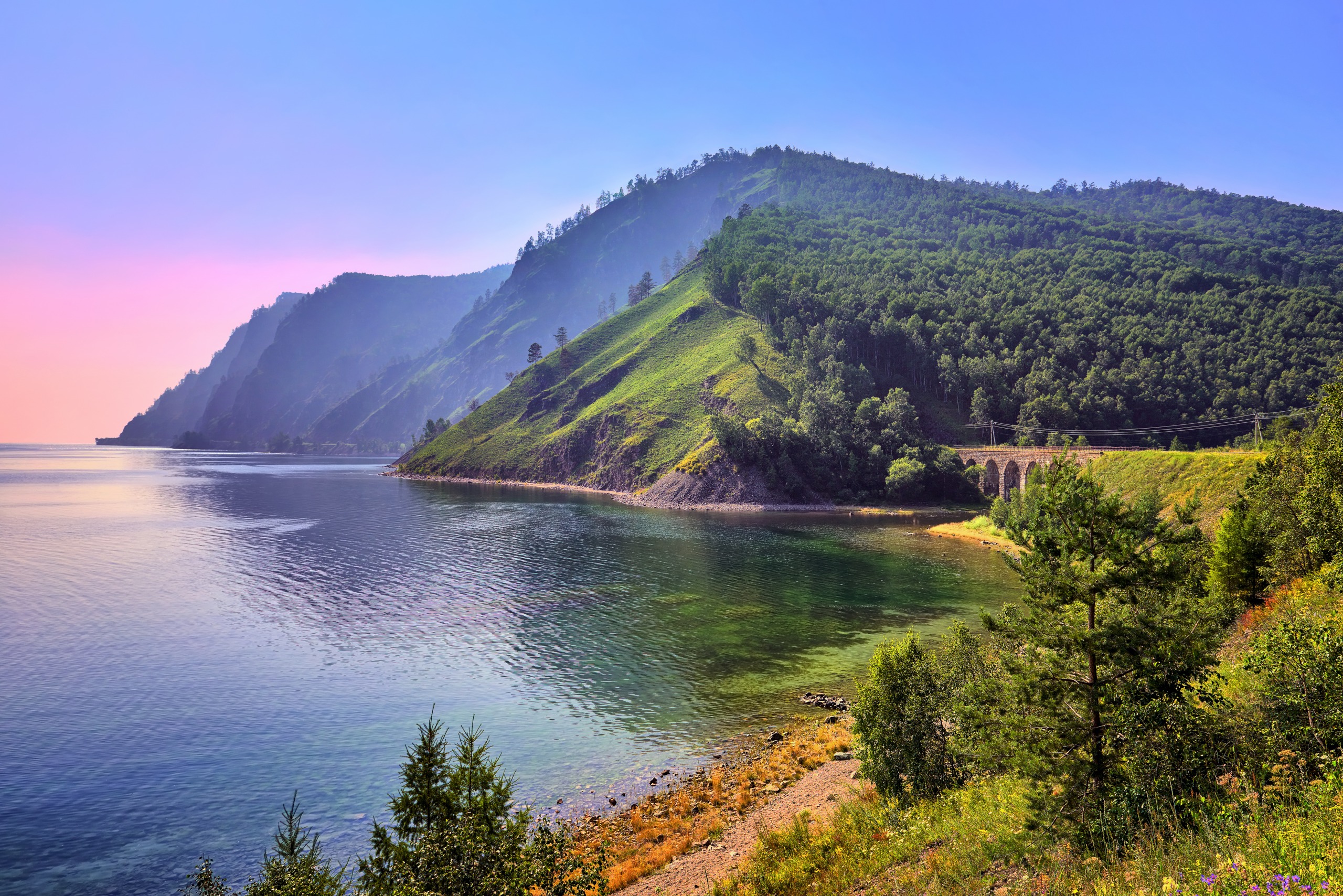
Lake Baikal Museum (Baikalski Muzey)
In Listvyanka, the Lake Baikal Museum showcases the unique ecosystem of the world's largest freshwater lake: Baikal seals in vivarium, endemic species, and geological models of the Baikal rift.
The Lake Baikal Museum is located in Listvyanka, a village some sixty kilometers southeast of Irkutsk, on the western shore of the lake. Affiliated with the Limnological Institute of the Russian Academy of Sciences, it presents the unique ecosystem of Baikal: its geology, aquatic fauna, and endemic species. It is one of the rare places where you can observe Baikal seals (nerpas) in a live vivarium.
Practical information at a glance
- Admission: paid entry (adult and reduced rates available; check current prices on-site or with your local agency)
- Duration: 1.5 to 2 hours to explore all exhibition halls and the vivarium
- Language: panels primarily in Russian; audio guide or English-speaking guide available upon request through your agency
- Dress code: no particular requirements
What you'll see
The museum is organized around several thematic areas. The aquariums showcase dozens of endemic species: omul (the emblematic fish of Baikal), the translucent golomyanka, various species of amphipods. The vivarium houses nerpas, the world's only freshwater seals. Geological models illustrate the formation of the Baikal rift, one of the oldest and deepest on the globe.
History and context
The Limnological Institute in Irkutsk has studied Baikal since the 1920s. The museum, opened to the public in its current form in Listvyanka, extends this scientific mission to a broader audience. The lake itself, inscribed as a UNESCO World Heritage Site in 1996, contains approximately 20% of the world's non-frozen freshwater reserves and is home to more than 1,700 endemic species.
Highlights of your visit
The nerpa vivarium
Nerpas (Pusa sibirica) are the only seals living exclusively in freshwater. Their presence in an inland lake, thousands of kilometers from any ocean, remains a partially resolved scientific mystery. Observing their behavior in the vivarium is a rare experience.
Aquariums of endemic species
The golomyanka, an almost transparent and viviparous fish, is found nowhere else on Earth. The aquariums allow you to observe it closely, along with omul, which forms the basis of local gastronomy.
The bathymetric model
A relief representation of the lake floor makes visible the exceptional depth of Baikal—more than 1,600 meters at its deepest point—and the complexity of its tectonic trenches.
Photography tips
The aquariums are dimly lit: disable your flash to avoid reflections on the glass and favor high ISO sensitivity. For the nerpas, wait for a moment of calm away from crowds; the animals are more active during off-peak hours. The explanatory panels in Cyrillic make good contextual framing subjects.
Location and access
Listvyanka is accessible from Irkutsk by minibus (marshrutka) or taxi, approximately one hour's journey. In summer, hydrofoils also connect Irkutsk to Listvyanka via the Angara River. The museum is located in the village, within walking distance of the pier and the lakefront. Accessibility for people with reduced mobility is limited; check with your agency before your visit.
Nearby attractions
- Listvyanka Market — stalls of smoked omul and local souvenirs, a few minutes' walk from the museum.
- Saint Nicholas Church in Listvyanka — small 19th-century Orthodox church overlooking the village.
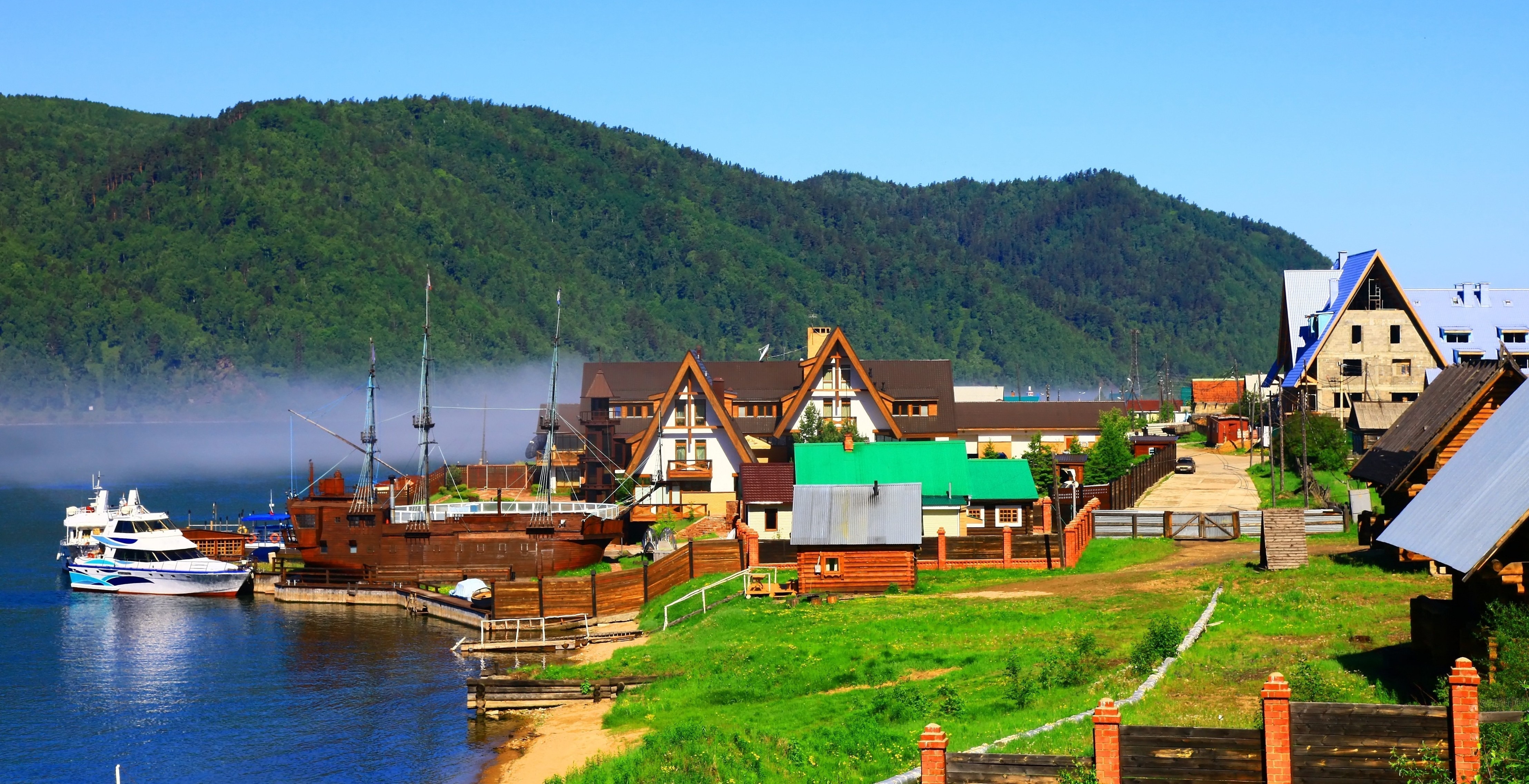
- Baikal's shore at Listvyanka — lakeside promenade with direct views of the water and mountains on the opposite shore.
- Historic center of Irkutsk — Siberian wooden architecture, one hour's drive away.
Frequently asked questions
The museum is open year-round. Summer (June–August) allows you to combine your visit with a lakeside stroll and purchase smoked omul at the market. In winter, the frozen lake offers a striking landscape, but check access conditions from Irkutsk.
The vivarium houses nerpas permanently. The animals are present year-round; their activity varies by time of day. Arriving outside of school group hours improves the experience.
Yes. The aquariums and nerpa vivarium easily capture children's attention. The geological models are better suited to an adult or teenage audience.
Half a day is sufficient for the museum and a walk along the lakefront. Plan a full day if you also wish to visit the market, the church, and hike in the hills above the village.
Explanations are primarily in Russian. Some panels have partial English versions. For a guided tour in English, book a guide through your Nomadays agency in Irkutsk.
Interested in this visit?
We can include it in your personalised itinerary.