Kunstkamera
Kunstkamera
Russia's first museum, founded by Peter the Great in 1714 on the banks of the Neva, the Kunstkamera houses ethnographic collections and an anatomical cabinet.
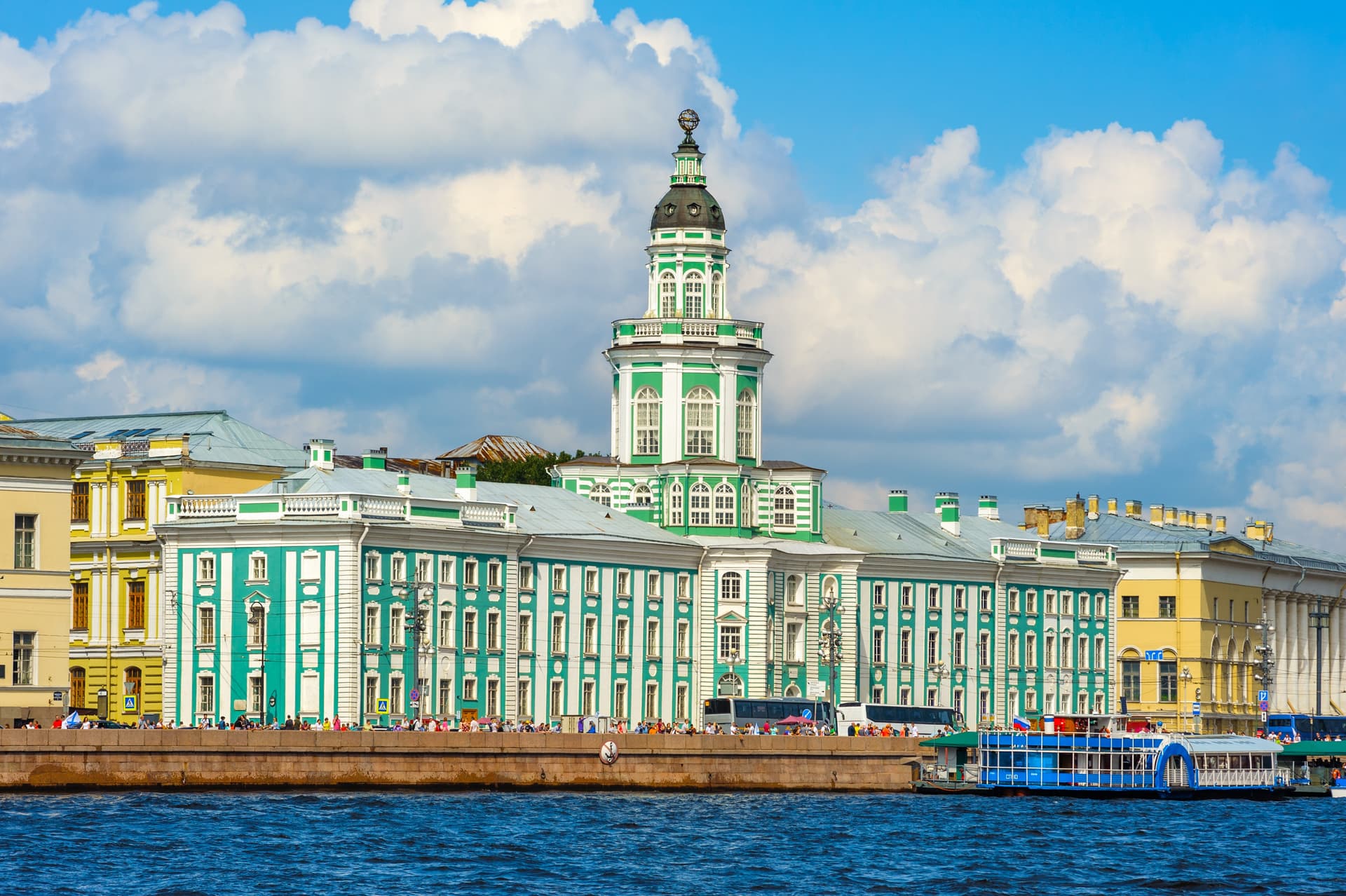
Along the banks of the Neva, facing the Admiralty and the Winter Palace, the Kunstkamera occupies a Baroque building crowned with an observatory tower that has become one of Saint Petersburg's most recognizable silhouettes. Officially the Museum of Ethnography and Anthropology of the Russian Academy of Sciences, it is the first museum built in Russie. It celebrated its 300th anniversary in 2014.
Why visit the Kunstkamera
The Kunstkamera is not an ethnographic museum like any other. It was born as a personal cabinet of curiosities of Peter the Great, and retains this dual character to this day: on one side, vast collections on the peoples of Africa, Asia, the Americas and the Middle East; on the other, an anatomical section inherited from the 18th century that surprises visitors.
Three compelling reasons to add it to your Saint Petersburg itinerary:
- visit the oldest museum in the country, founded by Peter the Great himself;
- see the famous collection of malformed fetuses preserved in jars and the anatomical preparations of Frederik Ruysch, purchased by the tsar from Amsterdam in 1717;
- climb the tower to see the 3-meter diameter globe, the centerpiece of the collection.
History: from cabinet of curiosities to state museum
The history of the Kunstkamera is inseparable from Peter the Great's passion for travel, science, and rare objects. Works of art, books, engravings, scientific instruments and curiosities brought back from his stays in Europe were first stored in his private cabinet, then transferred to the Tsarskoye Selo palace. As these collections grew, the tsar decided in 1714 to build Russie's very first museum to make them accessible to the public.
After several setbacks, including the death of the first architect, the museum did not open until 1727, two years after Peter the Great's death. Interior decoration work was completed in 1734.
On December 5, 1747, a serious fire destroyed part of the building. Reconstruction was entrusted to architect Savva Chevakinsky and took place from 1755 to 1758. Chevakinsky dismantled the pediments and chose not to rebuild the upper part of the tower or the sculptures that adorned it. The dome and armillary sphere that crown the building today were only restored in 1948-1949.
What to see inside
Peter the Great's anatomical cabinet
This is the section that captures visitors' attention. It houses the anatomical preparations of Frederik Ruysch, the renowned Dutch anatomist famous for his tissue preservation techniques, as well as a collection of malformed fetuses and newborns in jars, assembled to support the tsar's campaign against superstitions of his era. Also on display are Peter the Great's teeth, which he famously extracted himself as an amateur dentist.
Ethnographic collections
The majority of the tour is devoted to the peoples of the world. The galleries present collections from Africa, Asia, the Americas and the Middle East: costumes, masks, tools, ritual objects, scenes of daily life. The collection offers a fairly comprehensive panorama of non-European cultures as traveling Russian scholars and travelers of the 18th and 19th centuries documented them.
The globe and the observatory tower
The central tower houses the large 3-meter diameter terrestrial globe, a copy of the Gottorp globe destroyed in the 1747 fire. On the upper floor, the former astronomical observatory of the Academy of Sciences recalls that the Kunstkamera was also a major scientific center before those functions were relocated elsewhere in the city.
Practical information
- Visit duration: allow 1.5 to 2 hours to see the main collections.
- Opening days: museum open Tuesday to Sunday, closed Mondays. Check current hours on the official website before visiting, as they vary by season.
- Prices: admission at a reasonable rate, with discounts for students and children. Online ticketing is recommended during peak season to avoid queues.
- Crowds: the museum is medium-sized; rooms can be crowded mid-day. Visit early morning for the best experience.
- Audience: the anatomical section may be unsettling for young children.
How to get there
The Kunstkamera is located on Vasilievsky Island, on Universitetskaya Embankment, directly across from the Admiralty on the other side of the Neva.
- Metro: Admiralteyskaya station (Line 5), then a few minutes' walk via the Palace Bridge.
- Bus: several lines serve Vasilievsky Island, notably lines 7, 24 and 191.
- Trolleybus: lines 1, 7, 10 and 11.
- On foot: from Nevsky Prospekt and the Winter Palace, allow about 20 minutes via the Palace Bridge.
Nearby attractions
The Kunstkamera sits in a district dense with monuments. A few minutes' walk or transport away:
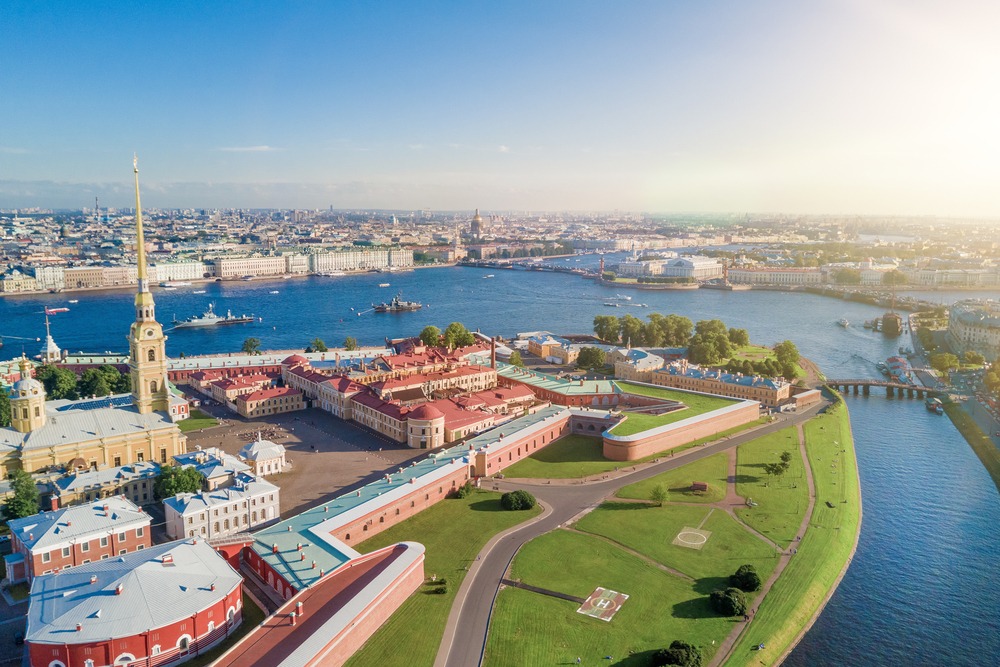
- the Peter and Paul Fortress, birthplace of the city, on the neighboring Hares Island;
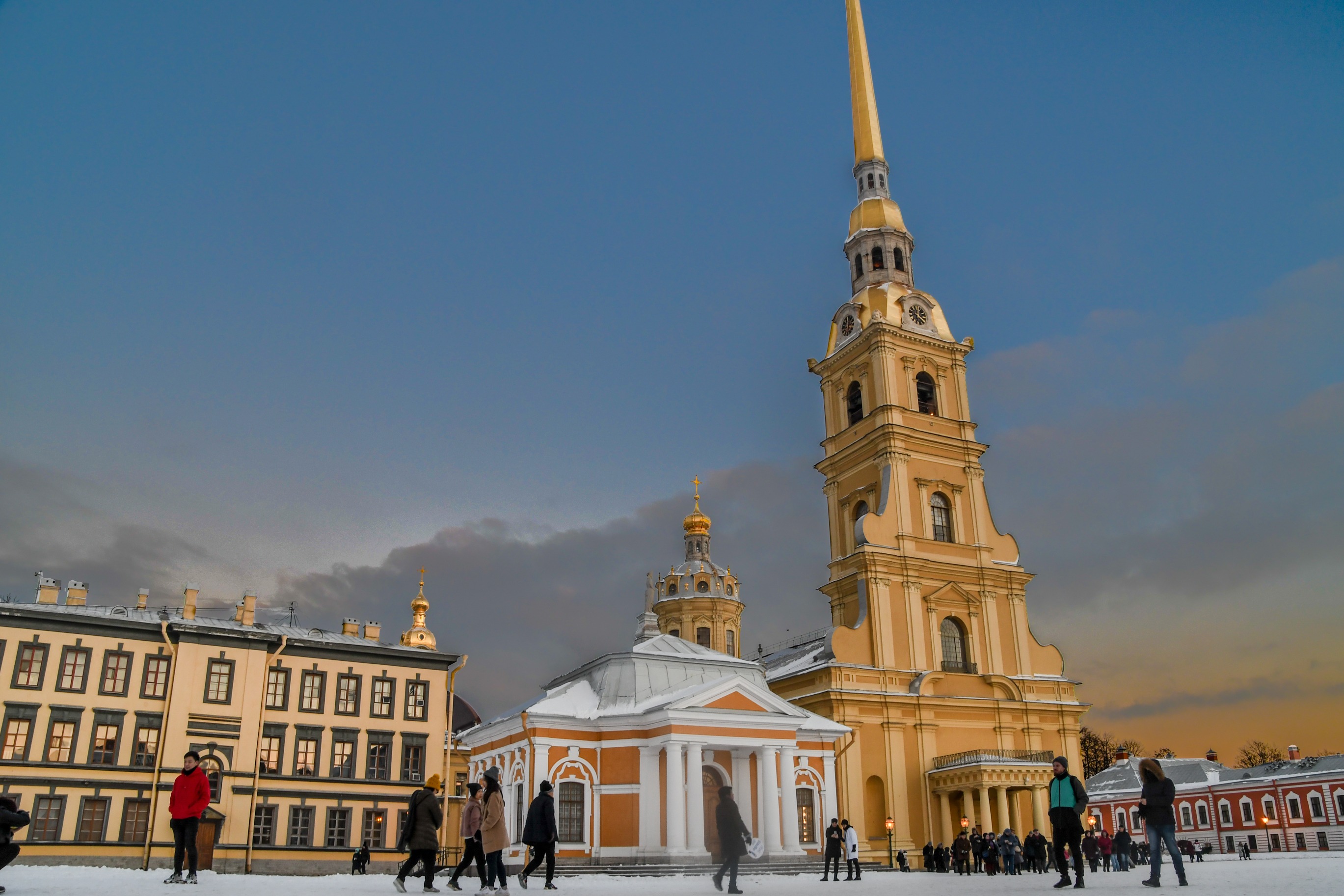
- the Peter and Paul Cathedral, necropolis of the Romanov tsars, inside the fortress;
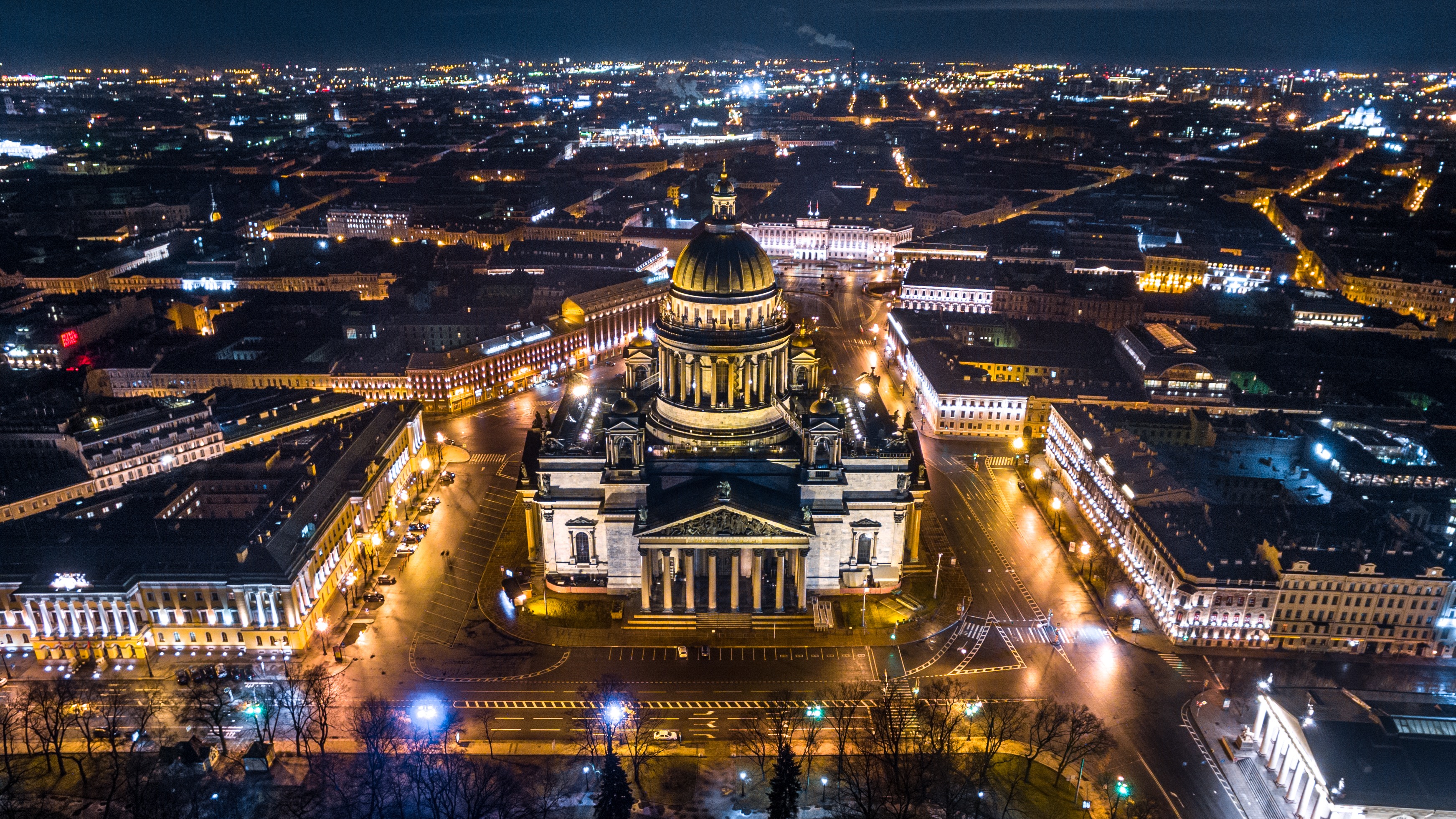
- the Saint Isaac's Cathedral, whose gilded dome overlooks the opposite bank;
- the Church of the Savior on Spilled Blood, a 25-minute walk along the canals.
Frequently asked questions
Frequently asked questions
The term comes from the German Kunstkammer, which designates a cabinet of curiosities. This is how Peter the Great named his museum, following the fashion of learned collections popular in 18th-century Europe.
Allow 1.5 to 2 hours to see the main sections, longer if you wish to explore the ethnographic collections in detail continent by continent.
The room with anatomical preparations and fetuses in jars may be unsettling for young children. You can easily skip this section and concentrate on the ethnographic collections.
During peak tourist season (May to September) and the White Nights festival, online ticketing is recommended to avoid queuing. Off-season, purchasing on-site is straightforward.
Yes, Admiralteyskaya station (Line 5) is the closest. You then cross the Neva via the Palace Bridge, about 10 minutes on foot.
Plan your trip
The Kunstkamera fits naturally into a Saint Petersburg visit combining the Hermitage, the Peter and Paul Fortress and the great cathedrals of the center. To build a custom itinerary including this stop, consult our suggestions for travel in Russie.
Nearby
Interested in this visit?
We can include it in your personalised itinerary.