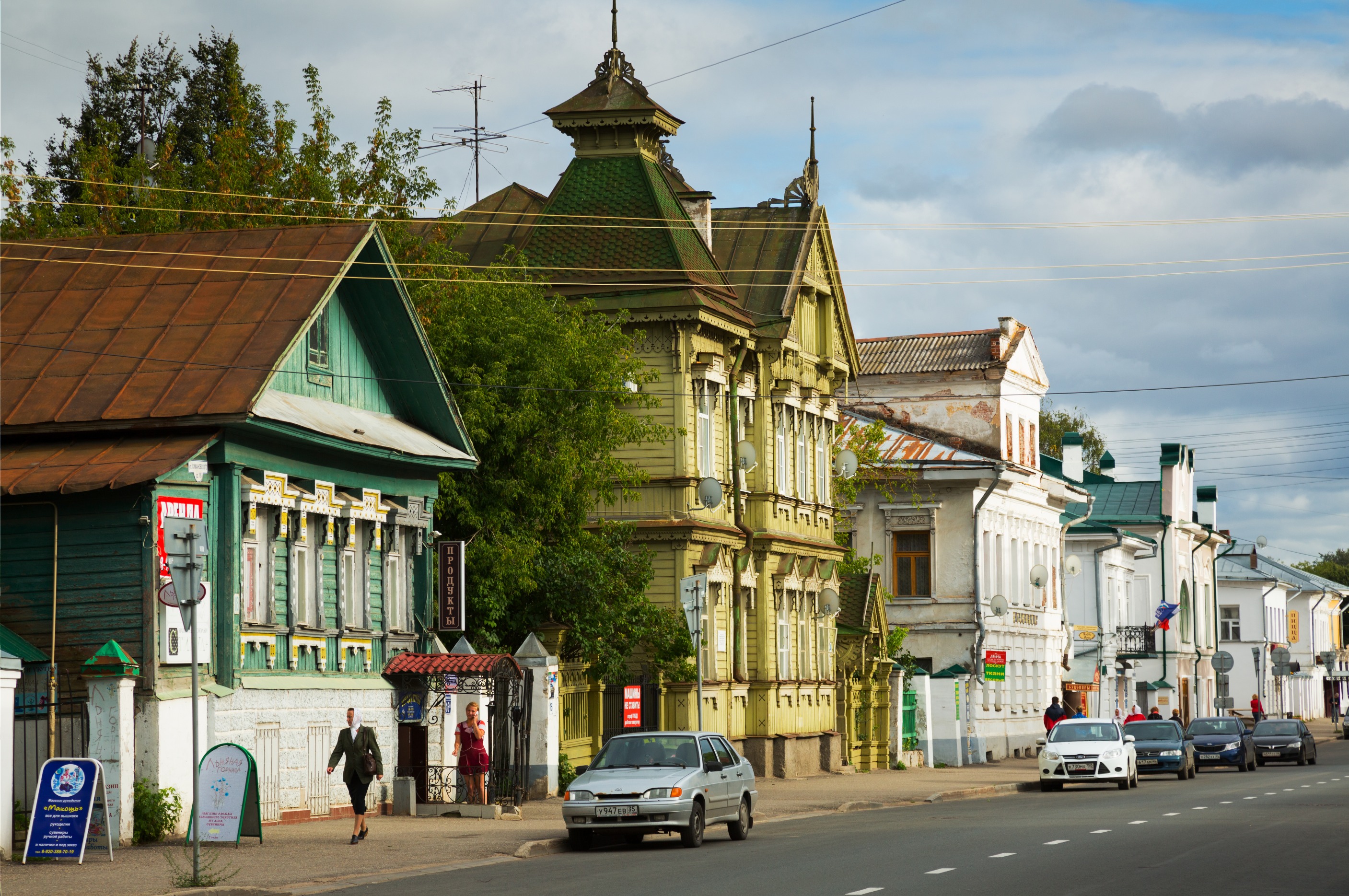
Anokhin National Museum of the Altai Republic
The Anokhin National Museum in Gorno-Altaysk brings together ethnography, Pazyryk archaeology, and natural history of the Altai. An essential introduction to the culture of this southern Siberian region.
The Anokhin National Museum is the principal museum of the Altai Republic, located in Gorno-Altaysk, capital of this autonomous region in southern Siberia. It bears the name of Grigori Ivanovitch Anokhin, ethnographer and explorer of the Altai. Its collections span the history, ethnography, and natural world of the region, offering a solid introduction to Altai culture before venturing out to explore the surrounding mountains and steppes.
What to See
The museum brings together several types of collections:
- Altai ethnography: traditional costumes, musical instruments (including the topshuur), everyday objects of the Altai's nomadic peoples.
- Archaeology: artifacts from the kurgans (burial mounds) of Pazyryk culture, dating to the Iron Age.
- Natural history: local fauna and flora, minerals and rocks characteristic of the Altai mountains.
- Regional history: documents and objects tracing the Altai's integration into the Russian Empire and the USSR.
History and Context
Founded in the early twentieth century, the museum is one of the region's oldest cultural institutions. Grigori Anokhin, to whom it is dedicated, contributed to documenting the traditions and languages of Altai peoples at a time when these cultures were little known beyond the region. The museum has been reorganized and expanded several times since the Soviet era.
Highlights of the Visit
The Pazyryk Collections
Objects from the Pazyryk kurgans — textiles, horse trappings, jewelry — bear witness to a sophisticated nomadic civilization that occupied the Altai more than 2,500 years ago. These pieces are rare and seldom displayed outside the region.
The Ethnography of Altai Peoples
The ethnographic section presents the life of the Altai, Teleut, and other indigenous groups: reconstructed yurts, ceremonial garments, shamanic objects. A concrete glimpse of a culture still thriving in mountain villages.
The Nature of the Altai
The natural history gallery illustrates the exceptional biodiversity of the region: snow leopard, argali (Siberian wild sheep), alpine vegetation. Useful for understanding ecosystems before heading out on a hike.
Photography Tips
Photography is generally permitted in exhibition spaces, but check with staff regarding sensitive archaeological pieces. Natural light is often limited indoors; a high ISO setting is recommended. Display cases can create reflections: position yourself slightly at an angle.
Location and Access
The museum is located in central Gorno-Altaysk, a city accessible from Barnaoul by road (approximately 250 km) or by air via the local airport. Gorno-Altaysk is the natural starting point for exploring the Chuisky Highway and Lake Teletskoye.
Nearby
- Lake Teletskoye — a large mountain lake designated a UNESCO World Heritage site, a few hours' drive to the northeast.
- Chuisky Highway (Chuisky Trakt) — one of Russia's most scenic roads, crossing the steppes and passes of the Altai toward Mongolia.
- Mount Belukha — the highest peak in Siberia, a destination for trekking and mountaineering.
Frequently asked questions
Allow between one and a half to two hours to explore all the collections at a leisurely pace.
Yes. The reconstructed yurts and taxidermied animals in the natural history section generally capture the attention of younger visitors.
The labels are primarily in Russian and Altai. An English-speaking guide is not guaranteed on-site; check with your local agency before your visit.
Absolutely. Visiting the museum early in your stay allows you to understand Altai history and culture, which enriches your understanding of the landscapes and archaeological sites you encounter along the way.
The mummy known as the "Princess of the Altai" (Ukok) is preserved at the National Museum in Novosibirsk, not in Gorno-Altaysk. The Anokhin Museum does, however, display Pazyryk artifacts from the same cultural period.
Interested in this visit?
We can include it in your personalised itinerary.