Maslenitsa: Russia's beloved pancake festival
This pagan-rooted festival is celebrated every year across Russia and attracts countless visitors. Its name translates to: 'The Week of Pancakes.'
This pagan-rooted festival is celebrated every year across Russia and attracts countless visitors. Its name translates to: 'The Week of Pancakes.' It takes place seven weeks before Easter, marking the final week before the Orthodox Great Lent. If you wish to experience unforgettable moments with locals and soak in the festive spirit during your journey through Russia, Maslenitsa is an absolute must-see celebration.
History and origins
For ancient pagans, this festival marked the imminent end of winter and the arrival of spring. Refusing to celebrate it was believed to bring misfortune: it was therefore an unmissable celebration in every village, with the hope that crops would flourish.
For Orthodox Christians, Maslenitsa is a festival celebrating entry into the Great Lent, a period during which believers abstain from certain foods such as meat, fish, dairy products, and eggs.
According to testimonies from 19th-century ethnographers, Maslenitsa was not always the joyful celebration we know today. This week served as an escape valve for the people before the Great Lent began. Brawls, confrontations, and battles were frequent during this period, often without real provocation. The heavy consumption of alcohol before the lenten fast only heightened tensions.
Some women took advantage of the festival to dress in disguise and 'awaken the sleeping forces of nature.' In the 1940s, for instance, in a Siberian village, widows would leave their homes dressed as men and sing obscene songs, according to historical records. Other women organized exclusively female gatherings, where they would drink, dance, and feast on all manner of delicious dishes.
How is Maslenitsa celebrated?
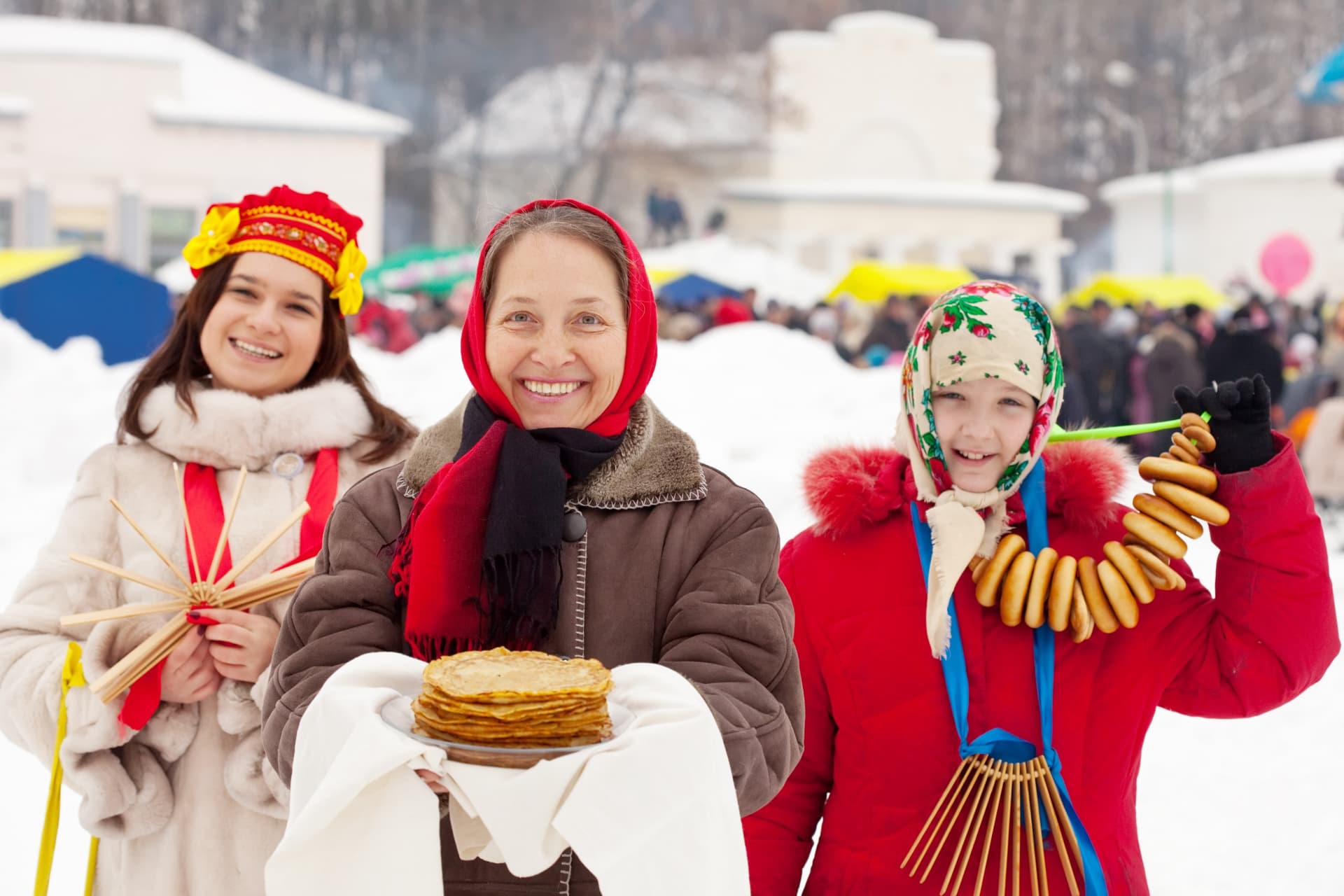
Maslenitsa would not be what it is without its concerts, folk dances, and above all, its famous pancakes or 'blini' served in abundance. You'll find plenty of activities to enjoy, including: sledding adventures, puppet theaters, folk dances, snowball battles, and scarecrow ceremonies.
Maslenitsa is celebrated in every Russian city and village. The festivities span an entire week and unfold in stages according to each day. Monday, for example, welcomes the carnival's mascot known as 'Maslenitsa.' This is typically a straw effigy dressed in vibrant colors, or a scarecrow. Tuesday features various games and activities such as sledding races, concerts, and puppet theaters. Wednesday is dedicated to tasting various Russian specialties such as blini, the famous local pancakes. Thursday is a day of celebration with music and merriment. Friday is a day honoring one's mother-in-law. Saturday is reserved for sisters-in-law, and finally Sunday is the day of forgiveness, following Orthodox traditions.
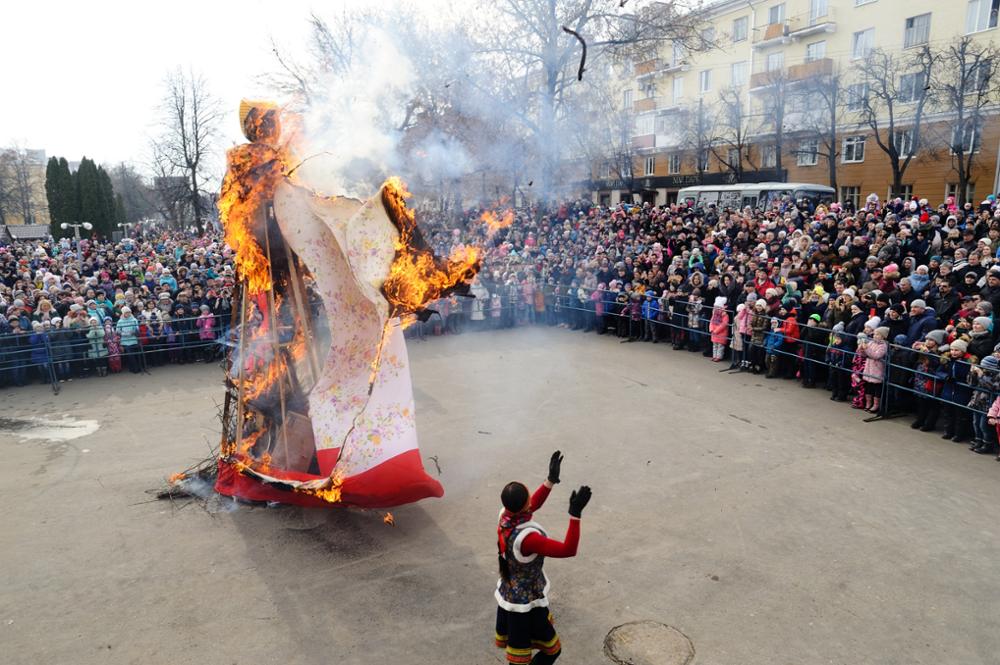
Sunday also marks the end of the carnival. The straw mascot is then set ablaze. The ashes of the effigy are buried in the snow to make the earth more fertile. Leftover food is also thrown into the fire: a gesture symbolizing the beginning of Lent. For practicing Orthodox believers, however, this Sunday offers one final opportunity to enjoy fish, wine, oil, and dairy products before Easter.
Frequently asked questions
Maslenitsa occurs every year seven weeks before Orthodox Easter, the week preceding the Great Lent. Its date varies each year according to the Orthodox liturgical calendar.
The unmissable specialty of Maslenitsa is blini, the famous Russian pancake. This week offers the opportunity to enjoy dairy products, eggs, and fish before abstaining from them during the Great Lent.
Maslenitsa is a pagan-rooted festival that marked the end of winter and the arrival of spring. It was later incorporated into the Orthodox calendar as the week preceding the Great Lent.
On Maslenitsa Sunday, a straw effigy (the carnival's mascot) is set on fire. Its ashes are buried in the snow to fertilize the earth, and leftover food is thrown into the flames to symbolize the beginning of Lent.
Maslenitsa is celebrated in every Russian city and village. Major metropolises like Moscow and Saint Petersburg organize particularly vibrant festivities with concerts, folk dances, and gourmet markets.