Visit Russia's Santa Claus: Holiday Traditions in the Land of the Tsars
Russia's Santa Claus doesn't live at the North Pole, but in an Arctic city in Russia. He doesn't deliver gifts on the night of December 24-25, but on New Year's Day.
Russia's Santa Claus doesn't live at the North Pole, but in an Arctic city in Russia. He doesn't deliver gifts on the night of December 24-25, but on New Year's Day. Yet Russia is one of the countries where the magic of Christmas is unforgettable for young and old alike: with ice rinks, snow, towering Christmas trees, fairy tales, and decorations, you'll be enchanted during your winter journey to Russia.
End-of-Year Celebrations in Russia
As New Year approaches, Russia transforms into a true Santa Claus paradise. The weather certainly helps set the mood, but the winter magic comes mainly from the traditions and celebrations observed by Russians.
Yet Christmas isn't celebrated in Russia, at least not as it is in the rest of the world. According to the old calendar, Orthodox Christmas is celebrated on the night of January 6-7. It's an exclusively religious celebration. Russian believers attend a midnight mass and sing to commemorate the birth of Christ; as night falls, they gather solemnly with family around a Christmas meal.
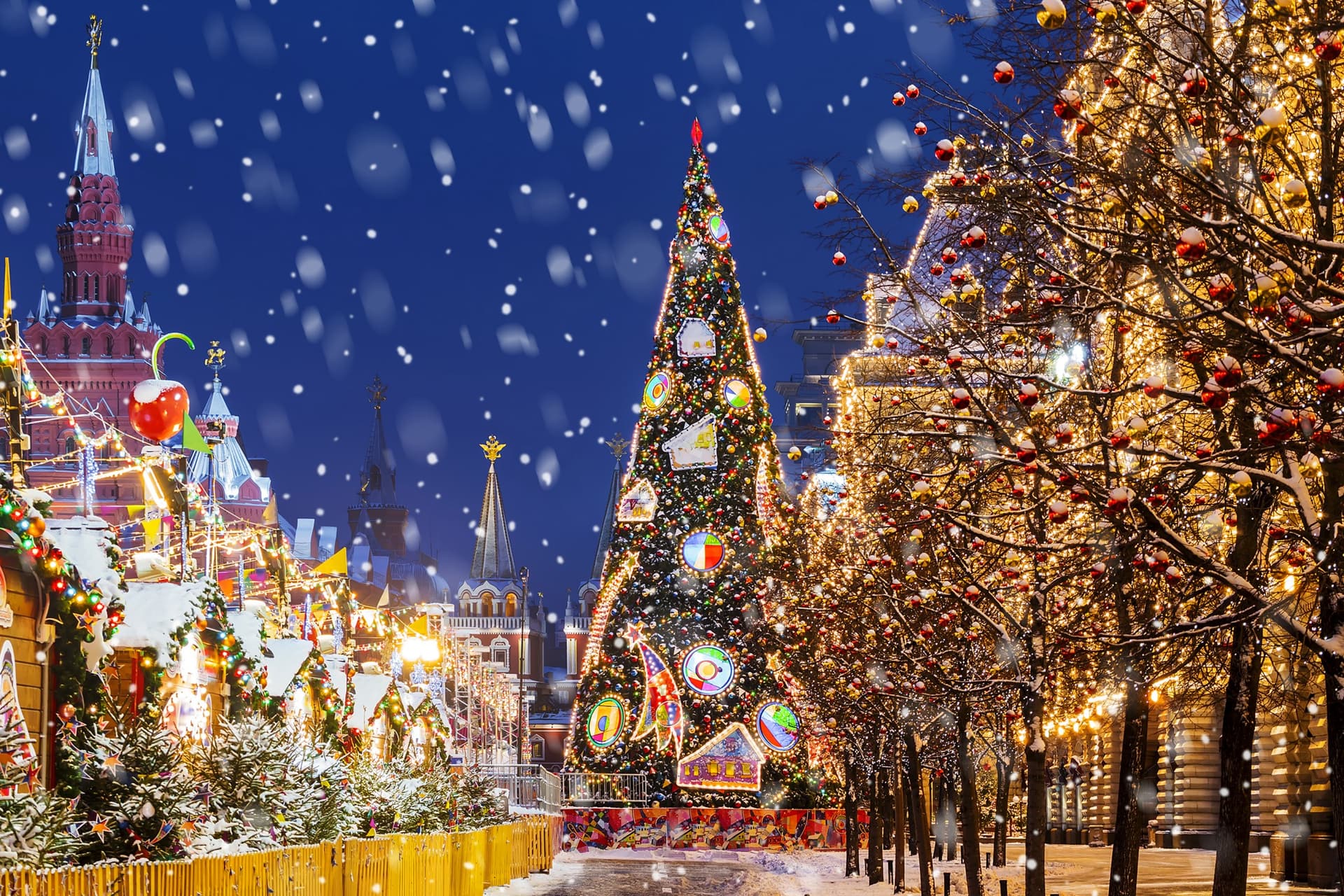
Nevertheless, Russia possesses a Christmas magic that is almost unmatched anywhere in the world. From January 1-8, Russians enjoy official public holidays, during which they typically visit loved ones. All cities across the country are decorated with enormous Christmas trees, in every region: Orthodox, Buddhist, Muslim… It makes no difference, since the traditions associated with Christmas in Europe are, in Russia, detached from religion.
It is indeed on New Year's Eve, from December 31 to January 1, that Russians receive gifts from Santa Claus. Or from Grandfather Frost, "Ded Moroz", to be precise. New Year is celebrated at home with family, beneath a tree with gifts after midnight. This tradition was born after the Bolshevik Revolution: the religious Christmas celebration, which was then banned, was replaced by the New Year celebration.
Visiting Santa Claus in Russia
If you're traveling to Russia with children in winter, don't miss the opportunity to take them to visit Santa Claus. Ded Moroz resides in northern Russia, in the city of Veliki Ustyug. Plan for 21 hours of overnight train travel to get there.
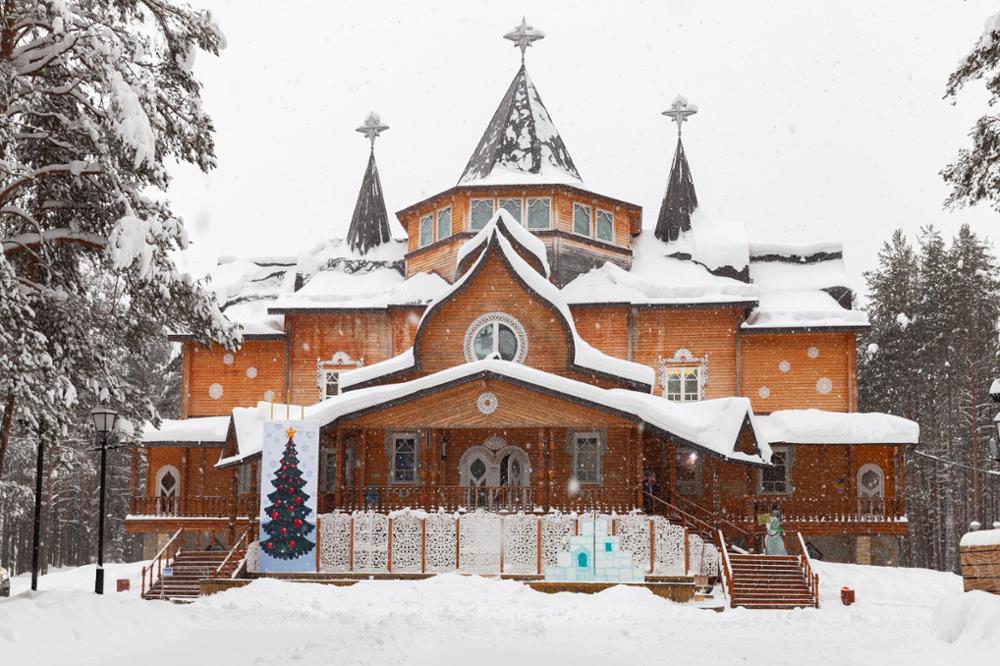
Opened in 1998, Santa Claus's residence welcomes approximately 300,000 visitors each year. And far more letters, as this is where letters addressed to Santa Claus arrive by post. On-site, you can visit Ded Moroz's magnificent wooden chalet, make a wish in the Hall of Dreams, take magic lessons, and of course meet the master himself. The 40-hectare estate houses many other attractions, inspired by Slavic fairy tales.
If you can't manage to travel so far, don't worry: you can also encounter Ded Moroz in Moscow! Santa Claus has an impressive wooden manor in Kuzminki Park.
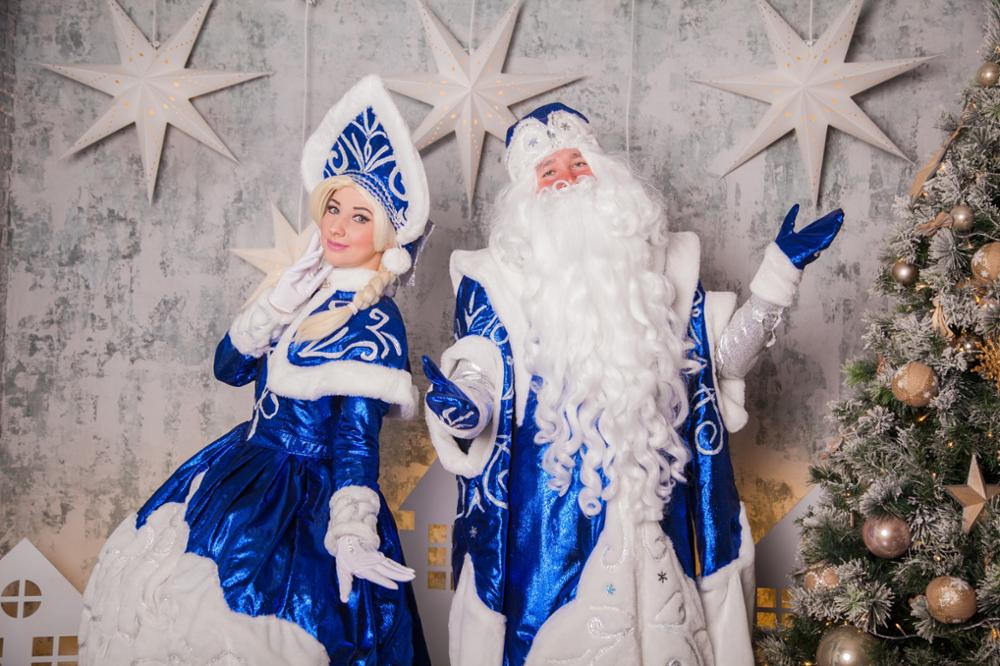
Santa Claus and His Many Colleagues
Ded Moroz typically wears a blue robe, but resembles the Western Santa Claus with his long white beard. A small distinction, however: Ded Moroz carries in his hand a staff that allows him to freeze or thaw any creature! It's almost as if you're in The Snow Queen…
He works with many colleagues: in fact, virtually every region of Russia has its own Santa Claus! To name a few: Talvi Oukko in Karelia, Kych Babaït in Tatarstan, Artkhouron in North Ossetia, Tol Babaï in Udmurtia, Khol Moutchie in Chuvashia, Sagan Oubguen in Buryatia.
Frequently asked questions
Ded Moroz, which means 'Grandfather Frost', is the Russian equivalent of Santa Claus. He stands out for his long blue robe and magical staff capable of freezing or thawing any creature. Unlike the Western Santa Claus, he delivers gifts on New Year's Eve (December 31 to January 1) rather than on Christmas.
Ded Moroz's official residence is located in Veliki Ustyug, a city in northern Russia. Opened in 1998, it welcomes approximately 300,000 visitors each year. It's also possible to meet him in Moscow, at his manor in Kuzminki Park.
Veliki Ustyug is accessible from Moscow by overnight train, with a journey of approximately 21 hours. It's advisable to plan this trip in advance, particularly during the holiday period from January 1-8, which is an official public holiday period in Russia.
Orthodox Christmas is celebrated in Russia on the night of January 6-7, according to the old Julian calendar. It's an essentially religious celebration. Western-style Christmas festivities (gifts, trees, Santa Claus) are instead associated with New Year, celebrated on the night of December 31 to January 1.
Yes! Russia has many regional Santa Clauses reflecting the country's cultural diversity. Among them: Talvi Oukko in Karelia, Kych Babaït in Tatarstan, Artkhouron in North Ossetia, Tol Babaï in Udmurtia, Khol Moutchie in Chuvashia, and Sagan Oubguen in Buryatia.