Lake Baikal and Siberia
The world's deepest lake, the shamanic island of Olkhon and the rocky pillars of Stolby: Siberia beyond the Trans-Siberian Railway alone.
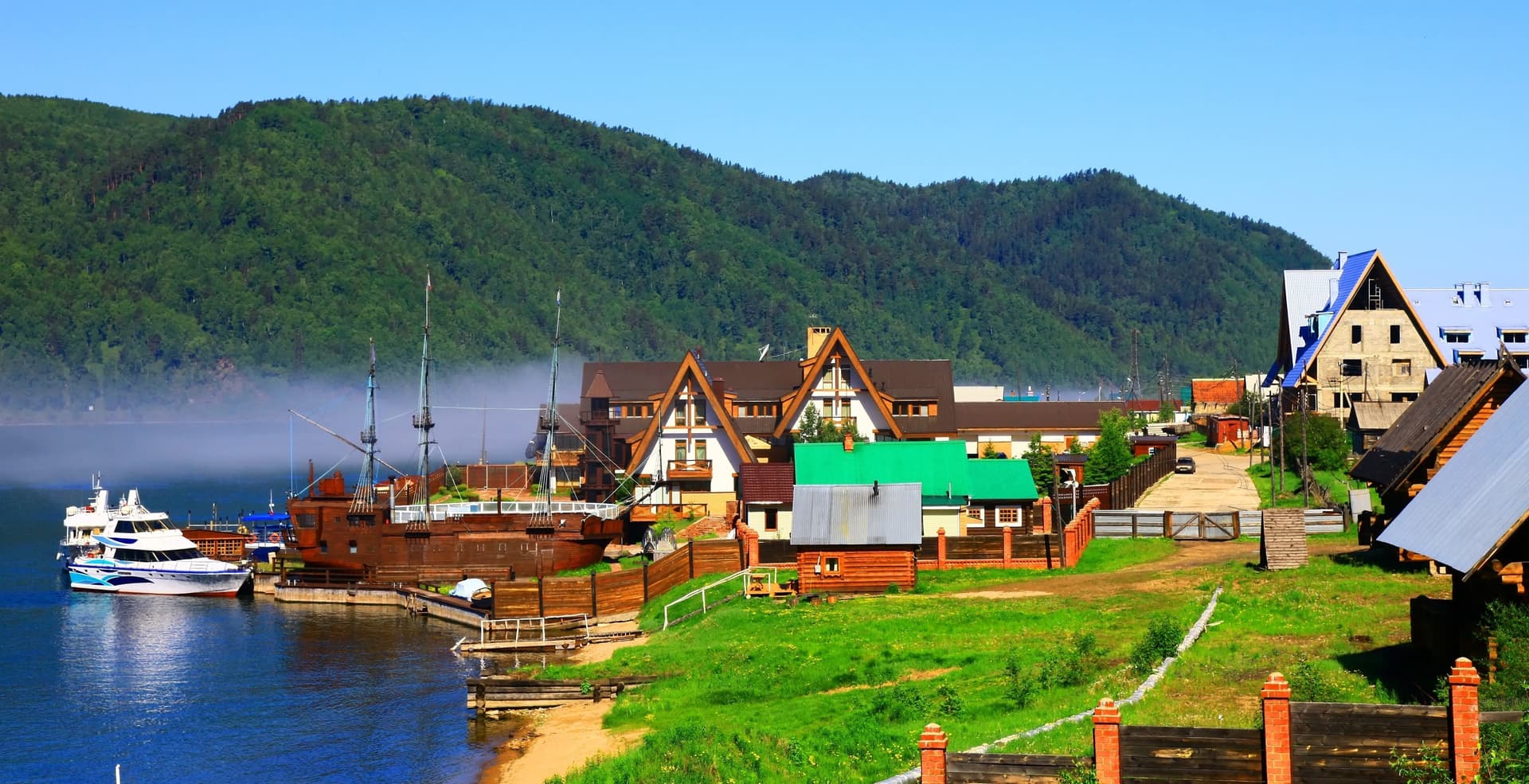
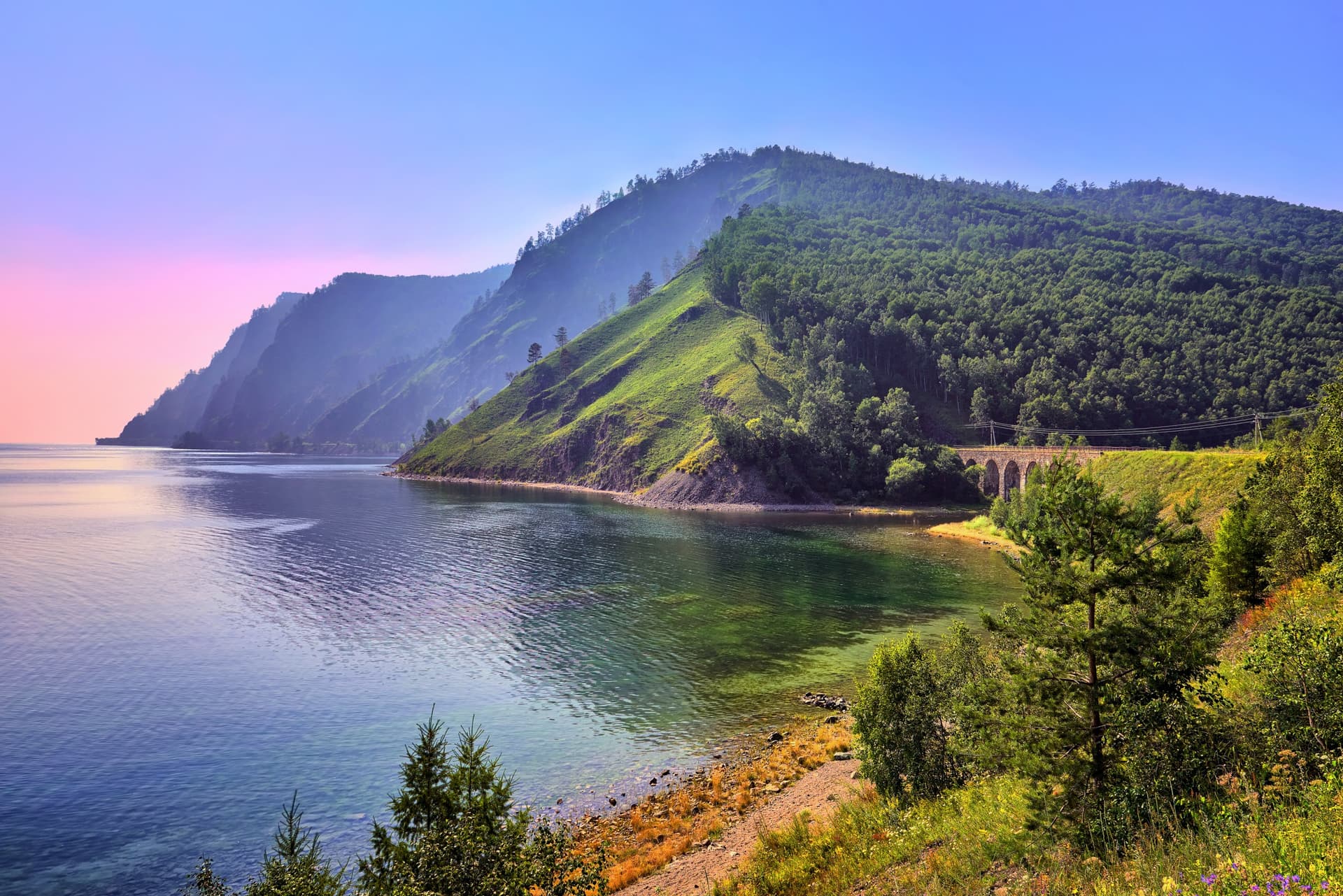
Lake Baikal stretches 636 kilometres between Irkutsk Oblast and the Republic of Buryatia. With a depth of 1,642 metres, it is the world's deepest lake and contains nearly 20 per cent of the planet's surface freshwater reserves. For our English-speaking team based in Russia, it is the most natural gateway to a Siberia that cannot be reduced to cold or the Trans-Siberian Railway alone: a mosaic of Buryat, Evenk, Russian Orthodox and Old Believer peoples, of taiga, steppes and mountain ranges such as the Sayan Mountains.
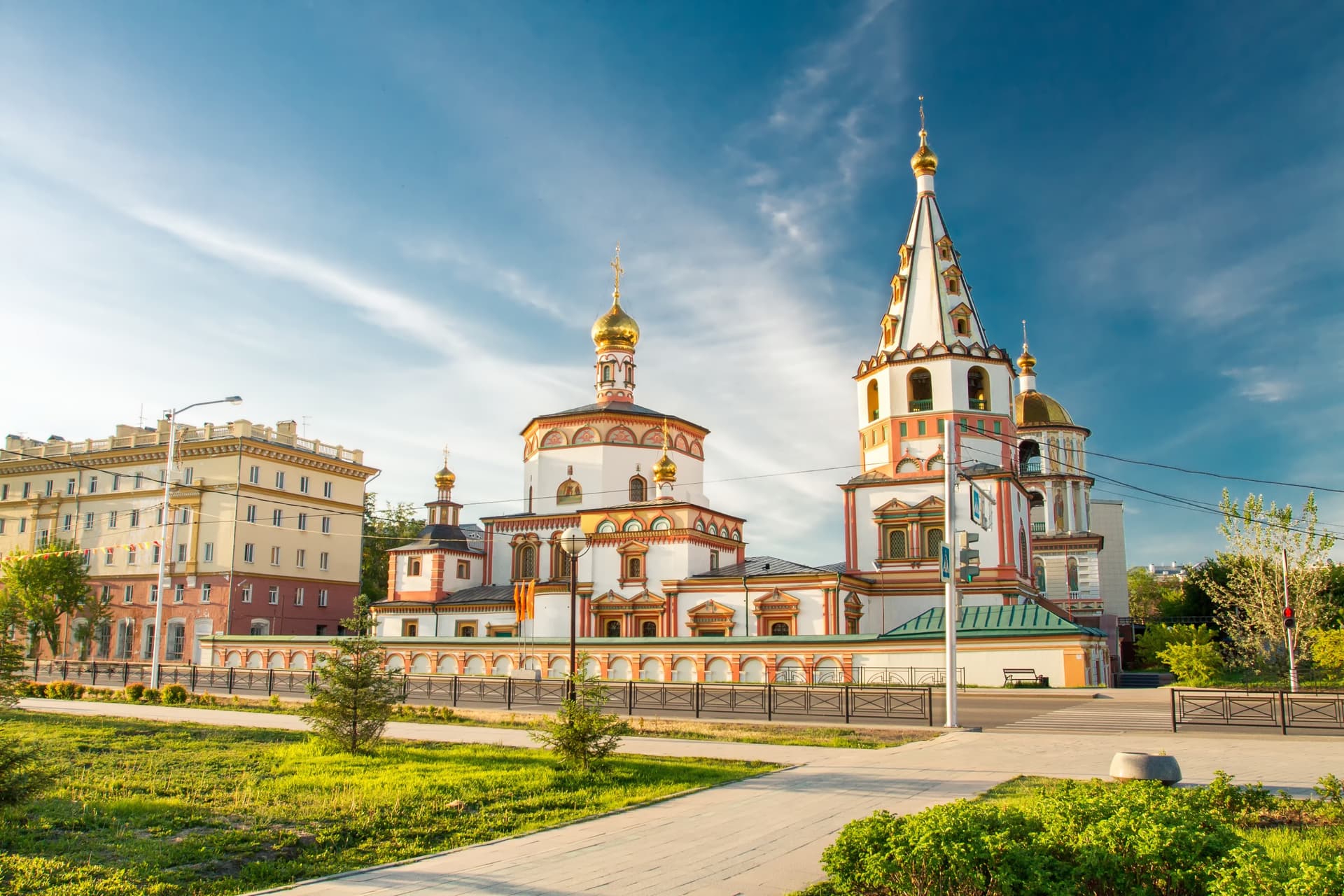
Irkutsk, founded in 1661 on the Angara River, serves as the base for most of our itineraries. Its intricately carved wooden cabins in the 130th Quarter district (130 Kvartal), the Decembrists' Museum housed in Prince Volkonsky's mansion, and markets where you can find smoked omul, the endemic fish of Baikal, set the tone for a city that remains deeply Siberian. At 70 kilometres away, the village of Listvyanka marks your first contact with the lake, but it is further north that you grasp its true scale.
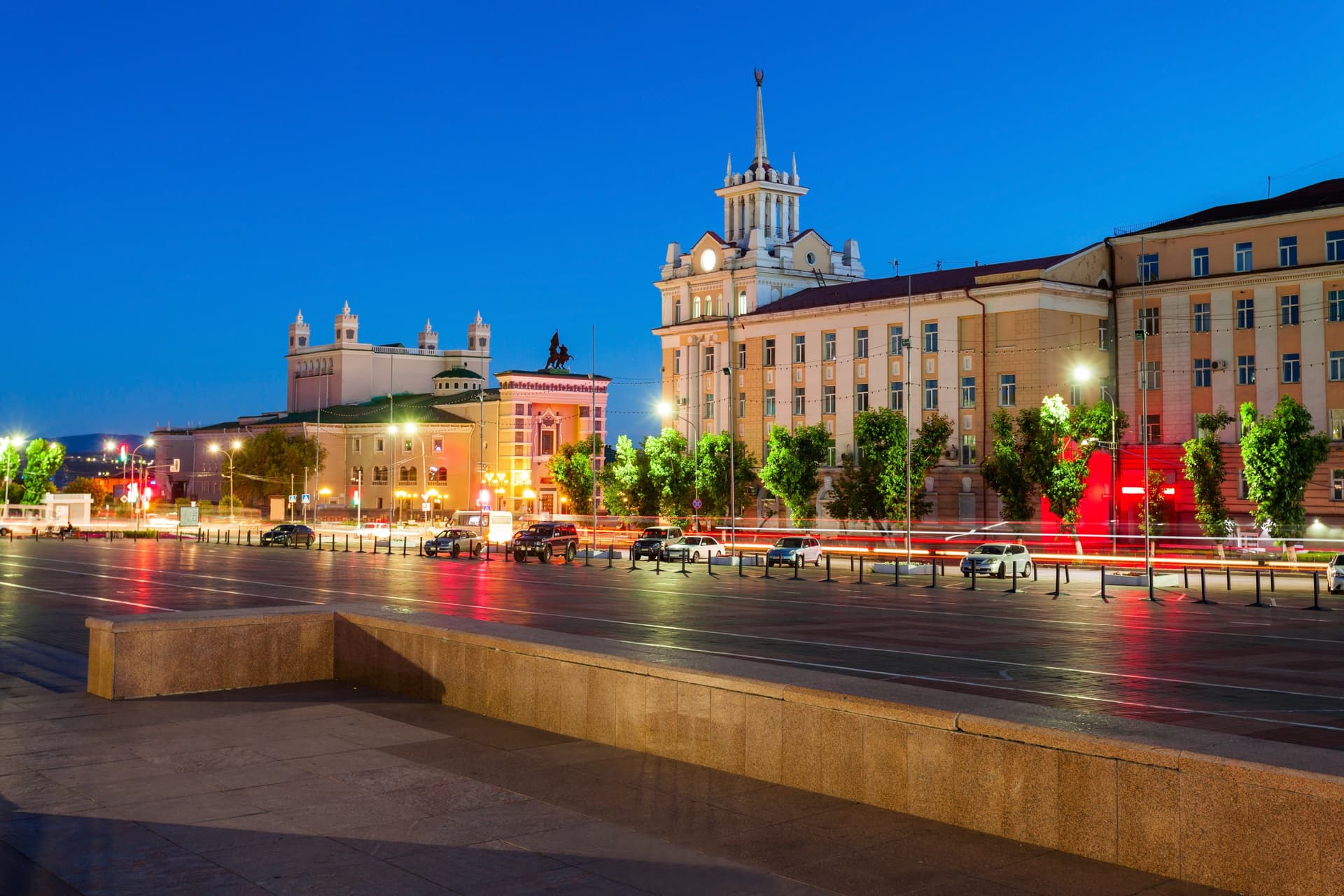
Olkhon Island, stretching 72 kilometres and linked by a short ferry from Slyudyanka, concentrates much of Buryat shamanic cosmology. Shaman's Rock at Khoujir is one of nine sacred sites in Asia according to local tradition. Our Buryat guides explain the rituals at the threshold of the spirit Bukha-Noyon without resorting to folklore. South-east of the lake, Ulan-Ude, the capital of Buryatia, is home to the Ivolguinsky Datsan, the principal centre of Tibetan Buddhism in Russia, where the incorruptible body of khambo-lama Itigelov rests.
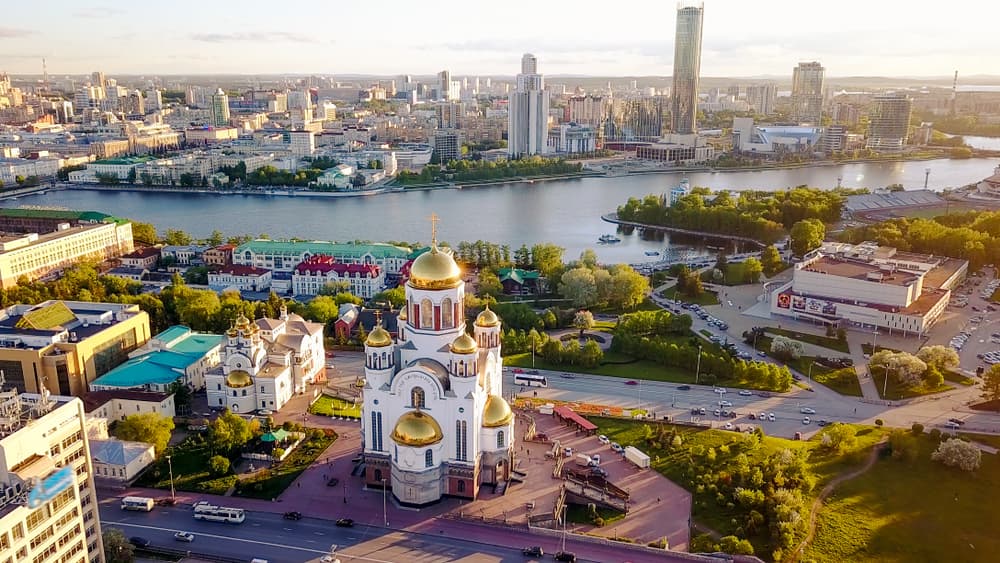
Beyond Baikal, western Siberia offers two stops that we regularly integrate into Trans-Siberian itineraries. Yekaterinburg, at the geographical border between Europe and Asia, preserves the memory of the execution of the Romanov family at the Ipatiev House in 1918: the Church on Spilled Blood and Ganina Yama Monastery mark this memorial route. Krasnoyarsk, on the Yenisei River, is our favourite stop for hikers: the Stolby reserve, 30 minutes from the city centre, features around fifty syenite pillars rising 60 to 100 metres, accessible by marked trails over two to three days.
Siberian cuisine deserves your attention. Beyond omul, you will taste home-made pelmeni with elk or venison, Buryat buuzy (large steamed dumplings, cousins of Tibetan momos), saio (milk and butter soup), and taiga berries preserved in honey or vodka: oblepikha (sea buckthorn), brusnika (lingonberry), kedrovye orekhi (Siberian cedar nuts). The Russian sauna, the banya, punctuates each stop: you alternate between 80-degree steam, birch branch whipping, and plunging into snow or directly into the lake depending on the season.
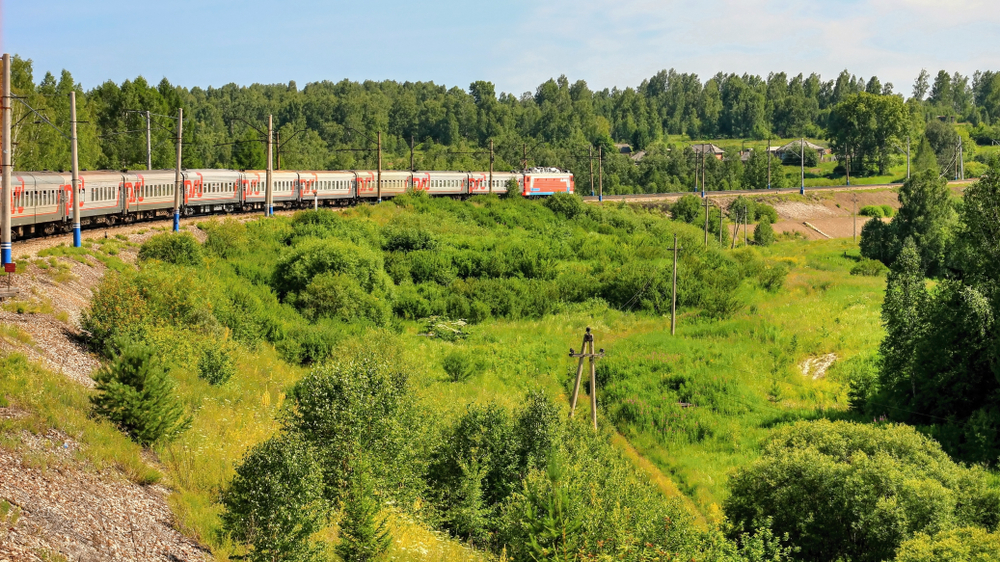
Siberia remains a land of vast distances. Between Yekaterinburg and Irkutsk, the Trans-Siberian covers 3,380 kilometres in three days and three nights. It is precisely this scale that gives it its value: taking the time to cross it, stopping at Krasnoyarsk or Novosibirsk, watching the taiga unfold over hours. Our itineraries almost always combine train and internal flights to preserve both the duration of the experience and the coherence of your stay.
What to discover
Olkhon Island and Shaman's Rock. Four to five days based in Khoujir, with hikes along the cliffs of Cape Khoboy to the north and evenings in the banya. This is where Buryat shamanic tradition remains most vibrant around Baikal.
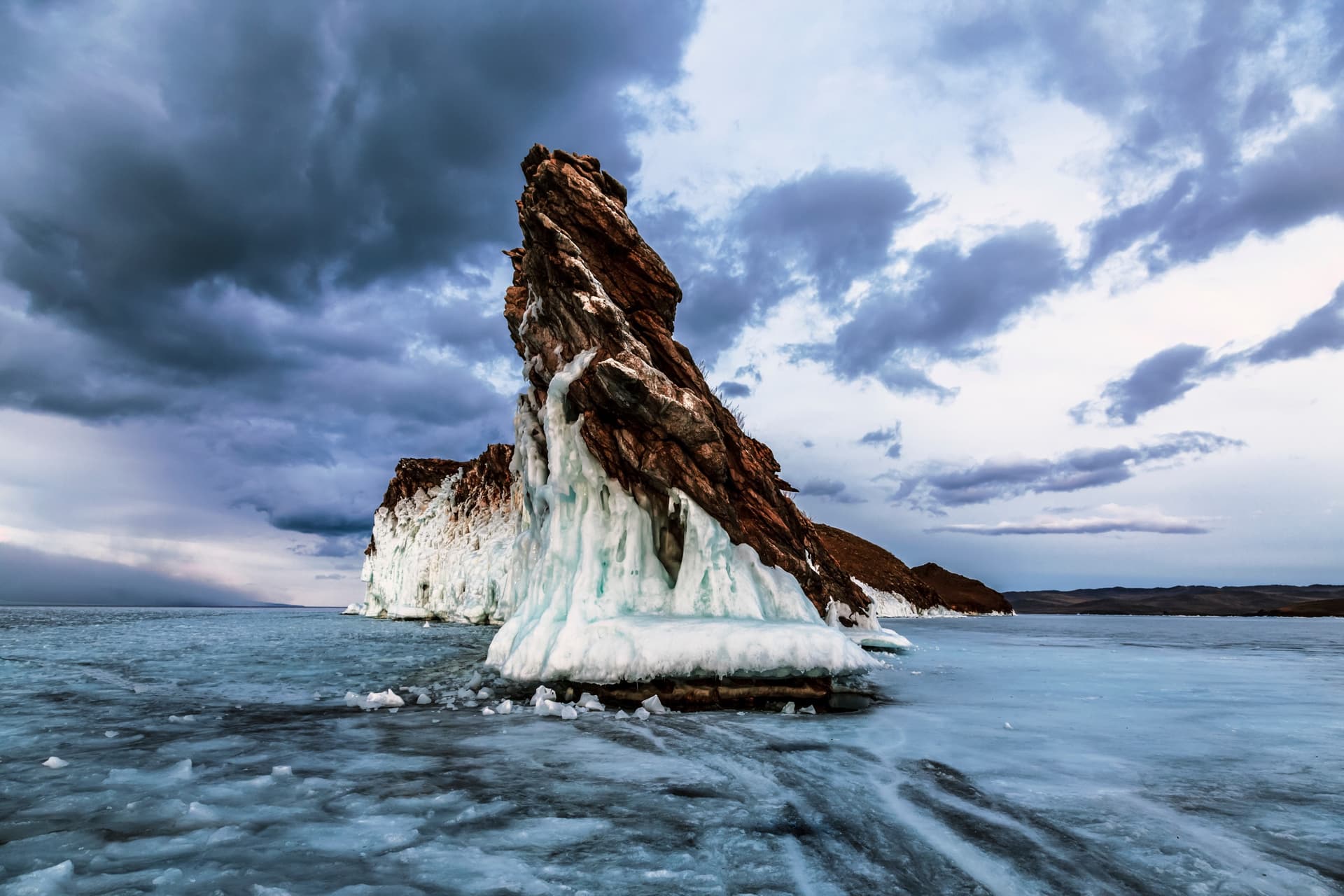
Transparent ice on Baikal in February-March. The lake freezes to two metres thick and you travel by UAZ over translucent sheets striped with turquoise cracks. Our peak season for photography, with temperatures ranging from -15 to -25 degrees.
Ivolguinsky Datsan in Buryatia. Russia's principal centre of Tibetan Buddhism, 30 kilometres from Ulan-Ude. You can attend morning prayers of the monks and discover the body of khambo-lama Itigelov, displayed several times a year.
Stolby rock pillars near Krasnoyarsk. Around fifty syenite towers of 60 to 100 metres in a forest reserve accessible on foot from the city. Two days suffice for the main viewpoints: Diedouchka, Pierya, Vtoroï Stolb.
Krougobaïkal train on the historic route. The original Trans-Siberian route runs along the south-west shore of Baikal for 89 kilometres, crosses 39 tunnels and 470 engineering works. A full day at the pace of a steam train in summer, a diesel train off-season.
When to go
We distinguish two peak seasons. From mid-February to end March, Lake Baikal is completely frozen: the ice reaches two metres thick, sufficient for vehicle travel. This is the period we favour for photography, skating and ice cycling. Temperatures range from -10 to -25 degrees during the day, sometimes -35 at night, but the air is dry and the sky often clear. From late June to late August, vegetation explodes, temperatures rise to 22-28 degrees during the day and the water surface reaches 16 to 18 degrees in August, warm enough for a brief swim. July is also the month of Buryat festivals and shamanic celebrations on Olkhon.
We advise against April-May and October-November: these are the transition seasons of thaw and refreezing, when neither boats nor ice are passable, and access to Olkhon becomes uncertain. January remains very cold (-25 to -40 degrees) without yet offering the transparent ice, which does not form clearly until mid-February. The Stolby pillars near Krasnoyarsk and Yekaterinburg can be visited year-round, with a clear preference for June to September for hiking.
Practical advice
For Baikal alone, we recommend a minimum of 7 days on site: 1 day in Irkutsk, 4 days on Olkhon, 1 to 2 days in Buryatia or on the southern shore. Irkutsk airport is served daily from Moscow (6 hours' flight, 5 hours' time difference). To include Yekaterinburg and Krasnoyarsk in Trans-Siberian mode, allow 14 to 18 days from Moscow, combining three or four nights by train and urban stops of two days each.
The region logically combines with Moscow and surroundings at the beginning or end of your journey, more rarely with St. Petersburg in a long itinerary. The sequence Kazan and the Volga then Yekaterinburg, Krasnoyarsk, Baikal forms our classic Trans-Siberian route. Comfort varies: 4-star hotels in Irkutsk and Ulan-Ude, family guesthouses on Olkhon (wood heating, sometimes outdoor facilities in winter), 1st or 2nd class cabins on the train. This region suits travellers curious about vast distances, photographers in winter, hikers in summer, and families with children from age 10 who can cope with dry cold or long journeys.