Lake Baikal
Lake Baikal
The world's deepest lake and a haven of Siberian tranquility, Baikal blends endemic wildlife, Buryat shamanic traditions, and mythical stops along the Trans-Siberian Railway.
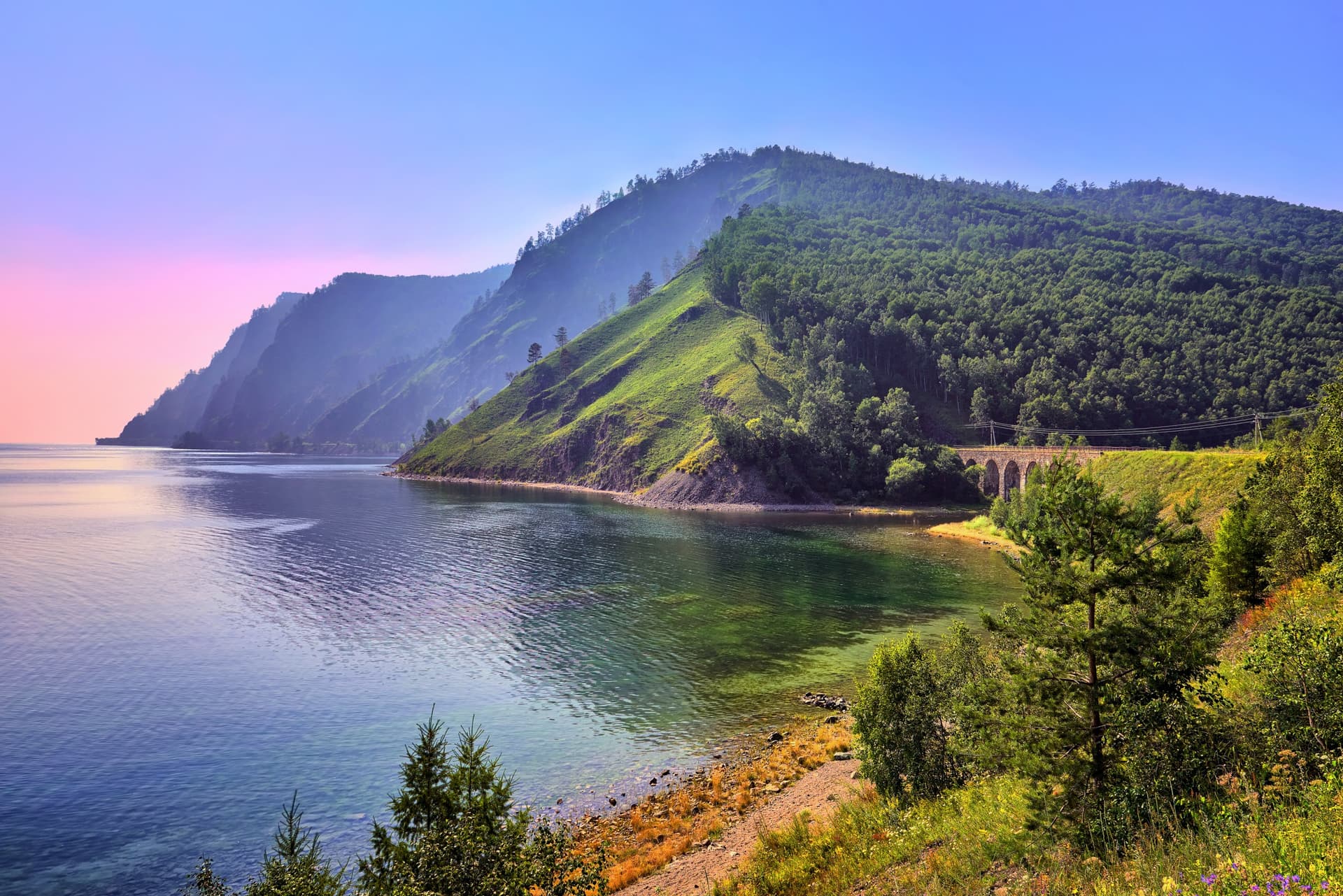
Lake Baikal sits in the vast and exuberant expanse of Siberia, one of the must-visit regions during a journey through Russie. This immense haven of peace stands out for its richness and landscape and biological diversity. Add to this the transparency and luminosity of its waters and the charm of the villages and towns that dot its shores.
A UNESCO World Heritage Site, Baikal ranks among Russie's most visited natural spaces. With an area of 30,000 km² and a depth of 1,650 meters, the lake is also one of the world's largest and deepest.
History
More than 25 million years old, Lake Baikal was discovered in 1643 by Cossack Kurbat Ivanov. It encompasses several mysterious and legendary locations worth exploring. Shaman Rock, on Olkhon Island, is one of them.
There is also Deceiver's Rock, a site venerated by shamans where various rituals were performed before Soviet-era mining operations completely destroyed it. Some say this was a deliberate act to combat occultism.
Lake Baikal, which stretches roughly 636 kilometers, has long served as a border between two administrative subdivisions of Russie: the Irkutsk Region and the Republic of Buryatia.
Lake Baikal Today
Today, Lake Baikal ranks among Russie's most renowned attractions. Located in southern Siberia, it occupies a vast area frequently visited by travelers. It's a prime destination for those seeking to experience the richness of Russie's natural landscape.
In recent years, many hotels have opened in the Lake Baikal region to welcome visitors. The area now offers all types of accommodations.
When to Visit Lake Baikal?
Undoubtedly, the best time of year to visit Lake Baikal is summer, when days are long and sunny. In summer, temperatures reach 16 to 17°C, sometimes higher in shallow bays: 22 to 23°C. The ideal dates for travel are between June 15 and August 15.
However, some adventurous travelers prefer visiting during winter and other seasons. In winter, Lake Baikal and Siberia's snow-covered landscapes offer spectacular views. The basin begins freezing in December and remains frozen, across 31,000 km², until May. Curious visitors to Baikal in winter can enjoy this endless skating rink.
In late autumn and early spring, be cautious of rain and strong winds. In May, the lake begins shedding its ice. Exercise caution if you still want to walk on icebergs.
To reach Lake Baikal, you can choose between flying or taking a train.
By plane: it's the fastest way to reach Lake Baikal. From Moscow, for example, you can book tickets with one of Russie's airlines (Aeroflot, Ural Airlines, S7 Airlines, or Pobeda).
There are departures from Moscow to Irkutsk or Ulan-Ude.
By train: during this journey, you can enjoy the Trans-Siberian Railway route. It's the most original way to reach Lake Baikal. This train stops in the cities of Irkutsk and Ulan-Ude. From there, you can take a short excursion to Lake Baikal.
All the cities along the Trans-Siberian Railway have some tourist appeal. Beyond this mythical journey, you'll have the opportunity to discover magnificent cities.
When traveling around Baikal, don't overlook your visit's season. You should be aware of temperature differences between winter and summer.
In summer: you can rent a cruise boat to explore Baikal.
In winter: the water freezes during winter, so cars, even trucks, can cross the lake. It's also an opportunity to ski or observe marine life through the frozen water.
What to Do?
The Baikal region offers several things to explore and experience. You probably won't have time to see everything, but we'll highlight the essential attractions to enrich your visit.
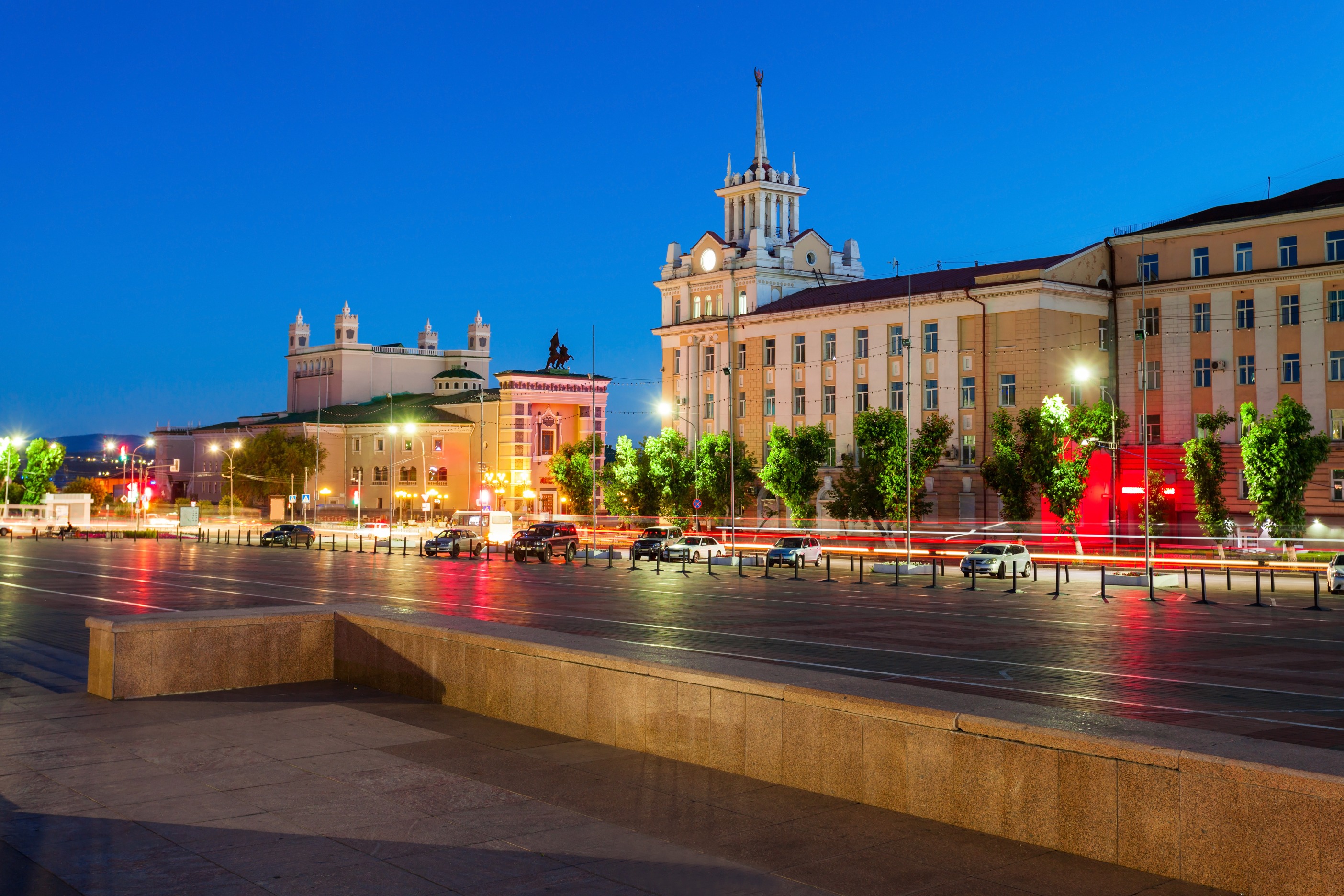
- Visit the two main cities bordering Lake Baikal: Irkutsk and Ulan-Ude both host worthwhile points of interest. Museums, cathedrals, and temples are striking inside and out.
- From Irkutsk, you can take a short excursion to Listvyanka and Cherskii Stone. The Talzy Museum is also located midway.
- Also from Irkutsk, your guide will take you to Olkhon Island. This island, home to Khoujir and Shaman Rock, is Baikal's most famous destination. If you wish, you can spend a night on the island, as it offers several luxury hotels for visitors.
- Traverse the route connecting the city of Slyudianka and Baikal Port. The Circum-Baikal Railway is a historic railway line that passes through a portion of the lake's southern shore.
We'll also mention the renowned adventure activities that attract numerous tourists.
- Sports enthusiasts will enjoy the Baikal Ice Marathon. This is a 42.195-kilometer race around the basin.
· If you're here during winter, you'll have the chance to attend the Winteriad Festival. Ice fishing and golf tournaments, dog sledding, ice skating, and more are open to everyone.
· Also in winter, you can arrange cycling, horseback riding, or even driving across the frozen Lake Baikal.
- Don't miss skiing at Listvyanka Ski Resort.
- Finally, we recommend visiting Tunka National Park, near Lake Baikal, at the border with Mongolia.
Want to discover this destination?
Our local advisors design your tailor-made trip.