Kostroma
Kostroma
A subtle stop on the Golden Ring overlooking the Volga, Kostroma tells the story of Romanov Russia through its Ipatiev Monastery and preserved 19th-century urban landscape.
Kostroma is a port city built on the banks of the Volga. Among the princely towns of the Golden Ring, it is renowned for its historic centre which gathers monuments dating from the 17th and 18th centuries. This charming city is also a true open-air museum where churches, monasteries, and palaces evoke the city's glorious past.
A touch of history
The city of Kostroma was founded in 1152, on the banks of the Volga, by Yuri Dolgoruki, the founder of Moscow and numerous Russian towns. At that time, it served a strategic function, defending the country's northeast against invaders. While the city's name seems to derive from the river that flows through it, it is most closely tied to a local custom. Indeed, Kostroma is a small wooden and straw doll that marks the end of winter and the beginning of spring.
Kostroma was among the cities that suffered from the Tatar invasion in the 13th century, but it recovered quickly thanks to its port, which was one of the most important in the Vladimir principality, and its commercial ties with the Middle East. In fact, by the 17th century, it had risen to 4th place among Russia's largest cities in economic terms.
Discovering the city of Kostroma
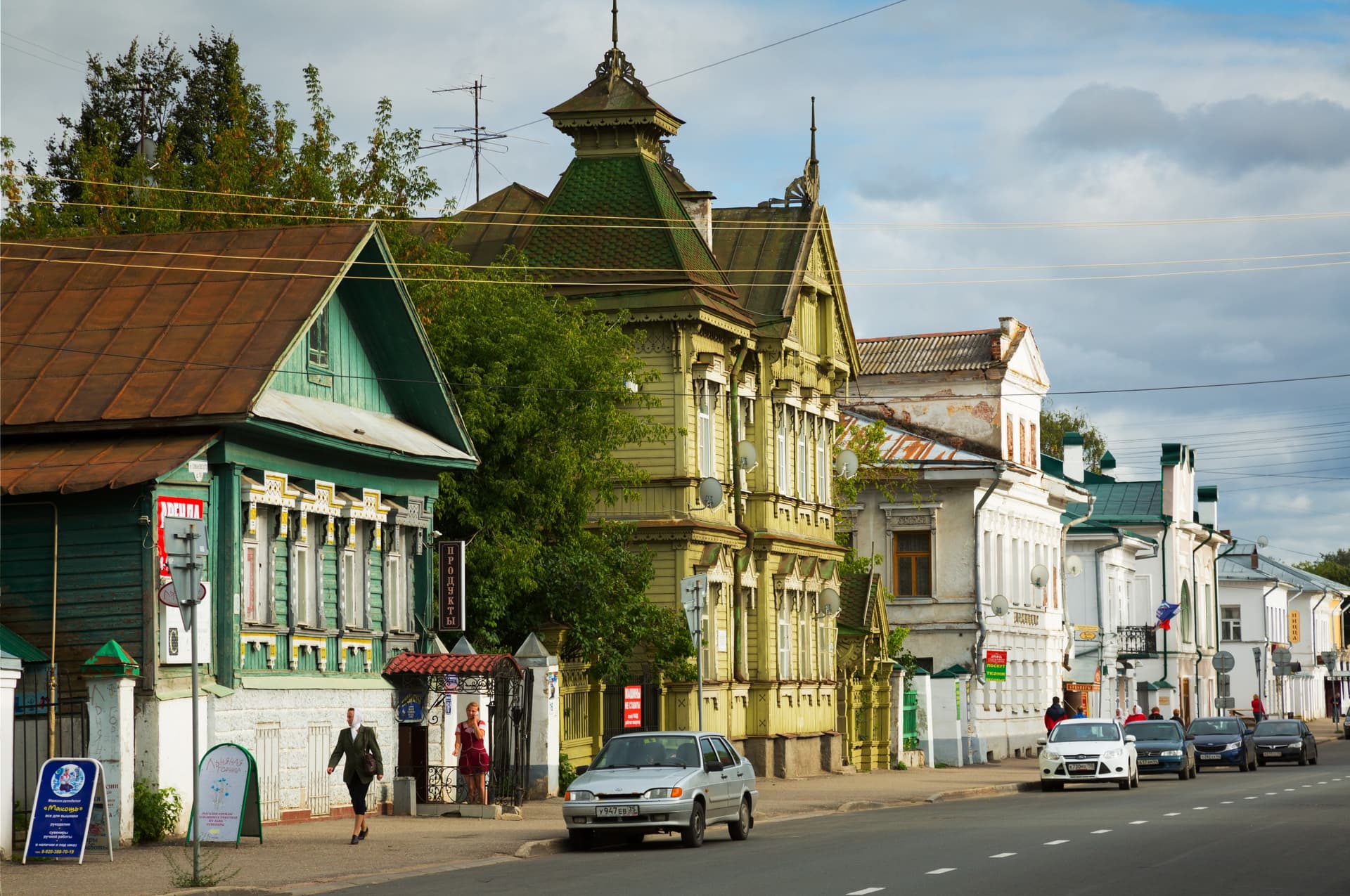
One of the particularities of Kostroma is that it has managed to preserve its 19th-century character. Visitors come to stroll through its ancient streets, admire the architecture of 18th and 19th-century buildings and churches, and familiarize themselves with the country's history. Indeed, Kostroma stands out from other Golden Ring towns above all through its unique urban layout and the multitude of architectural gems gathered in its historic centre.
Most of the city-centre monuments date from the 17th and 18th centuries and give visitors the feeling of being transported to another era. Among the unmissable monuments, you'll find the city's merchant galleries, one of Russia's oldest commercial complexes; or the Ostrovski pavilion, whose architectural forms evoke Russian estates' gardens and parks. Other monuments such as the belfry, the guardhouse, the Ostrovski Theatre, the Lenin monument, or that of Ivan Susanin also merit a visit.
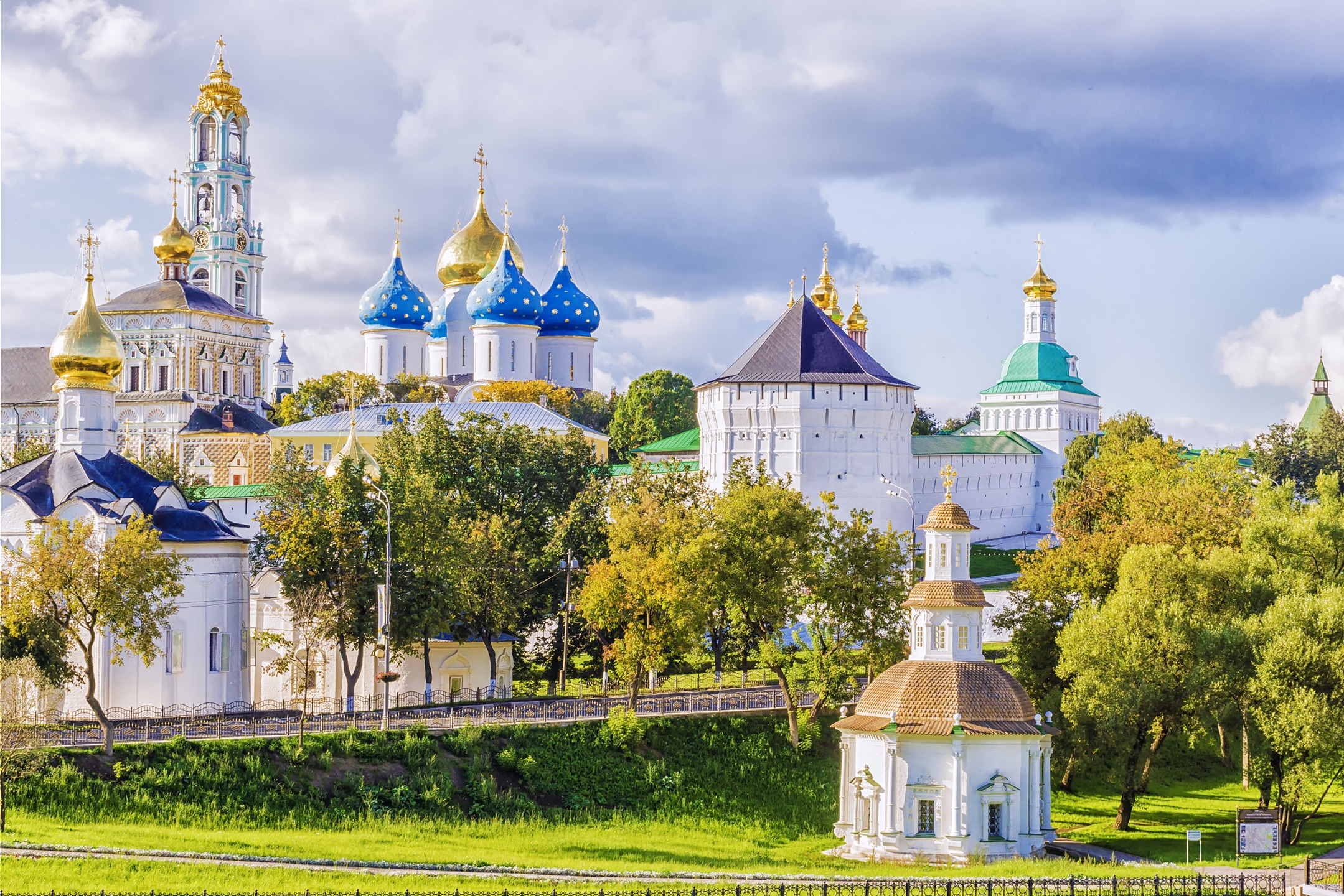
Beyond these historic buildings, Kostroma is also renowned for its churches and monasteries whose history and architectural beauty deserve recognition. The same applies to the Ipatiev Monastery, one of the city's oldest. Built in 1330, this magnificent edifice is easily recognizable by its white stone walls, green towers, and golden domes. The monastery also houses the Trinity Cathedral, renowned for its magnificent frescoes, as well as the famous Romanov House where members of the dynasty resided, such as Tsar Michael Romanov.
Beyond churches and monasteries, Kostroma is also known for its museums, including the architectural ethnographic museum, which is one of the country's first open-air museums; the Romanov Museum, or the wooden architecture museum. But a stay in Kostroma is not complete without pausing before the mythical Volga. More than being Europe's largest river, it truly is the soul of Russia, where the essence of the Russian people's identity lies.
The best time to visit?
The best period to visit Kostroma is during the warm season. However, given Russia's continental climate, still plan for warm clothing, as even during this period, temperatures can drop very low at any time.
Kostroma is located 350 km northeast of Moscow. To get there, you can choose between train, bus, or car.
By train:
From Moscow's Yaroslavski Station, a train departs for Kostroma daily at 11:10 p.m. The journey takes approximately 6 hours and costs 1,000 rubles (around €12) for a 2nd class ticket and 2,000 rubles (around €24) for travel in a compartment.
By bus:
From Shchelkovski Bus Station, seven buses depart daily for Kostroma. The journey takes between 7 to 8 hours, with stops in Sergiev Posad, Rostov, and Yaroslavl. The ticket price is approximately 1,000 rubles.
By car:
The Moscow-Kostroma drive by car is faster, taking approximately 5 hours. Moreover, the road and landscapes are truly breathtaking.
Want to discover this destination?
Our local advisors design your tailor-made trip.