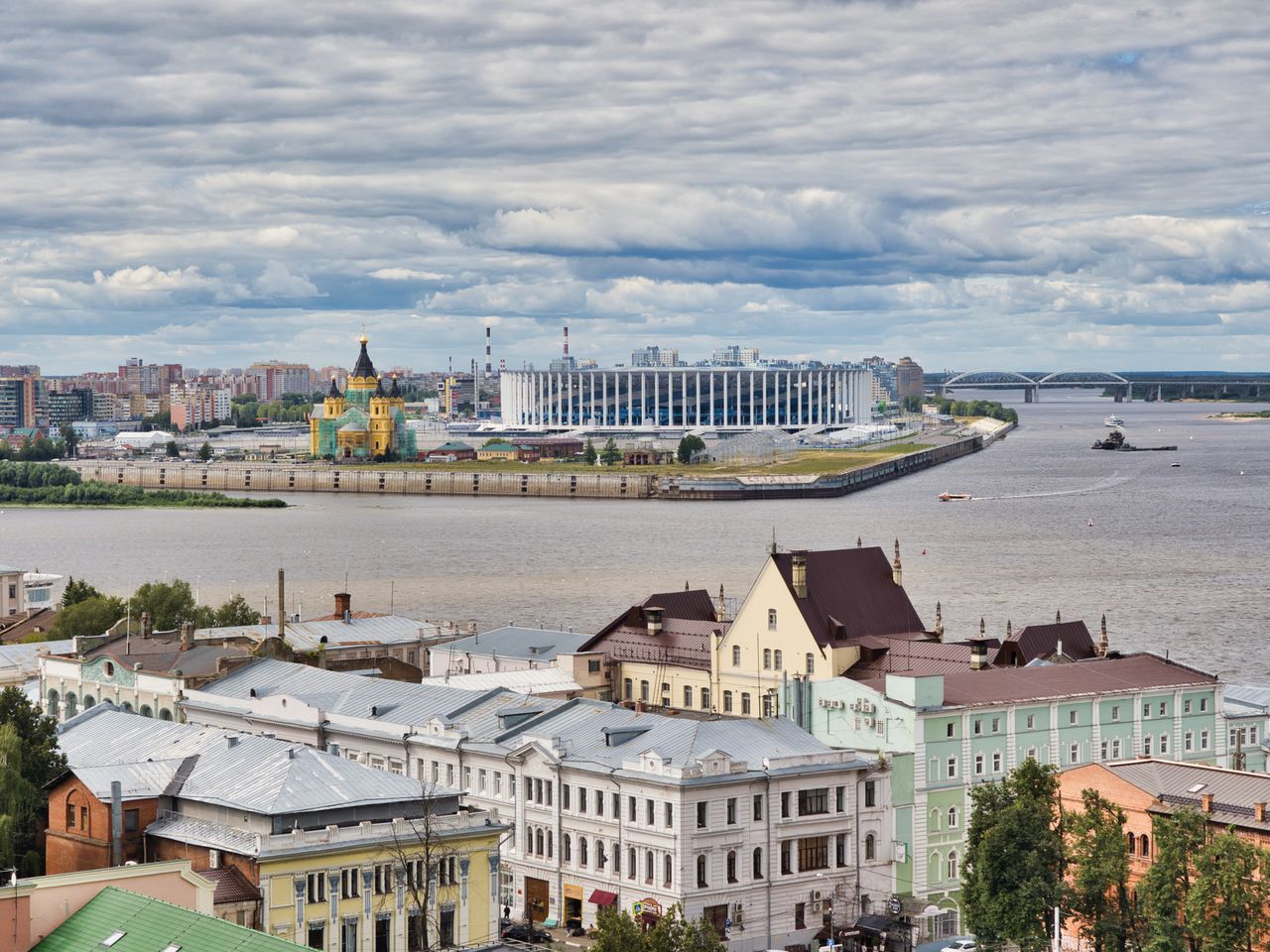
Barnaul
Barnaul, capital of Altai Krai, blends 18th-century industrial heritage with imperial neoclassical architecture. An ideal base before venturing into the Altai Mountains.
Barnaul is the capital of Altai Krai, situated on the left bank of the Ob River, at the edge of the Siberian plains and the first foothills of the Altai Mountains. Founded in the 18th century around copper and silver mining, it preserves a historic center marked by the neoclassical architecture of the imperial era. A natural starting point for exploring the Altai Mountains, it combines industrial heritage, solid museums, and the authentic atmosphere of a true Siberian city.
Practical information at a glance
- Access: Barnaul International Airport (Mikhail Chichkine), with flights from Moscow and other Russian cities; railway station well connected to the Trans-Siberian network.
- Dress code: no particular constraints in the city; bring warm clothing outside summer months (winters are extremely harsh).
- Recommended duration: one to two days for the historic center; longer if using Barnaul as a base for exploring Altai.
- Language: almost exclusively Russian; little English spoken.
What to see
The historic center concentrates most of the architectural interest. The district known as "Demo" (Демидовская площадь) brings together neoclassical buildings linked to the mining administration of the Demidov family. Lenin Square, the main thoroughfare, is lined with Soviet-era buildings and shops. The regional Fine Arts Museum houses a collection of Russian painting from the 19th to 20th centuries. The local history museum (краеведческий музей) traces the mining epic and ethnography of Altai peoples.
History and context
Barnaul was officially founded in 1730 around a copper foundry built by Akinfiy Demidov, a mining magnate. It quickly became the administrative center for the imperial Crown's silver mines in western Siberia. A major fire in 1917 destroyed parts of the urban fabric, but several 19th-century neoclassical buildings survive. In the 20th century, the city developed as an industrial and university center of Altai Krai.
Highlights of your visit
Demidov Square and the mining district
The historic heart of the city, this square preserves a commemorative column erected in 1825 and several buildings from the imperial mining administration. The ensemble gives a clear sense of what Barnaul was at the height of its industrial importance in the 19th century.
The Regional Museum of Local History
One of Siberia's oldest museums, founded in 1823. Its collections span the geology of Altai, the archaeology of the steppes, and the history of Russian colonization in western Siberia. An essential stop to understand the region before heading to the mountains.
The Ob River embankment
A stroll along the Ob offers open views across the river and surrounding plains. In summer, the riverfront comes alive; in winter, the frozen river becomes a landscape all its own.
Photography tips
Morning raking light showcases the neoclassical facades of Demidov Square. In winter, snow and frost create striking contrasts with the ochre buildings. The Ob embankment is ideal at sunset, especially in summer when nights are short and golden light lingers late into the evening.
Location and access
Barnaul lies approximately 3,500 km east of Moscow, in southwestern Siberia. The airport offers regular connections to the Russian capital. The railway station connects the city to Novosibirsk (about 250 km to the north) and the Trans-Siberian network. From Barnaul, the main road to the Altai Mountains (the Chuysky Trakt) heads south toward Gorno-Altaysk.
Nearby
- Gorno-Altaysk — capital of the Altai Republic, gateway to the high mountains and alpine lakes.
- Lake Teletskoye — a major mountain lake listed as a UNESCO World Heritage site, reachable from Barnaul in a day's drive.
- Biysk — historic city on the Ob River, traditional starting point of the Chuysky Trakt toward Altai.
- Novosibirsk — Siberian metropolis to the north, major air and rail hub for the region.
Frequently asked questions
Summer (June–August) offers pleasant temperatures and allows you to combine the city with an excursion into the Altai Mountains. Spring and autumn are mild but unpredictable. Winter is extremely cold, with temperatures often dropping well below −20 °C.
The city deserves one to two days for its historical heritage. It is primarily useful as a logistical base before heading to the Altai Mountains, which remain the region's main attraction.
The Chuysky Trakt (federal highway M52) heads south from Barnaul and passes through Biysk before entering the mountains. Buses and private transfers serve Gorno-Altaysk and the main sites of the Altai Republic.
English-speaking guides are rare in Barnaul. Local agencies in the Nomadays network can arrange English-language accompaniment for the city and Altai region.
The city center is generally flat, but sidewalks and some museums are not always wheelchair-accessible. It is advisable to check the accessibility of each site before your visit.
Want to discover this destination?
Our local advisors design your tailor-made trip.