Climate in Russia
Given the vastness of its territory, Russia experiences different climates depending on the region, though generally the majority of the country is subject to a humid continental climate. Winters are long
Given the vastness of its territory, Russia experiences different climates depending on the region, though generally the majority of the country is subject to a humid continental climate. Winters are long and harsh, while summers are warm but short.
Throughout the year, the country experiences approximately 125 days of frost. This is largely due to the fact that in its northern regions, the country lacks mountain ranges that would shield it from cold air masses arriving from the North Pole. Additionally, a significant portion of the territory lies north of the 50th parallel. In the southern and eastern parts of the country, warm air currents from the tropics are blocked by successive mountain ranges that act as natural barriers.
Climate in Siberia and Russia's Far East
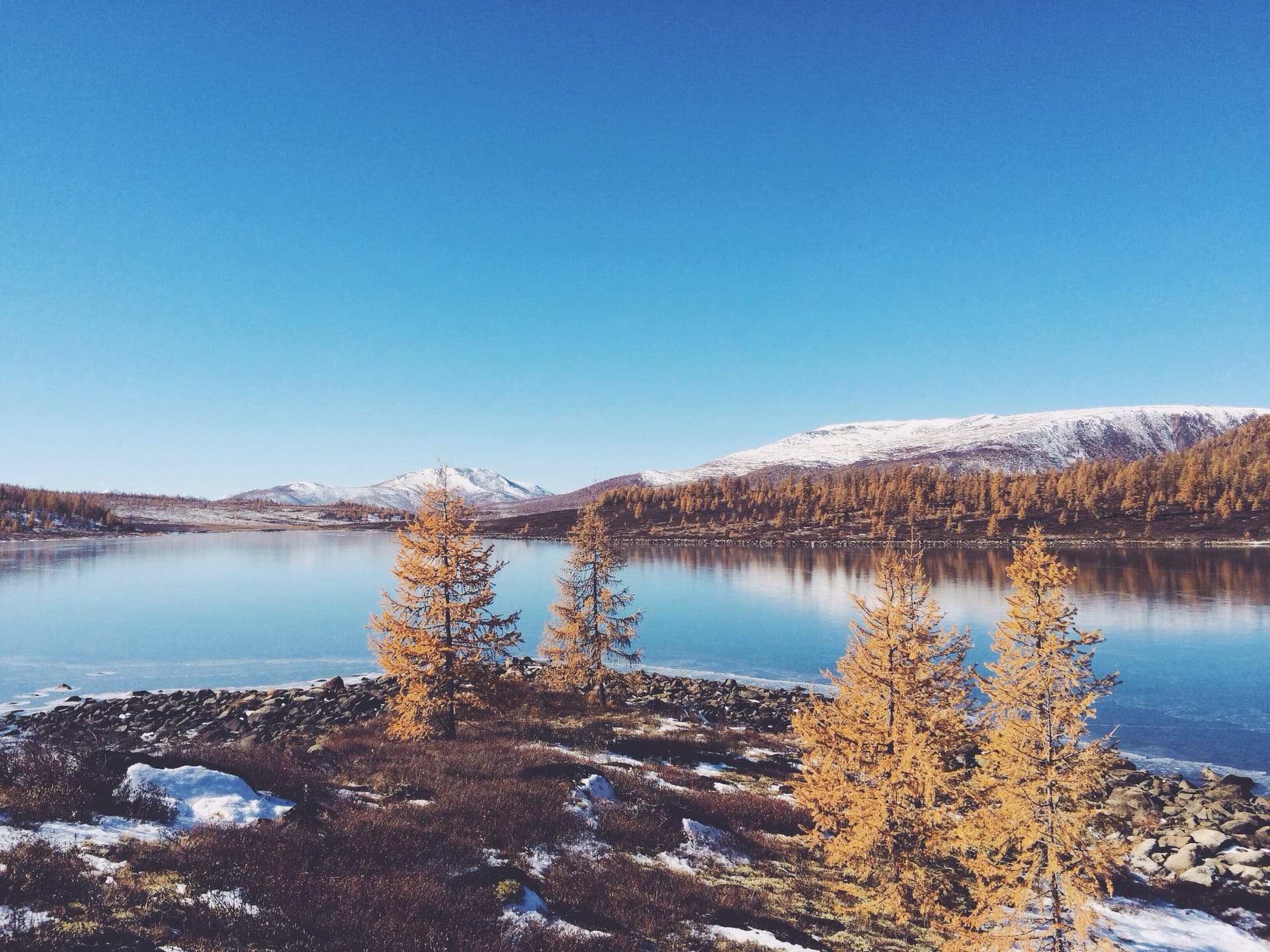
The climate in these regions is characterized by extreme conditions. Temperatures drop well below 0 °C. Average winter temperatures recorded in Siberia and the Far East typically range from −15 °C to −40 °C. The lowest temperature ever recorded was −68 °C, in the small town of Verkhoyansk.
Climate in Russia's Two Major Cities
Moscow
The climate of the Russian capital is continental in nature, with a prolonged winter period featuring freezing cold. The warmest month of the year occurs in July during the summer period, with temperatures often hovering around 19 °C.
Between November and March, local thermometers consistently remain below zero. January is the coldest month, with an average temperature of −10 °C.
Most of the time, the thaw occurs between late March and early April. During this period, flooding often occurs.
Precipitation in Moscow is light but intense. Average annual rainfall is 690 mm.
Saint Petersburg
This northwestern city is also subject to a continental climate. Winters are particularly harsh here while summers are warm. Snowfall is fairly frequent in Saint Petersburg. Regarding precipitation, it is not particularly abundant, as annual rainfall is only about 610 mm. Rain falls mainly in winter and often comes as snow due to the cold.
The winter season begins at the end of November and ends in late March. In February, the average temperature hovers around −6 °C. During this period, daylight hours are very short, particularly between January and December. On December 21st, for example, the sun rises around 10 a.m. and sets around 4 p.m.
Spring in Saint Petersburg generally occurs between April and May. It is characterized initially by long days dominated by cold and wind. As time goes on, temperatures gradually begin to rise.
In summer, heat is more or less felt, as the average temperature is 19 °C, notably in July. As in Moscow, this season typically falls between June and August.
Autumn in Saint Petersburg begins in September and ends in November. At first, the atmosphere is cool with intermittent rain. The cold gradually builds until the first snowfall in October. Then comes November, when daylight shortens: the sun sets at 4:30 p.m. and rises at 9 a.m.
Climate in Other Russian Cities
Sochi
This city and beach resort is subject to a Pontic climate. Local maximum temperatures typically range between 26 °C and 28 °C. It enjoys 200 days of sunshine per year. In summer (between July and August), the average temperature is 24 °C. During the winter season, thermometers rarely drop below zero in Sochi, though the cold is still felt.
Kaliningrad
This Russian city, located between Poland and Lithuania, enjoys a Baltic climate. Winters are cold and snowy. The frequency of rain is higher in this part of the country, with annual rainfall of 800 mm. Kaliningrad receives good sunshine in August with long days. Despite pleasant weather, the temperature of the Baltic Sea is not conducive to swimming.