Khabarovsk
Khabarovsk
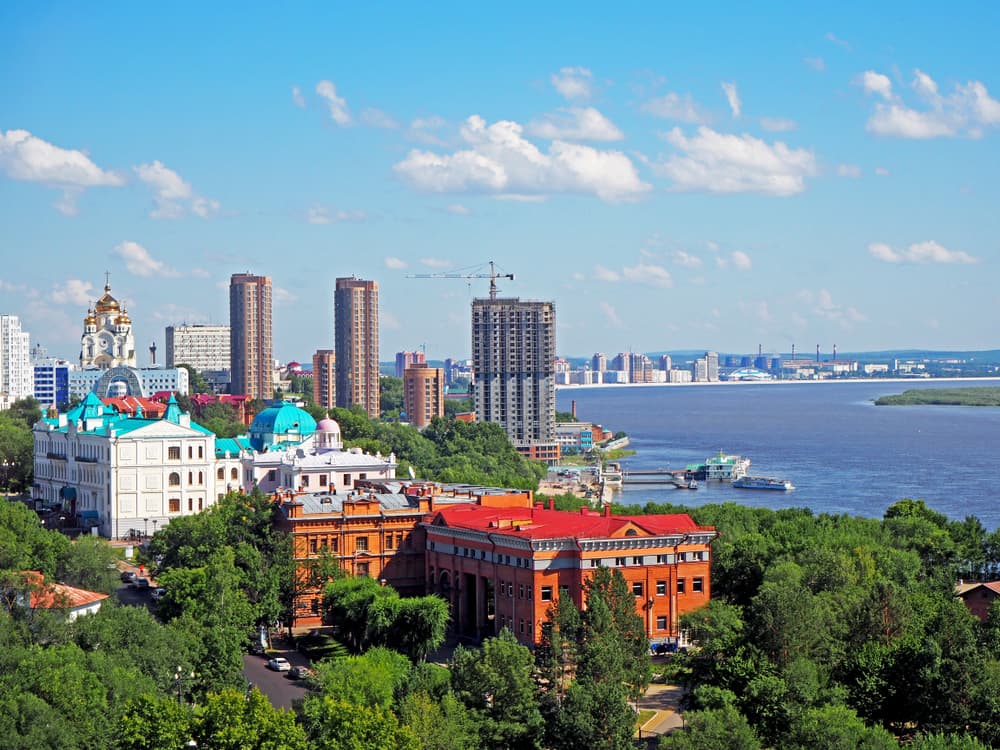
Khabarovsk spreads across the right bank of the Amur River, mere kilometers from the Chinese border, in Russia's Far East.
Khabarovsk spreads across the right bank of the Amur River, mere kilometers from the Chinese border, in Russia's Far East. Founded in 1858 as a military outpost, it became the administrative capital of the region and the main hub of the area. Its central boulevard, red-brick tsarist buildings, and sweeping river views make it a compelling stop for anyone exploring Eastern Russia.
Practical Information at a Glance
Access: Novy International Airport (HKT), direct flights from Moscow, Vladivostok, and several Asian cities.
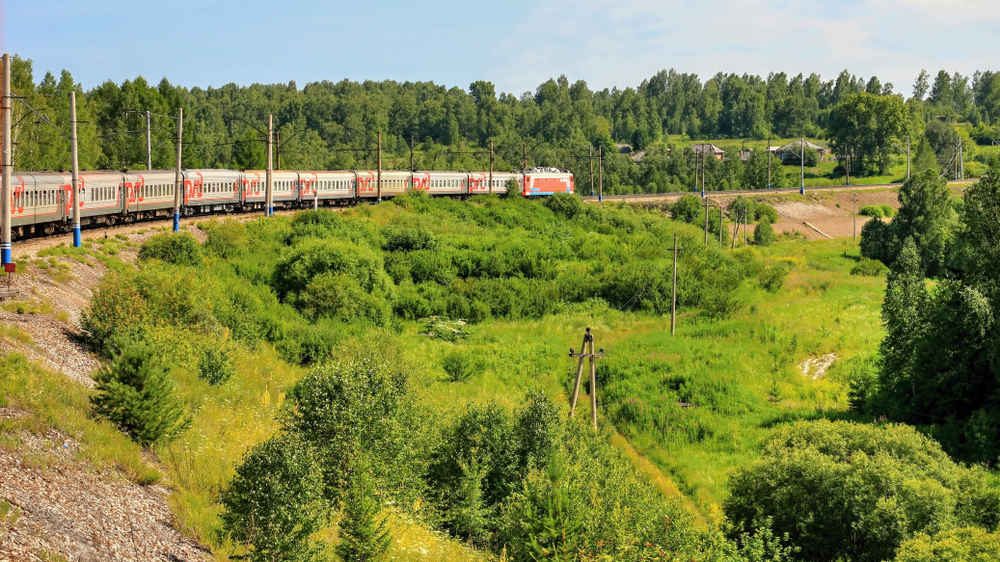
Train: station on the Trans-Siberian Railway; direct connections to Vladivostok (~12 hours) and Moscow (~6 days).
Time zone: UTC+10 (7 hours ahead of Moscow).
Visa: check Russia's entry requirements for your nationality before departure.
Currency: Russian ruble (RUB); foreign bank cards have been severely restricted since 2022.
Recommended duration: 2 to 3 days to cover the center and main museums.
What to See
The heart of the city revolves around Muravyov-Amursky Avenue, a long pedestrian thoroughfare flanked by imperial and Soviet-era buildings. The Amur Bluff (Amursky Utes) offers a natural vantage point over the river and, on clear days, views of the Chinese bank. The central park runs along the river, dotted with fountains, monuments, and in winter, ice sculptures.
History and Context
The site is named after Cossack explorer Yerofei Khabarov, who mapped the region in the 17th century. The modern city was born in 1858 with the Treaty of Aigun, which ceded the left bank of the Amur to Russia. It quickly became the administrative and military center of Russia's Far East, a role it maintains today alongside Vladivostok, which is more oriented toward maritime commerce.
Highlights of Your Visit
Khabarovsk Krai Regional Museum
One of the region's oldest museums, founded in 1894. Its collections span the history of indigenous Amur peoples (Nanai, Nivkh, Ulchi), local fauna, and the military history of the Far East. The galleries dedicated to indigenous cultures are exceptionally well-documented.
Dormition Cathedral
Rebuilt in the 2000s on the foundations of the tsarist edifice destroyed during the Soviet period, it dominates the Amur Bluff. Its neo-Byzantine architecture and golden domes form the city's most recognizable visual landmark.
Khabarovsk Krai Museum of Fine Arts
A rich collection of Russian icons, Soviet realist paintings, and contemporary regional art. A section is dedicated to decorative arts of indigenous peoples, notably embroidery and fish-skin clothing crafted by the Nanai.
Bolshoy Ussuriski Island
A river island at the confluence of the Amur and Ussuri rivers, shared between Russia and China. Accessible from Khabarovsk, it harbors a nature reserve and offers a unique perspective on the Sino-Russian border.
Photography Tips
Morning light is ideal on the Amur Bluff: the sun rises over the river and illuminates the cathedral face-on. In winter (December–February), the central park's ice sculptures and the frozen river offer striking compositions. Avoid photographing military installations or port facilities.
Location and Access
Khabarovsk lies roughly 800 km north of Vladivostok by road, and just kilometers from the Chinese border (the town of Fuyuan lies opposite). The city center is compact and walkable. Trams and trolleybuses serve outlying neighborhoods. Accessibility for people with reduced mobility remains limited on historic cobbled streets.
Nearby
Vladivostok — another major city of Russia's Far East, reachable by train or plane, renowned for its Golden Horn Bridge and seafood dining scene.
Bolonsky Nature Reserve — a protected wetland south of Khabarovsk, a migration stopover for thousands of waterfowl.
Frequently Asked Questions
Frequently asked questions
June through September brings pleasant temperatures (68–82°F / 20–28°C) and navigable waters. Winter (November–March) is harsh, with temperatures dropping below –13°F (–25°C), yet it offers ice sculptures and a distinctive atmosphere.
Most European and North American citizens require a visa. Conditions change regularly; consult the Russian embassy in your country or your foreign ministry before planning your trip.
Since 2022, foreign Visa and Mastercard cards no longer work in Russia. Bring cash in rubles, exchange it before arriving, or use local currency exchange offices that accept foreign currency.
Yes. An overnight train connects the two cities in approximately 12 hours. Flying is faster (around 1.5 hours). Both cities offer distinct character and complement each other well on a Far East Russia itinerary.
Two days suffice for the historic center, the two main museums, and the Amur Bluff. Add a third day if you wish to reach Bolshoy Ussuriski Island or explore neighborhood markets.
In Orthodox churches like the Dormition Cathedral, women typically cover their heads and shoulders; men remove their hats. Photography inside is sometimes restricted; check signage at the entrance.
Want to discover this destination?
Our local advisors design your tailor-made trip.